How to Say "legs" in Spanish
The most common Spanish word for “legs” is “piernas” — use 'piernas' when referring to the limbs that humans use for walking, running, or standing.

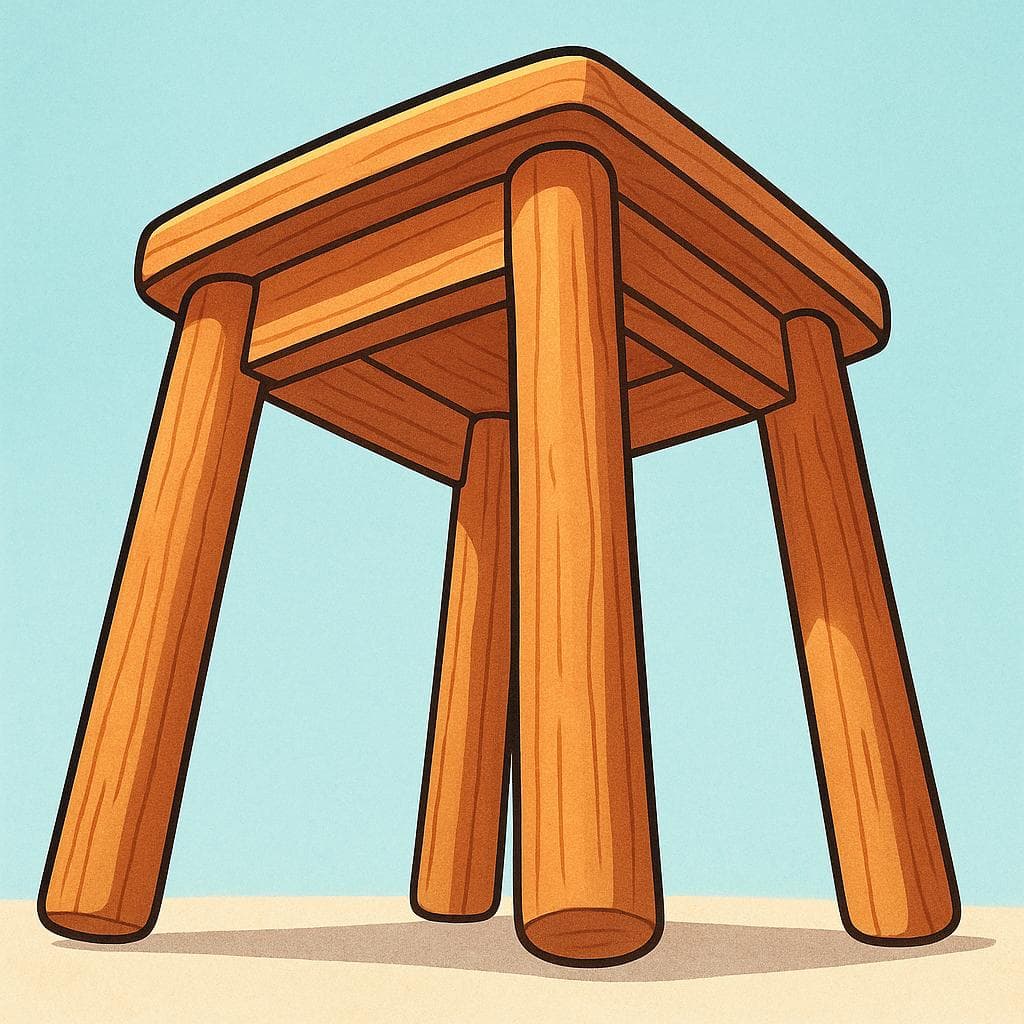
piernas
pee-EHR-nahs'pjeɾnas

Examples
Me duelen las piernas después de correr diez kilómetros.
My legs hurt after running ten kilometers.
Ella tiene piernas largas y fuertes, perfectas para el ciclismo.
She has long, strong legs, perfect for cycling.
Necesitamos estirar las piernas antes de seguir conduciendo.
We need to stretch our legs before continuing to drive.
Feminine Plural Noun
Since this word ends in '-as,' it is always a feminine plural noun. You must use the feminine article 'las' (the) before it.
Using the Singular
Mistake: “Using 'pierna' when referring to both legs.”
Correction: When talking about both of your limbs, or when talking about having a quick walk, always use the plural 'piernas' (las piernas, mis piernas).
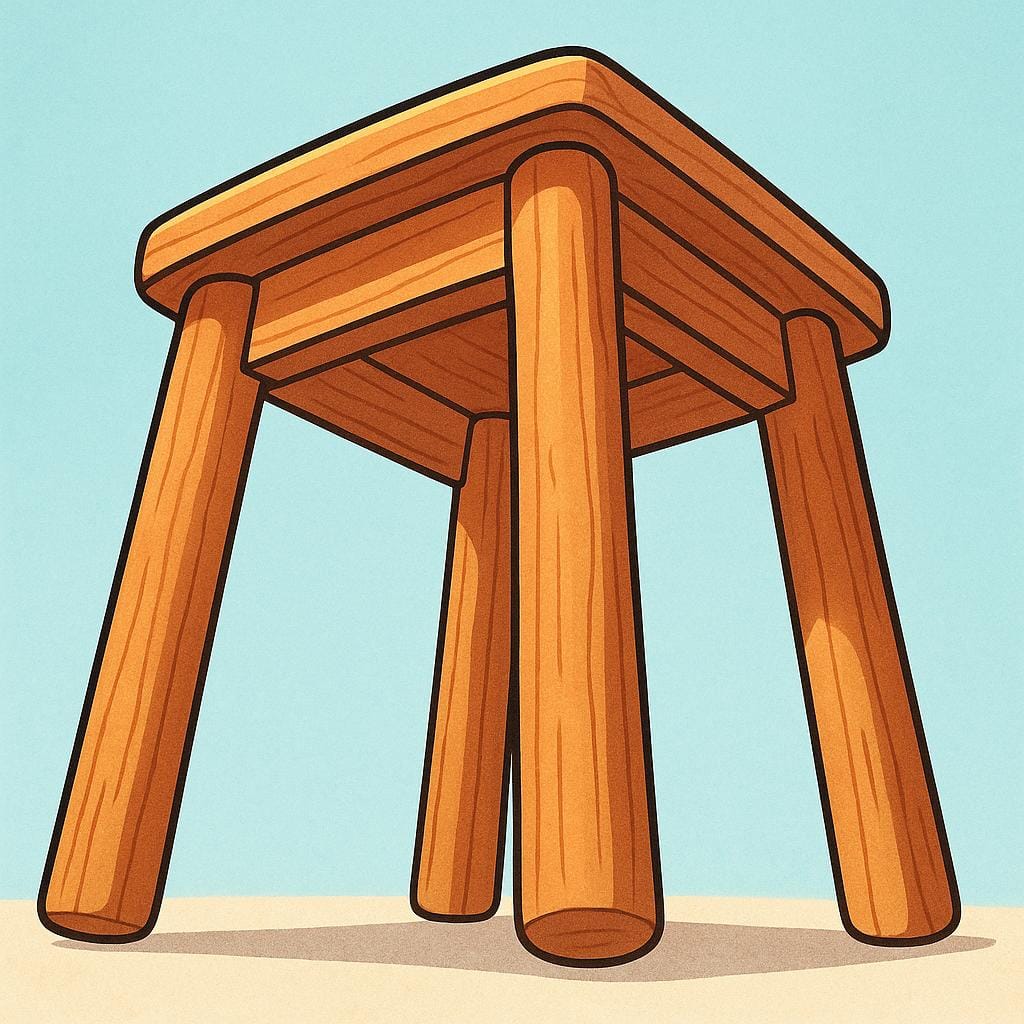
patas
PAH-tasˈpatas
Examples
El perro movió sus patas con alegría al vernos.
The dog moved its paws happily when it saw us.
Necesitamos arreglar una de las patas de la silla.
We need to fix one of the legs of the chair.
Gender Consistency
Even when referring to inanimate objects like tables, 'patas' is always feminine because the singular word 'pata' is feminine.
lágrimas
Examples
El vino tiene buenas 'lágrimas', lo que indica alta graduación.
The wine has good 'legs' (or 'tears'), which indicates high alcohol content.
Human vs. Animal/Furniture Legs
Learn Spanish with Inklingo
Interactive stories, personalized learning, and more.