How to Say "plan" in Spanish
The most common Spanish word for “plan” is “plan” — use 'plan' when referring to a general intention, a set of steps, or a specific agenda for an activity.

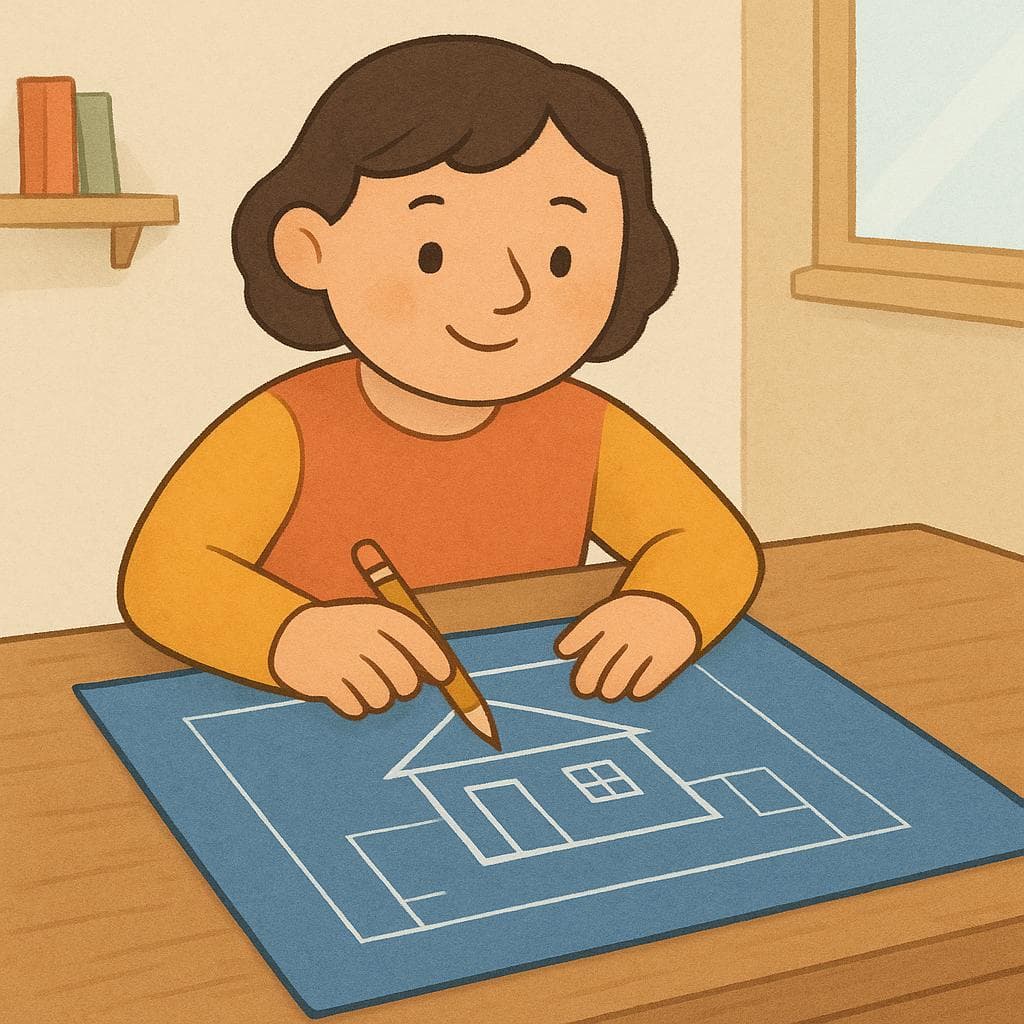
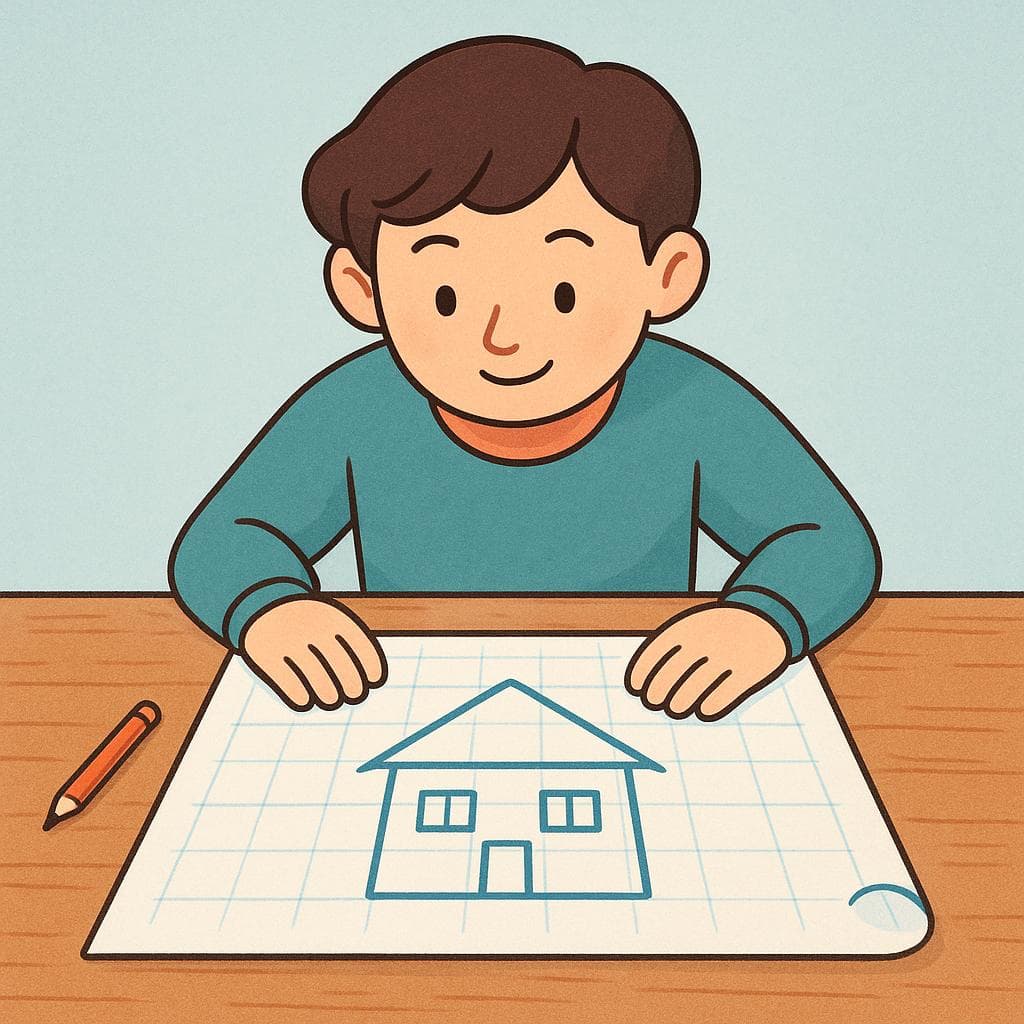
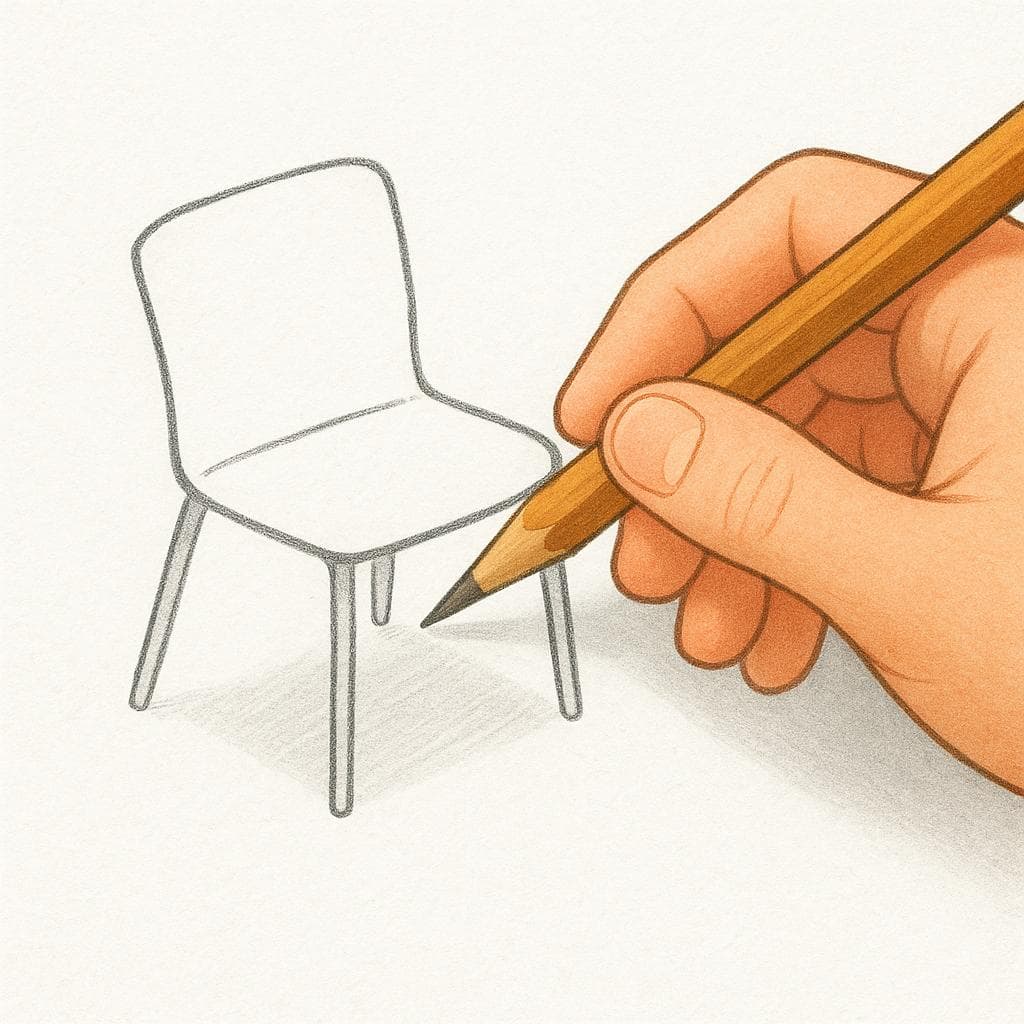

plan
plahnplan

Examples
¿Cuál es el plan para esta noche?
What's the plan for tonight?
Tenemos un plan para mejorar las ventas de la empresa.
We have a plan to improve the company's sales.
Mi plan es viajar por Sudamérica el próximo año.
My plan is to travel through South America next year.
It's a Masculine Noun
Even though 'plan' doesn't end in -o, it's a masculine word. Always say 'el plan' (the plan) or 'un plan' (a plan).
Using 'la' instead of 'el'
Mistake: “La plan es bueno.”
Correction: El plan es bueno. Remember that 'plan' is masculine.
planea
pla-NEH-ahplaˈne.a
Examples
Ella planea un viaje a Italia el próximo verano.
She is planning a trip to Italy next summer.
El equipo planea la nueva estrategia de marketing.
The team is planning the new marketing strategy.
Si usted planea la cena con anticipación, será más fácil.
If you plan dinner ahead of time, it will be easier. (Formal command)
Using 'Planear' with Infinitives
You can follow 'planear' directly with another verb in its base form (infinitive) to say what is being planned: 'Planea estudiar' (He plans to study).
Don't confuse the verb forms
Mistake: “Using 'planea' when you mean 'yo planeo' (I plan).”
Correction: 'Planea' is only for 'he/she/it/you formal.' Remember the 'o' ending is for 'yo' (I).
proyecto
pro-YEK-tohpɾoˈʝekto
Examples
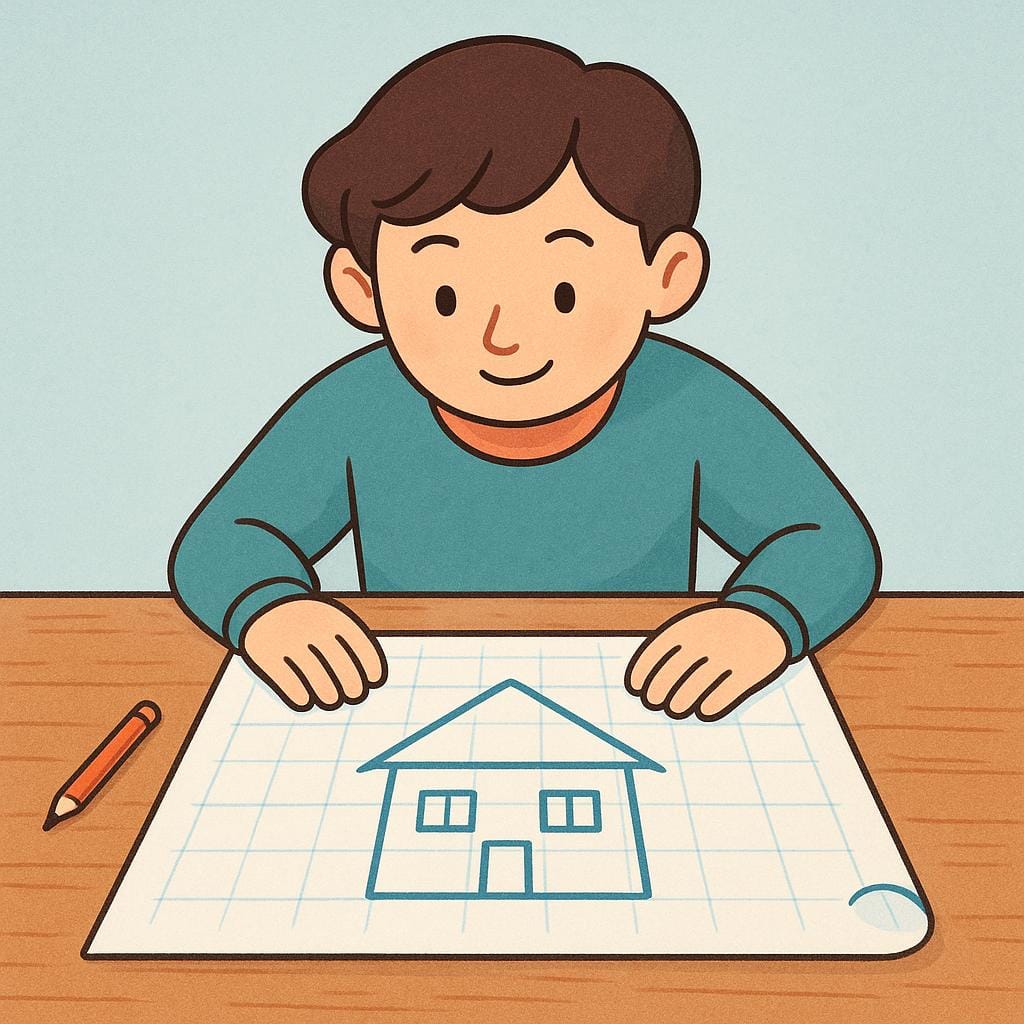
Nuestro proyecto final es construir una maqueta de la ciudad.
Our final project is to build a model of the city.
Necesitamos aprobar el proyecto de presupuesto antes de fin de mes.
We need to approve the budget proposal before the end of the month.
Mi abuelo siempre habla de su proyecto de vida.
My grandfather always talks about his life plan.
Gender Rule
Even though many Spanish words ending in -a are feminine, 'proyecto' follows the rule for words ending in -o: it is masculine. Always use 'el' or 'un' before it.
Verb Choice
Mistake: “Hicimos un proyecto.”
Correction: Realizamos un proyecto. ('Hacer' is fine but 'realizar' or 'ejecutar' (to execute) are often better verbs for formal projects.)
idea
ee-DEH-ahiˈðe.a
Examples
La idea es llegar antes de las ocho.
The plan is to arrive before eight.
Mi idea era viajar por Europa este verano.
My intention was to travel through Europe this summer.
La idea es que todos participen.
The point is for everyone to participate.
Suggesting Plans with 'La idea es que...'
When you use 'La idea es que...' to talk about a plan for someone else, the next verb often changes into a special form (the subjunctive). For example, 'La idea es que tú vengas' (The plan is for you to come).
diseño
dee-SEH-nyodiˈseɲo

Examples
El diseño de la casa es muy moderno.
The design of the house is very modern.
Contratamos a un experto para el diseño web.
We hired an expert for the website design.
Este vestido tiene un diseño floral precioso.
This dress has a beautiful floral pattern.
Gender Reminder
Even though it ends in '-o', which often indicates a masculine noun, 'diseño' is always masculine: use 'el diseño' or 'un diseño'.
plano
plah-nohˈplano
Examples
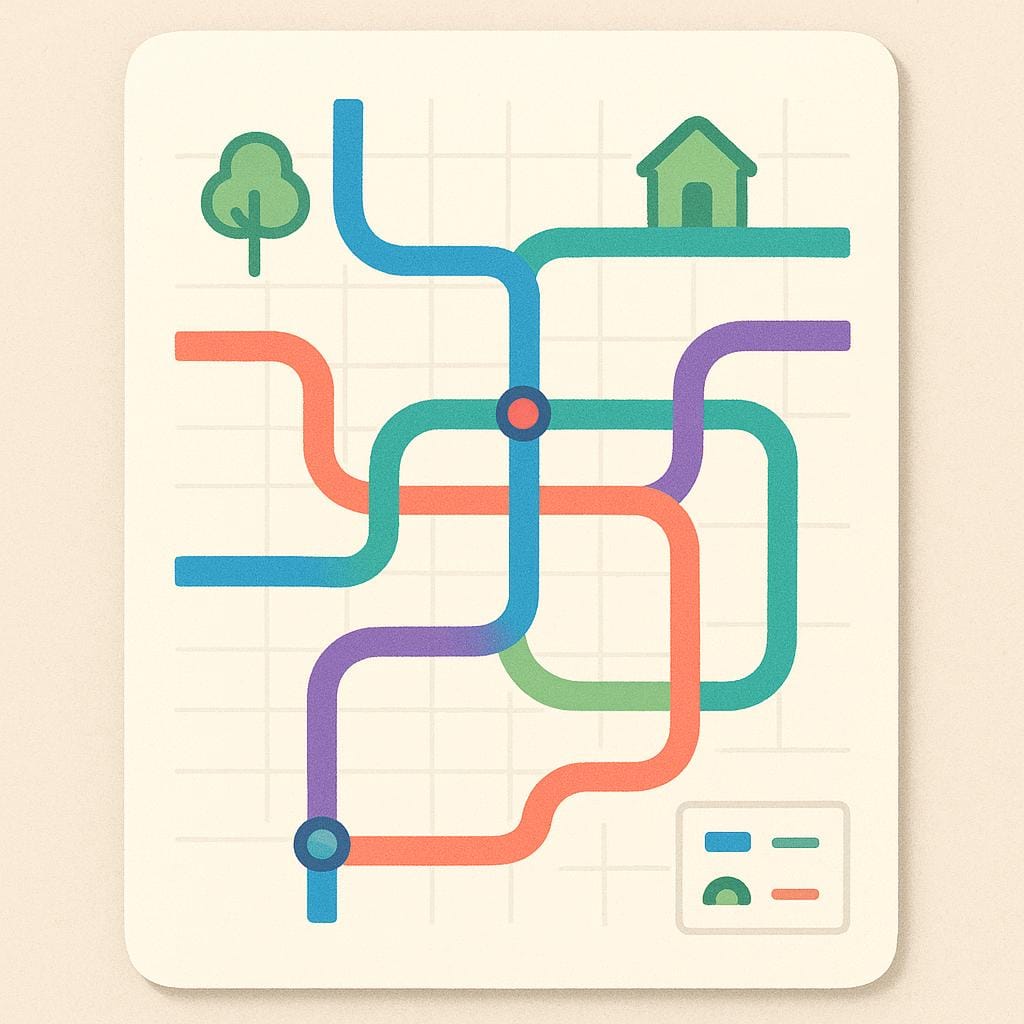
Perdí el plano de la ciudad y ahora no sé cómo volver.
I lost the map of the city and now I don't know how to get back.
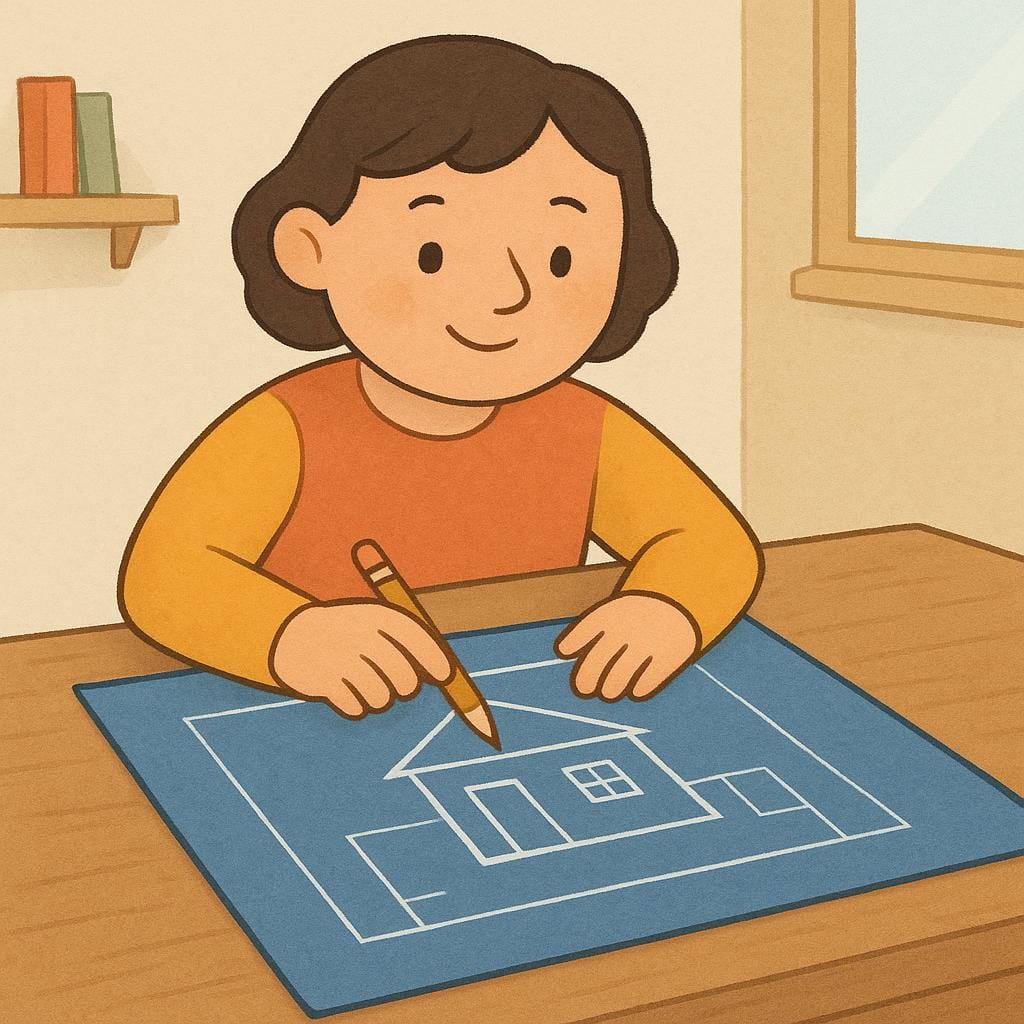
El ingeniero revisó el plano antes de empezar la construcción.
The engineer reviewed the blueprint before starting construction.
Mapa vs. Plano
Mistake: “Using 'mapa' for detailed architectural drawings.”
Correction: Use 'plano' when referring to technical drawings, floor plans, or detailed street layouts. 'Mapa' is usually reserved for geographical or large-scale maps.
piense
pee-EN-sehˈpjense
Examples
Dudo que ella piense casarse este año.
I doubt that she plans to get married this year.
Ojalá que usted piense en una solución diferente.
Hopefully, you (formal) will consider a different solution.
Planning Future Actions
When 'pensar' means 'to plan to do something,' it is often followed directly by another verb in its base form (infinitive), or by the preposition 'en' if followed by a noun or idea.
panorama
pah-noh-RAH-mahpanoˈɾama

Examples
¿Tienes algún panorama para este fin de semana?
Do you have any plans for this weekend?
Ir al cine es un excelente panorama para un día de lluvia.
Going to the movies is a great plan for a rainy day.
Hay muchos panoramas culturales en la ciudad este mes.
There are many cultural activities in the city this month.
Regional Meaning
In most of the Spanish-speaking world, this word means 'view.' Only in specific regions (like Chile) does it mean 'a fun plan.'
Regional Confusion
Mistake: “Using 'panorama' to mean 'social plan' in Spain.”
Correction: Use 'plan' in Spain. While people will understand you, it sounds very Chilean.
guión
Examples
El guión de la conferencia incluye tres oradores principales.
The conference outline includes three main speakers.
mapa
MAH-pahˈma.pa
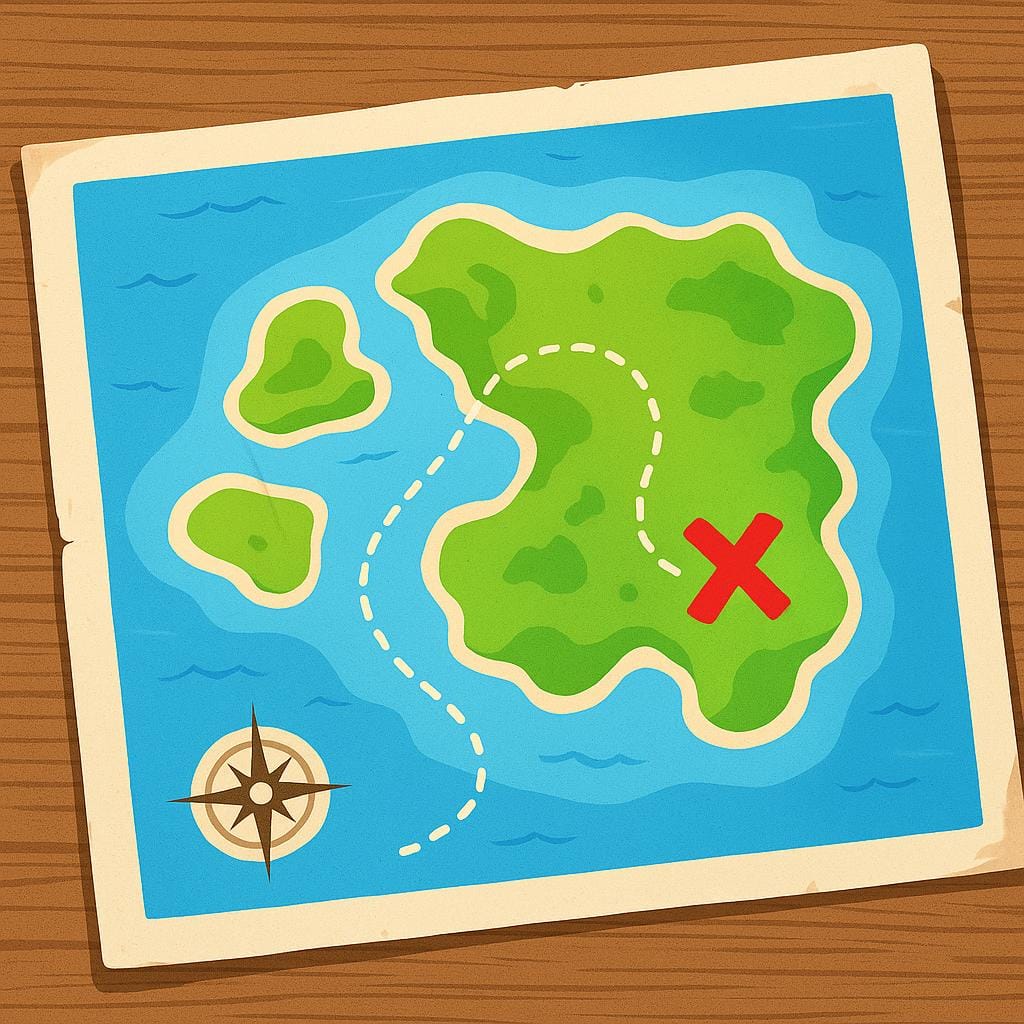
Examples
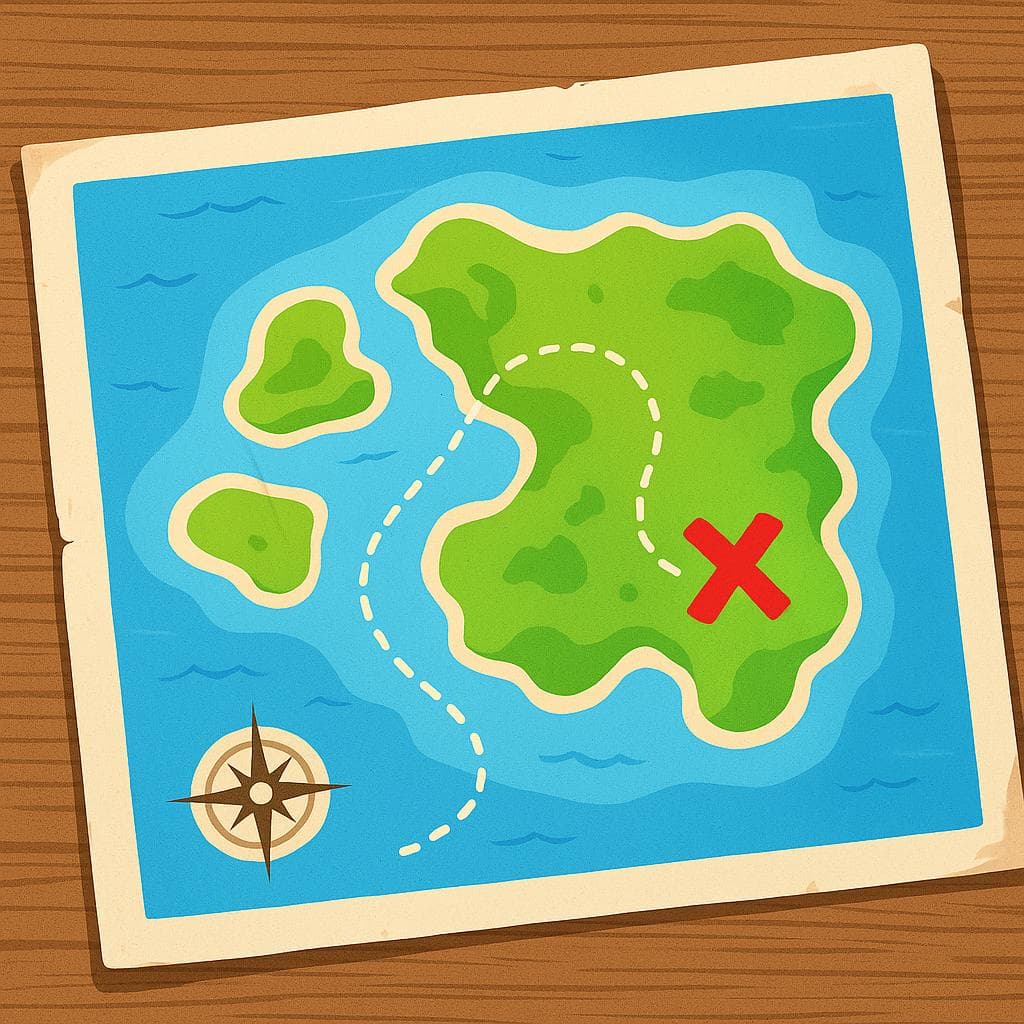
Necesitamos un mapa para encontrar el camino al pueblo.
We need a map to find the way to the town.
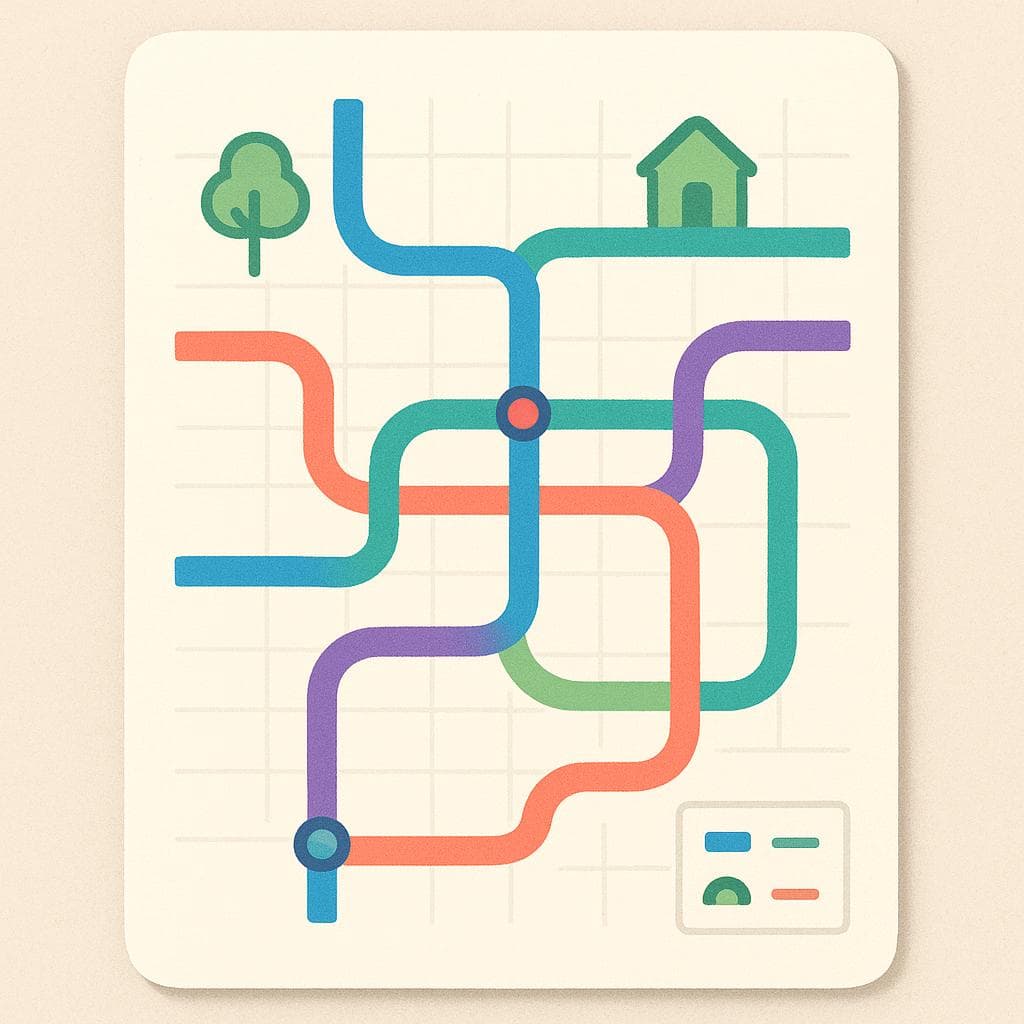
El mapa del metro es muy confuso.
The subway map is very confusing.
Presentaron el mapa de ruta para los próximos cinco años de la empresa.
They presented the roadmap (plan) for the company's next five years.
The Masculine Exception
Even though 'mapa' ends in -a, it is a masculine noun. This is because it comes from Greek. Always use 'el' or 'un' before it: 'el mapa', 'un mapa grande'.
Incorrect Gender
Mistake: “Dame la mapa, por favor.”
Correction: Dame el mapa, por favor. (Remember that words ending in -ma, like 'problema' and 'tema', are often masculine.)
Confusing 'plan' with 'proyecto' or 'diseño'
Learn Spanish with Inklingo
Interactive stories, personalized learning, and more.