How to Say "platter" in Spanish
The most common Spanish word for “platter” is “bandeja” — use 'bandeja' for a general-purpose tray, often rectangular, used for carrying or serving food and drinks, or for decorative purposes.

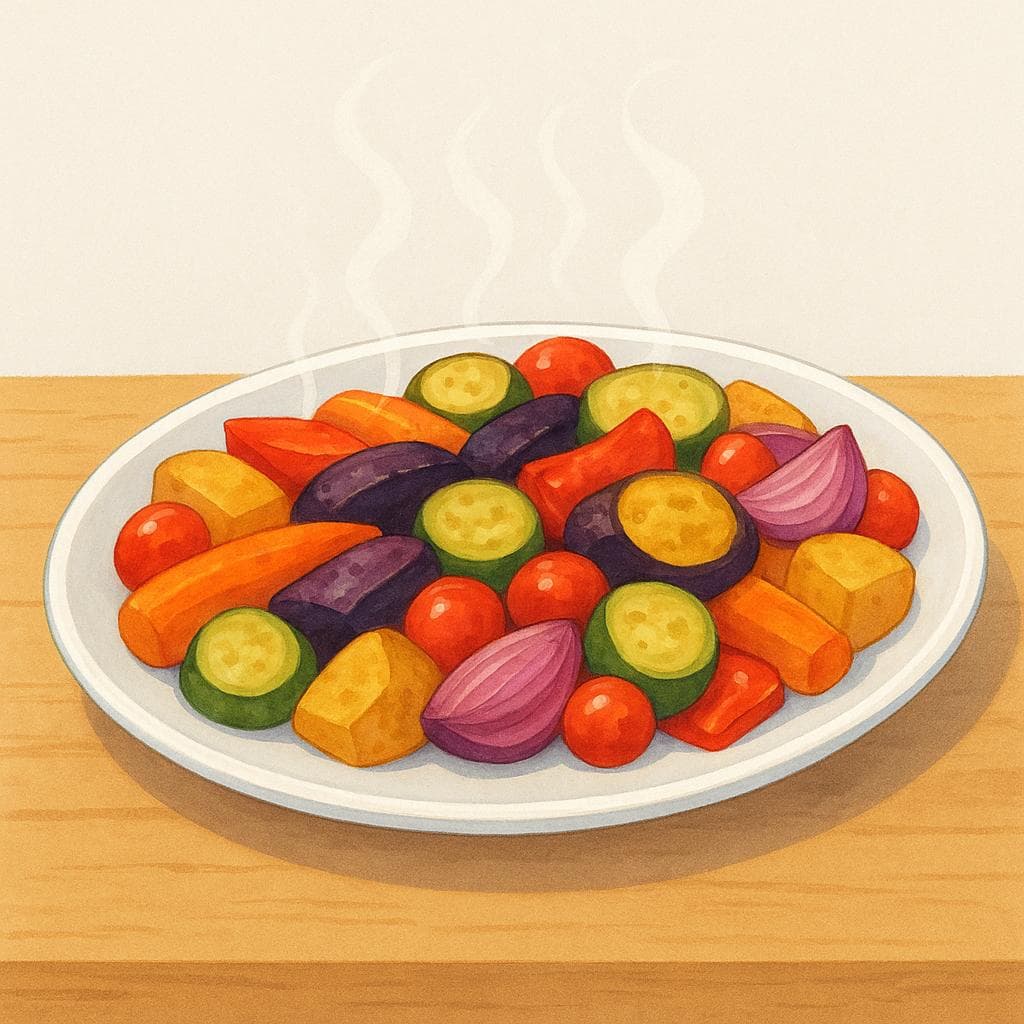
bandeja
bahn-DEH-hahbanˈdexa

Examples
El camarero trajo el café en una pequeña bandeja de plata.
The waiter brought the coffee on a small silver tray.
Por favor, pon todos los vasos sucios en la bandeja antes de llevarlos a la cocina.
Please put all the dirty glasses on the tray before taking them to the kitchen.
Gender Reminder
Remember that 'bandeja' is always feminine, requiring feminine articles and adjectives: la bandeja, una bandeja grande.
fuente
FWEHN-tehˈfwen̪.te
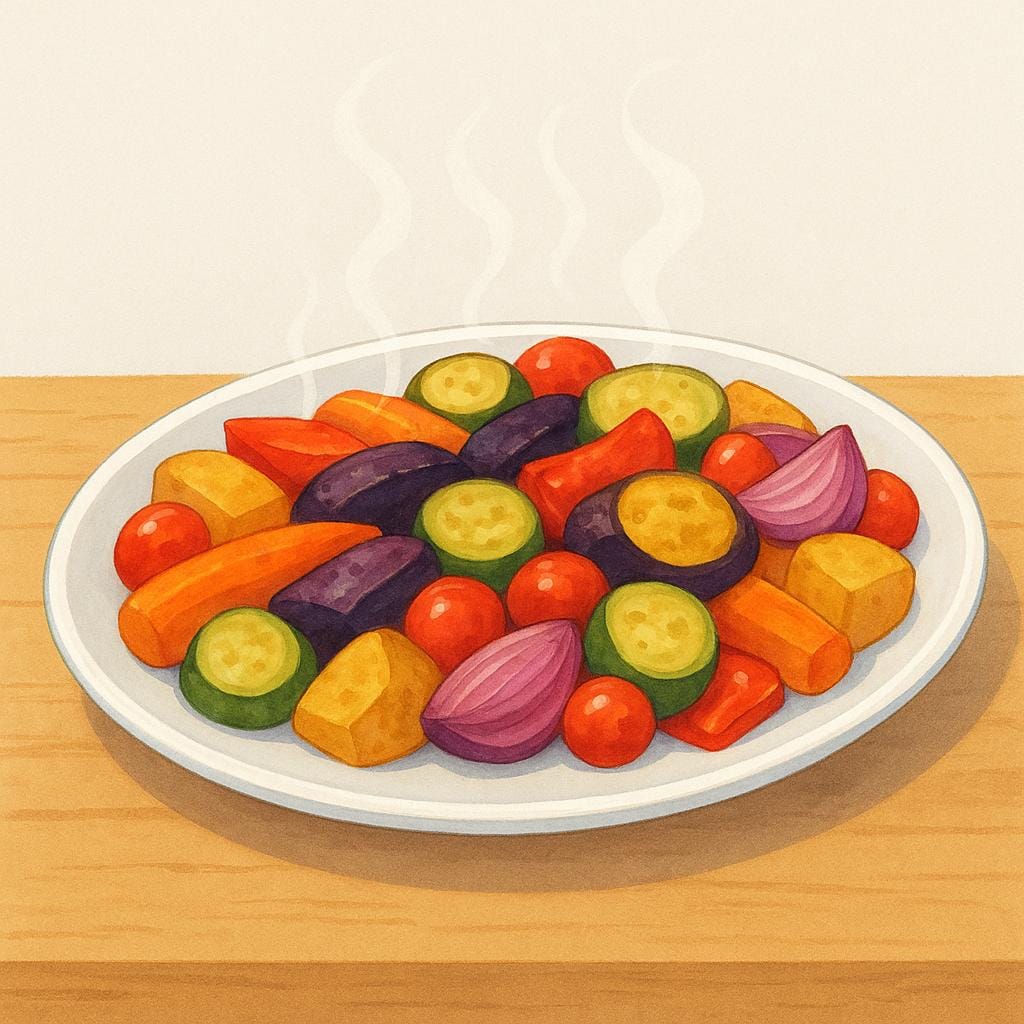
Examples
Sirve el pollo en la fuente grande, por favor.
Serve the chicken on the large serving dish, please.
La fuente de ensalada está casi vacía.
The salad bowl/platter is almost empty.
Context is Key
When you hear 'fuente' in a kitchen, it almost certainly means the vessel holding the food, not a water fountain!
Bandeja vs. Fuente for Serving Dishes
Learn Spanish with Inklingo
Interactive stories, personalized learning, and more.