How to Say "prop" in Spanish
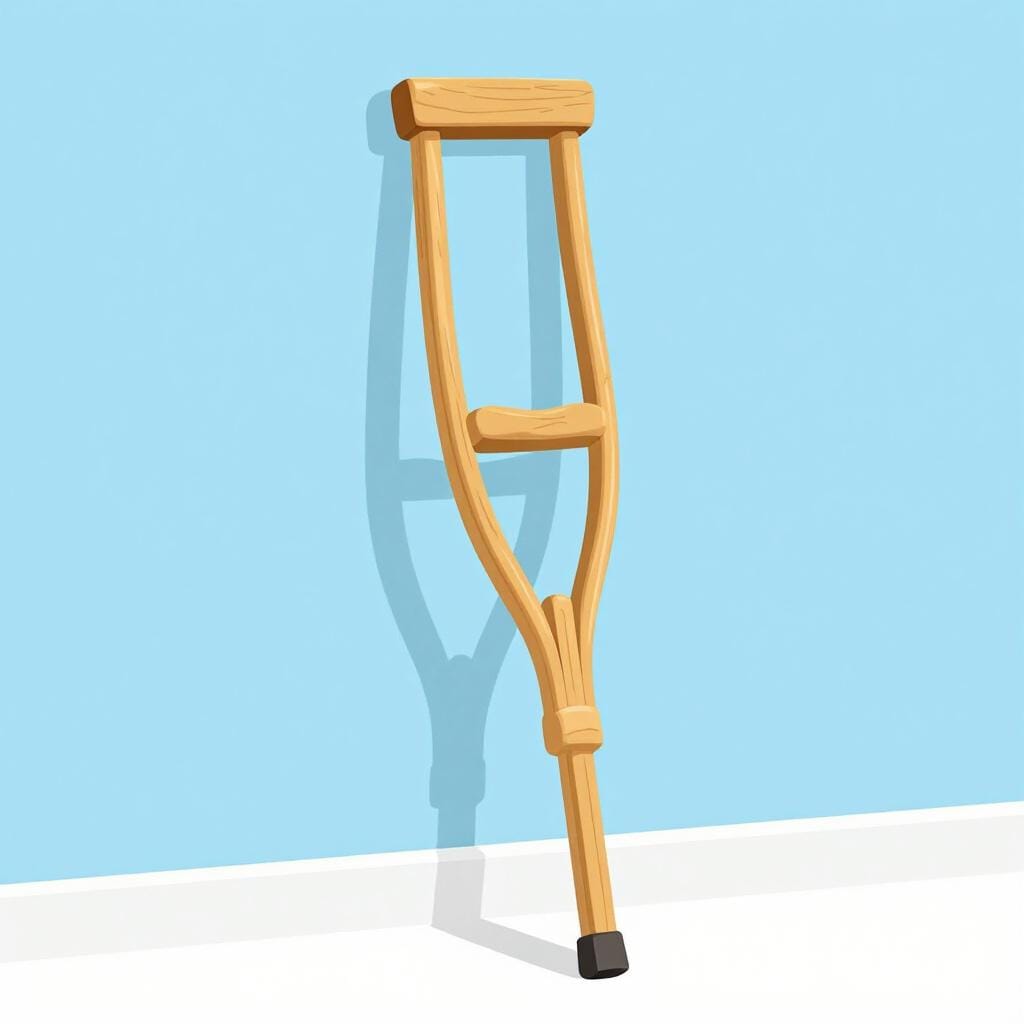
The most common Spanish word for “prop” is “muleta” — use 'muleta' when referring to a walking aid that someone leans on for support, like crutches.
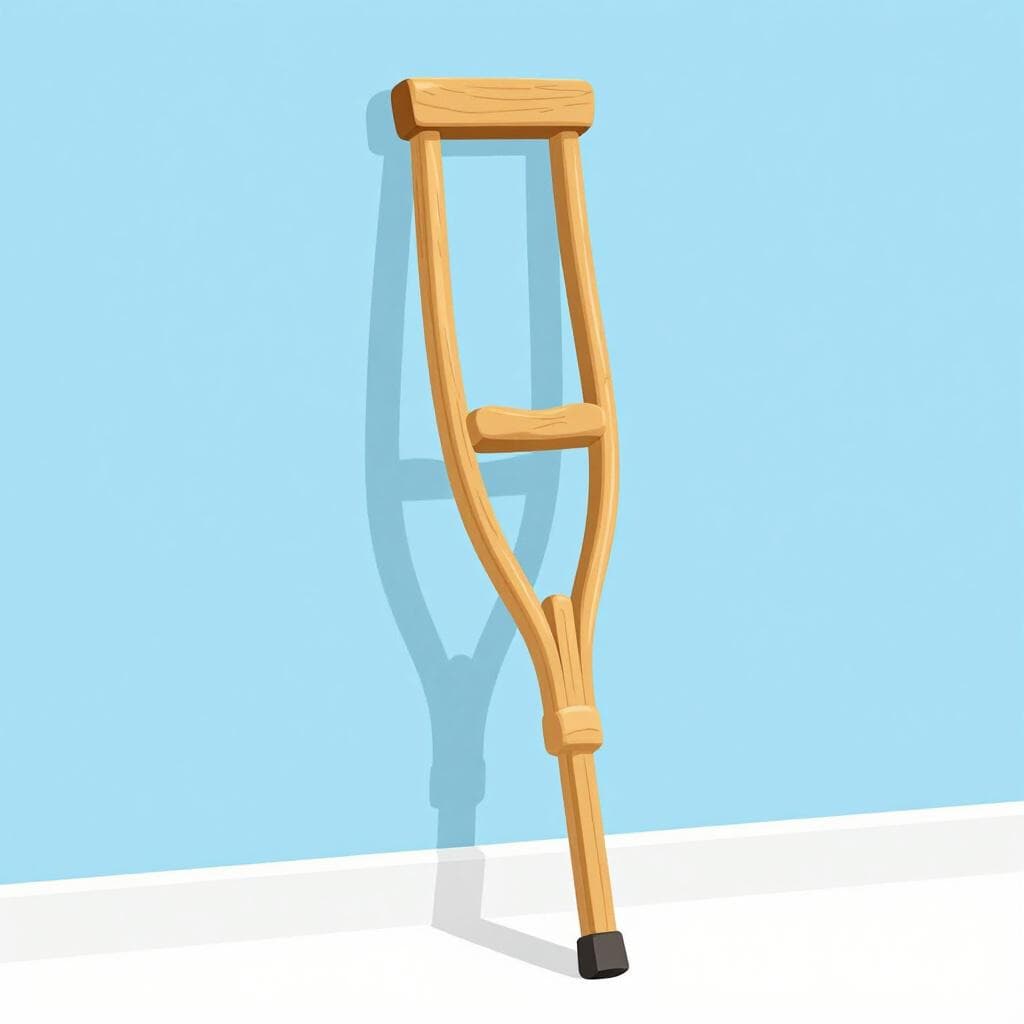


muleta
moo-LEH-tahmuˈleta
Examples
Después de la cirugía, tuve que caminar con muletas por un mes.
After the surgery, I had to walk with crutches for a month.
Se apoyó en su amigo como si fuera una muleta.
He leaned on his friend as if he were a crutch.
La enfermera me enseñó cómo ajustar la altura de la muleta.
The nurse showed me how to adjust the height of the crutch.
Always Feminine
Even if a man is using it, the word is always 'la muleta' because it refers to the object itself.
Usually Plural
Just like in English, you usually see this in the plural ('las muletas') because people typically use two at a time to walk.
Don't confuse with luggage
Mistake: “Using 'muleta' when you mean 'suitcase'.”
Correction: Say 'maleta' for a suitcase. 'Muleta' is for walking when you have a hurt leg.
tutor
too-TOREtuˈtoɾ

Examples
He puesto un tutor a los tomates para que crezcan rectos.
I've put a stake on the tomatoes so they grow straight.
adema
ah-DEH-mahaˈðema

Examples
Los mineros reforzaron el túnel con un adema de roble.
The miners reinforced the tunnel with an oak prop.
Es peligroso entrar si falta algún adema en la estructura.
It is dangerous to enter if any support beam is missing from the structure.
El ingeniero inspeccionó cada adema para asegurar la estabilidad.
The engineer inspected every strut to ensure stability.
Gender of Technical Nouns
'Adema' is a masculine noun. Even though it ends in 'a', you should use masculine words with it, like 'el adema' or 'un adema'.
Confusing with 'Ademán'
Mistake: “Using 'adema' to mean a gesture.”
Correction: Use 'ademán' for a physical gesture. 'Adema' is strictly for structural supports.
Distinguishing Walking Aids from Plant Supports
Related Translations
Learn Spanish with Inklingo
Interactive stories, personalized learning, and more.