How to Say "provisions" in Spanish
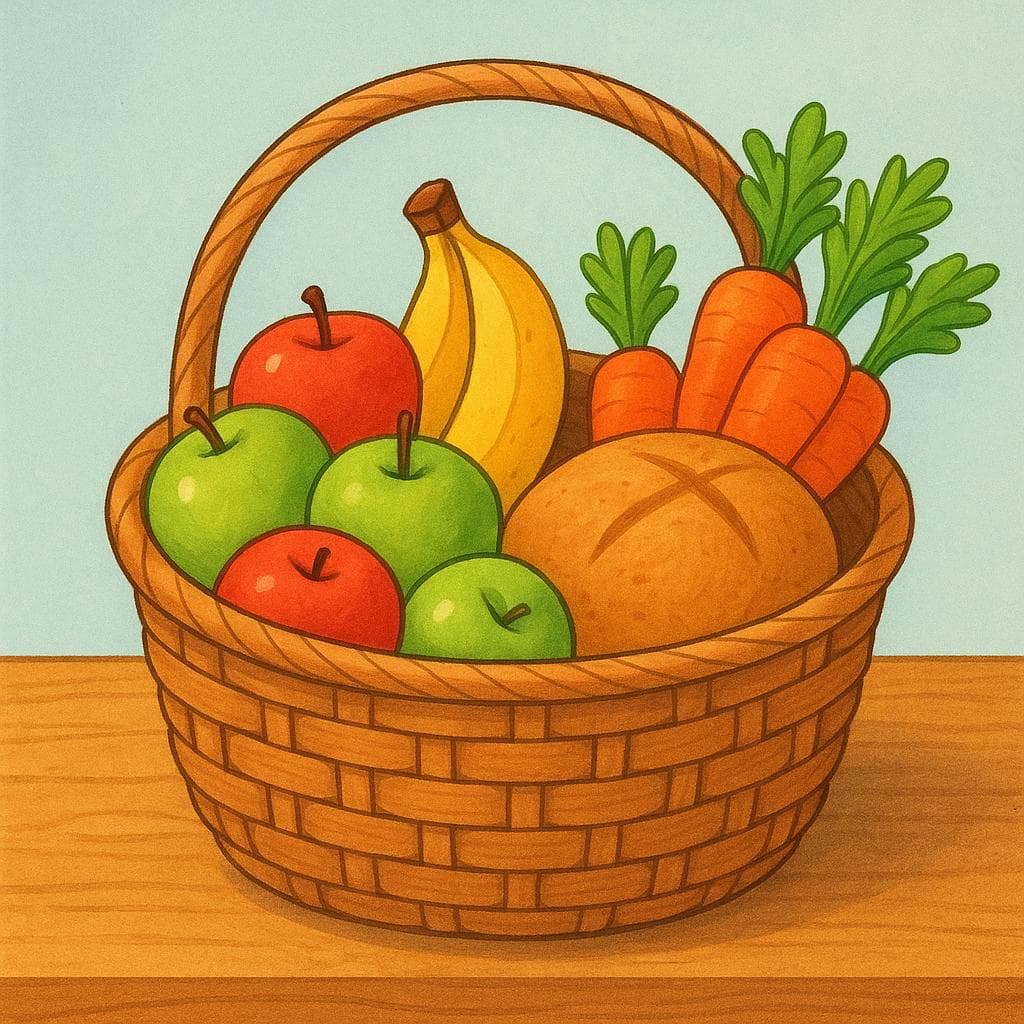
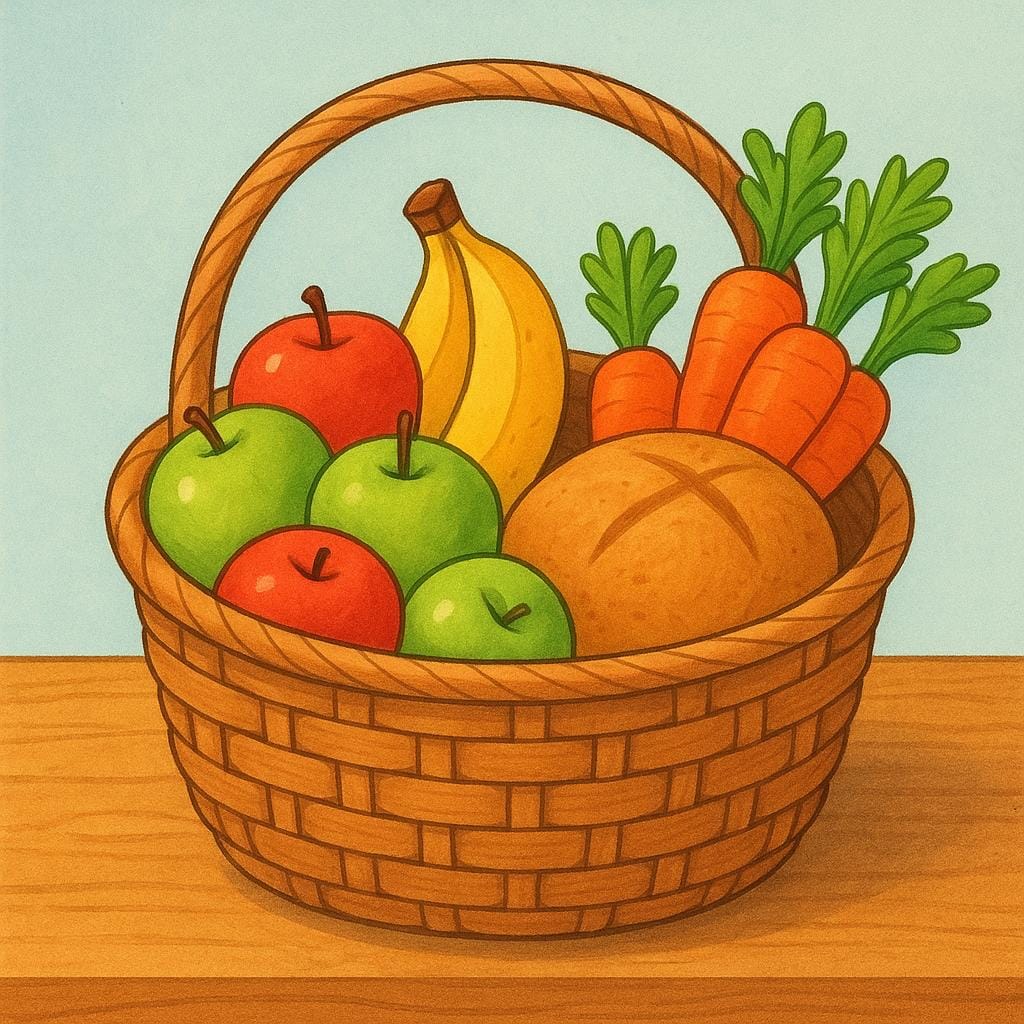
The most common Spanish word for “provisions” is “alimentos” — use this word when referring specifically to food items as a supply, especially fresh food needed for consumption.




alimentos
ah-lee-MEN-tohsaliˈmentos
Examples
Necesitamos comprar más alimentos frescos para la semana.
We need to buy more fresh food for the week.
La escasez de alimentos en la región es una crisis grave.
The food shortage in the region is a serious crisis.
Las etiquetas nutricionales detallan los componentes de los alimentos procesados.
The nutritional labels detail the components of processed foods.
Always Masculine Plural
Even though it refers to many different kinds of food, 'alimentos' is always treated as a masculine plural noun. Use 'los' or 'unos' with it.
Confusing 'alimentos' and 'comida'
Mistake: “Using 'alimentos' to mean a specific meal, like 'Vamos a comer alimentos.'”
Correction: Use 'comida' (meal) or 'almuerzo' (lunch) for specific eating events. 'Alimentos' refers to the substance or category of food itself.
comestible
ko-mes-TEE-blaykomesˈtiβle

Examples
Fuimos a la tienda de comestibles.
We went to the grocery store.
El precio de los comestibles ha subido mucho este año.
The price of groceries has gone up a lot this year.
Llevamos suficientes comestibles para acampar tres días.
We brought enough provisions to camp for three days.
Strength in Numbers
While it can be singular, you will almost always see this word in its plural form 'comestibles' when referring to food supplies or shopping.
Don't Forget the 'S'
Mistake: “Saying 'Compré un comestible'.”
Correction: Say 'Compré comestibles'. Just like 'groceries' in English, we usually talk about them as a group.
provisiones
pro-bee-syon-espɾoβiˈsjones

Examples
Compramos suficientes provisiones para pasar una semana en la montaña.
We bought enough supplies to spend a week in the mountains.
Antes de la tormenta, la gente agotó las provisiones en el supermercado.
Before the storm, people ran out of supplies in the supermarket.
El barco lleva provisiones de agua y comida para tres meses.
The ship carries water and food provisions for three months.
Always Plural?
While 'provisión' exists in the singular, you will almost always hear this word in its plural form, 'provisiones,' when referring to a collection of food or gear.
Provision vs. Provisioning
Mistake: “Using 'provisiones' to mean the act of providing.”
Correction: Use 'abastecimiento' for the act of providing, and 'provisiones' for the actual items (the food/water) themselves.
suministros
soo-mee-NEES-trohssumiˈnistros

Examples
Se agotaron los suministros médicos después del huracán.
The medical supplies ran out after the hurricane.
Necesitamos comprar más suministros de oficina, como papel y bolígrafos.
We need to buy more office supplies, like paper and pens.
La empresa gestiona la cadena de suministros para reducir costos.
The company manages the supply chain to reduce costs.
Always Plural in This Context
When talking about the general collection of needed items (like 'office supplies' or 'medical supplies'), Spanish almost always uses the plural form, 'los suministros'.
Related Verb
The noun comes from the verb 'suministrar,' which means 'to provide' or 'to supply.' This helps you remember that 'suministros' are the things being provided.
Confusing Singular/Plural
Mistake: “Using 'el suministro' when you mean 'the supplies' (a collection of things).”
Correction: Use 'los suministros' to talk about a collection of goods. 'El suministro' (singular) usually refers to the *act* of supplying or a single utility, like 'the electricity supply'.
condiciones
kon-dee-SYOH-nes/kon.diˈθjo.nes/ (Spain), /kon.diˈsjo.nes/ (Latin America)

Examples
Antes de comprar, lee las condiciones del servicio.
Before buying, read the terms of service.
Aceptamos las condiciones del contrato.
We accept the conditions of the contract.
Una de las condiciones para el préstamo es tener un buen historial crediticio.
One of the requirements for the loan is having a good credit history.
Always Plural
When referring to rules or terms, 'condiciones' is almost always used in the plural, even if English might use the singular 'condition' in some contexts.
Using the Singular for Rules
Mistake: “No entiendo la condición.”
Correction: No entiendo las condiciones. (Use the plural when referring to the full set of rules.)
Confusing Food vs. General Supplies
Related Translations
Learn Spanish with Inklingo
Interactive stories, personalized learning, and more.