How to Say "supplies" in Spanish
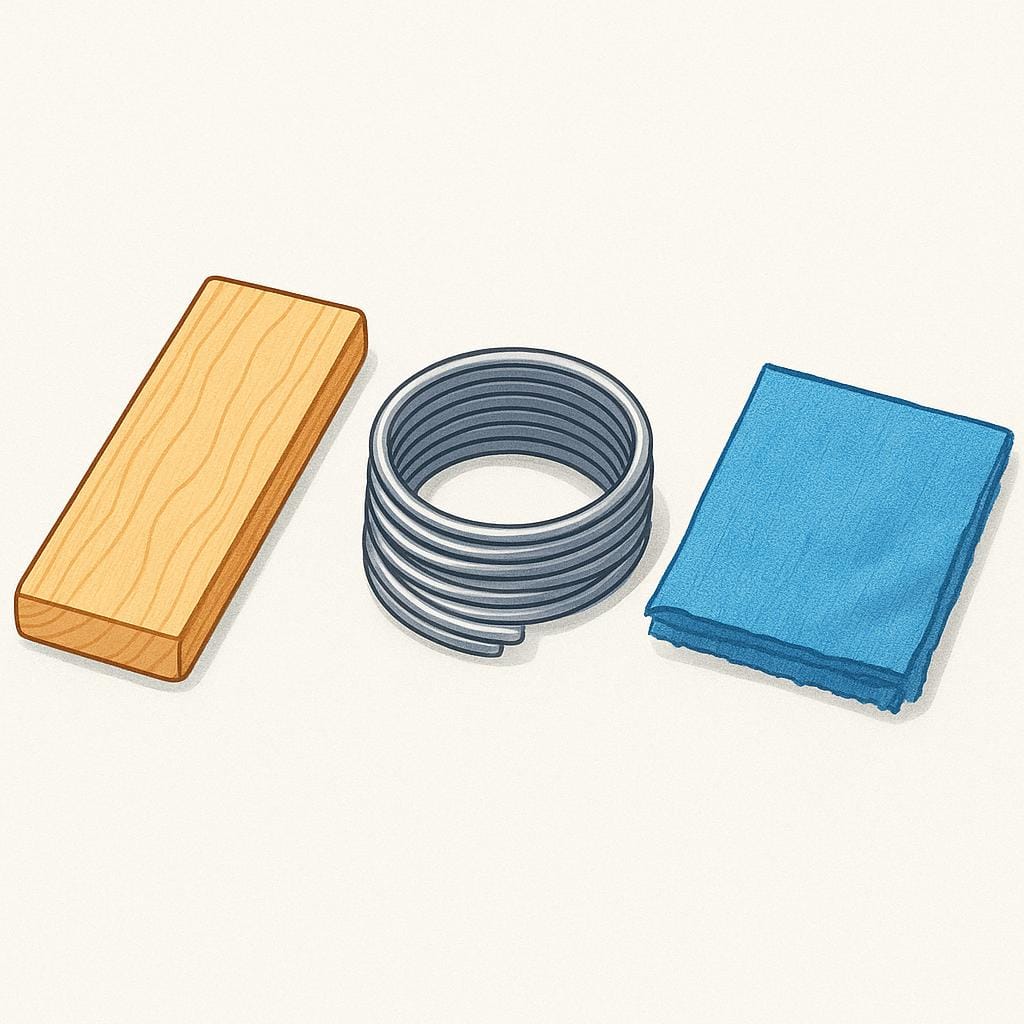
The most common Spanish word for “supplies” is “material” — use this for general equipment or resources needed for a specific task, especially common for school or craft-related items.
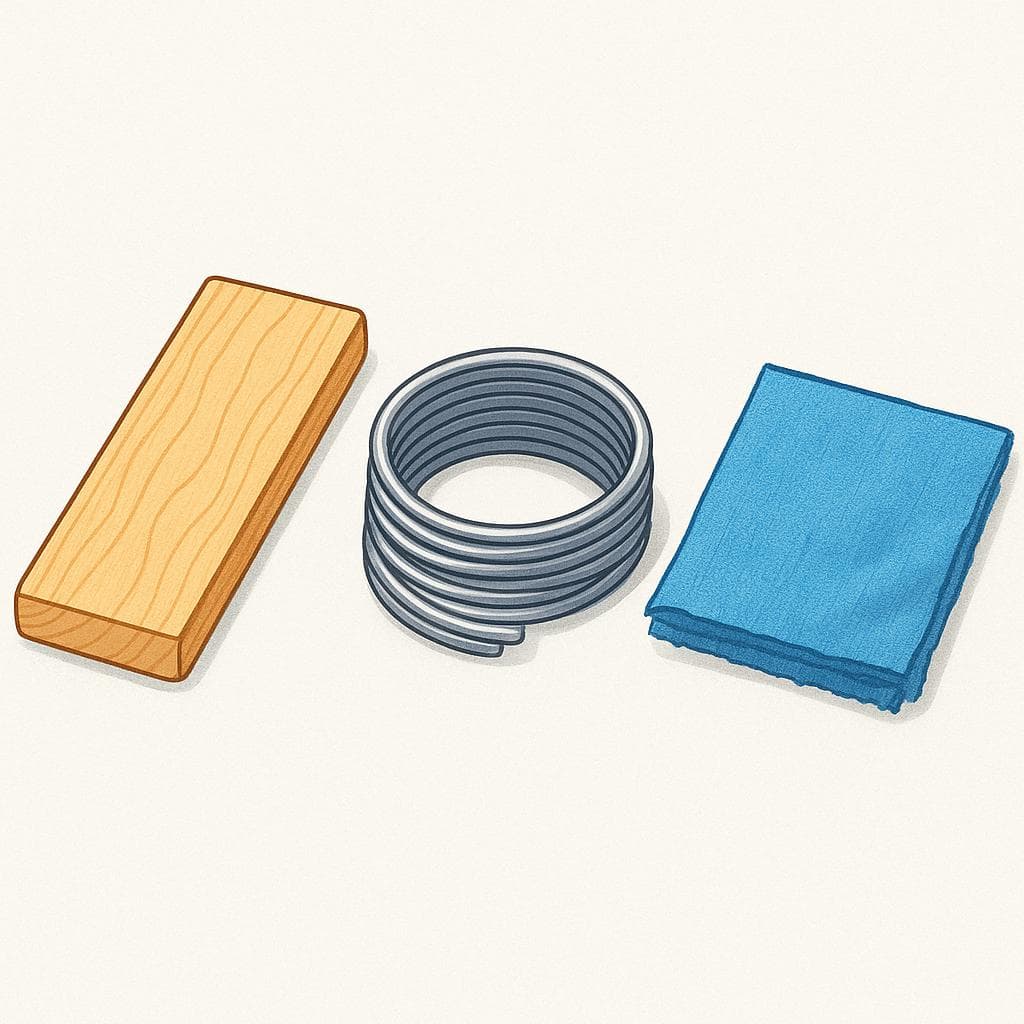
Use this for general equipment or resources needed for a specific task, especially common for school or craft-related items.
Learn more →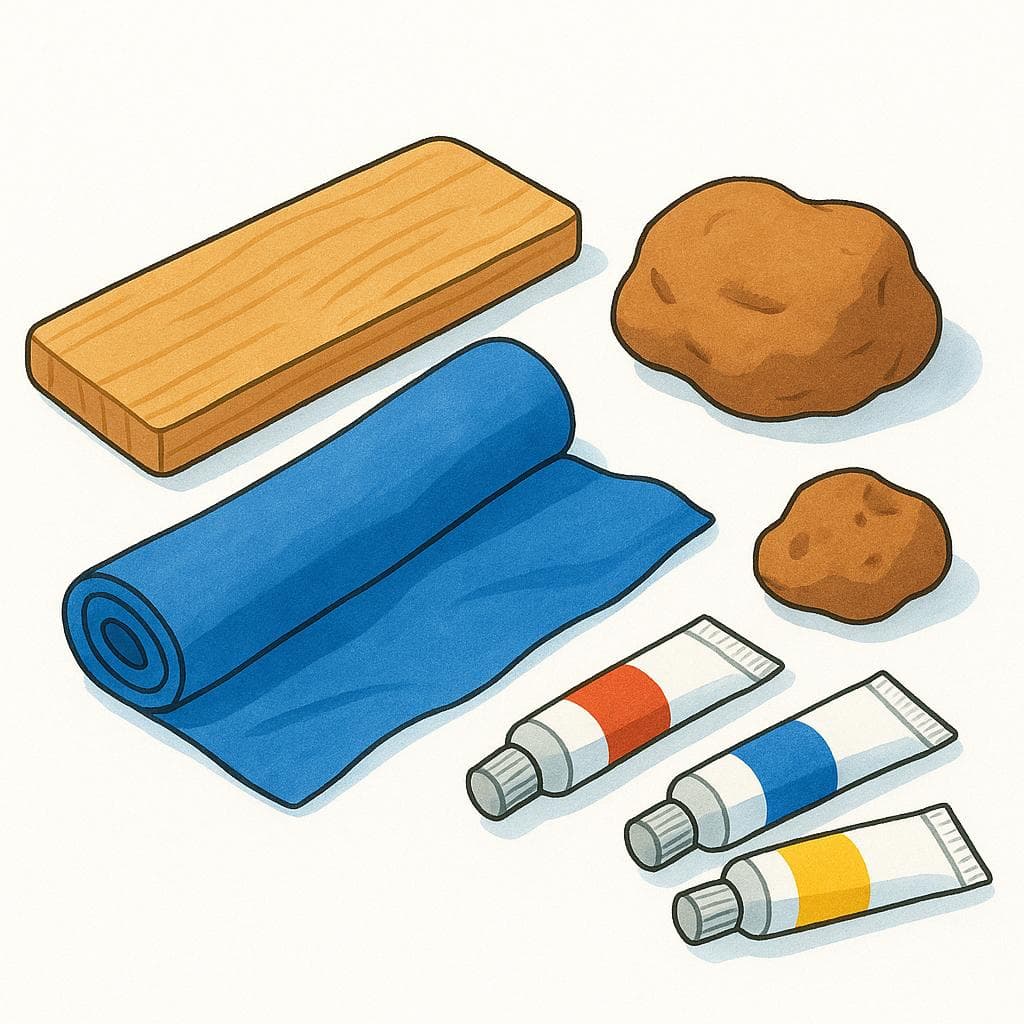
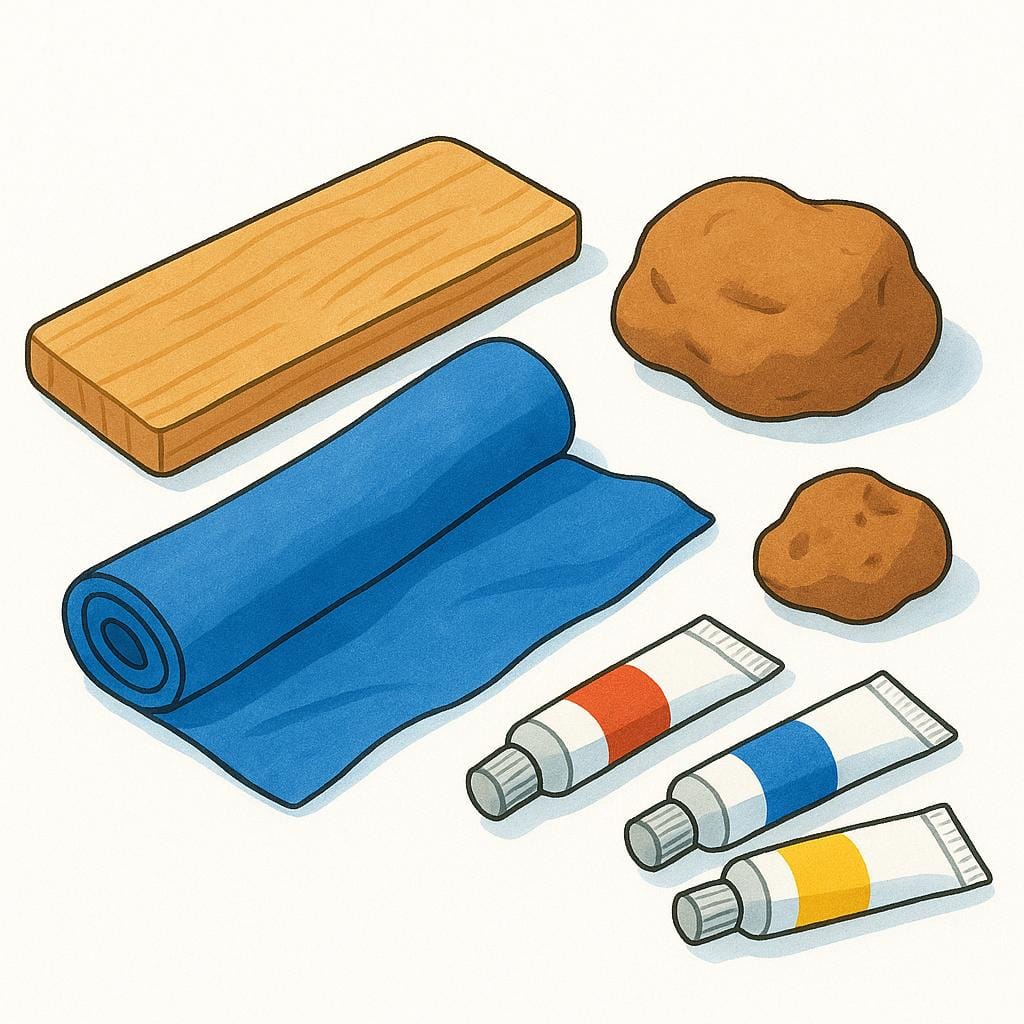
This plural form specifically refers to school, office, or art supplies that a student or artist might need.
Learn more →
This is a general, versatile term for necessary goods or resources, often used in contexts like emergencies, business, or technical fields.
Learn more →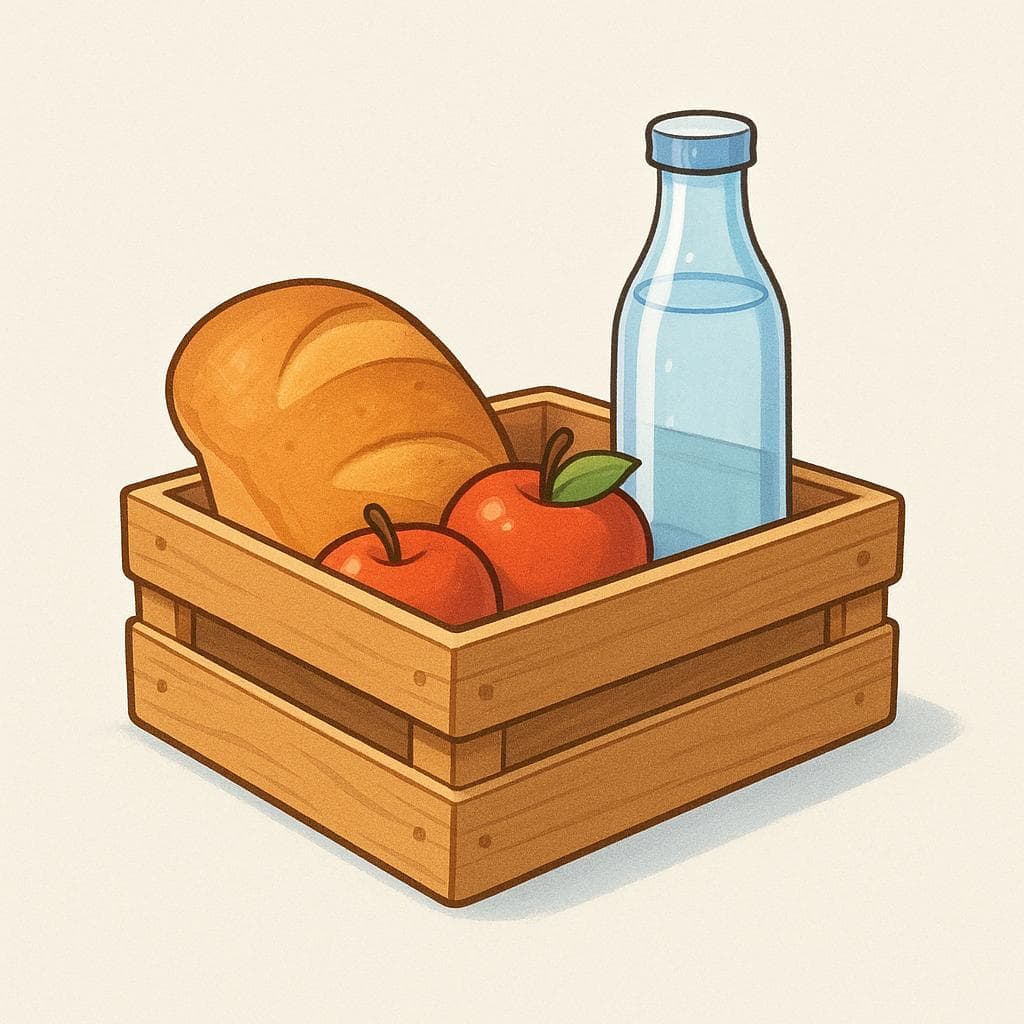
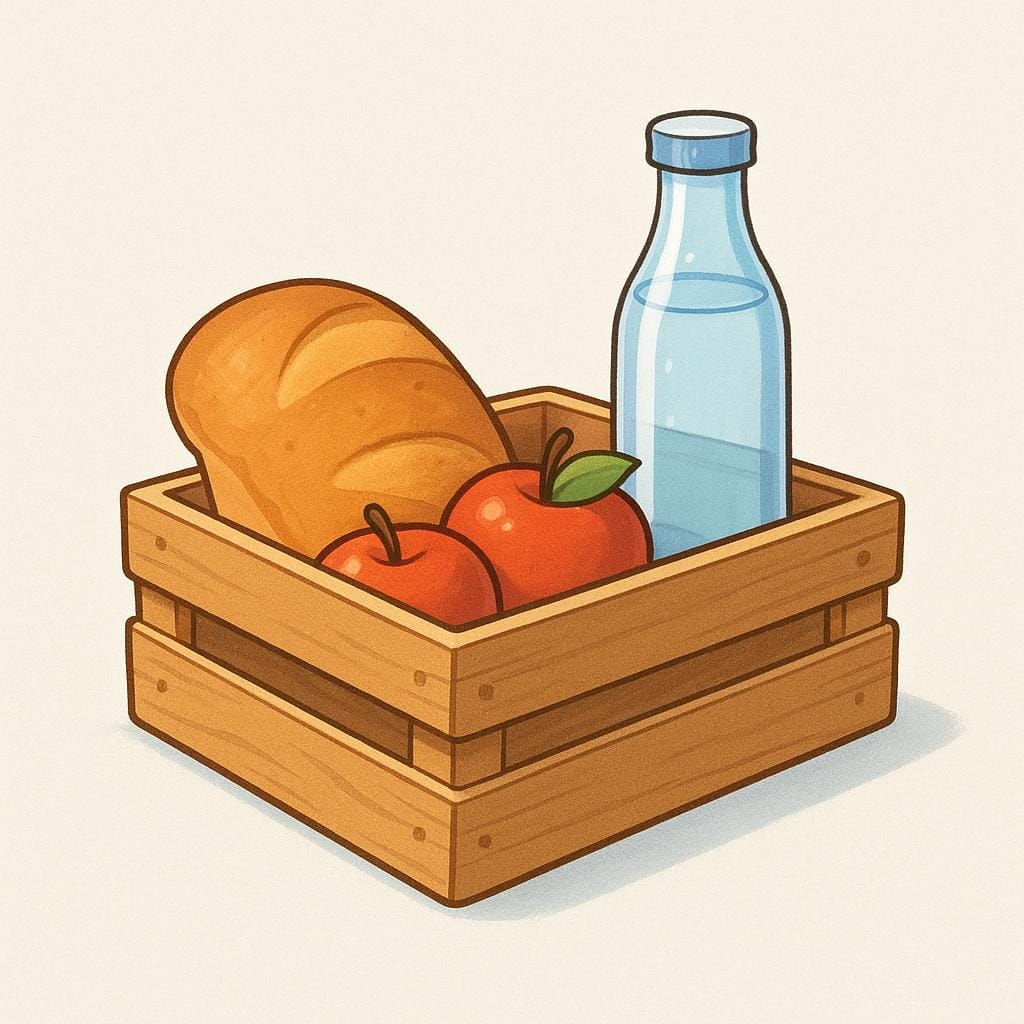
Use this when referring to food, water, and other essential items needed for a journey, a trip, or to sustain oneself during a specific situation.
Learn more →
This term refers to the available stock or inventory of a particular item in a store or warehouse.
Learn more →
This refers to resources that are stored or set aside for future use, often in large quantities like natural resources or strategic reserves.
Learn more →
This is the verb 'to offer' or 'to provide' and is used when something (like a service or a place) supplies or makes available certain things, often abstractly.
Learn more →mah-teh-ree-AHLma.teˈɾjal
Examples
Necesito comprar material escolar para el niño.
I need to buy school supplies for the child.
Este material es muy resistente al agua.
This material is very water resistant.
El carpintero tiene todo el material listo para empezar la obra.
The carpenter has all the equipment ready to start the work.
Gender Check
Even though it ends in -al, 'material' is a masculine noun. Always use 'el material' or 'un material'.
Using 'Materiales' for Everything
Mistake: “¿Tienes el material para el proyecto?”
Correction: When talking about general 'supplies' or 'stuff,' use the singular 'el material.' Use the plural 'los materiales' only if you mean distinct types of materials (e.g., 'madera y metal son materiales').
mah-teh-RYAH-lehsma.teˈɾja.les
Examples
Olvidé mis materiales escolares en casa.
I forgot my school supplies at home.
Necesitamos comprar los materiales de construcción para empezar la obra.
We need to buy the construction materials to start the work.
Los materiales didácticos están disponibles en línea.
The teaching resources are available online.
Always Plural for Supplies
When referring to 'supplies' or 'gear' in general, Spanish almost always uses the plural form 'materiales,' even if in English you might say 'material' (singular).
Mixing up 'Material' and 'Tela'
Mistake: “Using 'material' to mean 'fabric' or 'cloth.'”
Correction: Use 'tela' (fabric) or 'tejido' (textile) when talking about clothing or sewing. Use 'materiales' for general supplies or substances.
soo-mee-NEES-trohssumiˈnistros

Examples
Se agotaron los suministros médicos después del huracán.
The medical supplies ran out after the hurricane.
Necesitamos comprar más suministros de oficina, como papel y bolígrafos.
We need to buy more office supplies, like paper and pens.
La empresa gestiona la cadena de suministros para reducir costos.
The company manages the supply chain to reduce costs.
Always Plural in This Context
When talking about the general collection of needed items (like 'office supplies' or 'medical supplies'), Spanish almost always uses the plural form, 'los suministros'.
Related Verb
The noun comes from the verb 'suministrar,' which means 'to provide' or 'to supply.' This helps you remember that 'suministros' are the things being provided.
Confusing Singular/Plural
Mistake: “Using 'el suministro' when you mean 'the supplies' (a collection of things).”
Correction: Use 'los suministros' to talk about a collection of goods. 'El suministro' (singular) usually refers to the *act* of supplying or a single utility, like 'the electricity supply'.
pro-bee-syon-espɾoβiˈsjones
Examples
Compramos suficientes provisiones para pasar una semana en la montaña.
We bought enough supplies to spend a week in the mountains.
Antes de la tormenta, la gente agotó las provisiones en el supermercado.
Before the storm, people ran out of supplies in the supermarket.
El barco lleva provisiones de agua y comida para tres meses.
The ship carries water and food provisions for three months.
Always Plural?
While 'provisión' exists in the singular, you will almost always hear this word in its plural form, 'provisiones,' when referring to a collection of food or gear.
Provision vs. Provisioning
Mistake: “Using 'provisiones' to mean the act of providing.”
Correction: Use 'abastecimiento' for the act of providing, and 'provisiones' for the actual items (the food/water) themselves.
eh-sees-TEN-see-aheɡsisˈtenθja

Examples
El almacén tiene poca existencia de este modelo de teléfono.
The warehouse has low stock of this phone model.
Necesitamos contar la existencia semanal para el informe.
We need to count the weekly inventory for the report.
La tienda repuso las existencias agotadas ayer.
The store restocked the sold-out items (literally: exhausted stocks) yesterday.
Plural Form
When referring to multiple items or the general quantity of goods, 'existencia' is often used in the plural: 'las existencias'.
reh-SEHR-bahsreˈseɾβas

Examples
El país tiene grandes reservas de petróleo.
The country has large reserves of oil.
Las reservas de agua están peligrosamente bajas este verano.
Water supplies are dangerously low this summer.
El banco central aumentó sus reservas de oro.
The central bank increased its gold reserves.
Using 'Reservas' with Location
When talking about protected areas, 'reservas' is often followed by an adjective describing the type: 'reservas ecológicas' (ecological reserves).
oh-FREH-sehoˈfɾe.θe

Examples
Este hotel ofrece una vista espectacular del mar.
This hotel offers (provides) a spectacular view of the sea.
La nueva aplicación ofrece muchas funciones útiles.
The new application offers (features) many useful functions.
El mercado ofrece verduras frescas y productos locales.
The market provides fresh vegetables and local products.
Using 'Ofrece' for Features
When talking about products or places, 'ofrece' works like the English verb 'to feature' or 'to provide.' The subject (the product/place) is doing the action.
Confusing Offer/Provide
Mistake: “Mi casa da una vista bonita. (My house gives a nice view.)”
Correction: Mi casa ofrece una vista bonita. ('Ofrecer' is much more natural when referring to features or views.)
Material vs. Suministros
Learners often confuse 'material'/'materiales' with 'suministros'. Remember that 'material(es)' is usually for specific tasks like school or crafts, while 'suministros' is a broader term for essential goods in general contexts, especially emergencies or business.
Related Translations
Learn Spanish with Inklingo
Interactive stories, personalized learning, and more.