How to Say "raisin" in Spanish
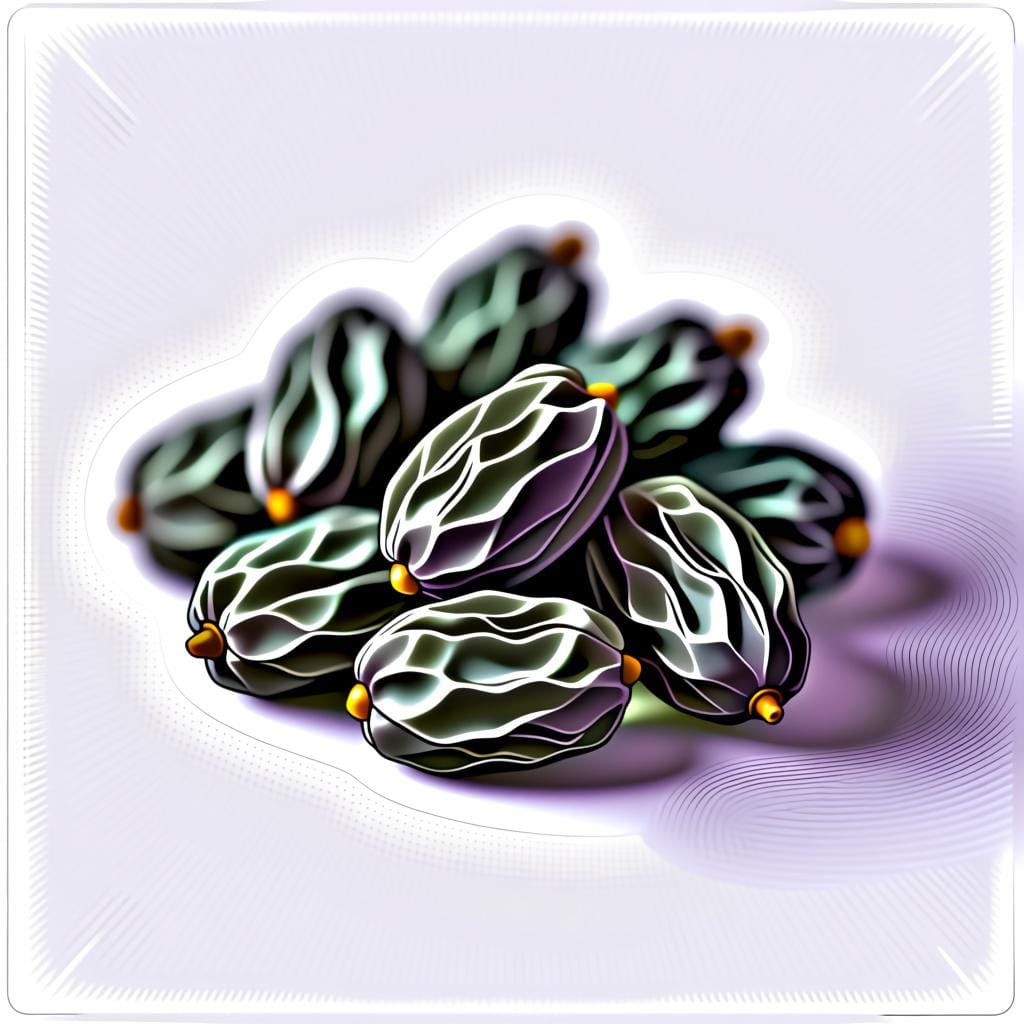
The most common Spanish word for “raisin” is “pasa” — use 'pasa' (plural 'pasas') when referring to a dried grape itself, typically found in baked goods or as a snack.
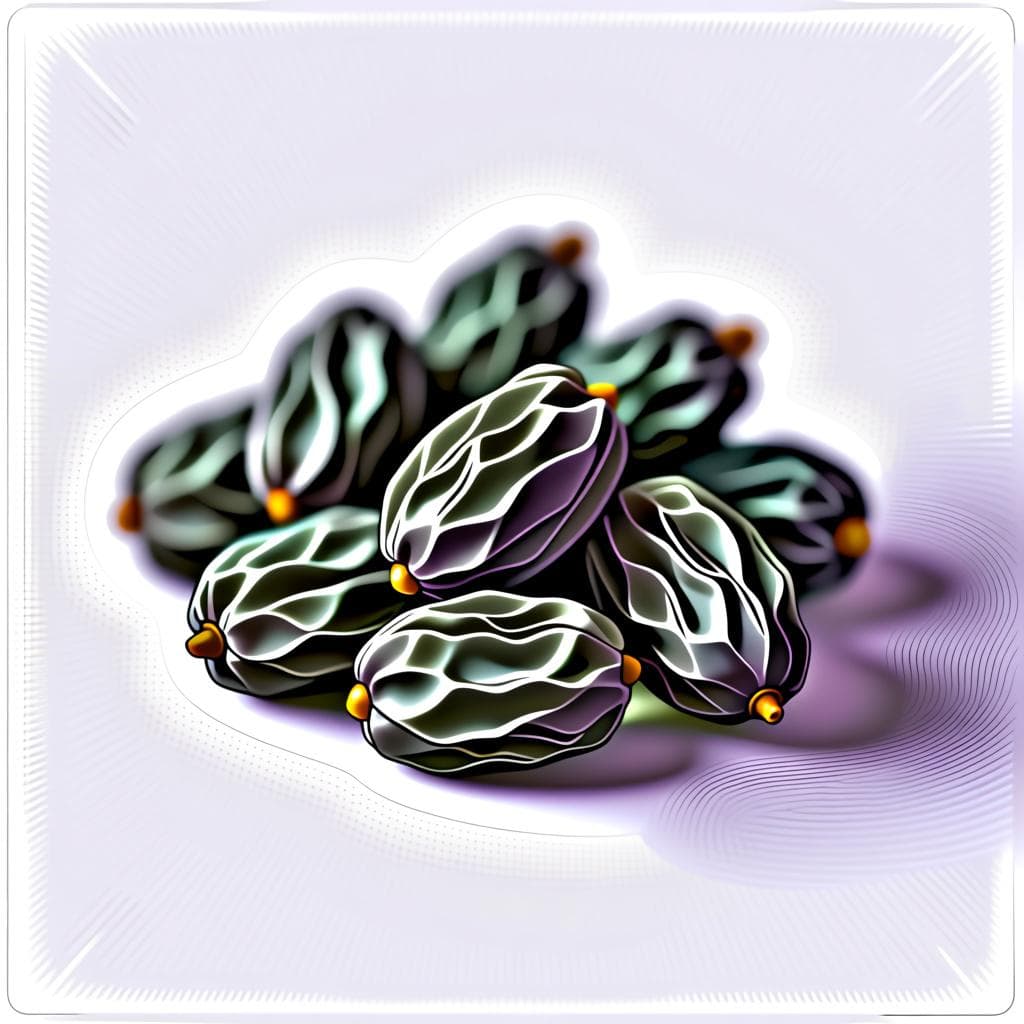
pasa
PAH-sahˈpa.sa
Examples
Me encantan las galletas con pasas.
I love cookies with raisins.
El niño no quería comerse la pasa.
The child didn't want to eat the raisin.
Para hacer este postre, necesitas un puñado de pasas.
To make this dessert, you need a handful of raisins.
Always Feminine
When talking about the fruit, 'pasa' is always a feminine word. So you'll say 'la pasa' for one or 'las pasas' for more than one.
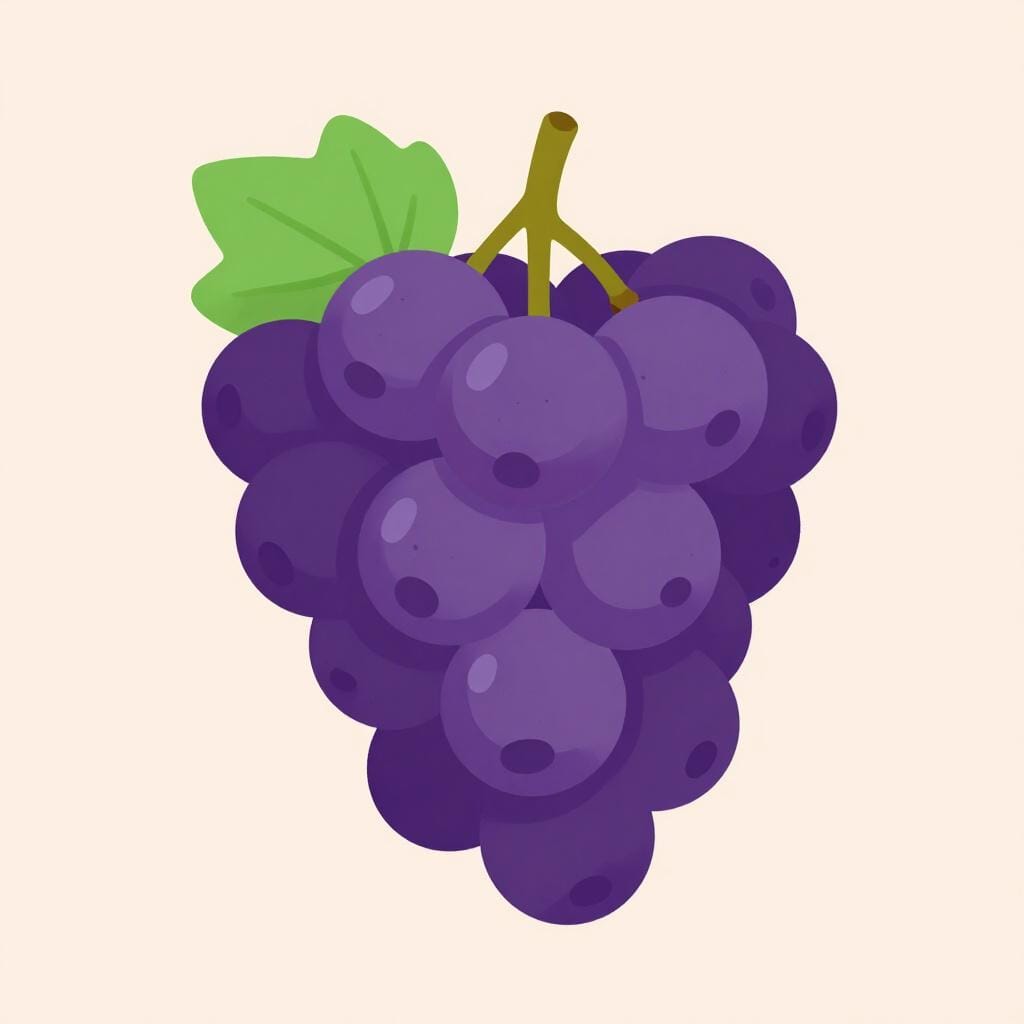
uva
oo-bahˈu.ba
Examples
Me gusta comer una uva verde después de cenar.
I like eating a green grape after dinner.
En España, comemos doce uvas para celebrar el Año Nuevo.
In Spain, we eat twelve grapes to celebrate the New Year.
El campesino está recolectando la uva para hacer vino.
The farmer is harvesting the grapes to make wine.
Feminine Naming Word
This word is feminine, so you should always use 'la' or 'una' with it (la uva, una uva).
Plural Form
To talk about more than one, simply add an 's' to the end: 'las uvas'.
Grapes vs. Raisins
Mistake: “Me gustan las uvas secas.”
Correction: Say 'Me gustan las uvas pasas'. In Spanish, we use the specific word 'pasa' to describe a dried grape.
Confusing 'uva' with 'pasa'
Related Translations
Learn Spanish with Inklingo
Interactive stories, personalized learning, and more.