How to Say "it happens" in Spanish
The most common Spanish word for “it happens” is “pasa” — use 'pasa' for everyday, common occurrences or when asking 'What's happening?' in a casual context.


pasa
PAH-sahˈpa.sa
Examples
¿Qué pasa?
What's happening?
El autobús pasa a las diez.
The bus passes at ten.
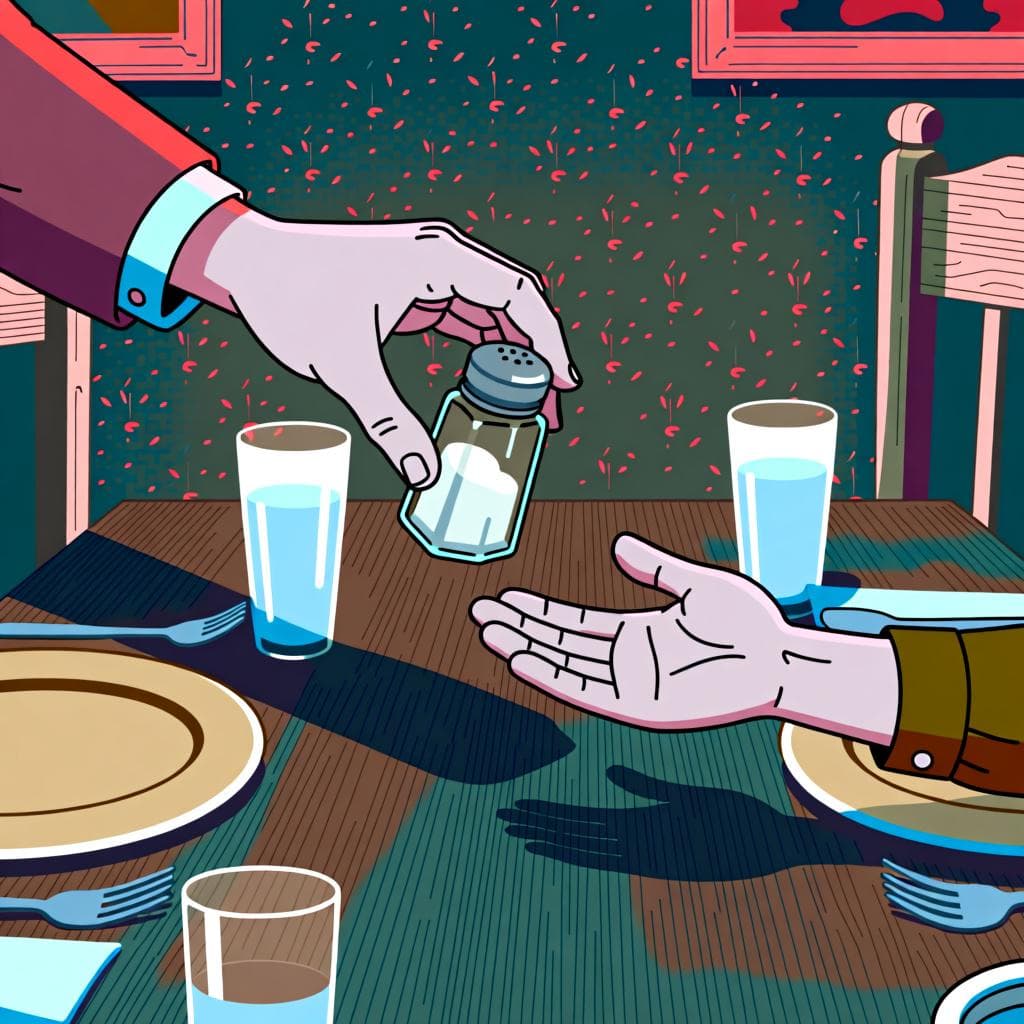
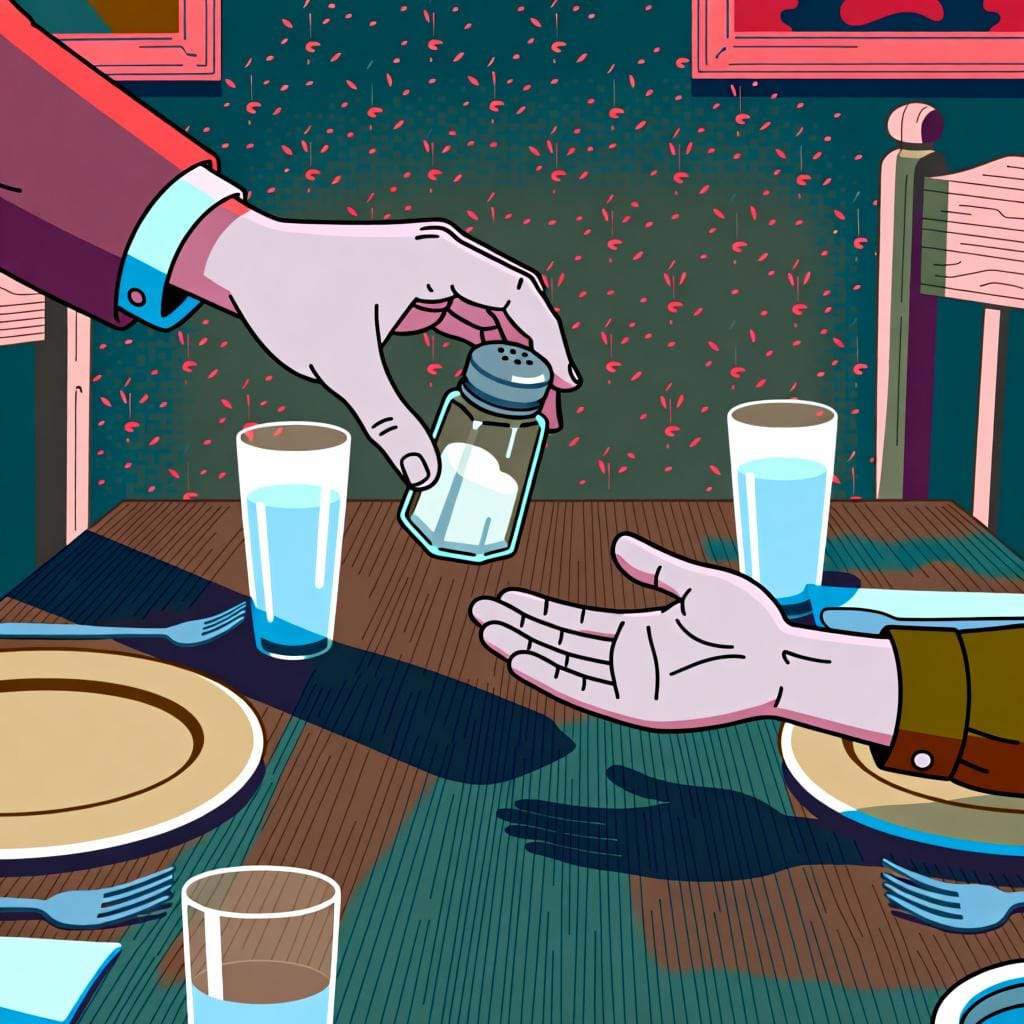
Pasa la sal, por favor.
Pass the salt, please.
Two Forms in One
'Pasa' can be a statement about someone else ('él pasa' - he passes) or a command you give to a friend ('tú pasa' - pass!). The context and tone of voice make the meaning clear.
The Super-Verb 'Pasar'
'Pasa' comes from 'pasar,' a verb you'll see everywhere. It can mean 'to pass,' 'to happen,' 'to spend time,' or 'to enter,' depending on the situation.
Asking 'What's up?'
Mistake: “¿Qué es pasa?”
Correction: ¿Qué pasa? The verb 'ser' (is) isn't needed here. Spanish just asks 'What happens?' directly.
ocurre
oh-KOO-rrehoˈkure

Examples
¿Qué ocurre aquí?
What's happening here?
¿Qué ocurre?
What's happening?
El accidente ocurrió en la mañana.
The accident occurred in the morning.
No te preocupes, no ocurre nada.
Don't worry, nothing is happening.
Mostly for 'It'
Although you can say 'yo ocurro' (I happen), this verb is most often used in the third person ('él/ella/usted' form) to mean 'it happens' or 'they happen'.
sucede
su-SEH-dehsuˈse.de

Examples
No sé cómo sucede esto.
I don't know how this happens.
¿Qué sucede aquí?
What's happening here?
Algo extraño sucede en esa casa.
Something strange is happening in that house.
No te preocupes, eso sucede a menudo.
Don't worry, that happens often.
Just for 'It' or 'That'
'Sucede' is most often used to mean 'it happens.' In Spanish, you don't need to add a word for 'it' because the verb ending already includes that idea. So, 'Sucede a menudo' means 'It happens often.'
'Sucede' vs. 'Pasar'
Mistake: “Using 'sucede' in very casual situations where 'pasar' is more natural.”
Correction: In a casual chat, you're more likely to hear '¿Qué pasa?' (What's up?). '¿Qué sucede?' is perfectly correct but sounds a little more neutral or serious. Think of 'pasar' as your everyday choice and 'suceder' for when you're describing an event or situation.
Pasa vs. Ocurre/Sucede
Related Translations
Learn Spanish with Inklingo
Interactive stories, personalized learning, and more.