How to Say "it follows" in Spanish
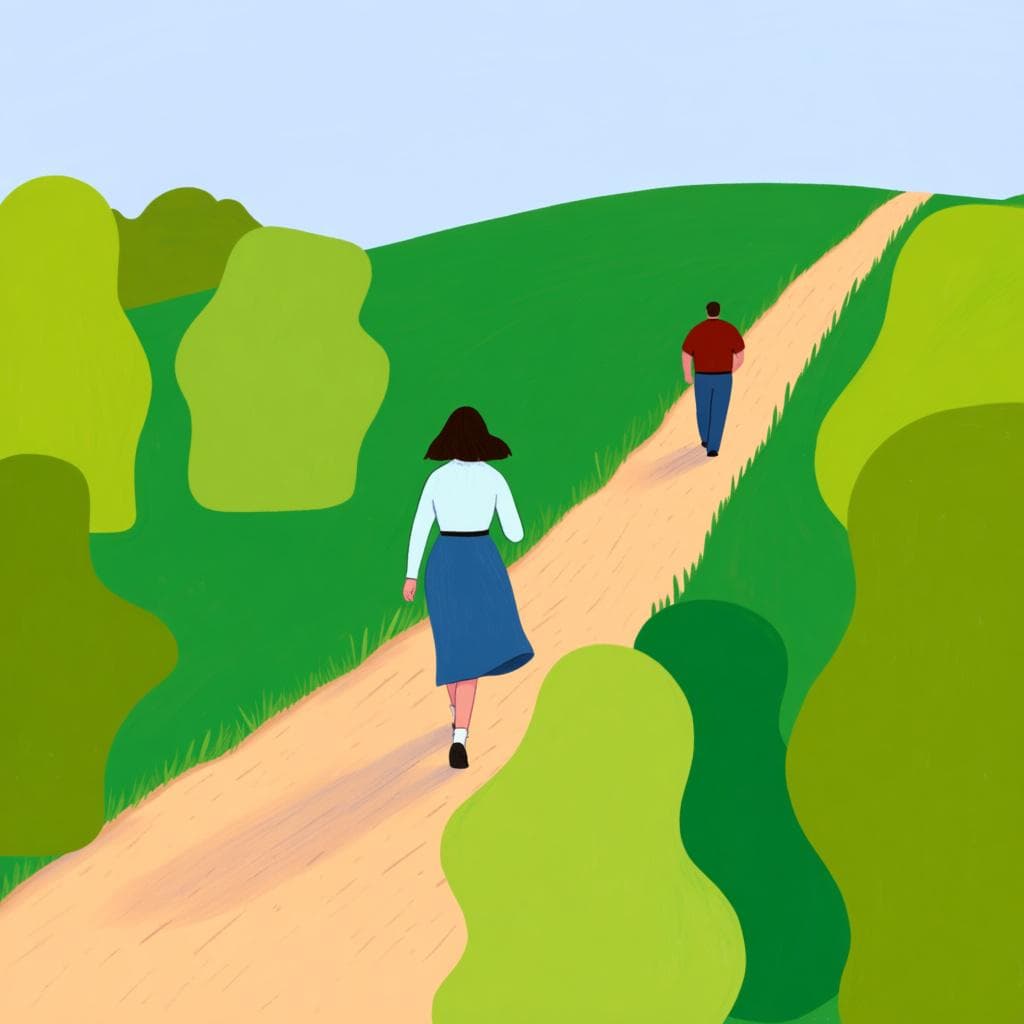
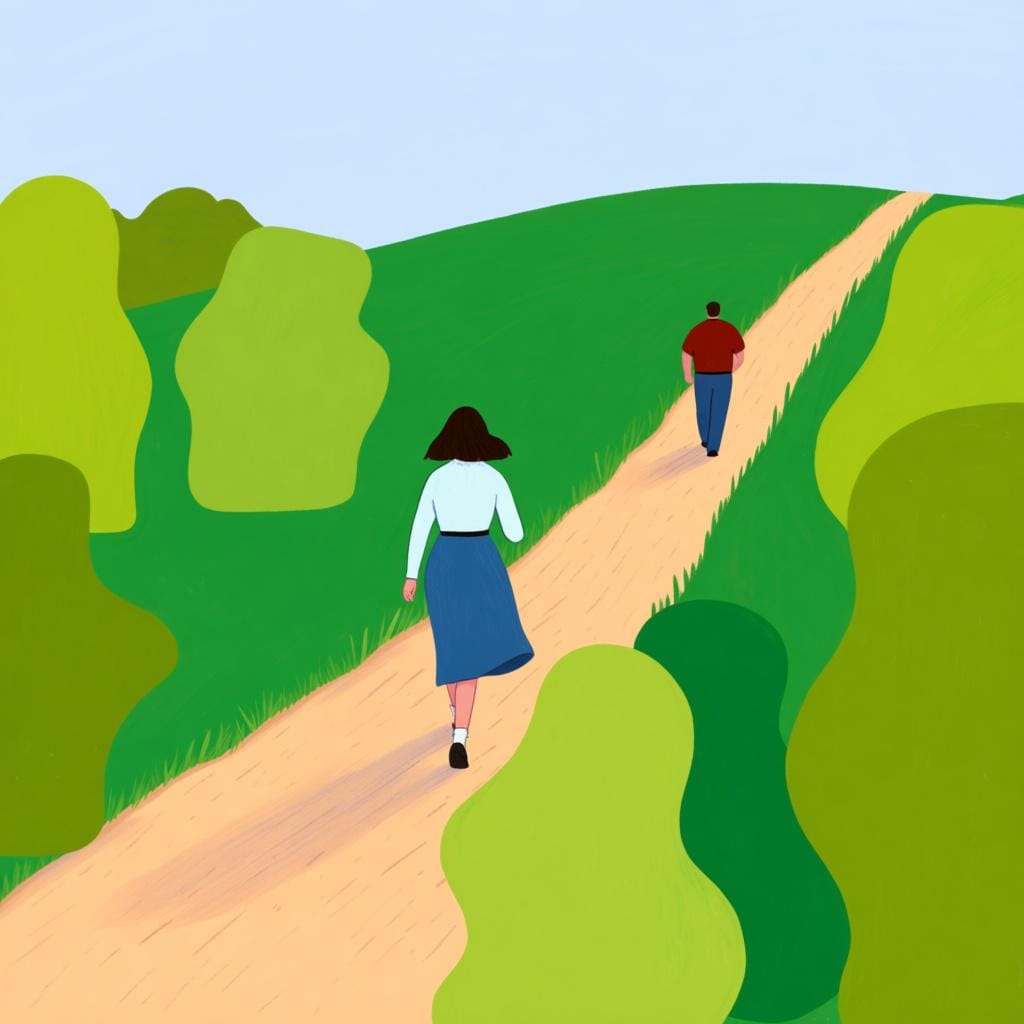
The most common Spanish word for “it follows” is “sigue” — use 'sigue' when referring to a person, animal, or object physically moving behind or accompanying someone or something else.
see-gehˈsi.ɣe
Examples
El niño sigue a su madre por la tienda.
The child follows his mother through the store.
El perro siempre sigue a su dueño al parque.
The dog always follows its owner to the park.
Usted sigue al guía, por favor.
You follow the guide, please.
The 'e' to 'i' Vowel Change
The verb 'seguir' is a bit tricky. In many forms, like 'sigo' (I follow) and 'sigue' (he/she follows), the 'e' in the stem changes to an 'i'. But notice it doesn't change for 'nosotros' (seguimos)!
su-SEH-dehsuˈse.de
Examples
La noche sucede al día.
Night follows day.
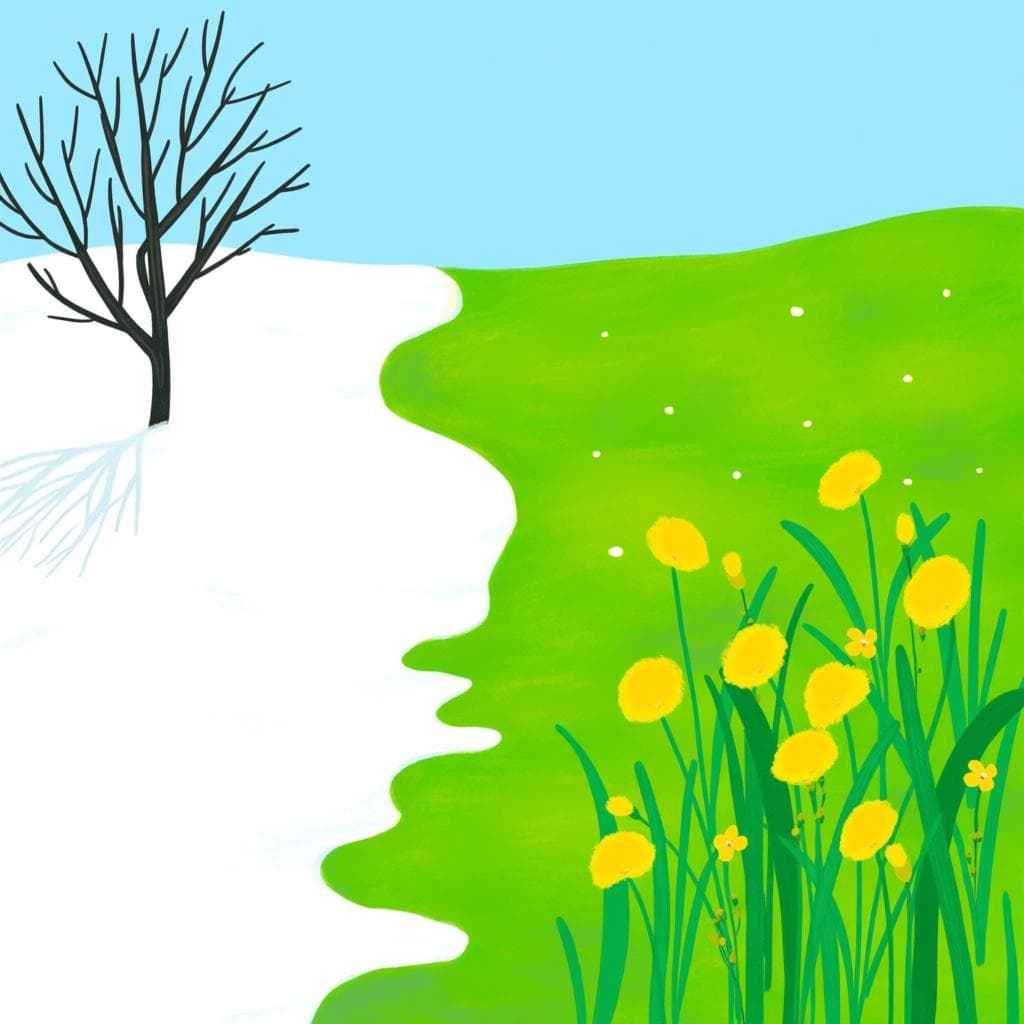
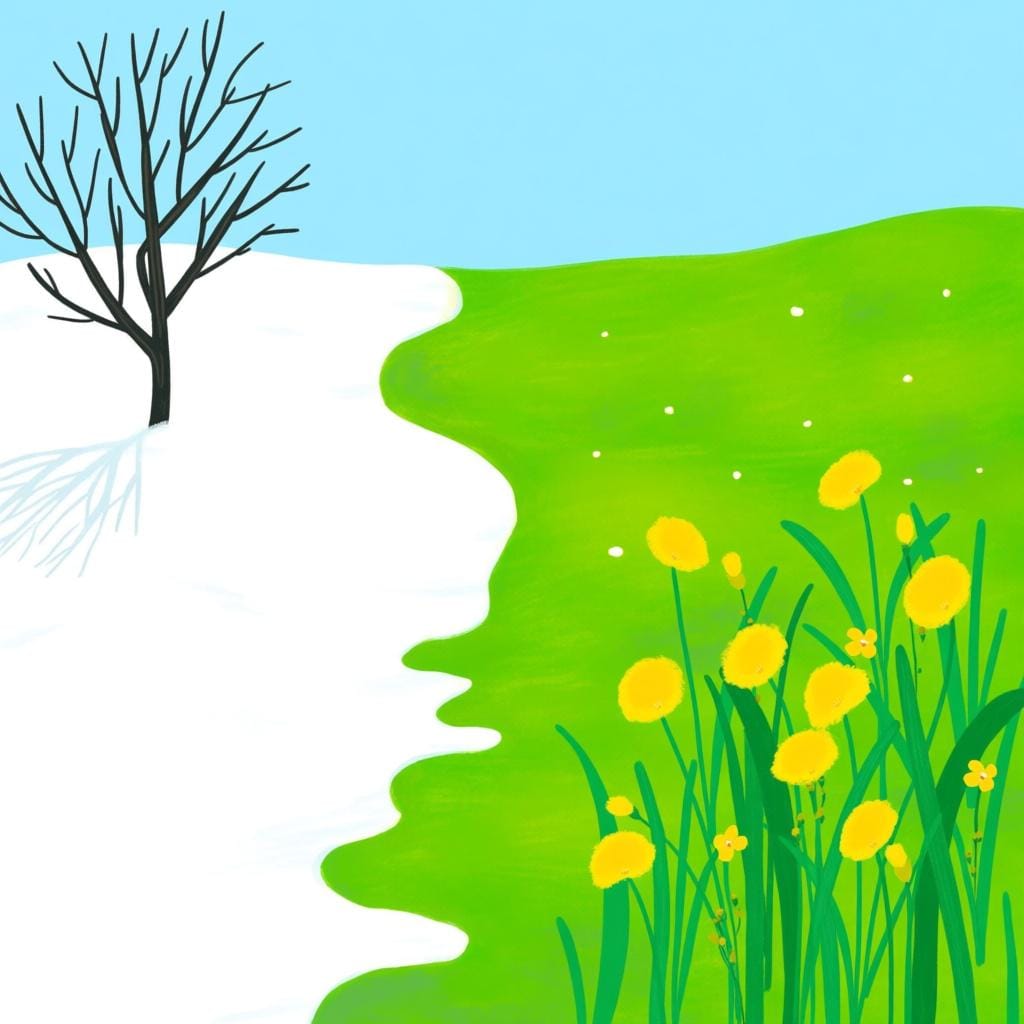
La primavera sucede al invierno.
Spring follows winter.
En la historia, la paz sucede a la guerra.
In history, peace follows war.
Following vs. Happening Next
Learners often confuse 'sigue' and 'sucede' by using 'sigue' for sequences. Remember that 'sigue' implies physical movement or accompaniment, while 'sucede' denotes a temporal or logical order.
Related Translations
Learn Spanish with Inklingo
Interactive stories, personalized learning, and more.