How to Say "realized" in Spanish
The most common Spanish word for “realized” is “entendió” — use this when someone suddenly becomes aware of a situation or grasps an explanation, often after a period of not understanding.

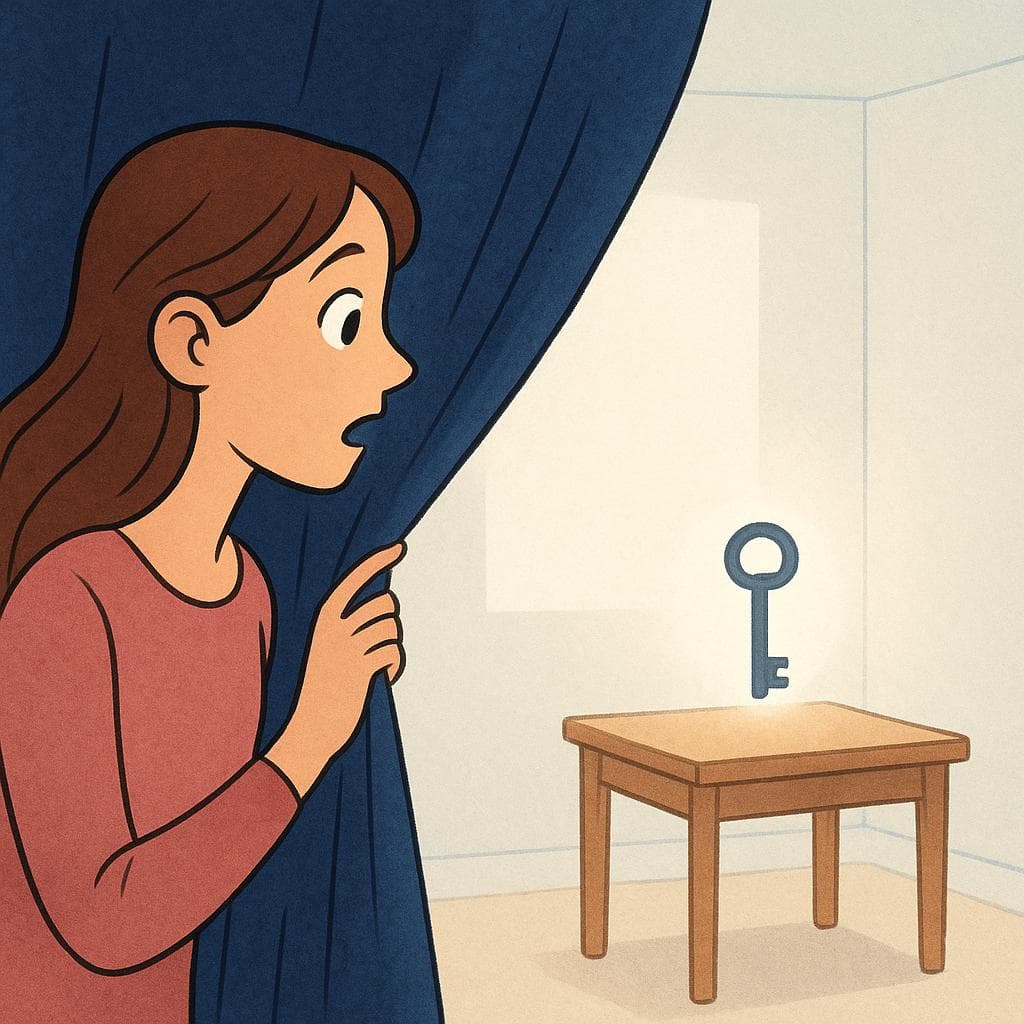


entendió
en-ten-dee-OHentenˈdjo

Examples
Por fin entendió la explicación del profesor.
He finally understood the teacher's explanation.
Usted me entendió perfectamente.
You (formal) understood me perfectly.
Ella no entendió por qué llegaste tarde.
She didn't understand why you arrived late.
The Accent Mark Matters
The accent on the 'o' tells you the action happened in the past and refers to someone else (he, she, or it). Without the accent, it wouldn't be a standard word!
Who did the action?
In Spanish, this specific form 'entendió' is only used for one person (he, she, or formal 'you'). It cannot be used for 'I' or 'they'.
Confusing with 'entiende'
Mistake: “Using 'entiende' to talk about the past.”
Correction: Use 'entendió' for things that happened yesterday, and 'entiende' for things happening right now.
descubrió
des-coo-BREE-ohdeskuˈβɾjo
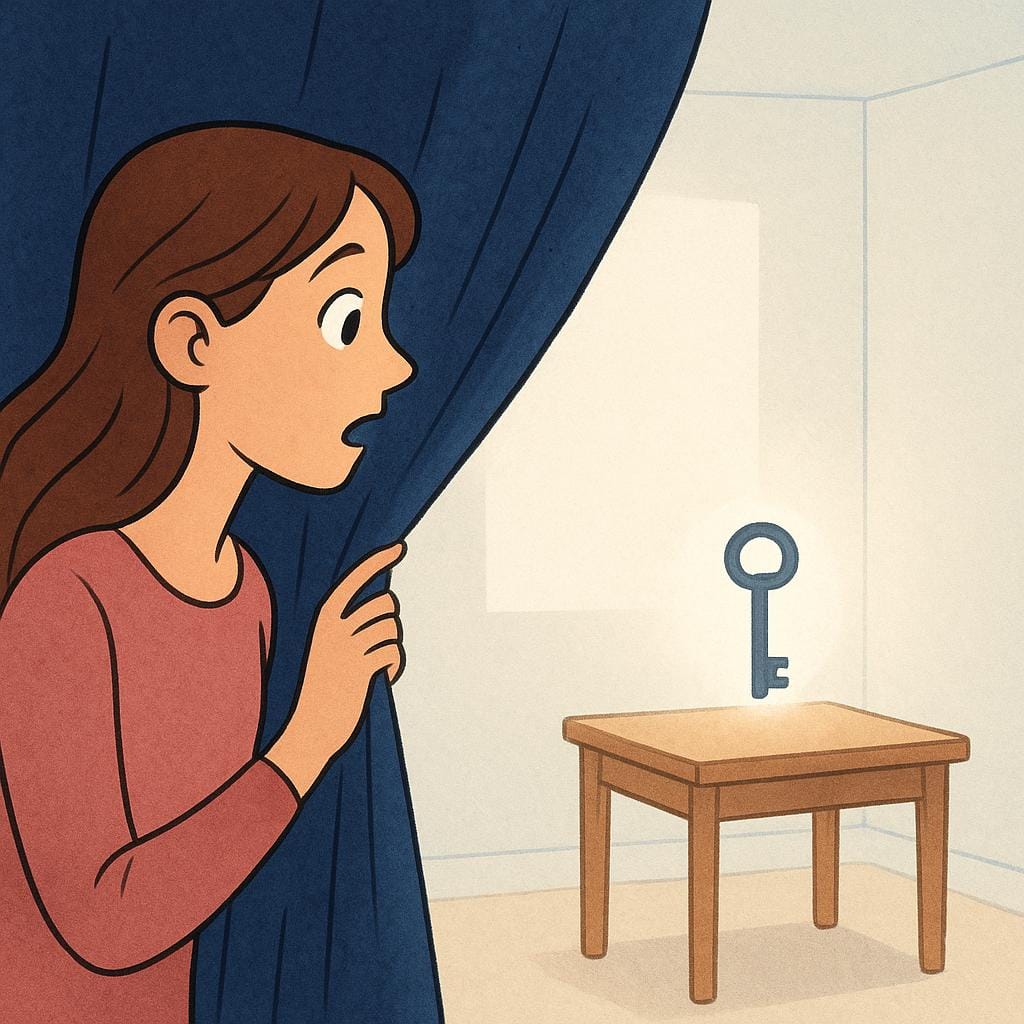
Examples
Ella descubrió que su novio le mintió sobre el viaje.
She found out that her boyfriend lied to her about the trip.
Al final, el detective descubrió quién era el culpable.
In the end, the detective figured out who the culprit was.
Usted descubrió que la vida en la ciudad no era para usted.
You (formal) realized that city life was not for you.
Using 'Que'
When discovering a fact, 'descubrió' is almost always followed by 'que' (that), which introduces the information that was learned.
encontró
en-kon-TROen.konˈtɾo

Examples
Después de leer el libro, encontró la historia un poco aburrida.
After reading the book, he/she found the story a bit boring.
Después de leer el libro, **encontró** la historia un poco aburrida.
After reading the book, he/she found the story a bit boring.
La investigación **encontró** que no había suficiente evidencia.
The investigation found that there wasn't enough evidence.
vió
vee-OHbjo

Examples
Cuando leyó el informe, vió su error.
When he read the report, he realized his mistake.
Ella finalmente vió que tenía que cambiar.
She finally understood that she had to change.
Figurative Sight
Just like in English, 'to see' can mean 'to understand' in Spanish. 'Vió' is often used when someone has a sudden moment of clarity or realization.
Choosing between 'understand' and 'discover'
Related Translations
Learn Spanish with Inklingo
Interactive stories, personalized learning, and more.