How to Say "refrigerator" in Spanish
The most common Spanish word for “refrigerator” is “nevera” — use 'nevera' for the common kitchen appliance in informal, everyday conversations, particularly in Spain.
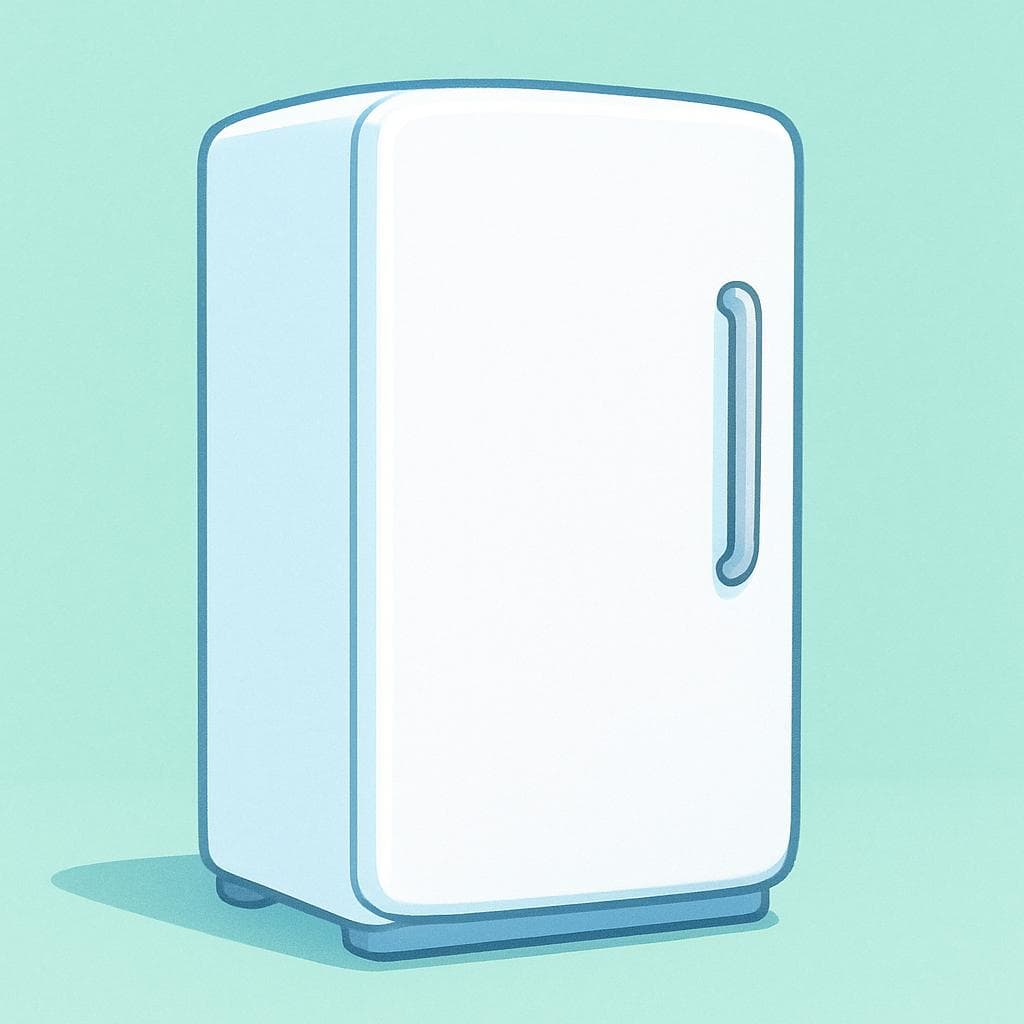
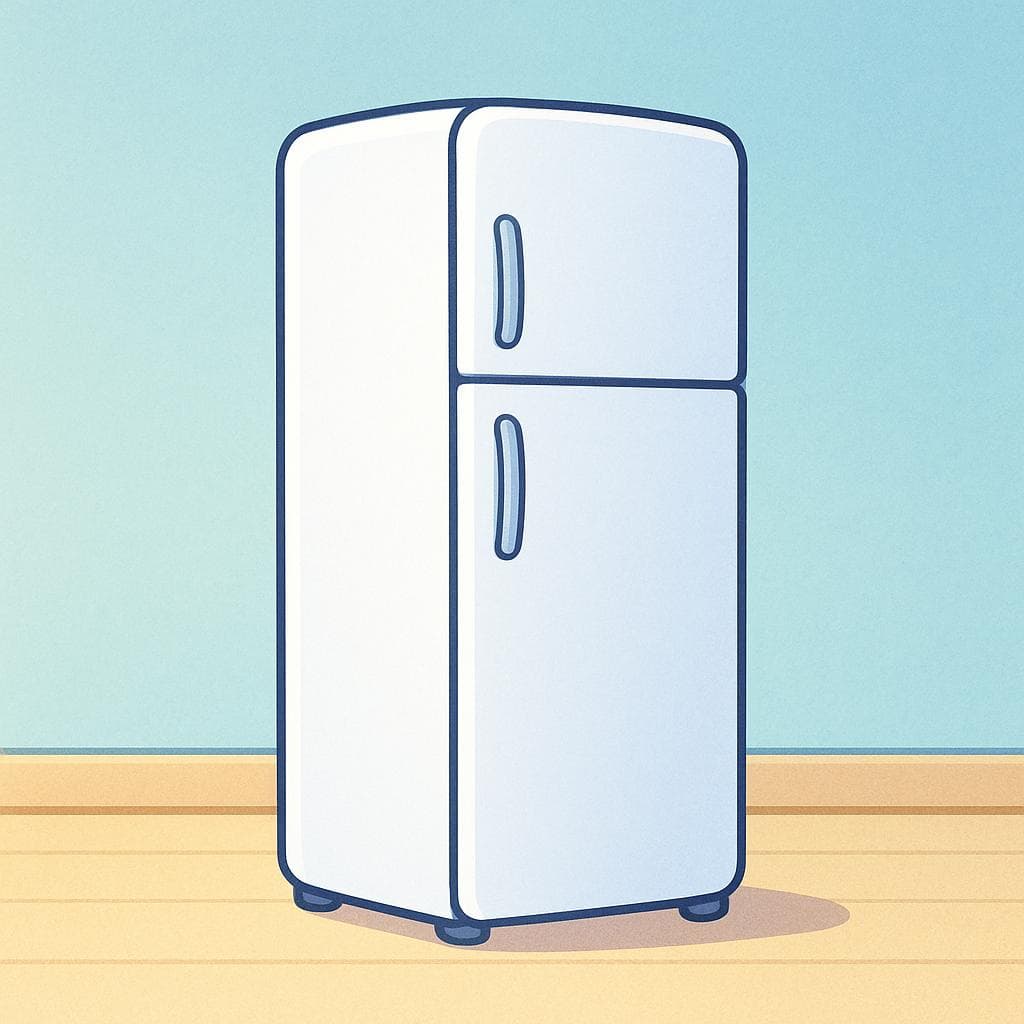
nevera
neh-VEH-rahneˈβeɾa
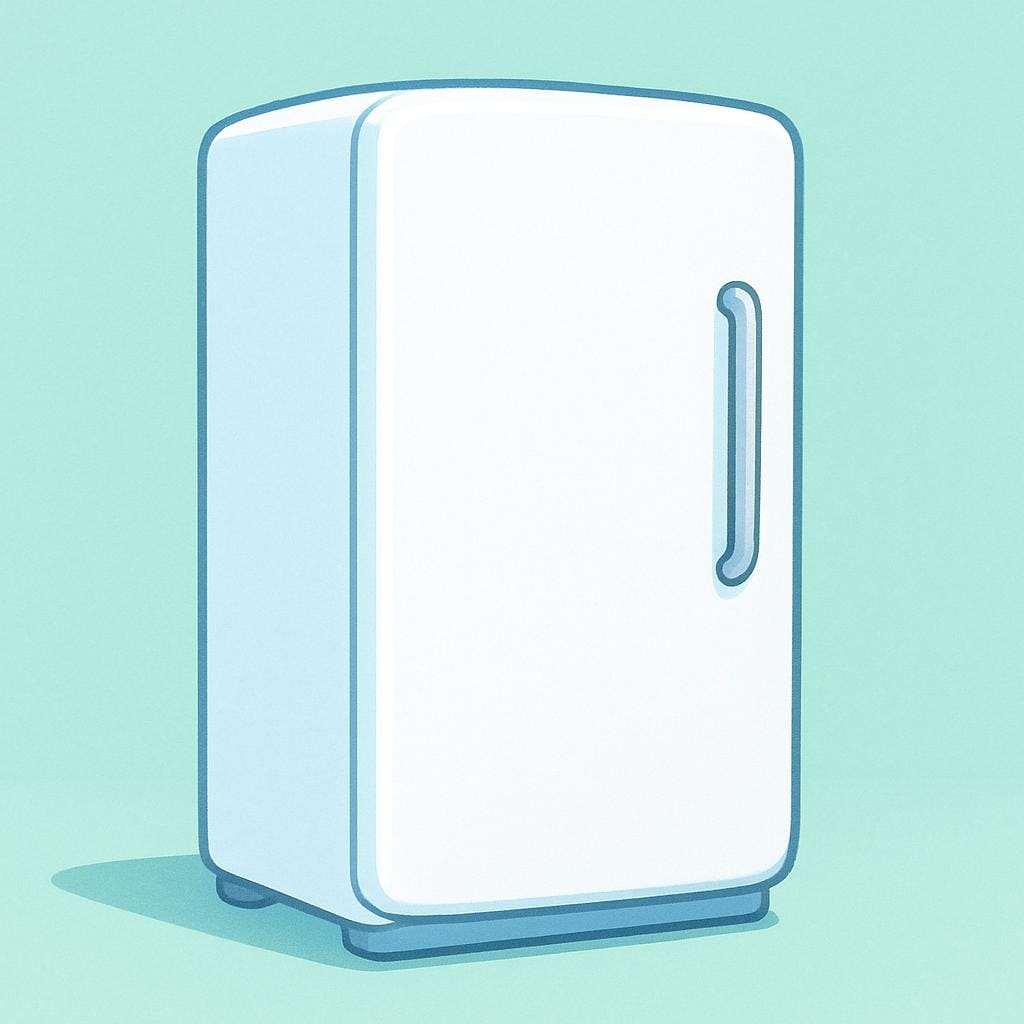
Examples
Guarda la leche en la nevera para que no se ponga mala.
Store the milk in the fridge so it doesn't go bad.
Necesitamos comprar una nevera más grande para la cocina.
We need to buy a bigger refrigerator for the kitchen.
Mi nevera está vacía, ¡tengo que ir al supermercado!
My fridge is empty, I have to go to the supermarket!
Gender Check
Remember that 'nevera' is a feminine word, so you must always use 'la nevera' (the fridge) or 'una nevera' (a fridge).
Confusing Terms
Mistake: “Using 'nevera' when you mean 'congelador'.”
Correction: 'Nevera' is the cold section (fridge), but 'congelador' is the freezing section (freezer). They are not the same thing.
refrigerador
reh-free-heh-rah-DORre.fɾi.xe.ɾaˈðoɾ
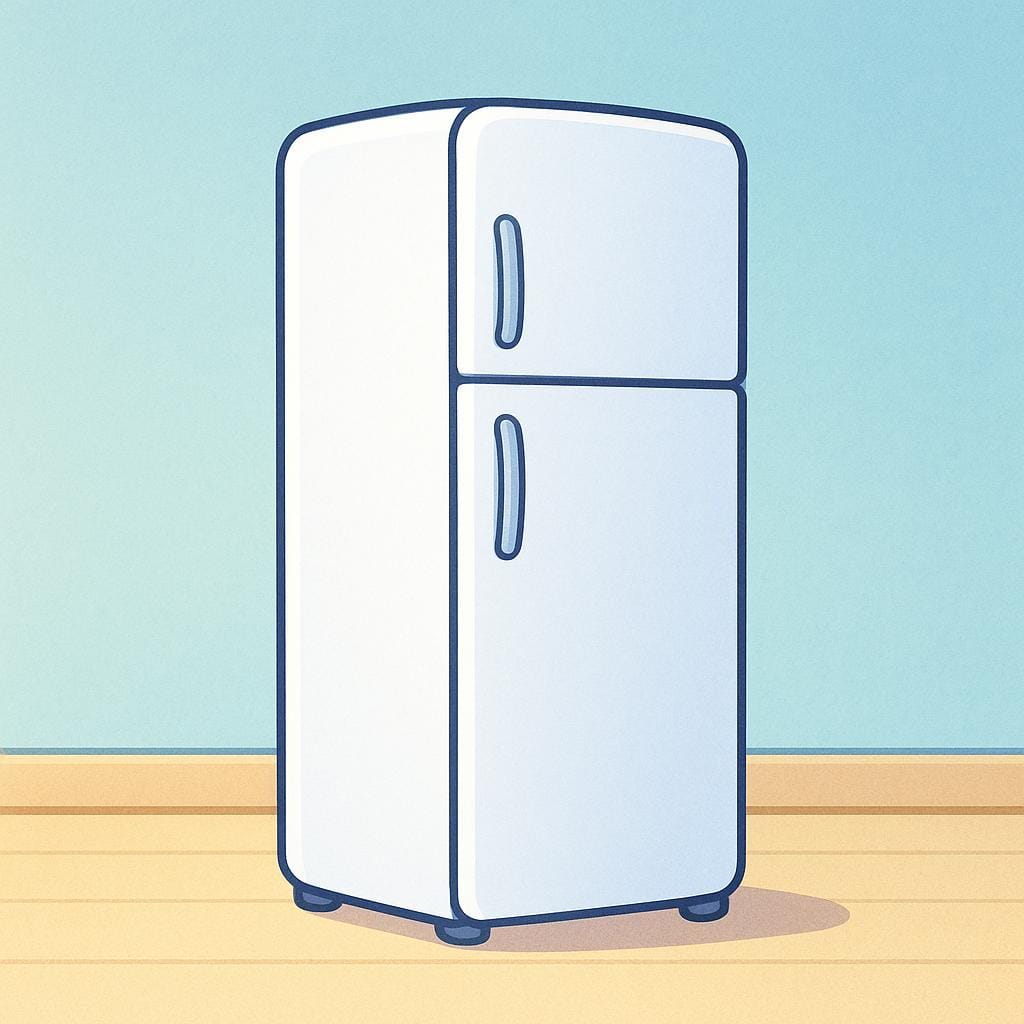
Examples
¿Puedes poner estas verduras en el refrigerador, por favor?
Can you put these vegetables in the refrigerator, please?
El refrigerador está haciendo un ruido extraño, creo que se está dañando.
The fridge is making a strange noise, I think it's breaking down.
Compramos un refrigerador nuevo con dispensador de hielo.
We bought a new refrigerator with an ice dispenser.
Masculine Noun Rule
Since 'refrigerador' ends in -dor, it is a masculine word. Always use the masculine articles 'el' (the) or 'un' (a/an) before it.
Confusing Cooling and Freezing
Mistake: “Using 'refrigerador' to refer to the freezer section.”
Correction: The *refrigerador* is the main cooling unit. The part that freezes food solid is called *el congelador* (the freezer).
Choosing Between 'nevera' and 'refrigerador'
Learn Spanish with Inklingo
Interactive stories, personalized learning, and more.