nevera
“nevera” means “refrigerator” in Spanish. It has 2 different meanings depending on context:
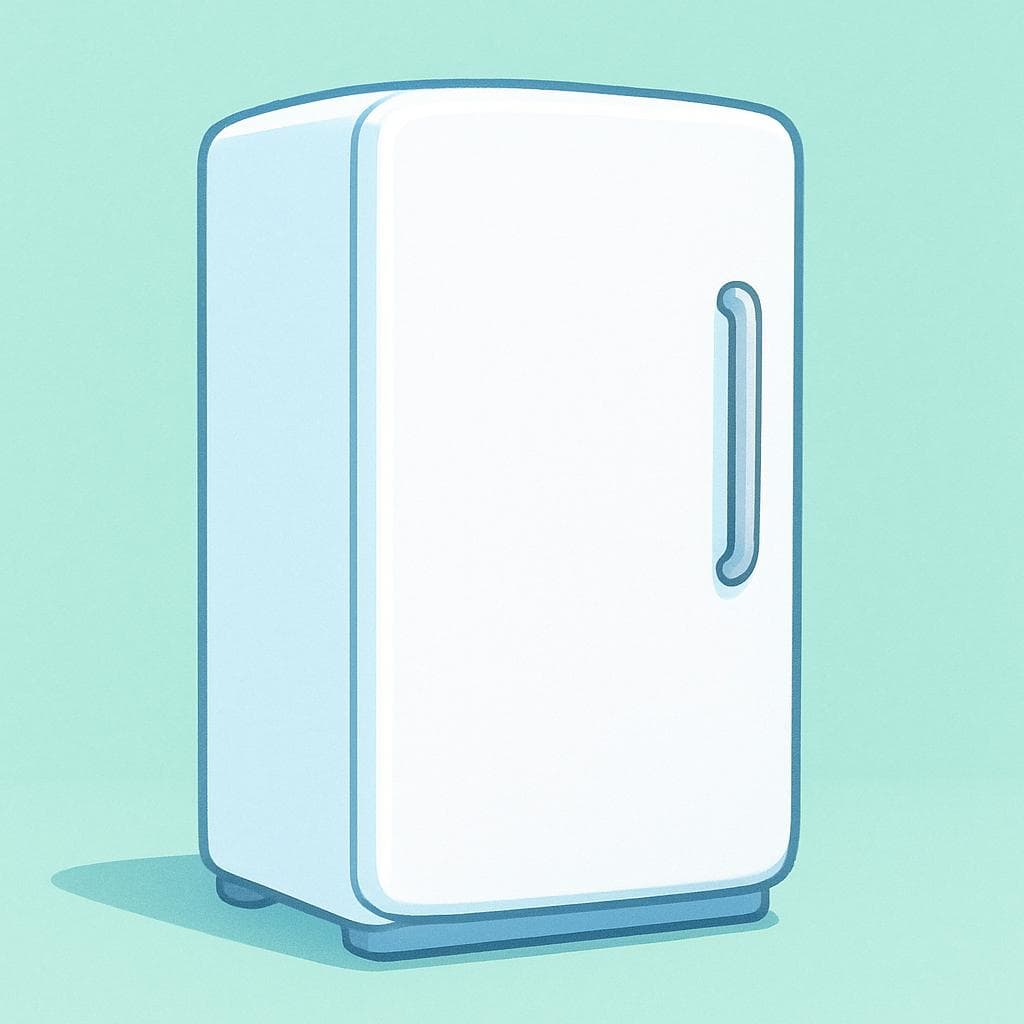

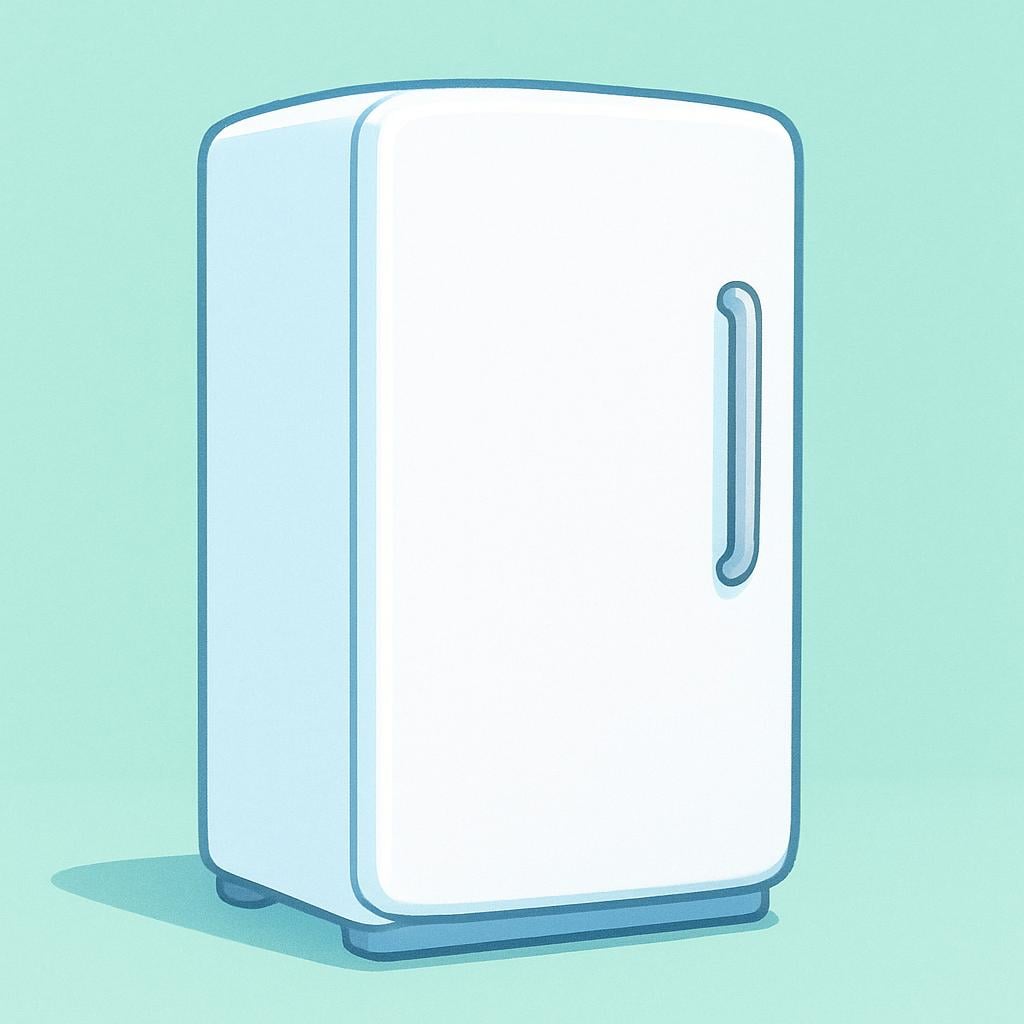
refrigerator, fridge
📝 In Action
Guarda la leche en la nevera para que no se ponga mala.
A1Store the milk in the fridge so it doesn't go bad.
Necesitamos comprar una nevera más grande para la cocina.
A2We need to buy a bigger refrigerator for the kitchen.
Mi nevera está vacía, ¡tengo que ir al supermercado!
A1My fridge is empty, I have to go to the supermarket!
Word Connections
coolerAlso: icebox

📝 In Action
Llenamos la nevera con hielo y refrescos para ir a la playa.
B1We filled the cooler with ice and sodas to go to the beach.
La nevera portátil mantuvo nuestra comida fresca todo el día.
B2The portable icebox kept our food fresh all day.
Word Connections
Translate to Spanish
Words that translate to "nevera" in Spanish:
✏️ Quick Practice
Quick Quiz: nevera
Question 1 of 2
If someone asks you to 'poner las cervezas en la nevera' before a road trip, what are they most likely referring to?
📚 More Resources
👥 Word Family
📚 Etymology
The word comes directly from the Spanish word 'nieve' (snow or ice). Historically, a 'nevera' was a large hole or storage chamber used to keep natural snow and ice packed all year round. When mechanical refrigeration was invented, the name naturally transferred to the new cooling appliance.
First recorded: Medieval period (referring to the ice storage pit)
Cognates (Related words)
💡 Master Spanish
Take your Spanish to the next level. Read 200+ illustrated and narrated Spanish stories tailored to your level with the Inklingo app!
Frequently Asked Questions
What is the difference between 'nevera' and 'frigorífico'?
They mean the exact same thing: the kitchen refrigerator. 'Nevera' is common throughout the Spanish-speaking world, while 'frigorífico' is especially popular in Spain.
How do I say 'freezer' in Spanish?
The word for the freezer (the part that freezes food solid) is 'congelador.' It's important to keep it separate from 'nevera' (the fridge).