How to Say "relief" in Spanish
The most common Spanish word for “relief” is “alivio” — use 'alivio' when referring to the feeling of stress, worry, or pain disappearing, a personal sense of comfort.


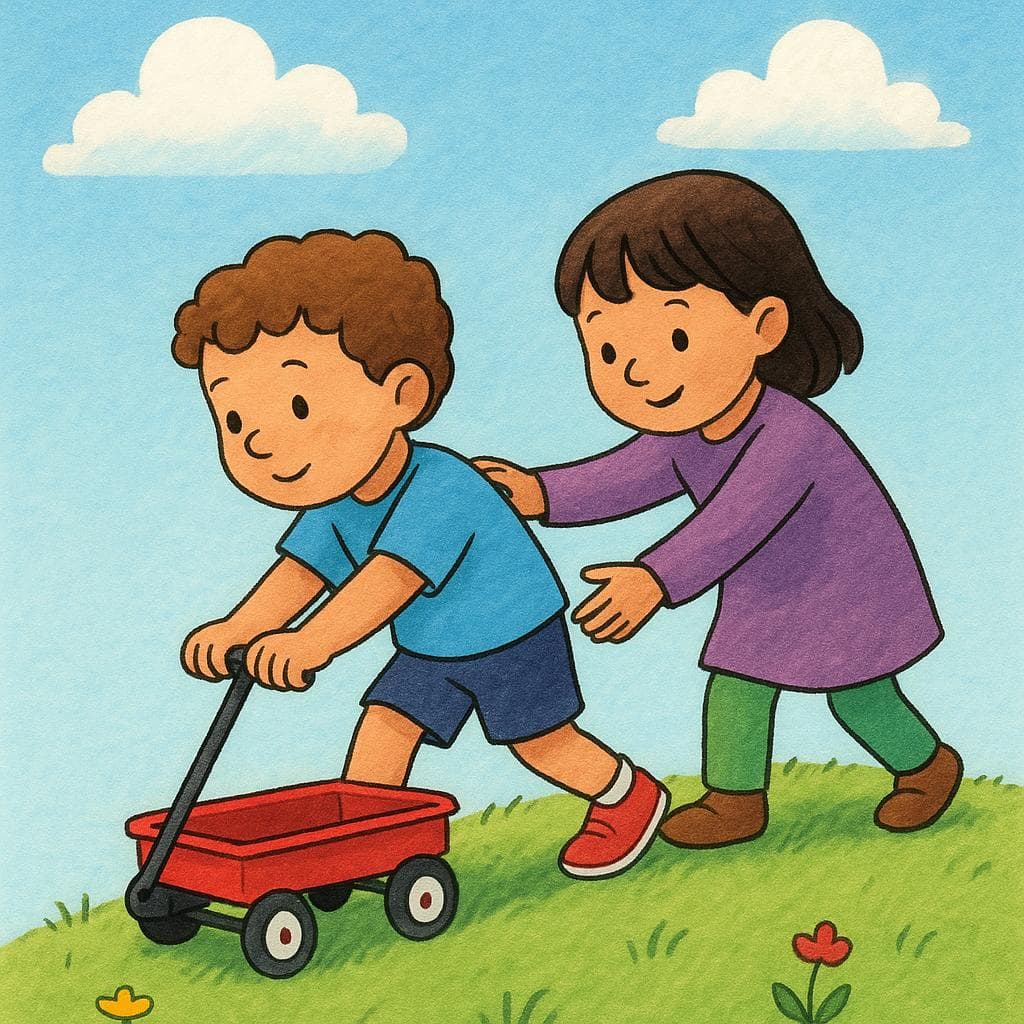
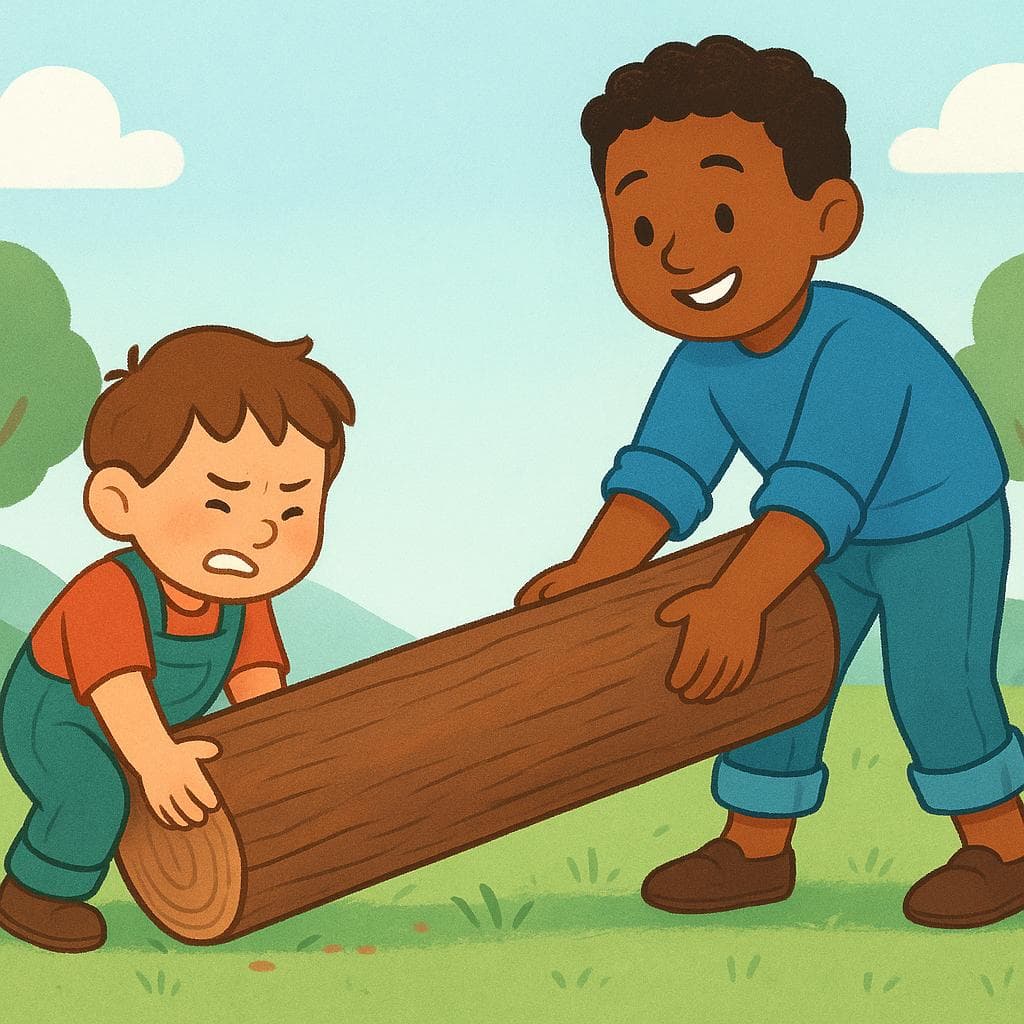

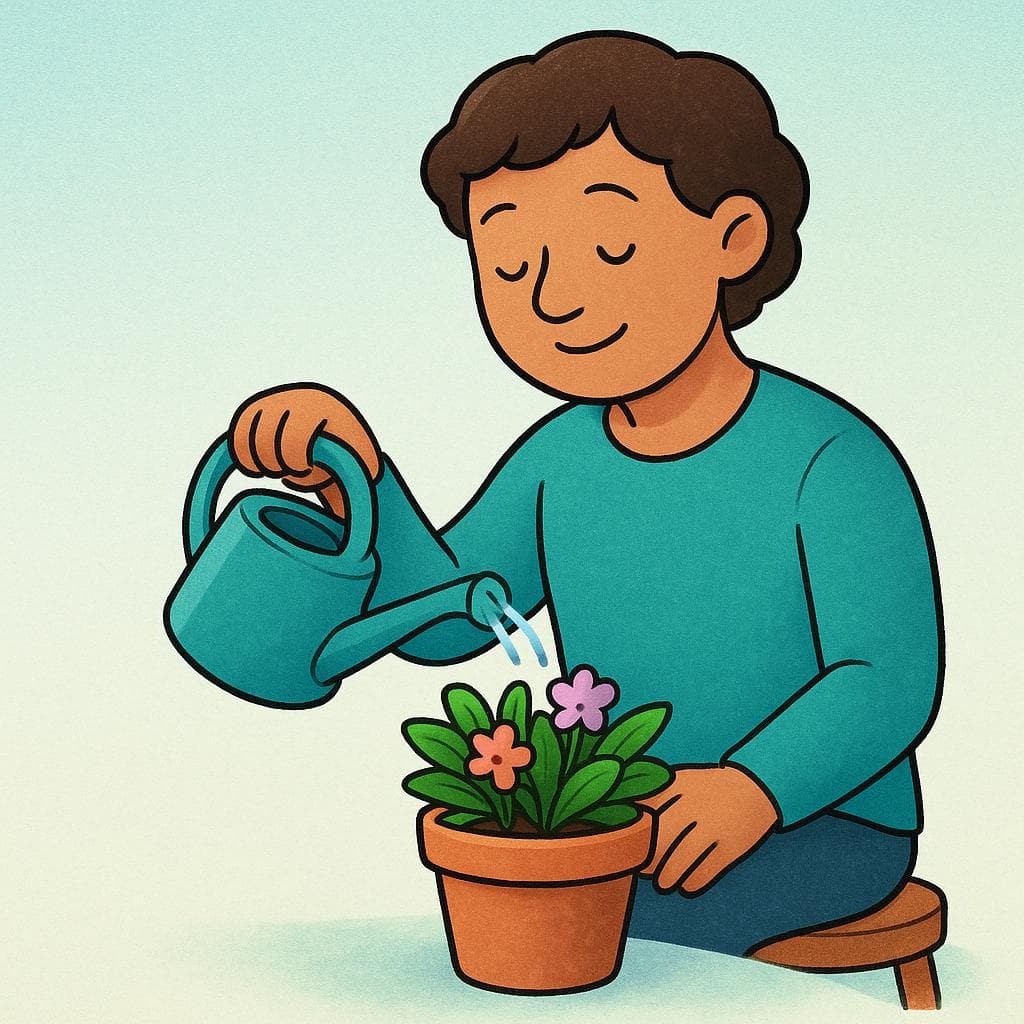

alivio
ah-LEE-vee-ohaˈli.βjo

Examples
Sentí un gran alivio cuando supe que estaba bien.
I felt a great relief when I found out he was okay.
El medicamento le dio un alivio inmediato al dolor de cabeza.
The medicine gave him immediate alleviation for the headache.
Fue un alivio terminar el proyecto antes de la fecha límite.
It was a relief to finish the project before the deadline.
Masculine Noun
Since 'alivio' ends in -o, it is a masculine noun. Always use the masculine article 'el' before it: 'el alivio'.
Using the wrong verb
Mistake: “Decir alivio (To say relief)”
Correction: Use 'sentir alivio' (to feel relief) or 'dar alivio' (to give relief) to sound natural.
ayuda
ah-YOO-dahaˈʝuða

Examples
Necesito un poco de ayuda, por favor.
I need a little help, please.
Gracias por tu ayuda con la mudanza.
Thanks for your help with the move.
La organización ofrece ayuda económica a estudiantes.
The organization offers financial aid to students.
It's a Feminine Noun
Even though it doesn't end in '-o' or '-a' in a typical way, 'ayuda' is a feminine word. That means you'll always use 'la ayuda' (the help) or 'una ayuda' (a help).
Confusing Noun and Verb
Mistake: “Sometimes learners say 'Necesito ayudo' when they mean 'I need help'.”
Correction: The noun is 'ayuda', so say 'Necesito ayuda'. The word 'ayudo' is a verb form meaning 'I help'.
auxilio
owk-SEE-lee-ohau̯kˈsiljo
Examples
Necesitamos auxilio médico urgente para el paciente.
We need urgent medical aid for the patient.
El auxilio económico fue distribuido a todas las familias afectadas.
The economic assistance was distributed to all affected families.
Aprender primeros auxilios es muy importante.
Learning first aid is very important.
Masculine Noun
Remember that 'auxilio' is masculine, so you must use the masculine articles ('el auxilio', 'un auxilio').
socorro
soh-KOH-rrohsoˈkoro
Examples
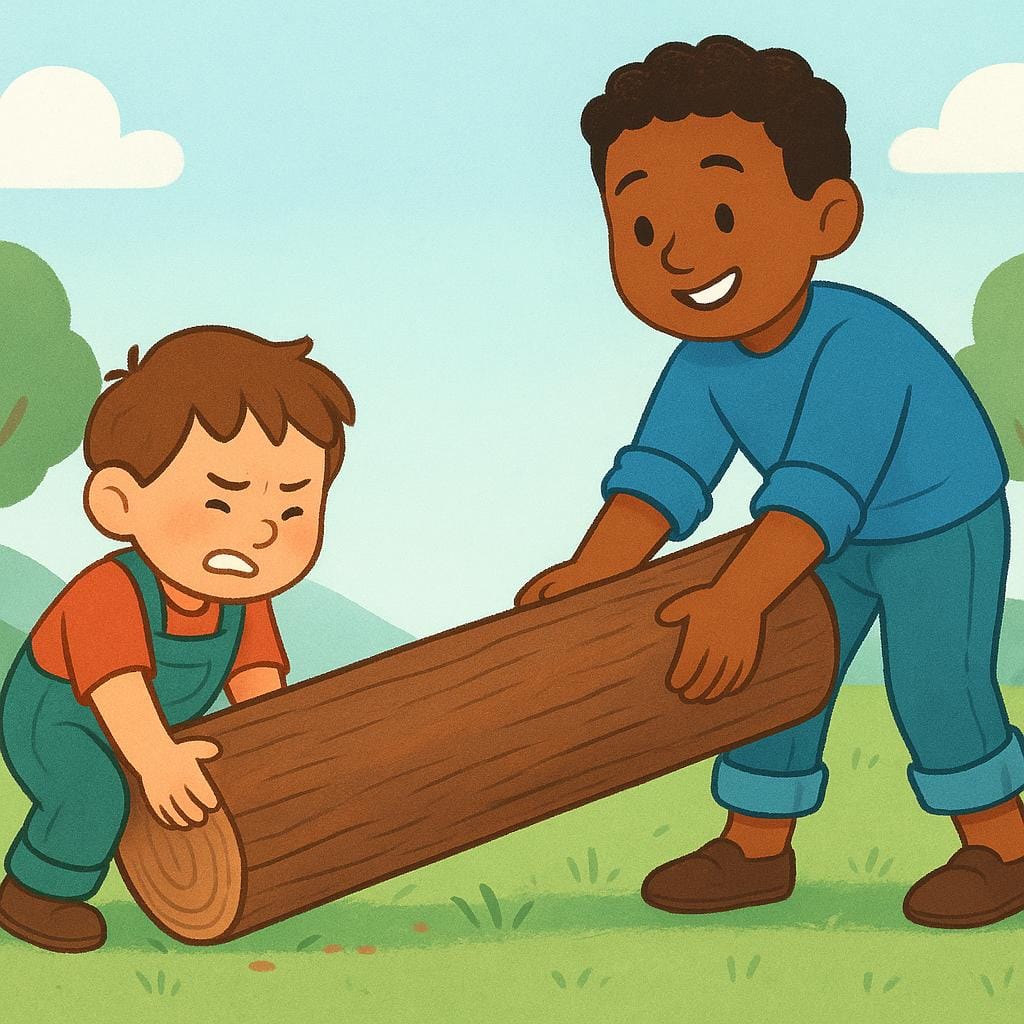
El gobierno envió socorro a las zonas afectadas por el terremoto.
The government sent aid to the areas affected by the earthquake.
Llamaron a la Cruz Roja para pedir socorro médico.
They called the Red Cross to ask for medical assistance.
Gender Check
'Socorro' is always a masculine noun, so it is always used with 'el' or 'un': 'el socorro' (the aid).
relevo
reh-LEH-bohreˈleβo

Examples
Llegó mi relevo y por fin pude irme a casa.
My relief arrived and I could finally go home.
El relevo de la guardia es a las ocho.
The changing of the guard is at eight.
Es necesario un relevo generacional en la empresa.
A generational handover is necessary in the company.
Always Masculine
Even if the person replacing you is a woman, the word itself is always 'el relevo' because it refers to the concept of the turn, not the person's gender.
Action vs. Person
'Relevo' can mean both the act of replacing someone and the actual person who is doing the replacing.
Confusing with Replacement Objects
Mistake: “Using 'relevo' for a spare car part.”
Correction: Use 'repuesto' for objects. Use 'relevo' for people or shifts.
terapia
teh-RAH-pyahteˈɾapja
Examples
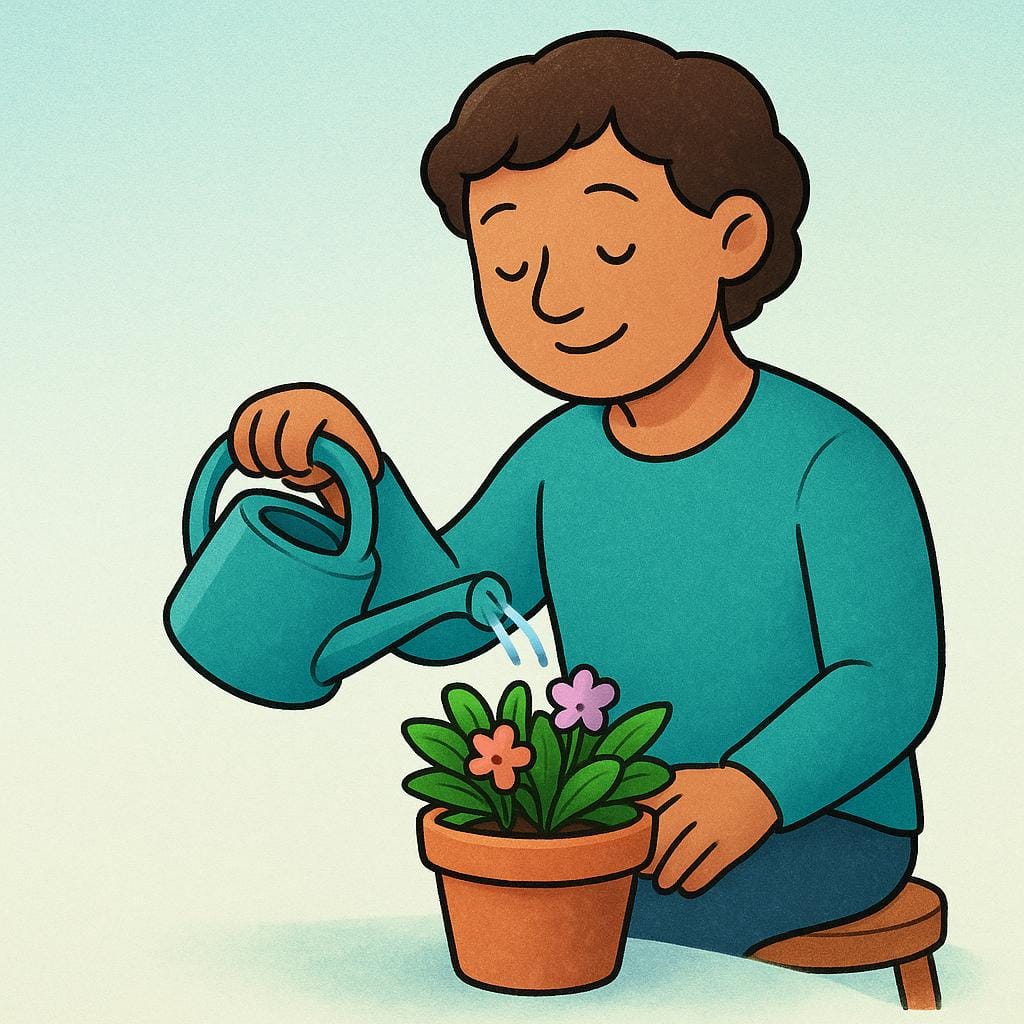
Para mí, el jardín es una terapia contra el estrés.
For me, gardening is a therapy against stress.
Escuchar música clásica es mi mejor terapia personal.
Listening to classical music is my best personal therapy.
liberación
Examples
Sentí una gran liberación al contarle mis problemas.
I felt a great sense of release when I told her my problems.
relieve
reh-LYEH-behreˈljeβe

Examples
Este mapa en relieve permite sentir dónde están las montañas.
This relief map lets you feel where the mountains are.
Las monedas antiguas suelen tener el relieve muy gastado.
Ancient coins usually have very worn-down textures.
Me encanta el relieve de las paredes de esta catedral.
I love the carvings on the walls of this cathedral.
It's a masculine word
Even though it ends in 'e,' this word is masculine. Always use 'el' or 'un' with it, and make sure any describing words match: 'el relieve montañoso'.
Describing shapes
When talking about physical objects, use 'en relieve' to describe something that sticks out or has a 3D effect.
The 'Relief' Trap
Mistake: “Me dio un relieve saber que estás bien.”
Correction: Me dio un alivio saber que estás bien. (Use 'alivio' for emotional or physical relief from pain, and 'relieve' for 3D textures).
Feeling vs. Providing Help
Related Translations
Learn Spanish with Inklingo
Interactive stories, personalized learning, and more.