How to Say "solace" in Spanish
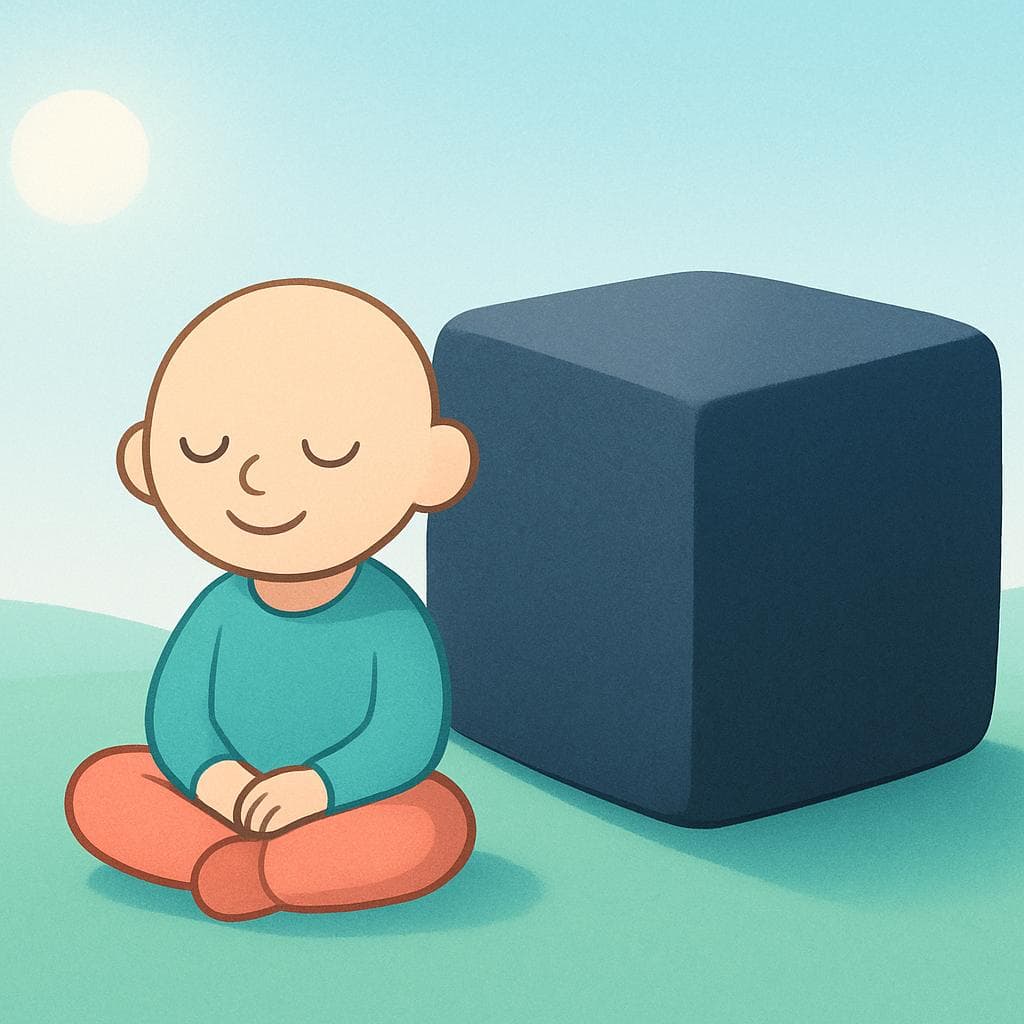
The most common Spanish word for “solace” is “alivio” — use 'alivio' when the solace comes as a release from anxiety, distress, or pain, often signifying a lifting of a burden.

alivio
ah-LEE-vee-ohaˈli.βjo
Examples
Sentí un gran alivio cuando supe que estaba bien.
I felt a great relief when I found out he was okay.
El medicamento le dio un alivio inmediato al dolor de cabeza.
The medicine gave him immediate alleviation for the headache.
Fue un alivio terminar el proyecto antes de la fecha límite.
It was a relief to finish the project before the deadline.
Masculine Noun
Since 'alivio' ends in -o, it is a masculine noun. Always use the masculine article 'el' before it: 'el alivio'.
Using the wrong verb
Mistake: “Decir alivio (To say relief)”
Correction: Use 'sentir alivio' (to feel relief) or 'dar alivio' (to give relief) to sound natural.
consuelo
kon-SWEH-lokonˈswe.lo

Examples
Después de perder el partido, las palabras de su entrenador fueron un gran consuelo.
After losing the game, his coach's words were a great comfort.
No hay mayor consuelo que saber que hiciste todo lo posible.
There is no greater solace than knowing you did everything possible.
Busco consuelo en la música cuando estoy triste.
I look for comfort in music when I am sad.
Gender Check
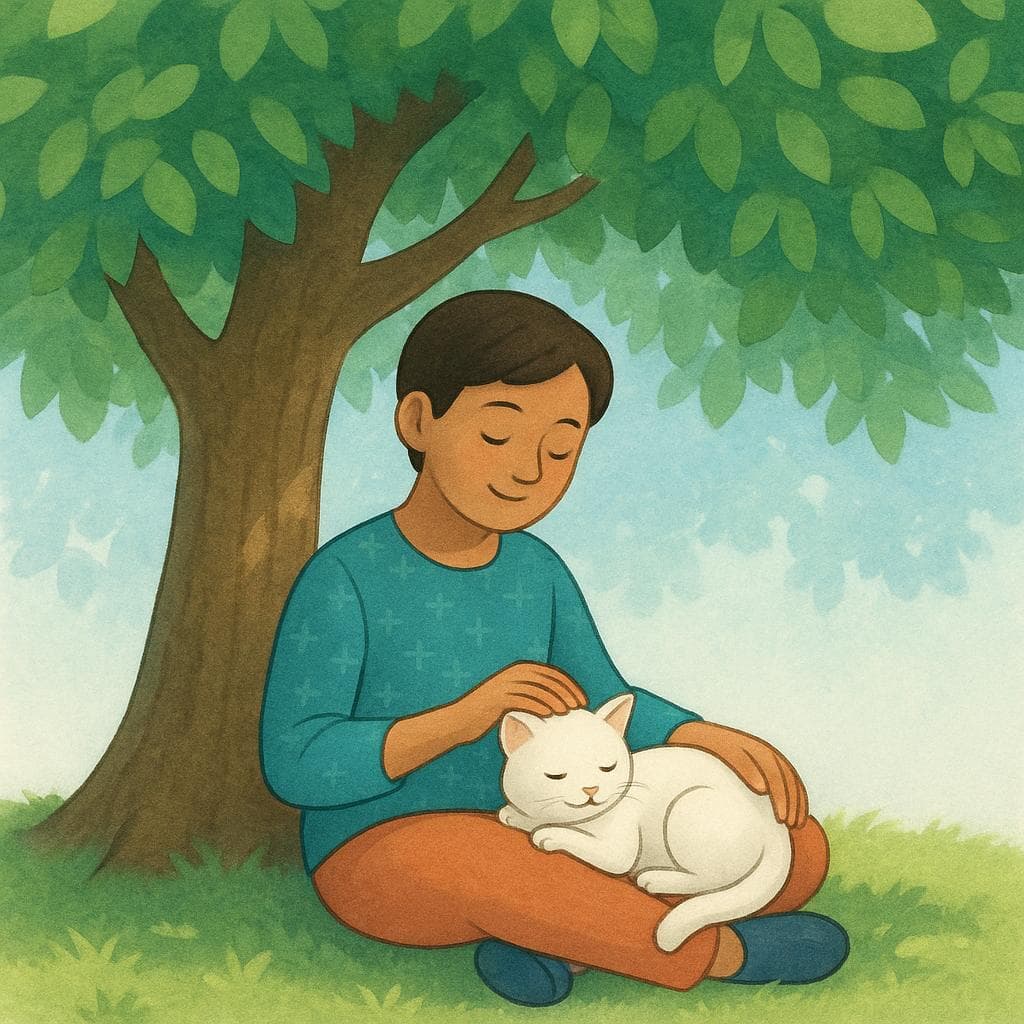
Remember that 'consuelo' is a masculine noun, so you must use 'el' or 'un' before it: 'el consuelo' (the comfort).
Confusing Comfort Types
Mistake: “Using 'consuelo' to talk about physical relaxation (e.g., a comfortable bed).”
Correction: Use 'comodidad' or 'confort' for physical ease. 'Consuelo' is only for emotional or spiritual relief.
refugio
rre-FÚ-hioreˈfu.xjo
Examples
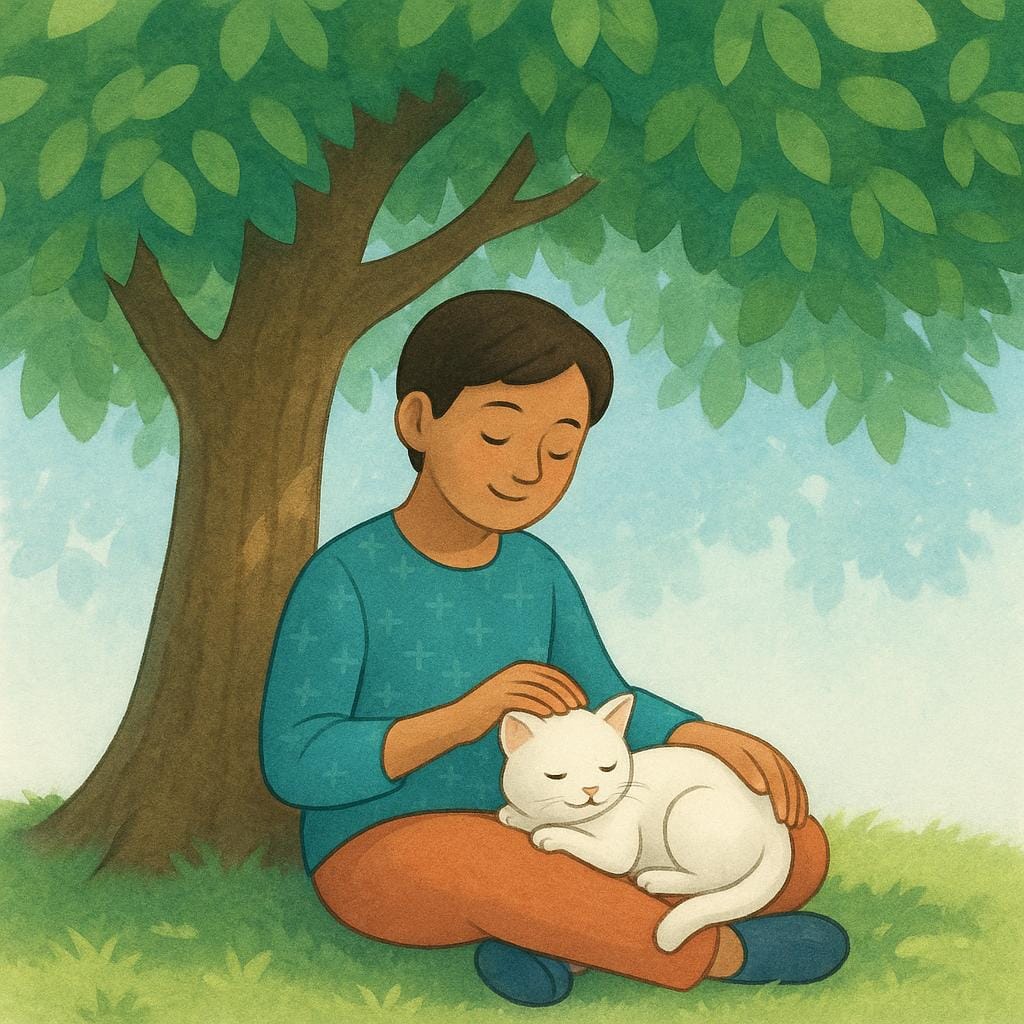
Su jardín secreto era su refugio contra el estrés de la ciudad.
Her secret garden was her refuge against the stress of the city.
Encontró refugio en el arte después de la tragedia.
She found solace (refuge) in art after the tragedy.
Using 'Encontrar'
When using 'refugio' in the abstract sense, it often follows verbs like 'encontrar' (to find) or 'dar' (to give), showing how someone obtains comfort.
terapia
teh-RAH-pyahteˈɾapja
Examples
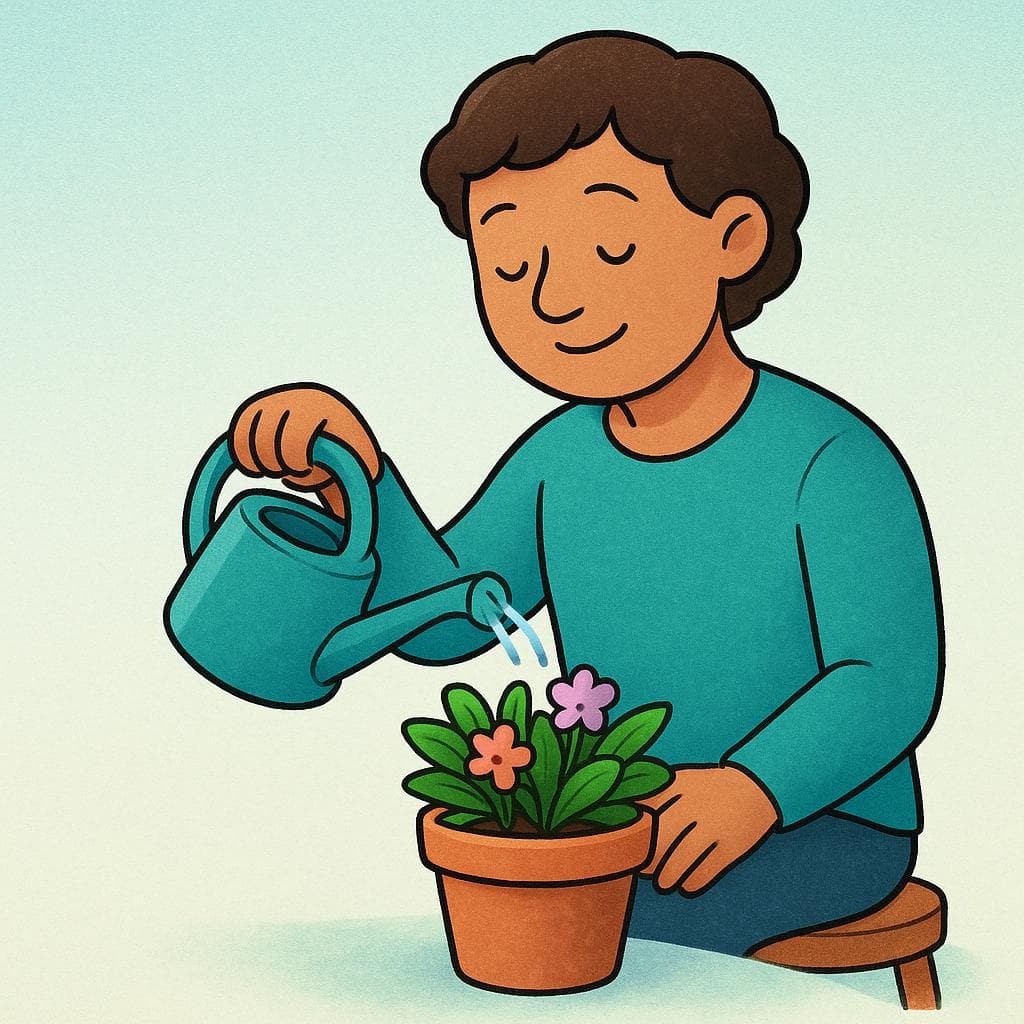
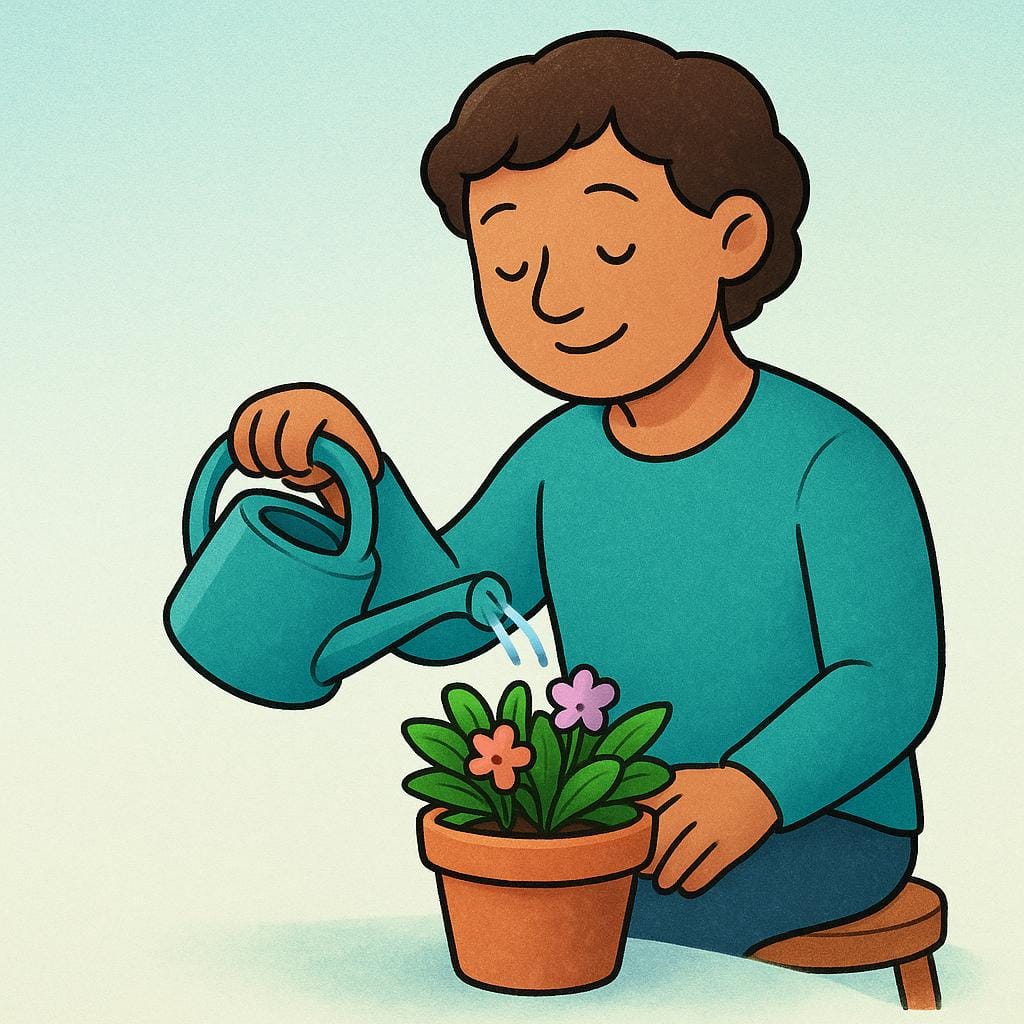
Para mí, el jardín es una terapia contra el estrés.
For me, gardening is a therapy against stress.
Escuchar música clásica es mi mejor terapia personal.
Listening to classical music is my best personal therapy.
Alivio vs. Consuelo
Related Translations
Learn Spanish with Inklingo
Interactive stories, personalized learning, and more.