How to Say "aid" in Spanish
The most common Spanish word for “aid” is “ayuda” — use 'ayuda' for general, everyday requests for help, whether formal or informal, and for larger-scale assistance efforts.




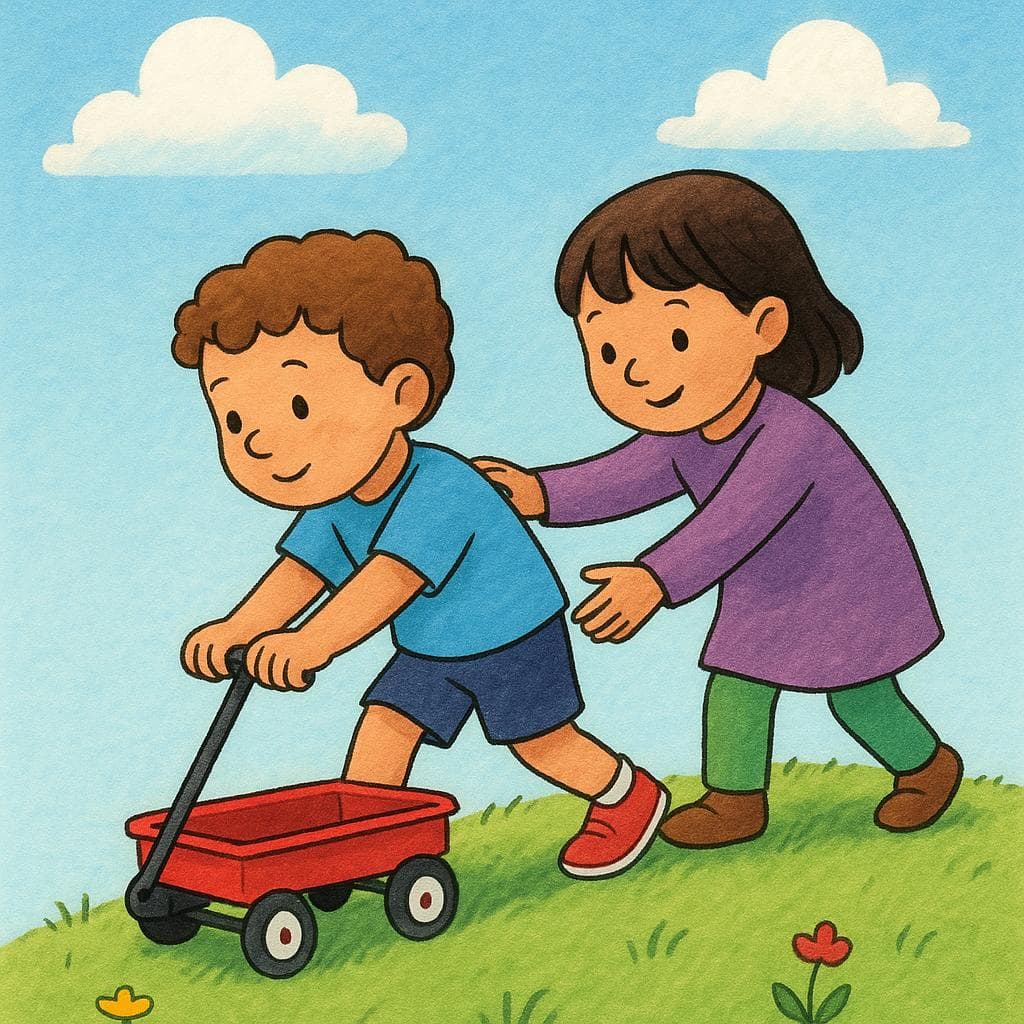
ayuda
ah-YOO-dahaˈʝuða

Examples
Necesito un poco de ayuda, por favor.
I need a little help, please.
Gracias por tu ayuda con la mudanza.
Thanks for your help with the move.
La organización ofrece ayuda económica a estudiantes.
The organization offers financial aid to students.
It's a Feminine Noun
Even though it doesn't end in '-o' or '-a' in a typical way, 'ayuda' is a feminine word. That means you'll always use 'la ayuda' (the help) or 'una ayuda' (a help).
Confusing Noun and Verb
Mistake: “Sometimes learners say 'Necesito ayudo' when they mean 'I need help'.”
Correction: The noun is 'ayuda', so say 'Necesito ayuda'. The word 'ayudo' is a verb form meaning 'I help'.
apoyo
ah-POY-ohaˈpoʝo

Examples
Gracias por tu apoyo incondicional durante la crisis.
Thank you for your unconditional support during the crisis.
El proyecto recibió un gran apoyo del gobierno local.
The project received great backing from the local government.
Necesitamos un punto de apoyo estable para subir la escalera.
We need a stable point of rest/support to climb the ladder.
Masculine Noun Rule
Since 'apoyo' ends in -o, it is almost always a masculine noun and uses the article 'el' (el apoyo, un apoyo).
asistencia
ah-sees-TEN-see-aha.sisˈten.sja

Examples
Llamé al seguro para solicitar asistencia en carretera.
I called the insurance company to request roadside assistance.
El hospital ofreció asistencia psicológica a las víctimas.
The hospital offered psychological aid to the victims.
Necesita la asistencia de un experto para resolver el problema.
He needs the help of an expert to solve the problem.
Connecting Aid to the Receiver
When talking about who receives the help, you use the preposition 'a' (to/for). Example: 'asistencia a los damnificados' (aid for the victims).
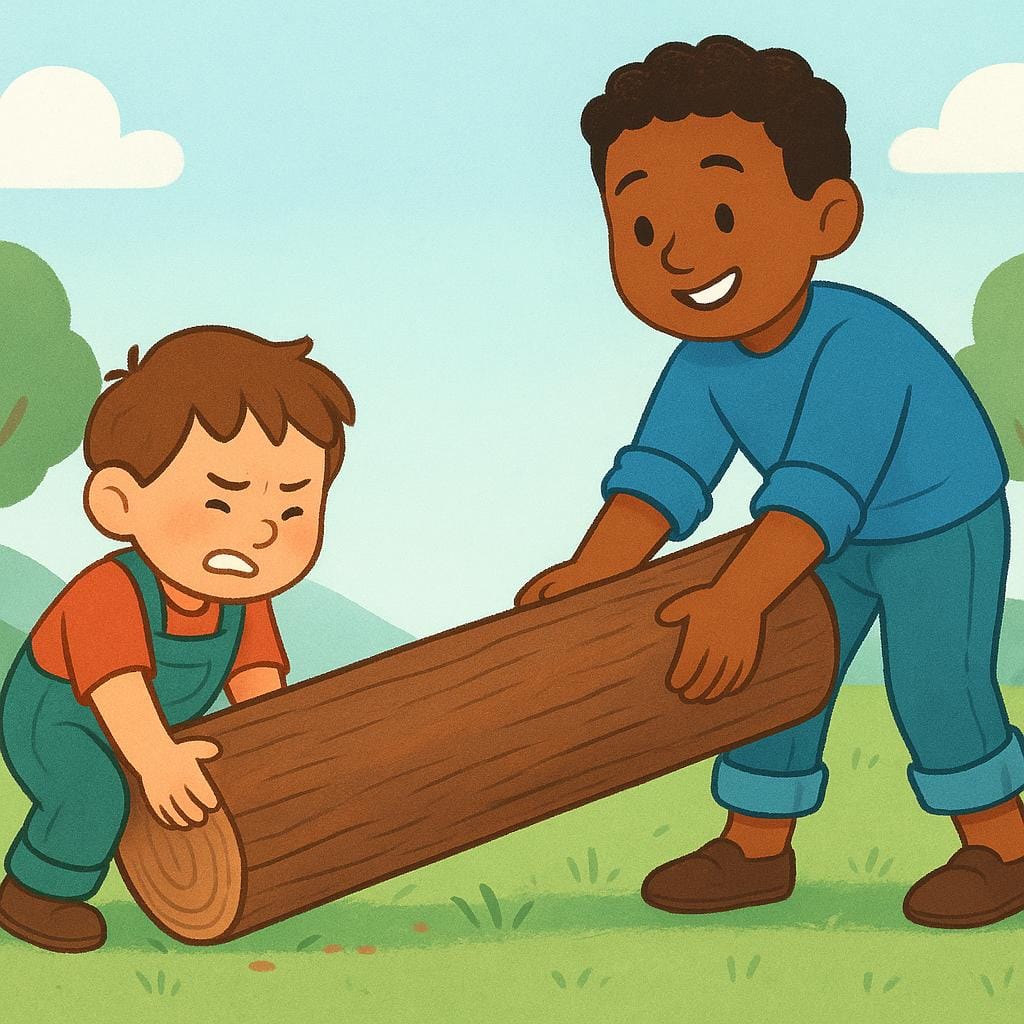
socorro
soh-KOH-rrohsoˈkoro
Examples
El gobierno envió socorro a las zonas afectadas por el terremoto.
The government sent aid to the areas affected by the earthquake.
Llamaron a la Cruz Roja para pedir socorro médico.
They called the Red Cross to ask for medical assistance.
Gender Check
'Socorro' is always a masculine noun, so it is always used with 'el' or 'un': 'el socorro' (the aid).
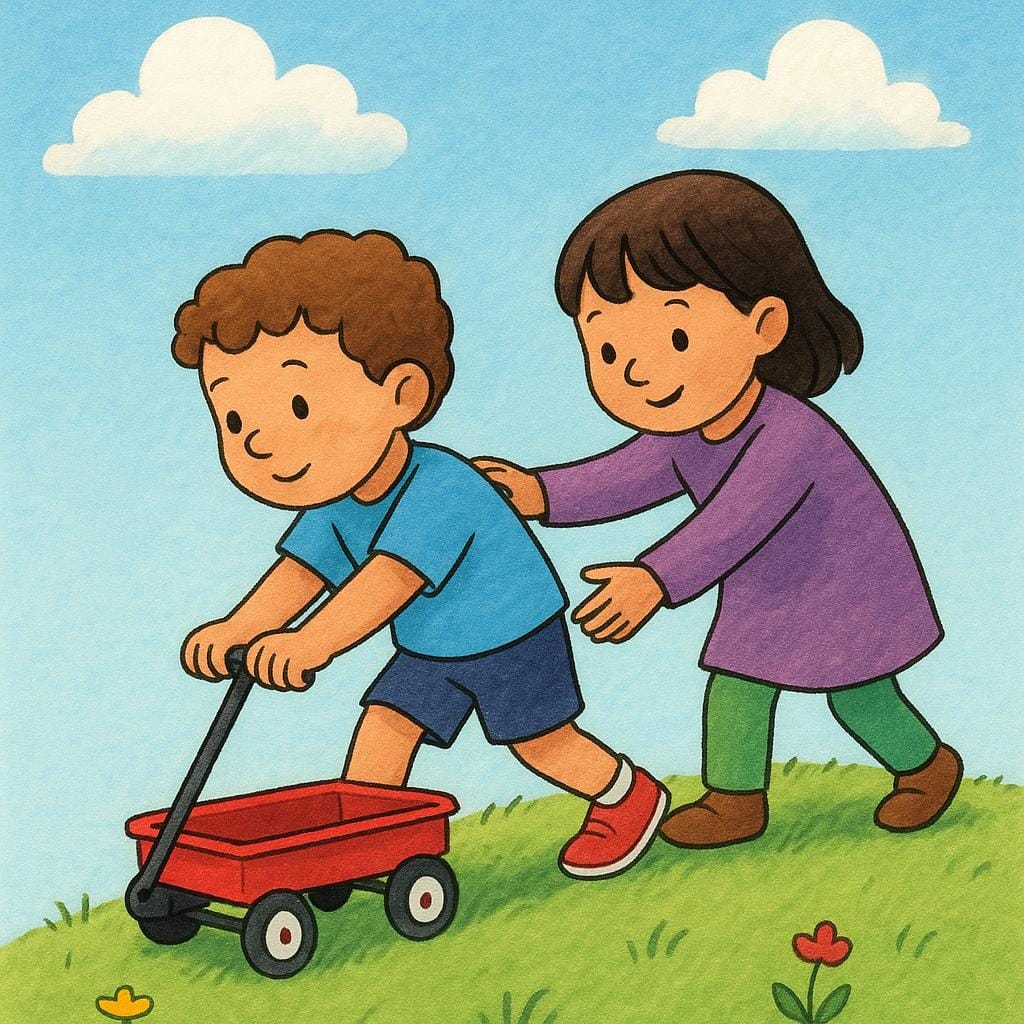
auxilio
owk-SEE-lee-ohau̯kˈsiljo
Examples
Necesitamos auxilio médico urgente para el paciente.
We need urgent medical aid for the patient.
El auxilio económico fue distribuido a todas las familias afectadas.
The economic assistance was distributed to all affected families.
Aprender primeros auxilios es muy importante.
Learning first aid is very important.
Masculine Noun
Remember that 'auxilio' is masculine, so you must use the masculine articles ('el auxilio', 'un auxilio').
cooperación
Examples
La cooperación entre los equipos fue esencial para ganar el torneo.
The cooperation between the teams was essential to win the tournament.
General Help vs. Urgent Aid
Related Translations
Learn Spanish with Inklingo
Interactive stories, personalized learning, and more.