How to Say "repulsive" in Spanish
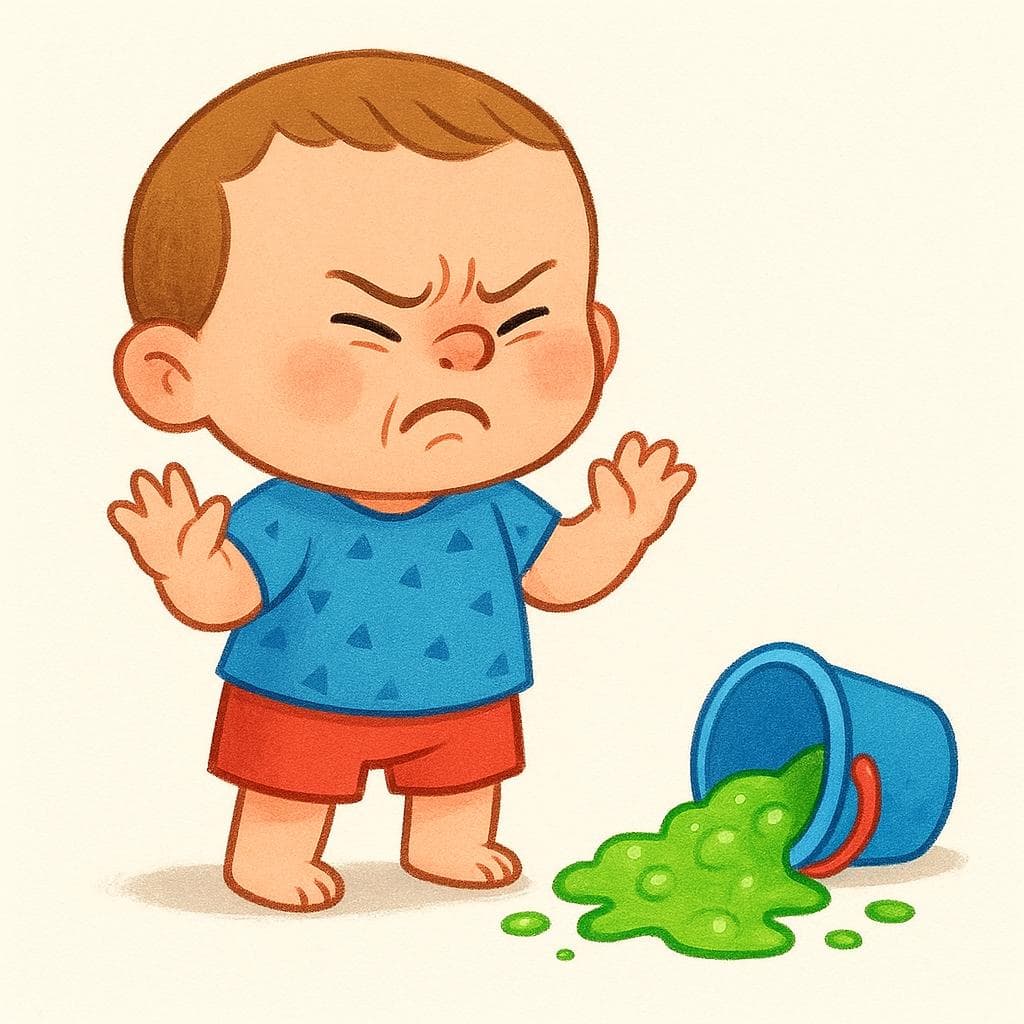
The most common Spanish word for “repulsive” is “asqueroso” — use 'asqueroso' when you want to express strong disgust, often related to something physically foul or morally sickening.

asqueroso
ahs-keh-ROH-sohas.keˈro.so

Examples
Ese olor es asqueroso, ¿qué es?
That smell is disgusting, what is it?
La sopa estaba fría y asquerosa, no pude comerla.
The soup was cold and gross; I couldn't eat it.
La película tenía escenas asquerosas que me hicieron taparme los ojos.
The movie had disgusting scenes that made me cover my eyes.
Adjective Agreement
Like most Spanish adjectives, 'asqueroso' must match the thing it describes in both number (singular/plural) and gender (masculine/feminine). Remember: asqueroso, asquerosa, asquerosos, asquerosas.
Forgetting Gender Change
Mistake: “La comida era asqueroso.”
Correction: La comida era asquerosa. (Because 'comida' is feminine, the adjective must also be feminine.)
repugnante
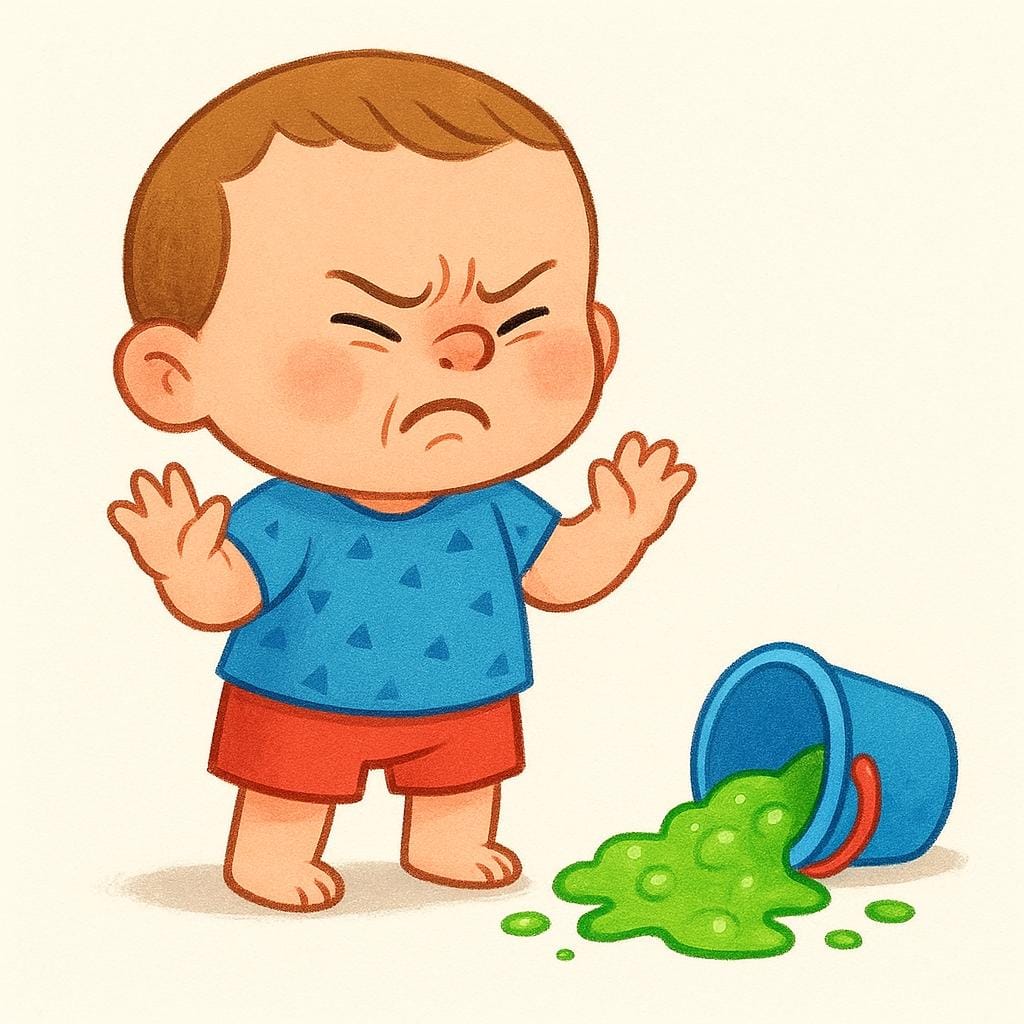
reh-poog-NAHN-tehre.puɣˈnan.te
Examples
El olor que salía de la alcantarilla era verdaderamente repugnante.
The smell coming out of the sewer was truly disgusting.
Muchos consideraron que su actitud egoísta era repugnante.
Many considered his selfish attitude to be repugnant.
Ella dijo que el sabor de la medicina era tan repugnante que no pudo tragarla.
She said the taste of the medicine was so repulsive that she couldn't swallow it.
Always Stays the Same (Gender)
Since this adjective ends in '-e', it doesn't change its form based on whether the thing it describes is masculine (el) or feminine (la). It only adds an '-s' for plural: 'cosas repugnantes'.
Confusing Ser and Estar
Mistake: “Using 'estar repugnante'.”
Correction: Always use 'ser repugnante'. This word describes an essential, lasting quality of something (it IS disgusting), not a temporary state (it is FEELING disgusting).
Asqueroso vs. Repugnante
Related Translations
Learn Spanish with Inklingo
Interactive stories, personalized learning, and more.