How to Say "respite" in Spanish
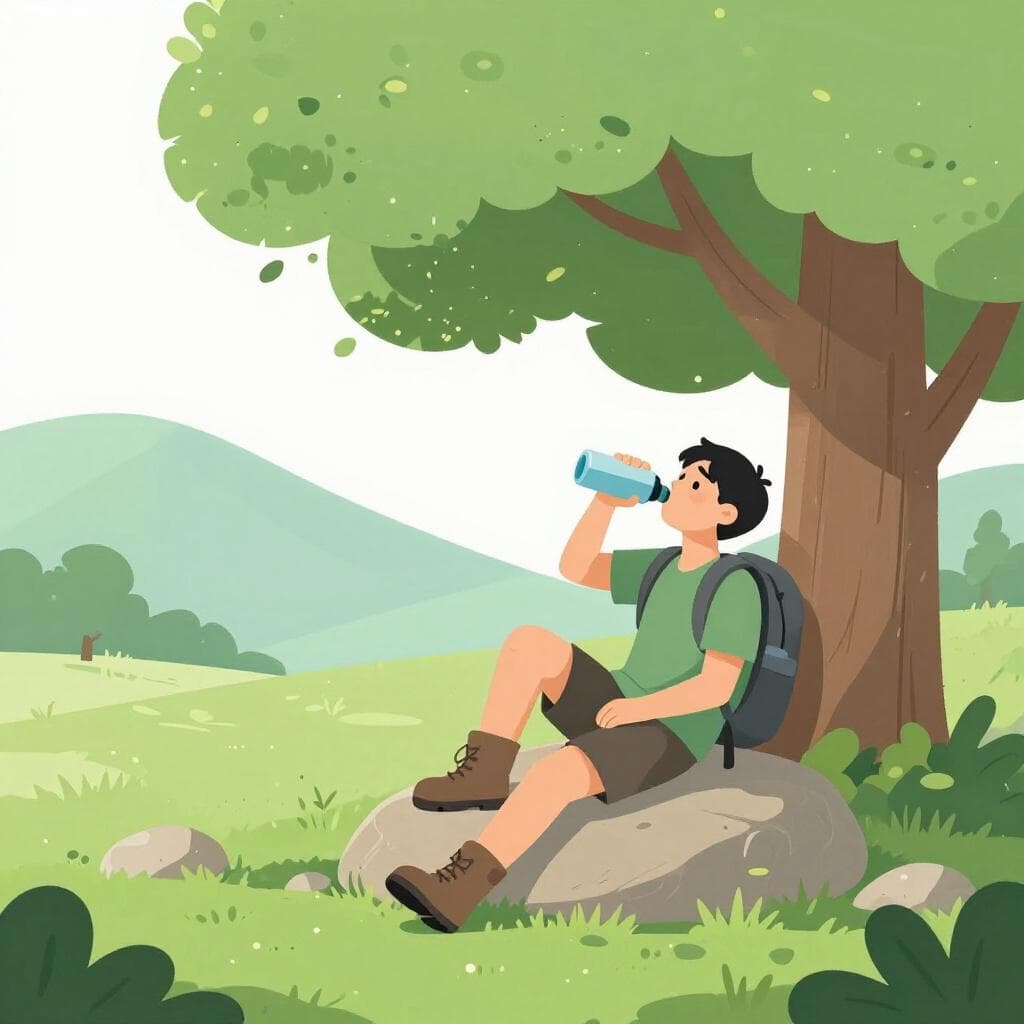
The most common Spanish word for “respite” is “respiro” — use 'respiro' when you need a personal break or relief from daily pressures, stress, or a demanding situation.

respiro
ress-PEE-rohresˈpiɾo

Examples
Necesito un respiro de la rutina diaria.
I need a break from the daily routine.
La tormenta nos dio un respiro del calor sofocante.
The storm gave us a respite from the suffocating heat.
Tómate un respiro, has estado trabajando por horas.
Take a break, you've been working for hours.
Masculine Noun Rule
'Respiro' is always a masculine noun, so you must use 'el' or 'un' before it, like 'el respiro' or 'un respiro'.
tregua
TREH-gwahˈtɾeɣwa
Examples
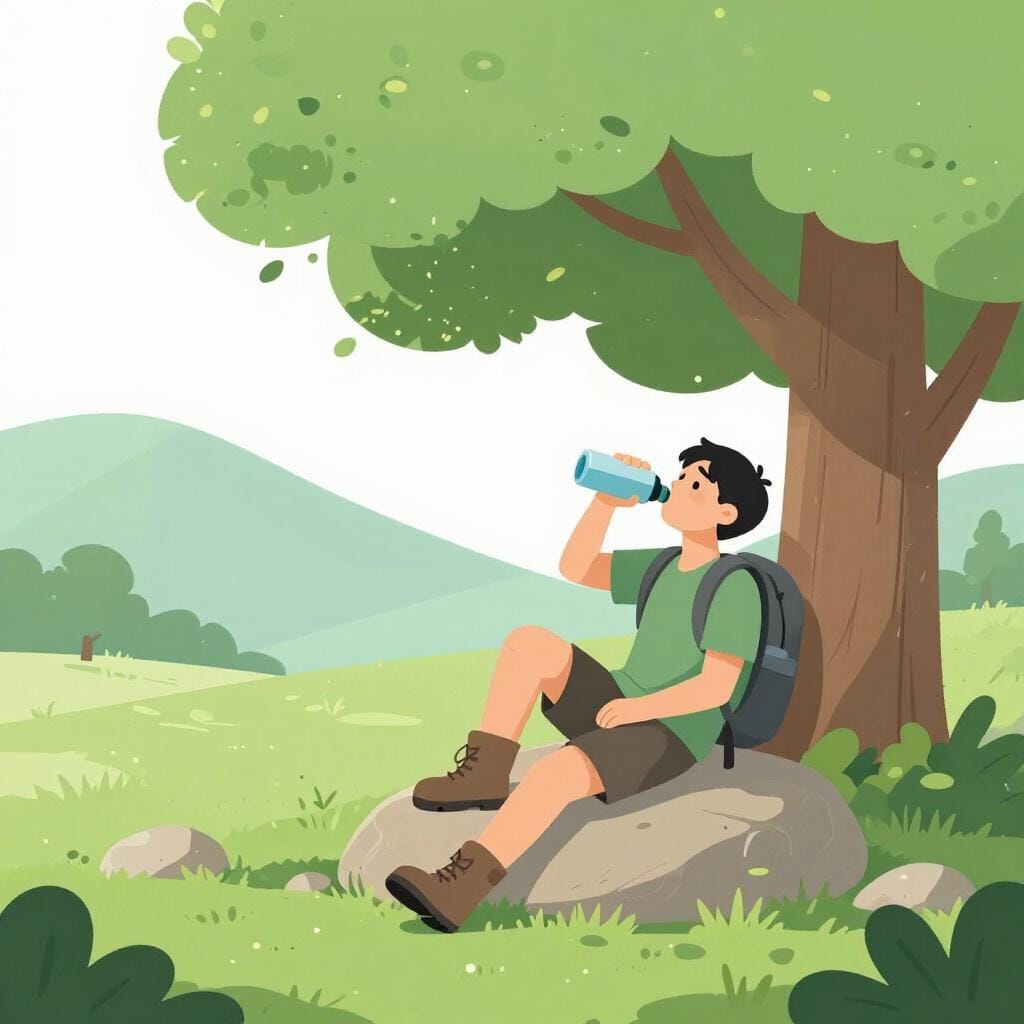
El trabajo no me da tregua esta semana.
Work is giving me no respite this week.
La lluvia no dio tregua durante todo el día.
The rain didn't let up all day long.
Using 'Dar'
To say something 'gives you a break' or 'lets up,' use the verb 'dar' (dar tregua).
Common Mix-up
Mistake: “Using 'descanso' for a ceasefire.”
Correction: Use 'descanso' for a physical rest, but 'tregua' for a formal stop in a conflict or a relentless situation.
Respiro vs. Tregua
Related Translations
Learn Spanish with Inklingo
Interactive stories, personalized learning, and more.