How to Say "rest" in Spanish
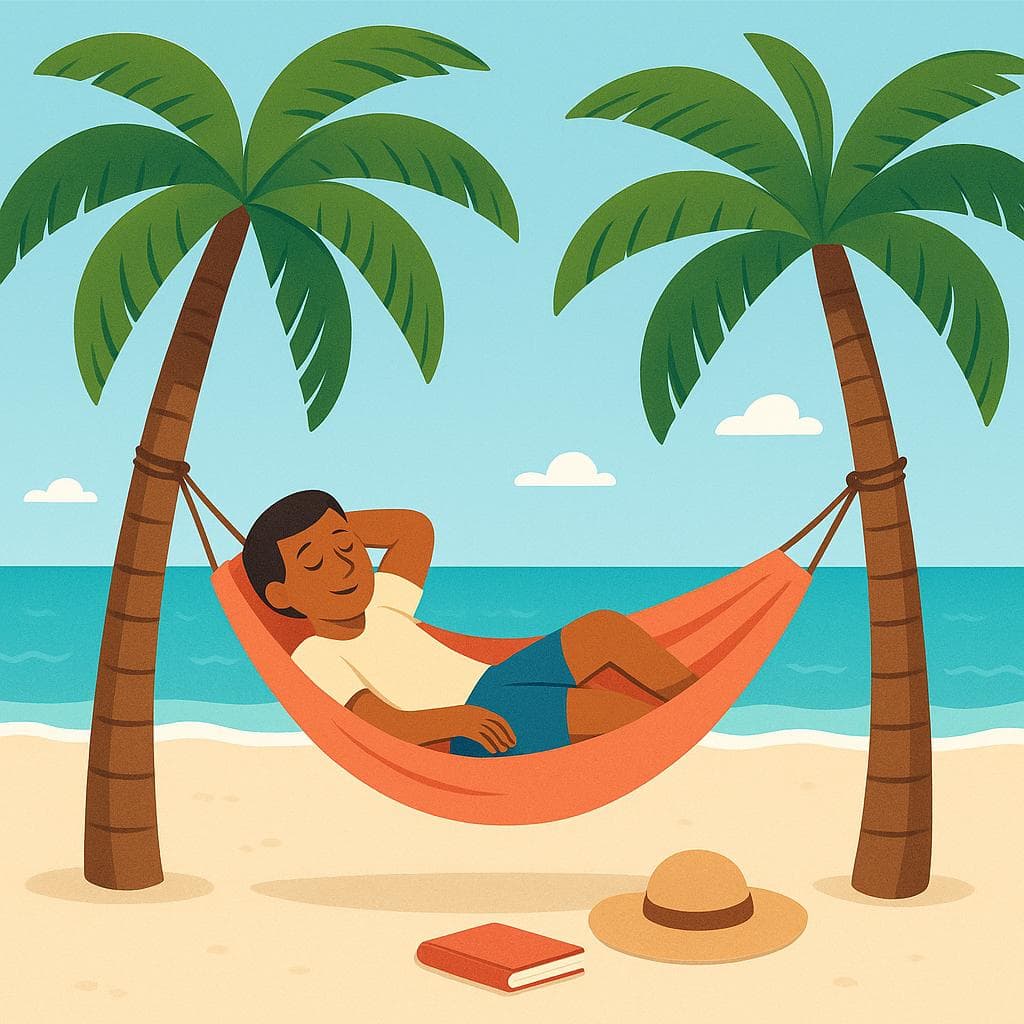
The most common Spanish word for “rest” is “descanso” — use 'descanso' for a general period of inactivity, a break from work or activity, or the state of being rested.
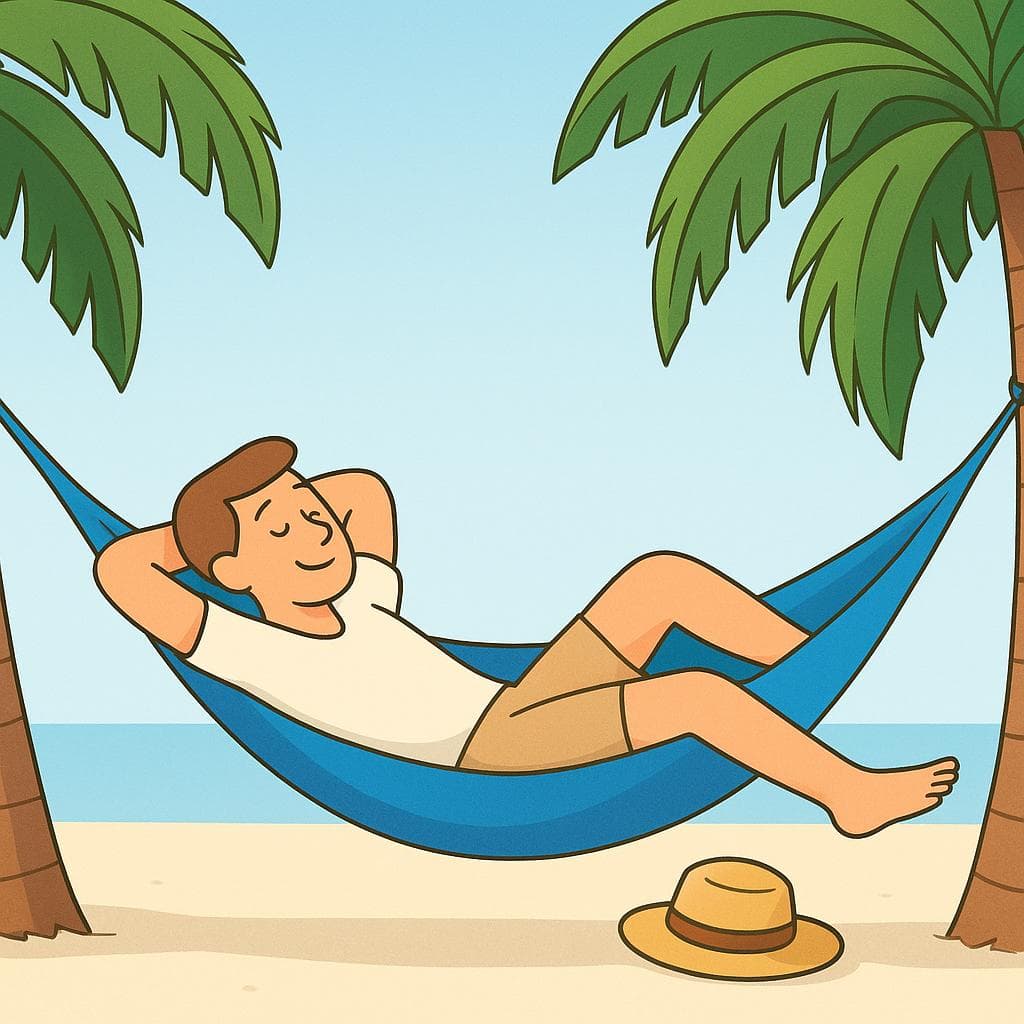

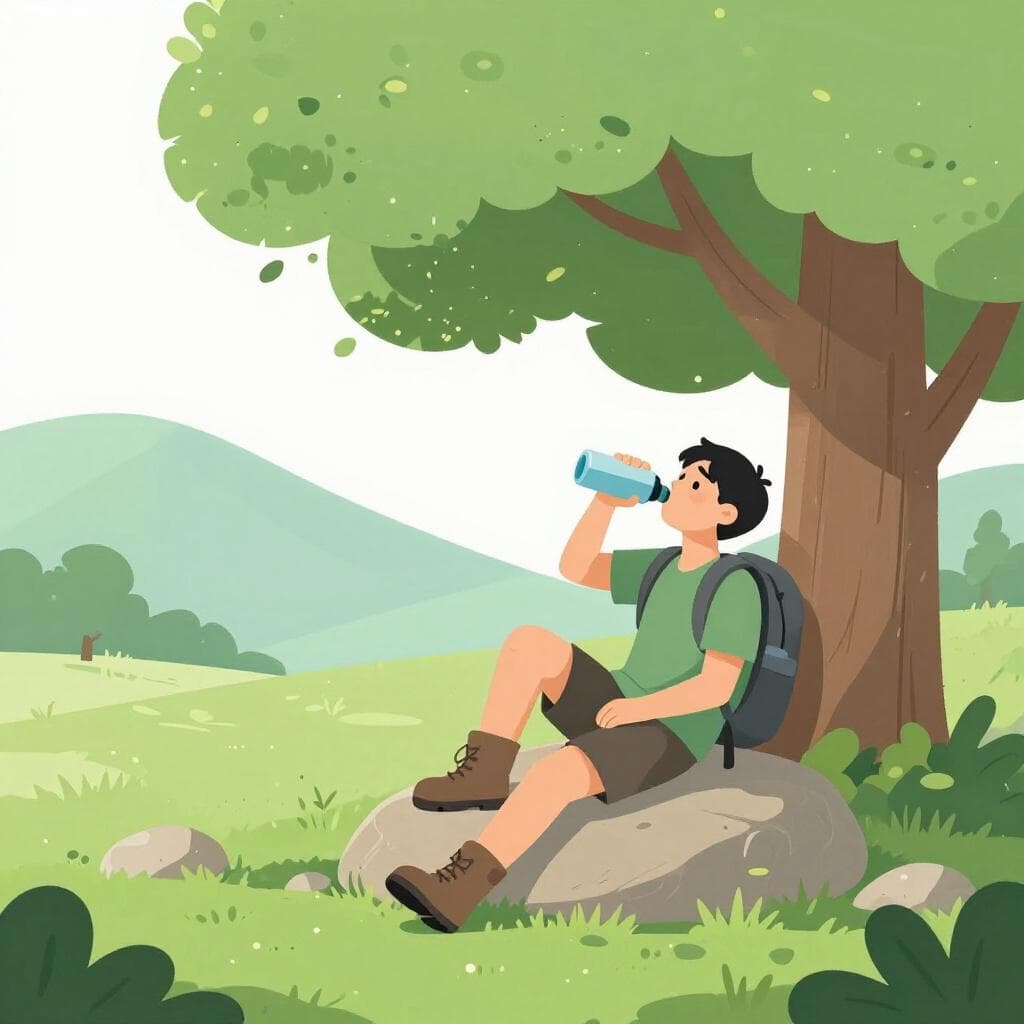
descanso
des-CAN-sodesˈkanso
Examples
Necesito un descanso después de caminar tanto.
I need a rest after walking so much.
El médico me ordenó descanso absoluto por dos días.
The doctor ordered me complete rest for two days.
¿Tomamos cinco minutos de descanso?
Shall we take a five-minute break?
Using the Verb Form
This noun comes from the verb 'descansar' (to rest). If you want to say 'I am resting,' use the verb: 'Estoy descansando' instead of trying to use the noun.
Confusing 'descanso' and 'sueño'
Mistake: “Using 'descanso' when you specifically mean 'sleep' (sueño/dormir).”
Correction: While rest is related to sleep, 'descanso' usually refers to a waking break or relaxation. Sleep itself is 'sueño'.
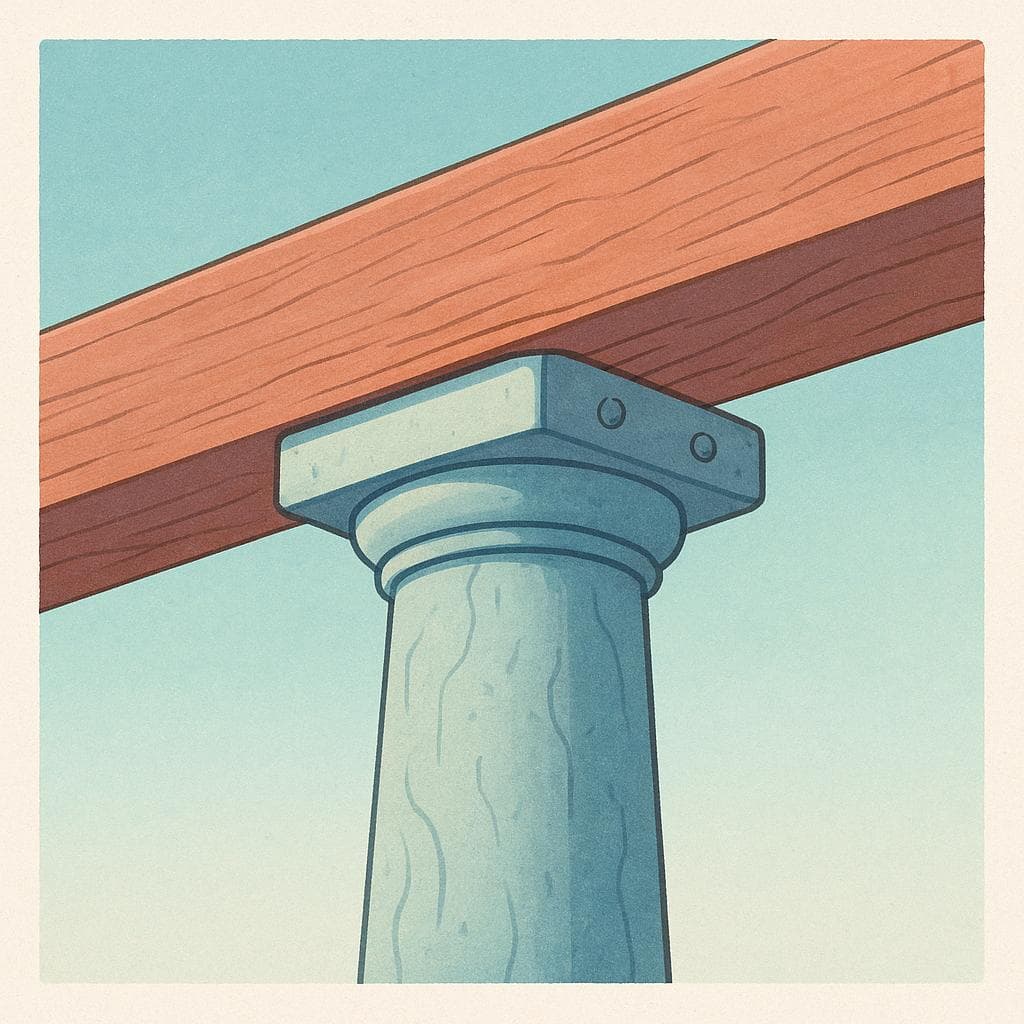
apoyo
ah-POY-ohaˈpoʝo
Examples
Gracias por tu apoyo incondicional durante la crisis.
Thank you for your unconditional support during the crisis.
El proyecto recibió un gran apoyo del gobierno local.
The project received great backing from the local government.
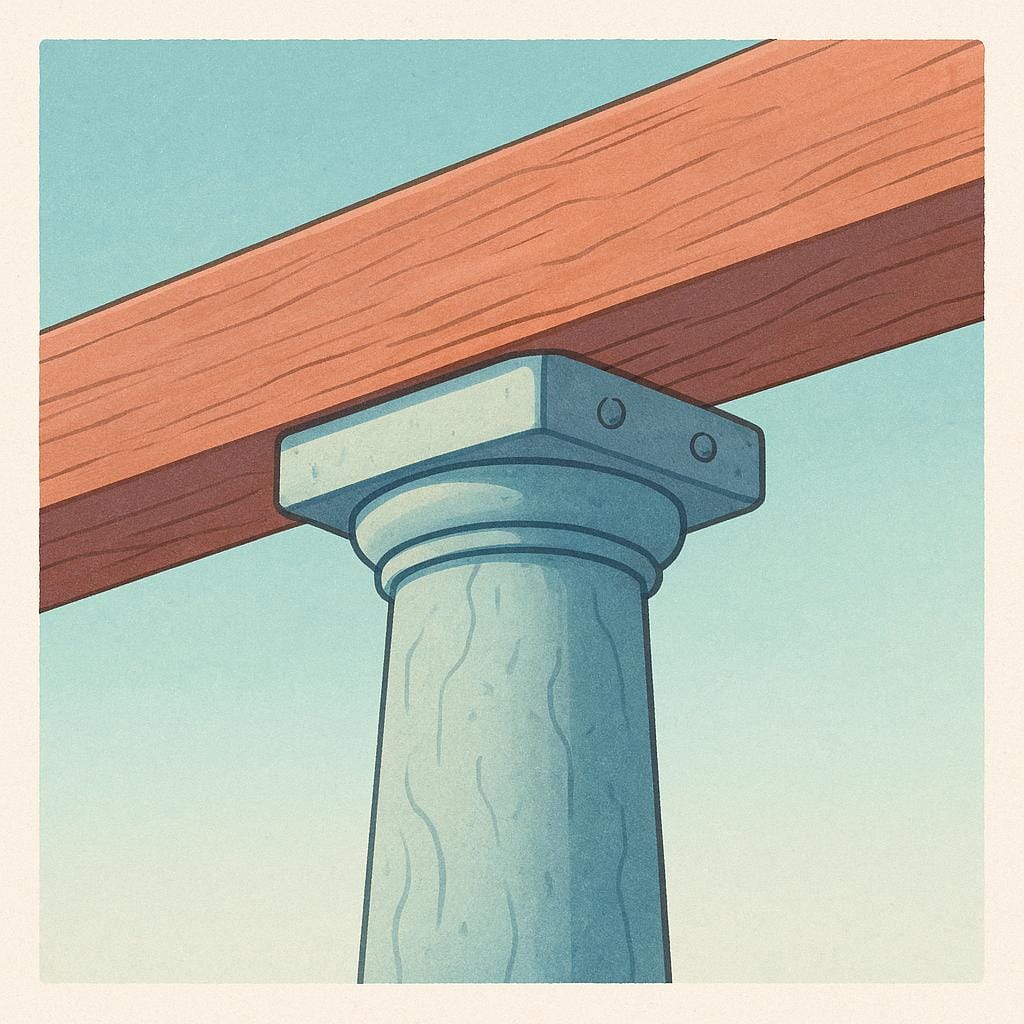
Necesitamos un punto de apoyo estable para subir la escalera.
We need a stable point of rest/support to climb the ladder.
Masculine Noun Rule
Since 'apoyo' ends in -o, it is almost always a masculine noun and uses the article 'el' (el apoyo, un apoyo).
resto
RREHS-toh'resto
Examples
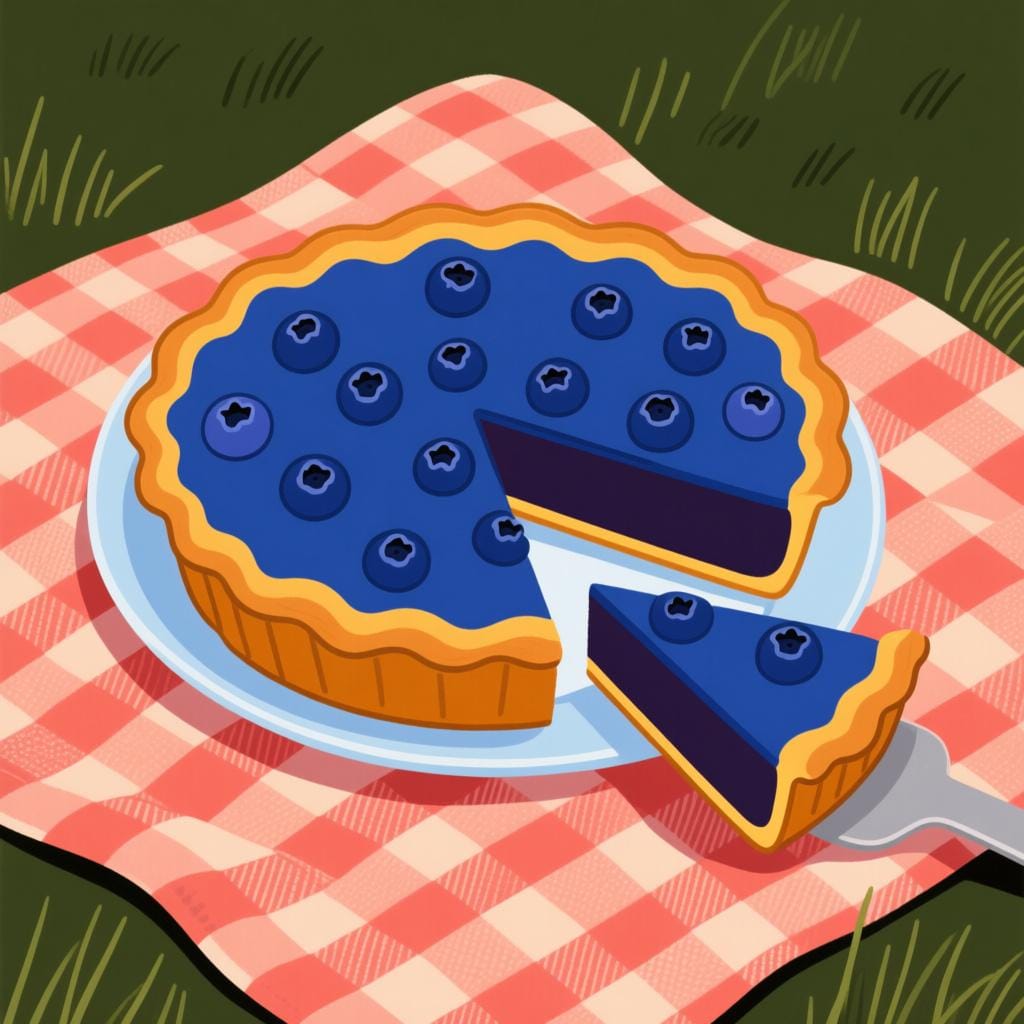
El resto del grupo llegará más tarde.
The rest of the group will arrive later.
Puedes comerte el resto de la pizza si quieres.
You can eat the rest of the pizza if you want.
Guardamos los restos de la cena para el almuerzo de mañana.
We saved the leftovers from dinner for tomorrow's lunch.
Always Use 'el resto de'
When you want to say 'the rest of something', you always need to add 'de' after 'el resto'. For example, 'el resto del día' (the rest of the day) or 'el resto de la gente' (the rest of the people).
'el resto' vs. 'los restos'
Mistake: “Usé el resto para hablar de la comida que sobró.”
Correction: Generally, for 'leftovers' (food), it's better to use the plural form: 'Guardé los restos de la cena'. 'El resto' refers to the remaining part of a single thing, like 'el resto de la película' (the rest of the movie).
reposo
reh-POH-sohreˈposo

Examples
El doctor me recetó tres días de reposo absoluto.
The doctor prescribed three days of complete bed rest.
Deja que la masa del pan tenga un tiempo de reposo.
Let the bread dough have some resting time.
El coche está en reposo frente a la casa.
The car is at rest in front of the house.
Using 'en reposo'
To say something is 'at rest' or 'resting,' you almost always use the phrase 'en reposo.' For example: 'El paciente está en reposo' (The patient is resting).
Reposo vs. Descanso
While both mean 'rest,' use 'reposo' for medical recovery or scientific stillness. Use 'descanso' for a short break from work or a nap.
Using it as a verb
Mistake: “Yo reposo mucho los domingos.”
Correction: This isn't strictly wrong because 'reposo' is also a form of the verb 'reposar,' but it's much more natural to say 'Yo descanso mucho' for general relaxation.
descanse
des-CAHN-sehdesˈkanse
Examples
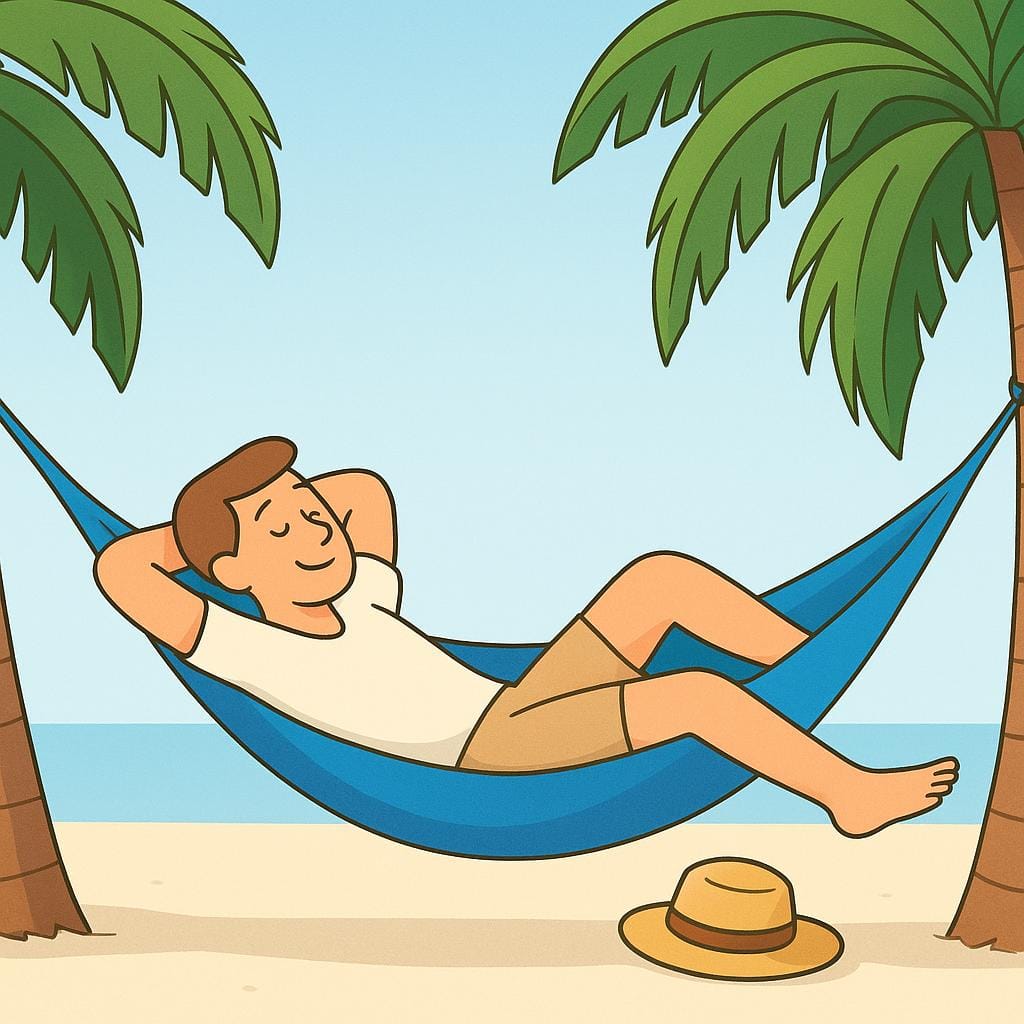
Por favor, descanse y recupere energías.
Please, rest and recover your energy.
Señora Pérez, descanse un poco antes de la reunión.
Mrs. Pérez, rest a little before the meeting.
No se preocupe, descanse tranquilo.
Don't worry, rest easy.
Formal Commands
When you want to give a polite order or request to someone you address as 'Usted' (formal 'you'), you use this specific verb form, which looks exactly like the 'yo' form of the present subjunctive.
Negative Commands
To tell someone formally not to rest, you use the same form but add 'no' in front: 'No descanse todavía' (Don't rest yet).
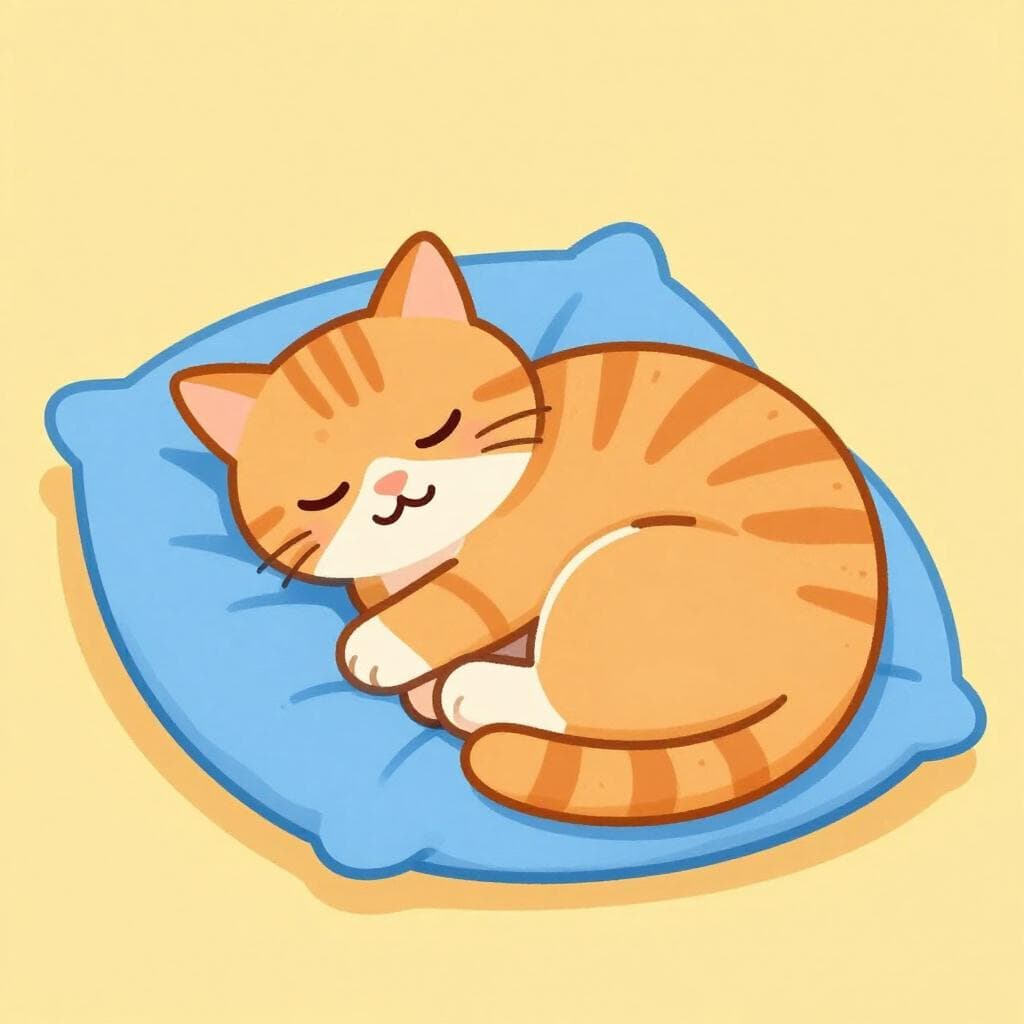
dormida
dor-MEE-dahdoɾˈmiða

Examples
Después de comer, me voy a echar una dormida de veinte minutos.
After eating, I'm going to take a twenty-minute nap.
Necesito una buena dormida para recuperarme del viaje.
I need a good sleep to recover from the trip.
Using 'Echar'
The phrase 'echar una dormida' is very common. 'Echar' here means 'to toss' or 'to throw,' but in this context, it simply means 'to take' or 'to have' a short sleep.
Confusing 'Dormida' and 'Sueño'
Mistake: “Using 'dormida' when you mean 'dream' or 'sleepiness' ('Tengo mucha dormida').”
Correction: Use 'sueño' for 'sleepiness' ('Tengo mucho sueño') or 'dream' ('un sueño'). 'Dormida' is usually the *act* of taking a short rest.
tregua
TREH-gwahˈtɾeɣwa
Examples
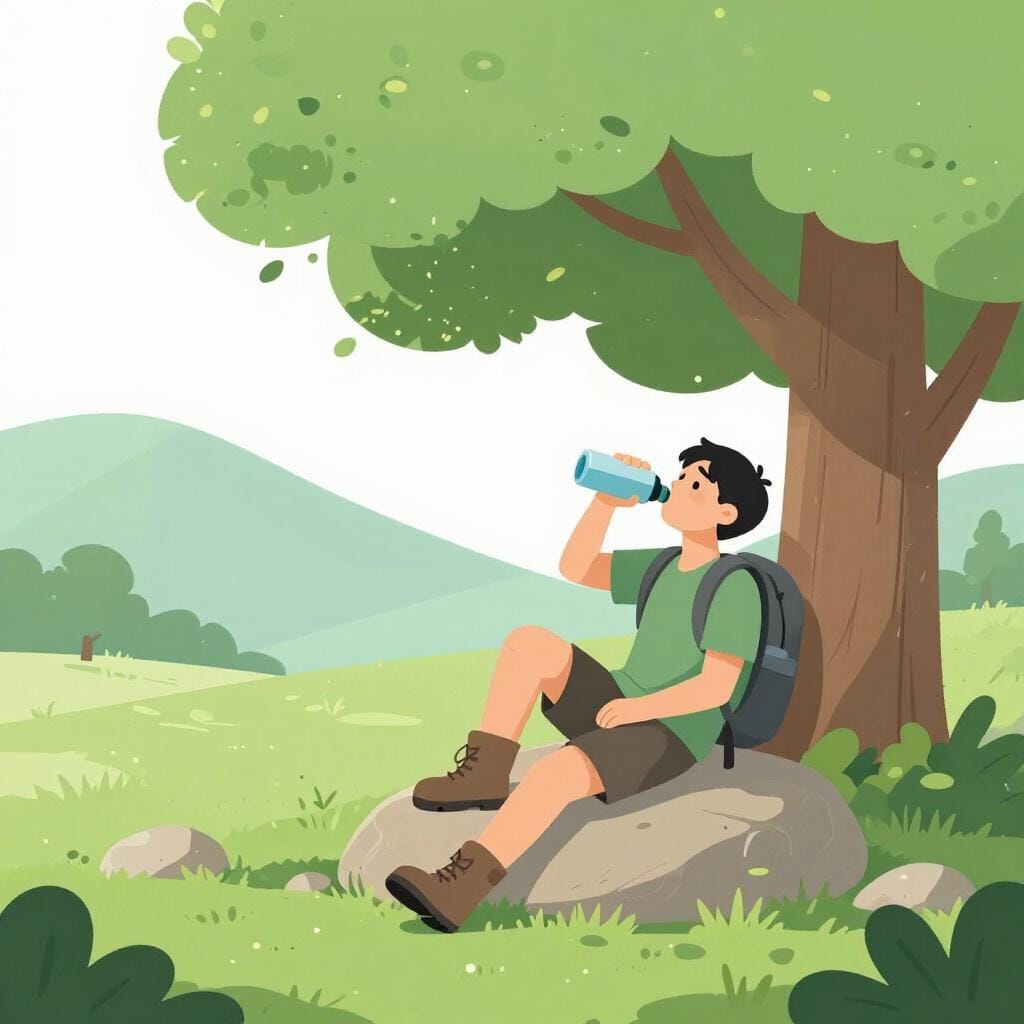
El trabajo no me da tregua esta semana.
Work is giving me no respite this week.
La lluvia no dio tregua durante todo el día.
The rain didn't let up all day long.
Using 'Dar'
To say something 'gives you a break' or 'lets up,' use the verb 'dar' (dar tregua).
Common Mix-up
Mistake: “Using 'descanso' for a ceasefire.”
Correction: Use 'descanso' for a physical rest, but 'tregua' for a formal stop in a conflict or a relentless situation.
General Rest vs. Remaining Part
Related Translations
Learn Spanish with Inklingo
Interactive stories, personalized learning, and more.