How to Say "rocks" in Spanish
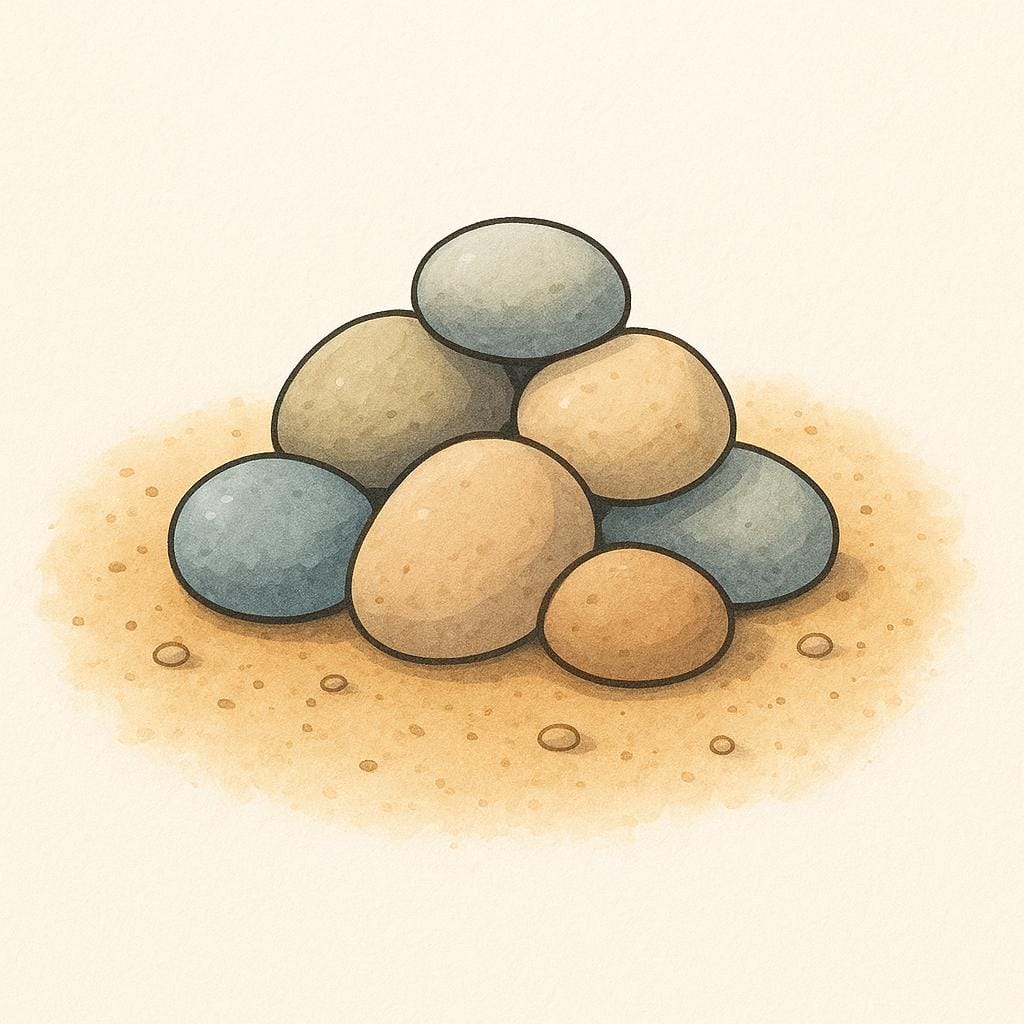
The most common Spanish word for “rocks” is “piedras” — use 'piedras' for smaller, individual pieces of rock, like those you might find on a beach or in a garden.
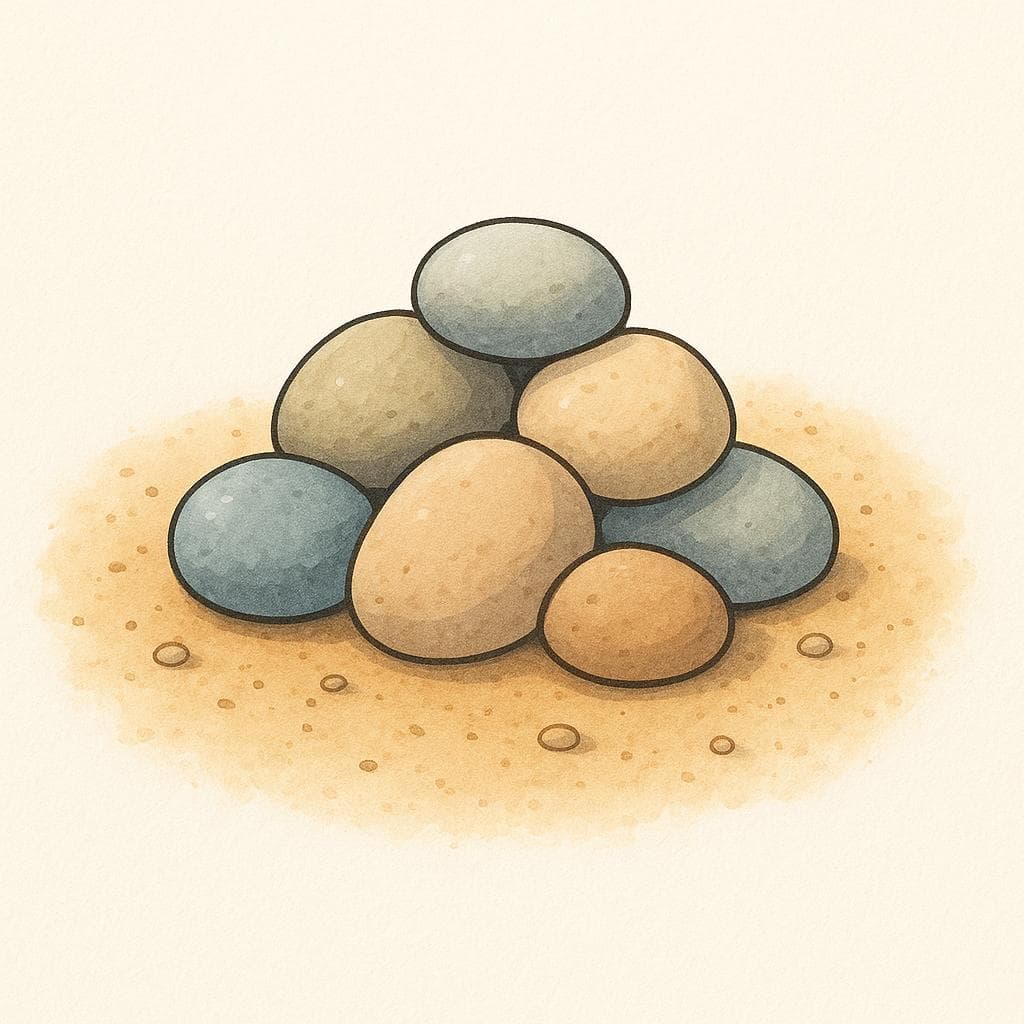
piedras
pyeh-drahsˈpjéðɾas
Examples
La playa estaba llena de piedras lisas y redondas.
The beach was full of smooth, round stones.
Los niños recogieron muchas piedras en la playa.
The children collected many stones on the beach.
Hay que tener cuidado con las piedras en el camino.
You have to be careful with the rocks on the road.
Ella lleva un collar con piedras preciosas.
She is wearing a necklace with precious gems.
Feminine Plural
This word is the plural form of 'piedra' (stone). Remember that 'piedra' is always a feminine word, so any words describing it must also be feminine (e.g., 'piedras blancas').
Countable Noun
'Piedras' is a countable noun, meaning you can count individual stones. Use numbers or quantity words like 'muchas' (many) with it.
Gender confusion
Mistake: “Los piedras son grandes.”
Correction: Las piedras son grandes. (Since 'piedra' is feminine, the article 'las' must be used.)
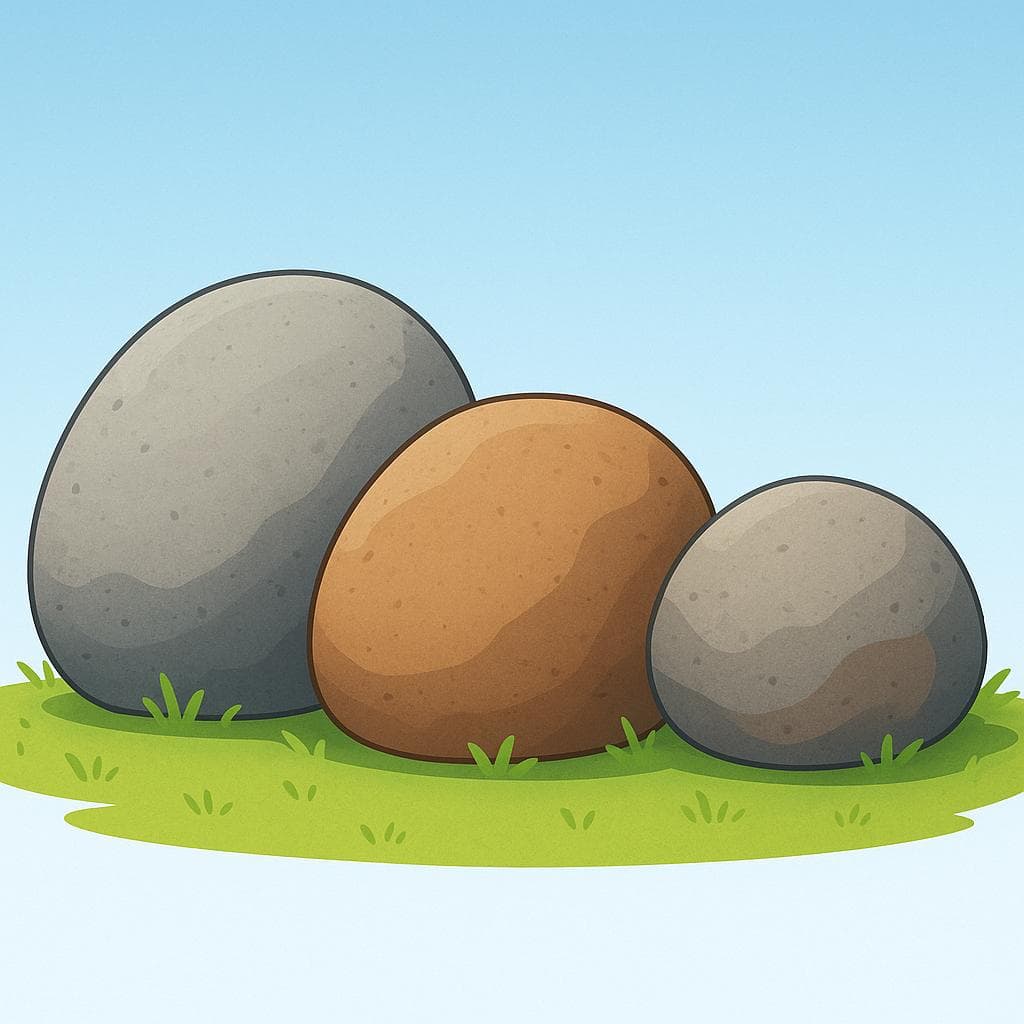
rocas
ROH-kasˈro.kas
Examples
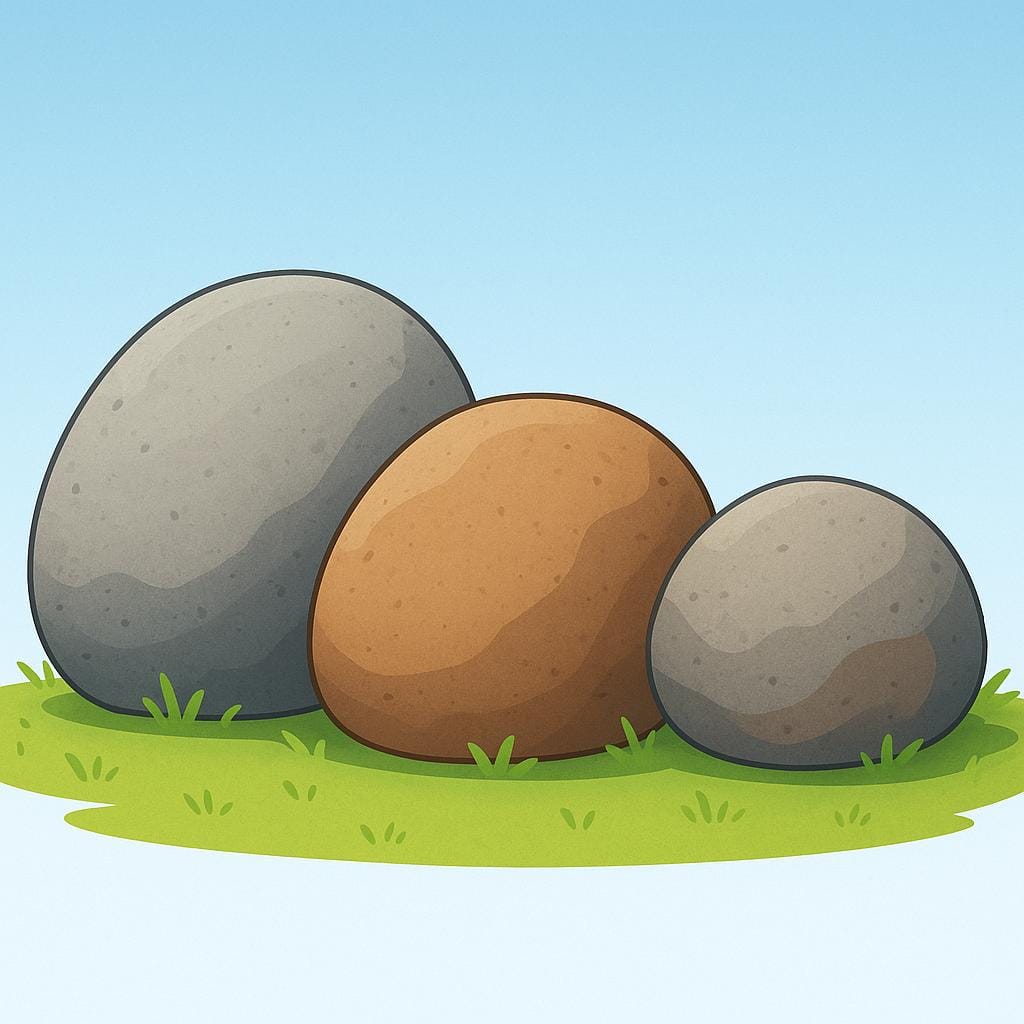
Los escaladores admiraron las imponentes rocas de la montaña.
The climbers admired the imposing rocks of the mountain.
Tuvimos que escalar por encima de muchas rocas para llegar a la cima.
We had to climb over many rocks to reach the summit.
El mar golpea fuertemente contra las rocas de la costa.
The sea strongly hits against the rocks on the coast.
Always Feminine Plural
Since 'roca' (rock) is a feminine word, its plural form 'rocas' requires feminine words like 'las' or 'muchas' to go with it.
Using the wrong article
Mistake: “Los rocas son duras.”
Correction: Las rocas son duras. (Remember, use 'las' because 'rocas' is feminine.)
Piedras vs. Rocas
Learn Spanish with Inklingo
Interactive stories, personalized learning, and more.