How to Say "royal" in Spanish
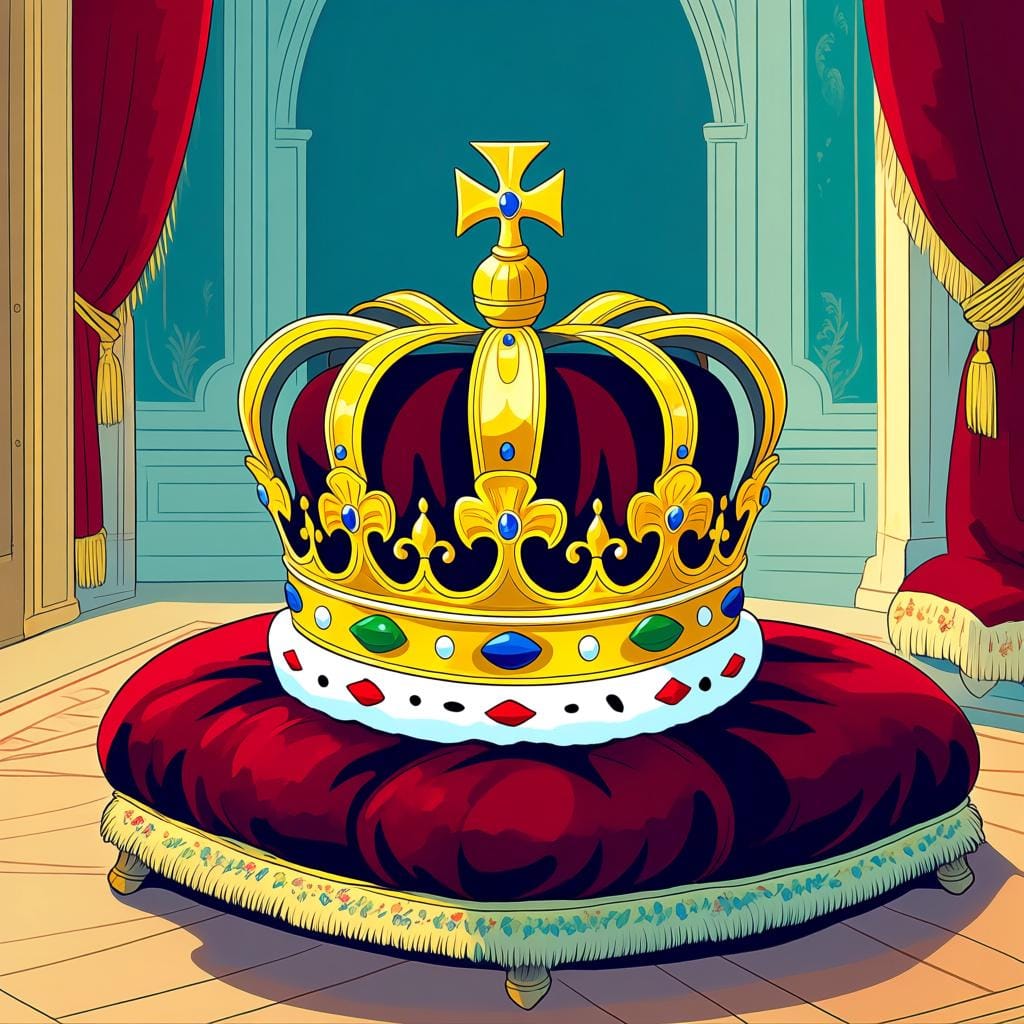
The most common Spanish word for “royal” is “real” — use 'real' when referring to something directly connected to a king or queen, such as a palace, family, or title.


real
rreh-AHLreˈal
Examples
El Palacio Real de Madrid es una atracción turística muy popular.
The Royal Palace of Madrid is a very popular tourist attraction.
La familia real británica tiene una larga historia.
The British royal family has a long history.
El club de fútbol se llama Real Madrid.
The football club is called Real Madrid.
Placement is Key
This meaning of 'real' almost always comes before the noun when it's part of a title or proper name, like 'Real Madrid' or 'la Real Academia Española'. When describing something, it usually comes after, like 'un palacio real'.
Mixing up the two 'reals'
Mistake: “Seeing 'El problema es real' and thinking it means 'The problem is royal.'”
Correction: Context is your best friend! If the word describes something like a palace, a family, or an academy, it probably means 'royal'. If it describes a situation, a story, or a feeling, it means 'actual' or 'real'.
imperial
eem-peh-ryahlimpeˈɾjal

Examples
Visitamos las ruinas del antiguo palacio imperial.
We visited the ruins of the old imperial palace.
El águila imperial es un símbolo de poder.
The imperial eagle is a symbol of power.
One form for both genders
This word doesn't change its ending for masculine or feminine. You can say 'el palacio imperial' or 'la corona imperial' and the word stays exactly the same.
Confusing 'Real' and 'Imperial'
Learn Spanish with Inklingo
Interactive stories, personalized learning, and more.