How to Say "scenery" in Spanish
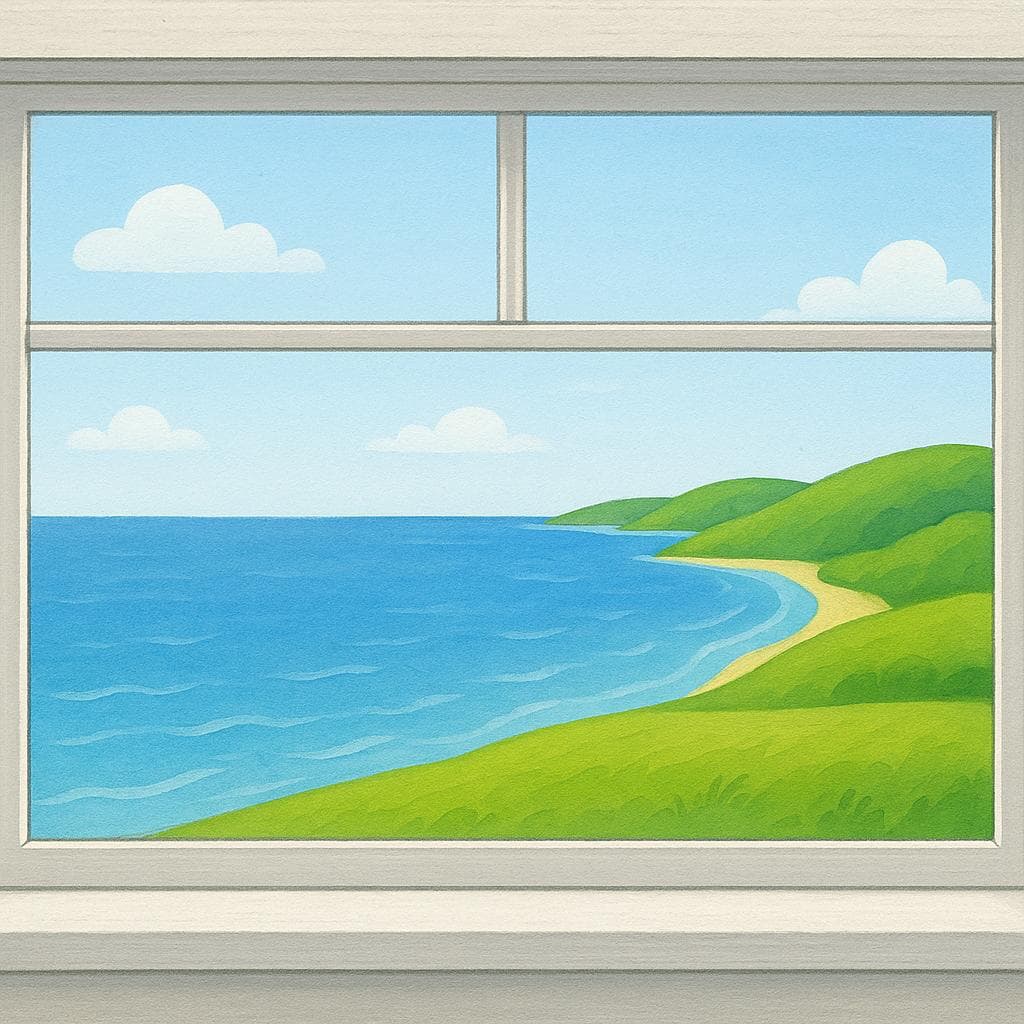
The most common Spanish word for “scenery” is “paisaje” — use this word when referring to the natural features of a landscape, such as mountains, valleys, or coastlines, as seen from a particular viewpoint.

paisaje
pie-SAH-haypaiˈsaxe

Examples
El paisaje desde la cima de la montaña es impresionante.
The scenery from the top of the mountain is impressive.
Me encanta mirar el paisaje cuando viajo en tren.
I love looking at the scenery when I travel by train.
España tiene paisajes muy variados, desde bosques hasta desiertos.
Spain has very varied landscapes, from forests to deserts.
Masculine Ending
Words that end in '-aje' in Spanish are almost always masculine. This means you should use 'el' or 'un' with them (el paisaje, un paisaje).
Don't say 'la paisaje'
Mistake: “La paisaje es bonito.”
Correction: El paisaje es bonito.
vista
BEES-tahˈbista
Examples
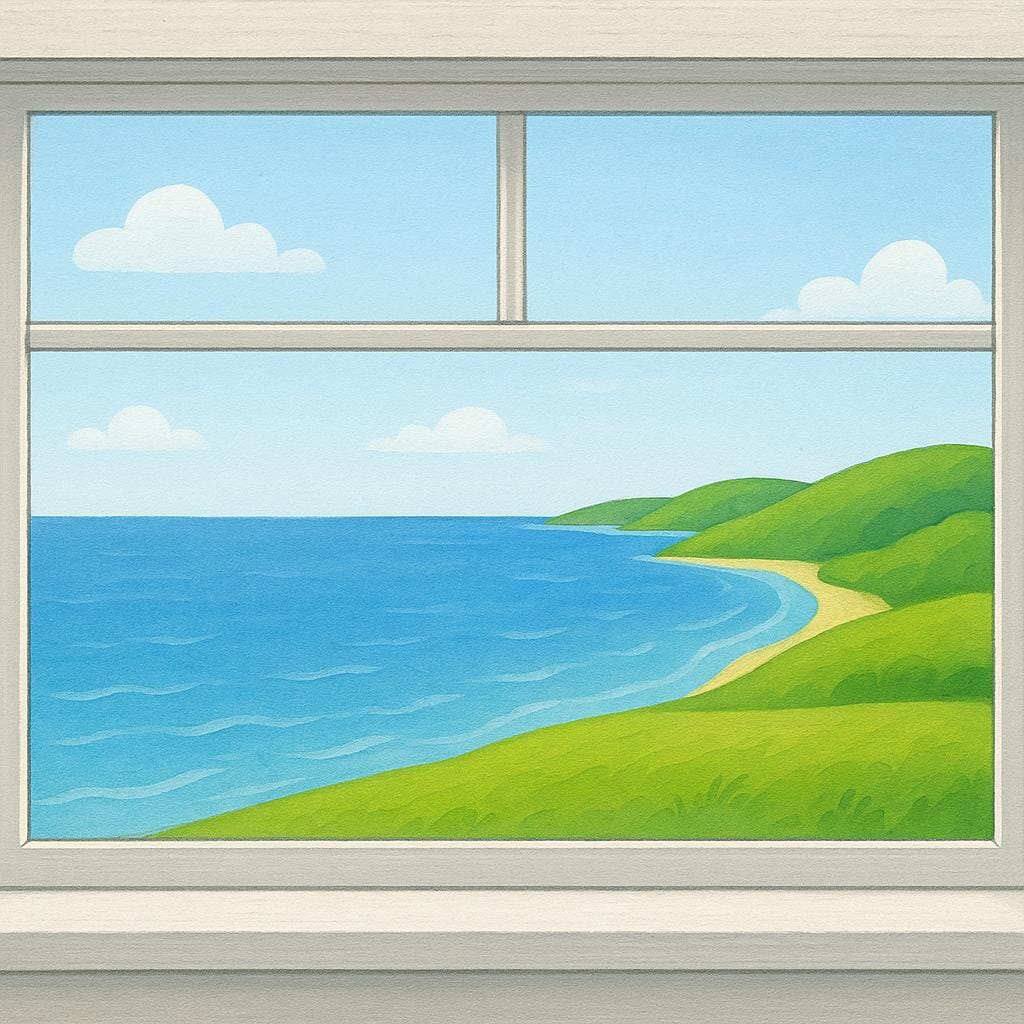
Quiero una habitación de hotel con vistas al mar.
I want a hotel room with a sea view.
La vista desde la cima de la montaña es espectacular.
The view from the top of the mountain is spectacular.
Este apartamento no tiene buenas vistas.
This apartment doesn't have good views.
Singular vs. Plural: 'vista' vs. 'vistas'
You can use the plural 'vistas' to talk about views, especially when booking hotels. 'Una habitación con vistas' (a room with views) is very common and sounds natural.
decorado
deh-ko-RAH-dohdekoˈɾaðo
Examples
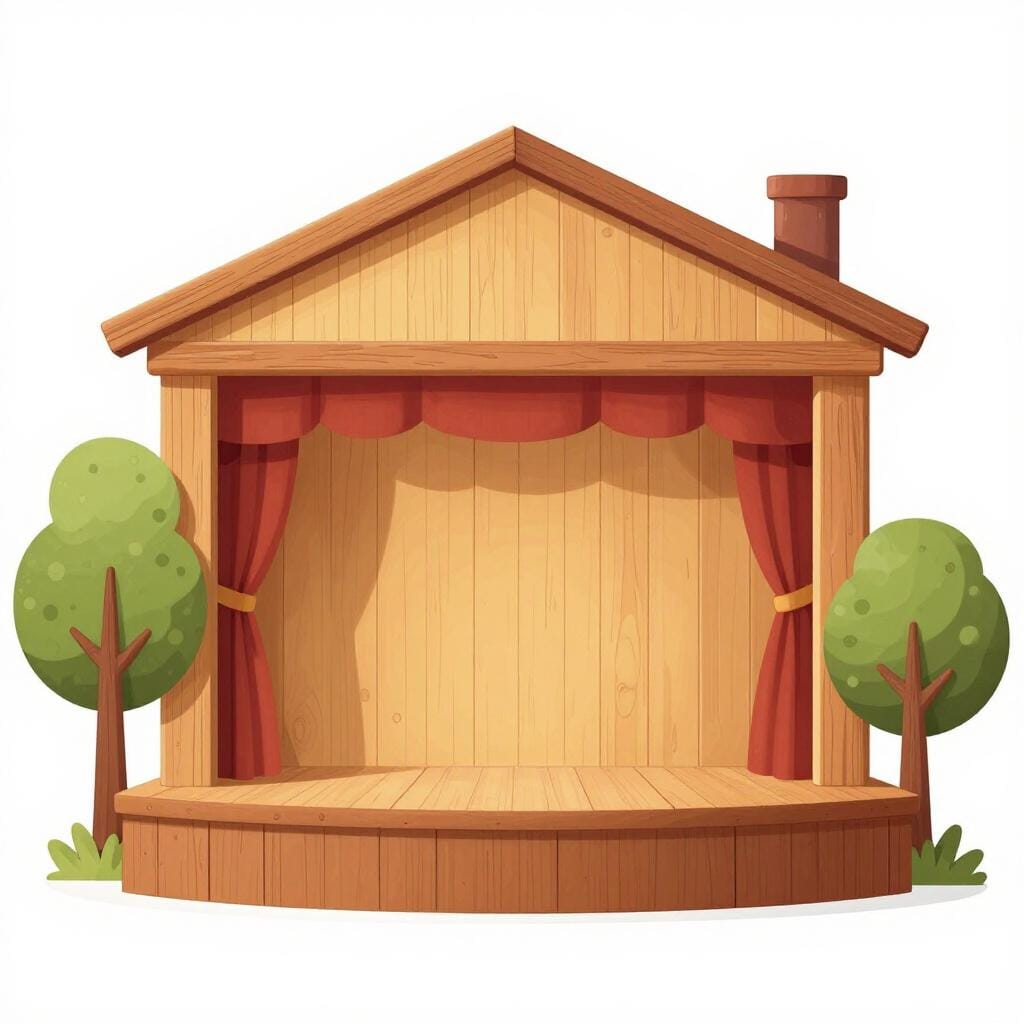
El decorado de la película era muy realista.
The scenery for the movie was very realistic.
Están cambiando el decorado para el segundo acto.
They are changing the scenery for the second act.
Me encanta el decorado minimalista de este restaurante.
I love the minimalist decor of this restaurant.
Nouns and Gender
As a noun meaning 'a set,' it is always masculine (el decorado), regardless of who created it.
Decorado vs. Decoración
Mistake: “Using 'decorado' to talk about the act of hanging Christmas lights.”
Correction: Use 'decoración' for the action or the ornaments themselves; use 'decorado' for the overall physical setting or a stage set.
decoración
Examples
La decoración del segundo acto era un bosque oscuro.
The scenery for the second act was a dark forest.
Natural vs. Artificial Scenery
Related Translations
Learn Spanish with Inklingo
Interactive stories, personalized learning, and more.