How to Say "scent" in Spanish
The most common Spanish word for “scent” is “olor” — use 'olor' for any kind of smell, whether pleasant or unpleasant, often referring to the general quality of a smell. It's a very common and versatile word.


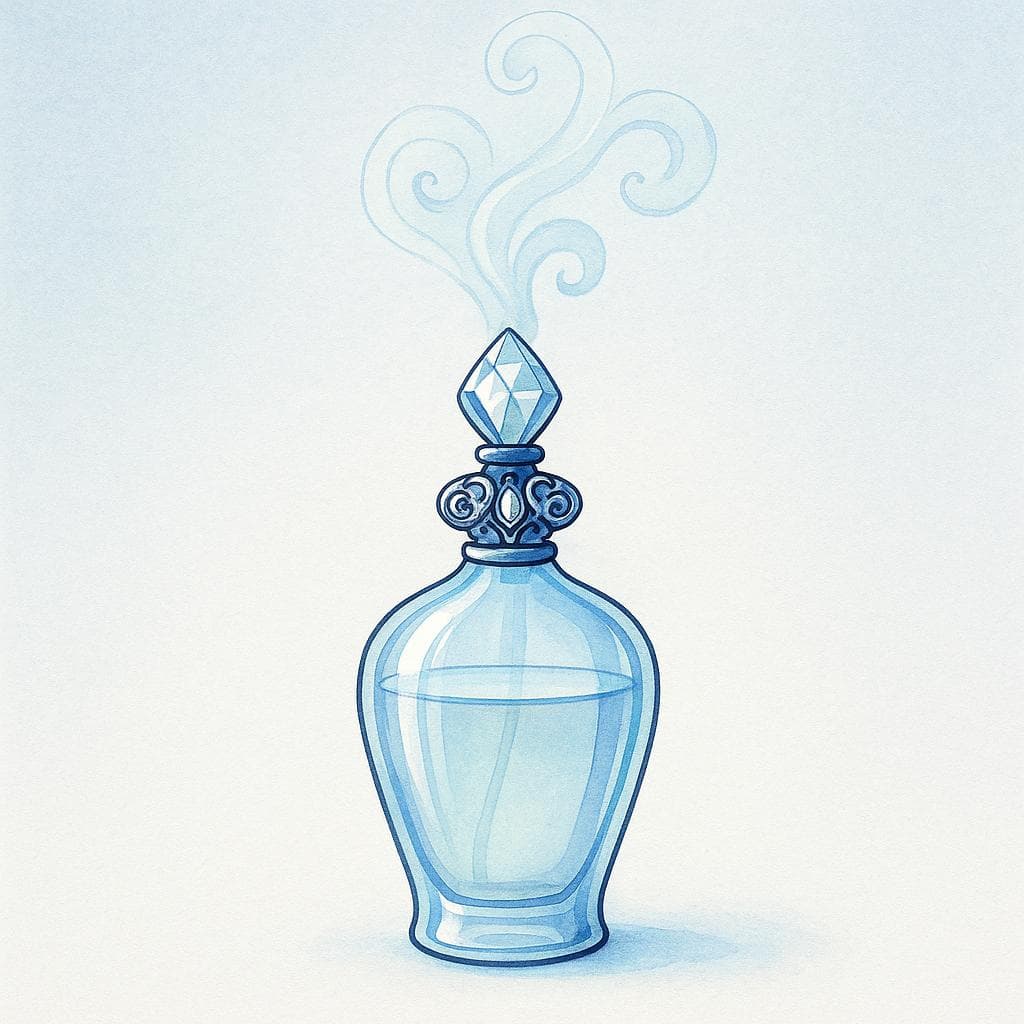
olor
oh-LOHRoˈlor

Examples
¡Qué buen olor tiene este café!
What a great smell this coffee has!
El olor a gasolina me da dolor de cabeza.
The smell of gasoline gives me a headache.
Ese olor extraño viene de la cocina.
That strange odor is coming from the kitchen.
Masculine Noun
Even though it ends in -r, 'olor' is always masculine: 'el olor', 'un olor'.
Describing Smells
To say something 'smells like' something else, use 'tener olor a...': 'La casa tiene olor a flores' (The house smells like flowers).
Using 'La' instead of 'El'
Mistake: “La olor es horrible.”
Correction: El olor es horrible. ('Olor' is masculine, even though it ends in 'r'.)
aroma
ah-ROH-mahaˈɾoma

Examples
Me encanta el aroma del café por la mañana.
I love the scent of coffee in the morning.
Las flores del jardín desprenden un aroma dulce.
The flowers in the garden give off a sweet fragrance.
El vino tiene un aroma frutal muy intenso.
The wine has a very intense fruity aroma.
The 'Masculine -a' Rule
Even though this word ends in '-a,' it is masculine. You must use 'el' or 'un' instead of 'la' or 'una.' This often happens with words that come from Greek.
Using 'la' instead of 'el'
Mistake: “La aroma es dulce.”
Correction: El aroma es dulce. Because the word is masculine, the words describing it (like 'the' or 'sweet') must match its masculine gender.
perfume
per-FOO-mehpeɾˈfume
Examples
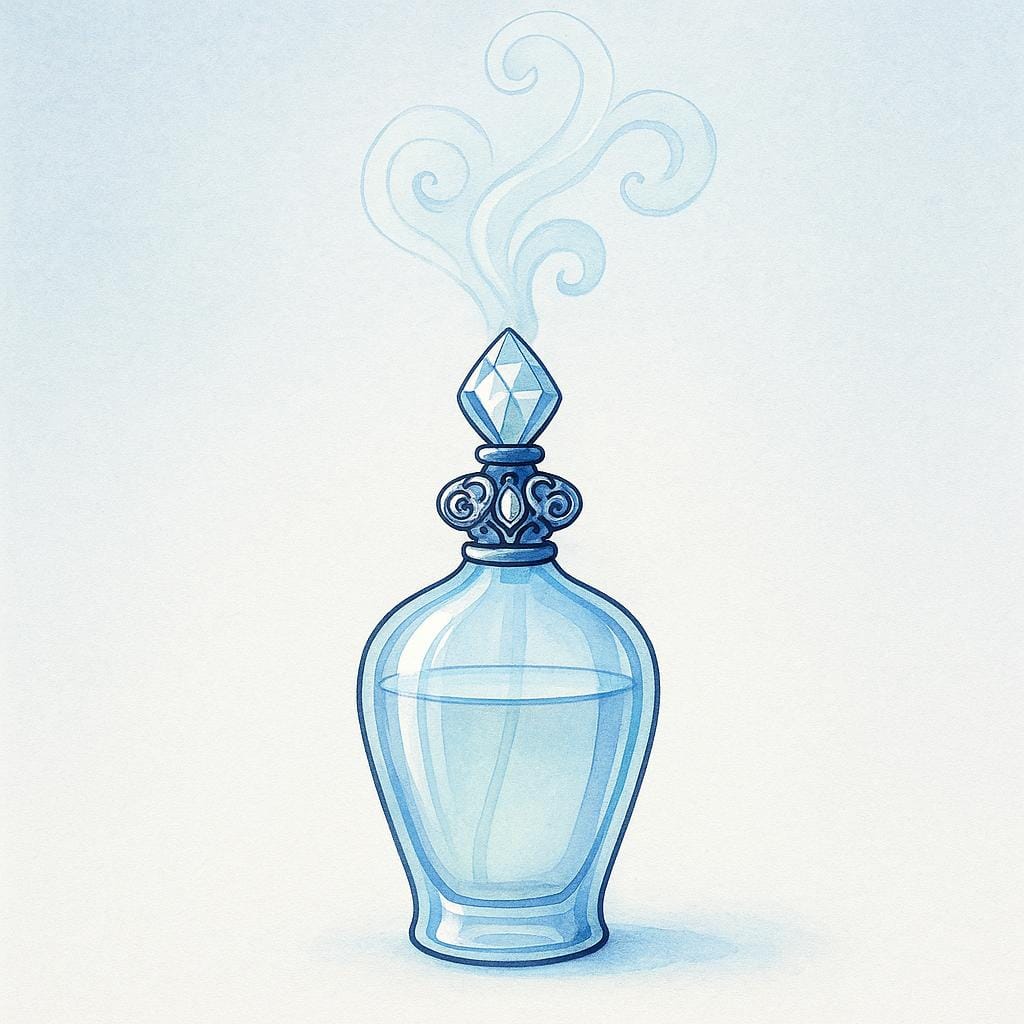
Compré un nuevo perfume para la fiesta.
I bought a new perfume for the party.
El perfume de las flores llenó toda la habitación.
The fragrance of the flowers filled the whole room.
¿Qué perfume usas? Huele delicioso.
What perfume do you wear? It smells delicious.
Masculine Gender Rule
Even though 'perfume' ends in '-e', it is a masculine noun. Always use 'el' or 'un' before it: 'el perfume'.
Gender Confusion
Mistake: “La perfume es muy fuerte.”
Correction: El perfume es muy fuerte. (Remember, it's masculine, so use 'el'.)
rastro
RRAH-strohˈras.tɾo
Examples
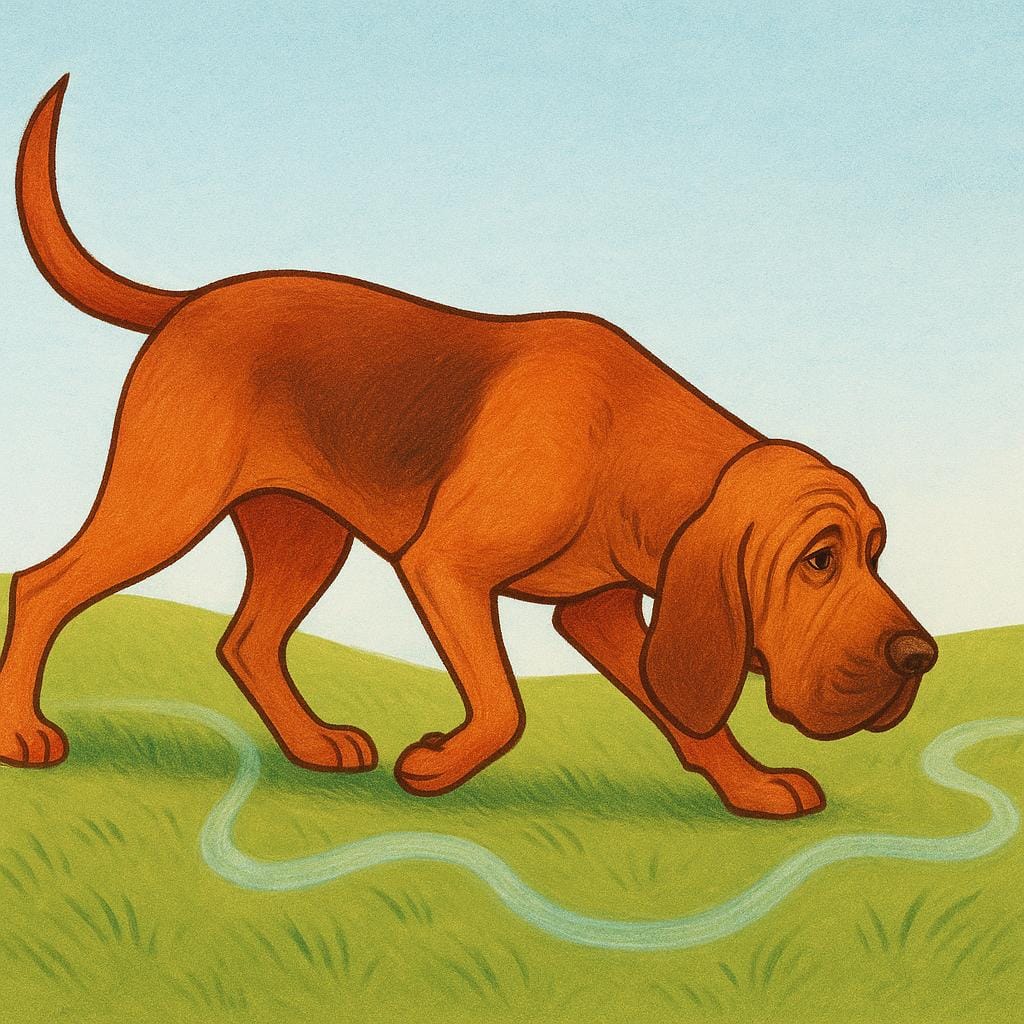
El perro olfateó el rastro del conejo.
The dog sniffed the rabbit's scent.
Aún queda un rastro de humo en la habitación.
There is still a trace/smell of smoke left in the room.
Olor vs. Aroma
Related Translations
Learn Spanish with Inklingo
Interactive stories, personalized learning, and more.