perfume
“perfume” means “perfume” in Spanish (scented liquid for the body).
perfume, fragrance
Also: scent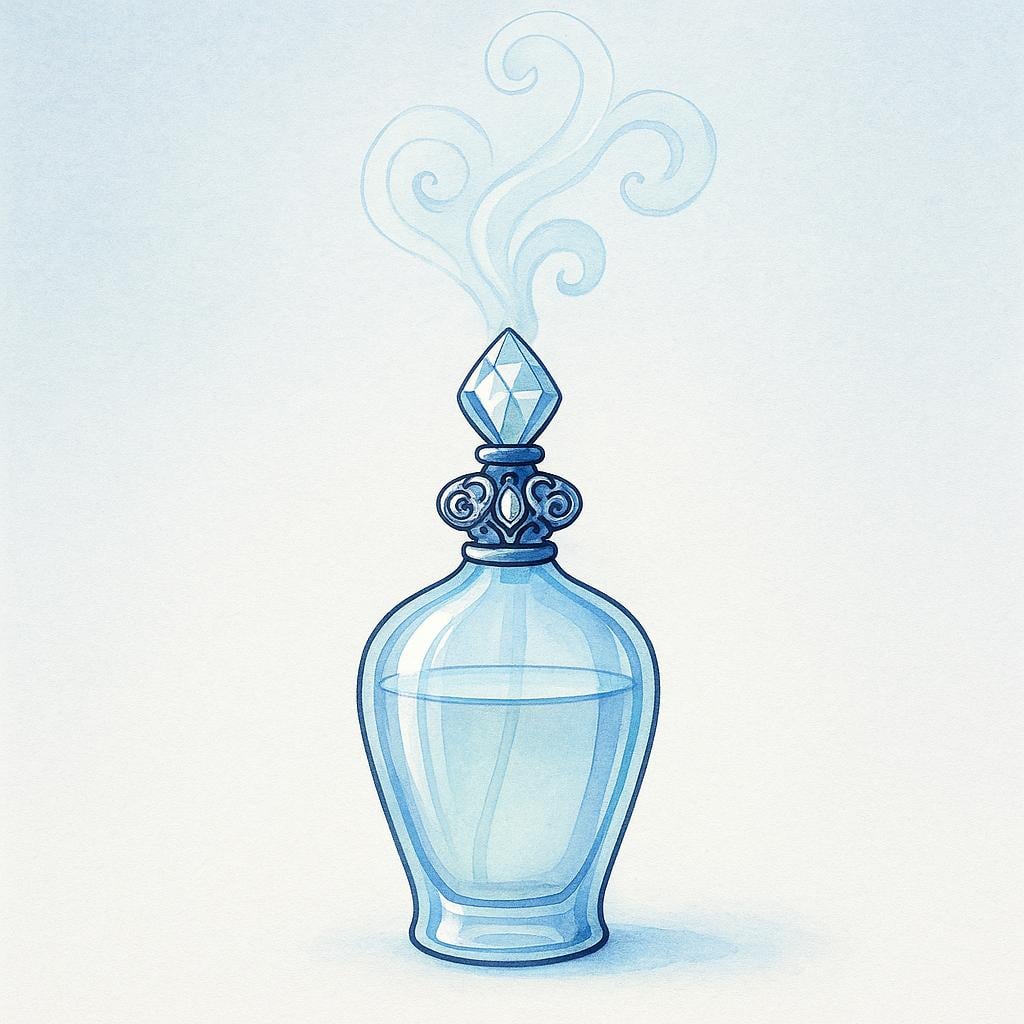
📝 In Action
Compré un nuevo perfume para la fiesta.
A1I bought a new perfume for the party.
El perfume de las flores llenó toda la habitación.
A2The fragrance of the flowers filled the whole room.
¿Qué perfume usas? Huele delicioso.
A1What perfume do you wear? It smells delicious.
Translate to Spanish
✏️ Quick Practice
Quick Quiz: perfume
Question 1 of 2
Which sentence correctly uses the Spanish word 'perfume'?
📚 More Resources
👥 Word Family▼
🎵 Rhymes▼
📚 Etymology▼
The word comes from the Latin phrase 'per fumum,' which literally means 'through smoke.' This is because the earliest perfumes were created by burning incense or aromatic substances to release a pleasant smell into the air.
First recorded: 15th century (via French/Italian roots)
Cognates (Related words)
💡 Master Spanish
Take your Spanish to the next level. Read 200+ illustrated and narrated Spanish stories tailored to your level with the Inklingo app!
Frequently Asked Questions
Is 'perfume' pronounced differently in Latin America vs. Spain?
The pronunciation is very similar everywhere. The main difference is the 's' sound. In most of Spain, the 'c' in related words like 'fragancia' might sound like a 'th' (th-ra-GAN-thya), but 'perfume' itself is pronounced consistently as per-FOO-meh.
How do I say 'to put on perfume'?
The most common and natural way is using the reflexive verb phrase: 'echarse perfume' or 'ponerse perfume'. For example: 'Me eché perfume antes de salir' (I put on perfume before leaving).