How to Say "scoop" in Spanish
The most common Spanish word for “scoop” is “exclusiva” — use 'exclusiva' when referring to a journalistic scoop, an exclusive story or piece of information obtained by a reporter before others.


exclusiva
ex-kloo-SEE-baheks.kluˈsi.βa

Examples
El periodista consiguió una exclusiva sobre el divorcio de la actriz.
The journalist got a scoop about the actress's divorce.
Vendieron la exclusiva a una revista muy famosa.
They sold the exclusive story to a very famous magazine.
Using 'en exclusiva'
This phrase works like an adverb. Use it when you want to say something is being shared with only one person or group, like 'Lo anunció en exclusiva' (He announced it exclusively).
bomba
BO-mbah (stress on the first syllable)ˈbom.ba

Examples
La renuncia del jefe fue una bomba en la oficina.
The boss's resignation was a bombshell in the office.
El periódico anunció la noticia bomba en la portada.
The newspaper announced the sensational news (the bombshell) on the front page.
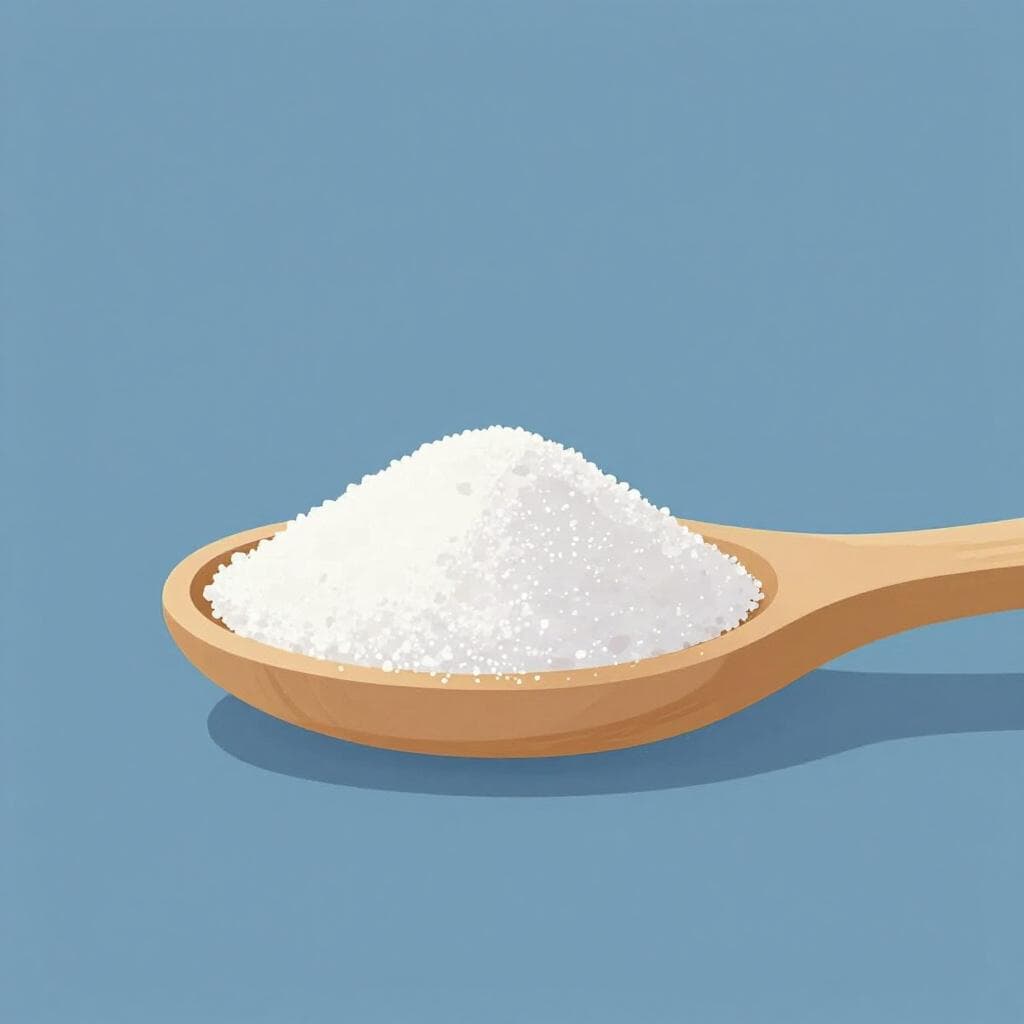
cucharada
koo-chah-rah-dahkut͡ʃaˈɾaða

Examples
Solo quiero una cucharada de helado, por favor.
I only want one spoonful of ice cream, please.
La receta dice que necesitas dos cucharadas de aceite de oliva.
The recipe says you need two tablespoons of olive oil.
Toma una cucharada de este jarabe cada ocho horas.
Take one spoonful of this syrup every eight hours.
The '-ada' Ending
In Spanish, adding '-ada' to the end of a tool (like 'cuchara' for spoon) changes it into the amount that tool can hold. It's like adding '-ful' in English.
Linking with 'de'
When you want to say what the spoonful is of, always use the word 'de'. For example: 'una cucharada DE azúcar' (a spoonful of sugar).
Tool vs. Amount
Mistake: “Dame una cuchara de azúcar.”
Correction: Dame una cucharada de azúcar.
Journalistic vs. Shocking News
Learn Spanish with Inklingo
Interactive stories, personalized learning, and more.