How to Say "several" in Spanish
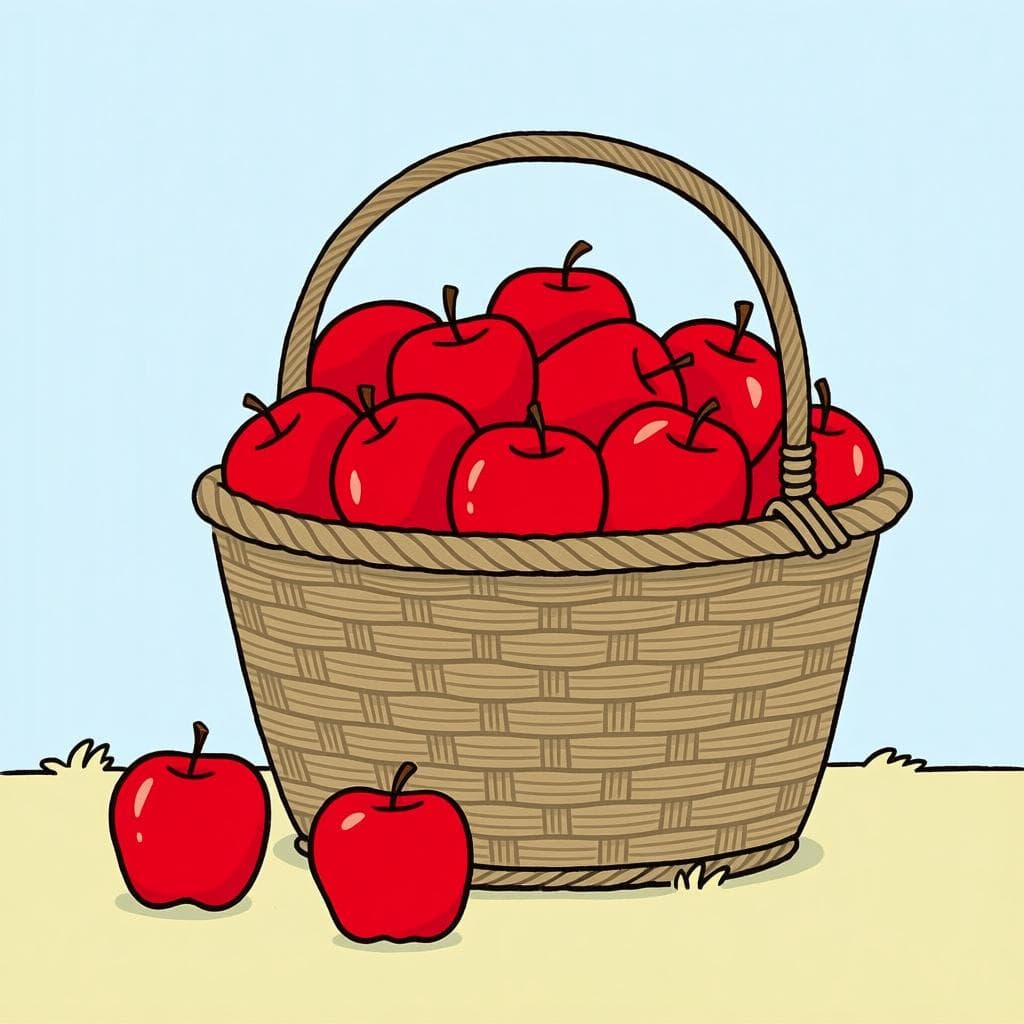
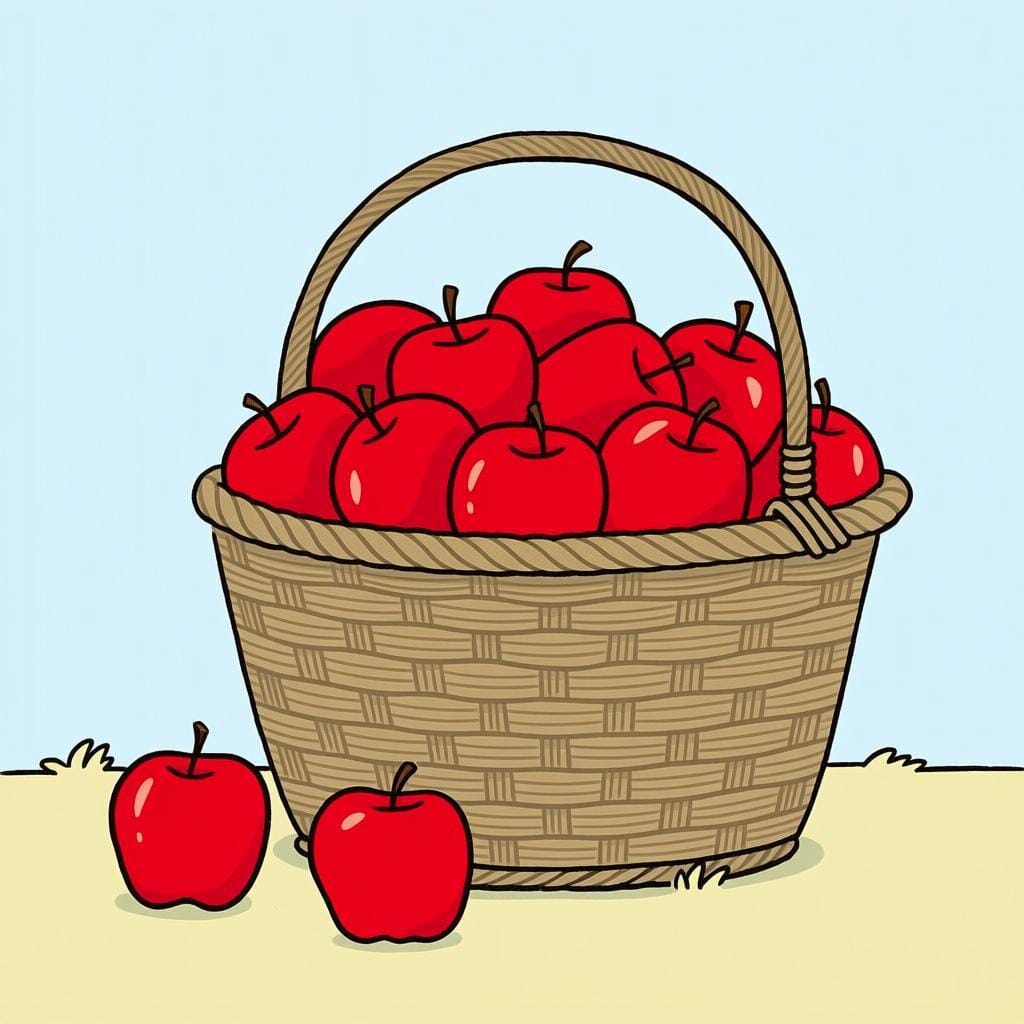
The most common Spanish word for “several” is “algunos” — use 'algunos' (or 'alguna', 'algunos', 'algunas' depending on gender and number) when you mean 'some' or 'a few' in a general, indefinite sense, implying more than two but not a large number.


algunos
al-GOO-nohsalˈɣunos
Examples
Tengo algunos libros sobre la mesa.
I have some books on the table.
Necesito algunos minutos para terminar.
I need a few minutes to finish.
Algunos días son más difíciles que otros.
Some days are more difficult than others.
Matches the Noun
As an adjective, 'algunos' describes a noun and must match it. Use 'algunos' for masculine, plural things, like 'algunos chicos' (some boys).
The 'Alguno' Family
This word changes for gender and number: 'alguno/s' for masculine and 'alguna/s' for feminine. For example, 'algunas chicas' (some girls).
The 'Algún' Rule
Be careful! Before a singular masculine noun, 'alguno' shortens to 'algún'. For example, 'algún día' (some day), not 'alguno día'.
Gender Mismatch
Mistake: “Compré algunos manzanas.”
Correction: Compré algunas manzanas. 'Manzana' is a feminine word, so you need to use the feminine form 'algunas'.
Mixing up with 'Unos'
Mistake: “Vi algunos pájaros en el cielo.”
Correction: Vi unos pájaros en el cielo. While 'algunos' isn't strictly wrong, 'unos' is more common for simply saying 'some' birds. 'Algunos' often implies 'some of the birds' from a group.
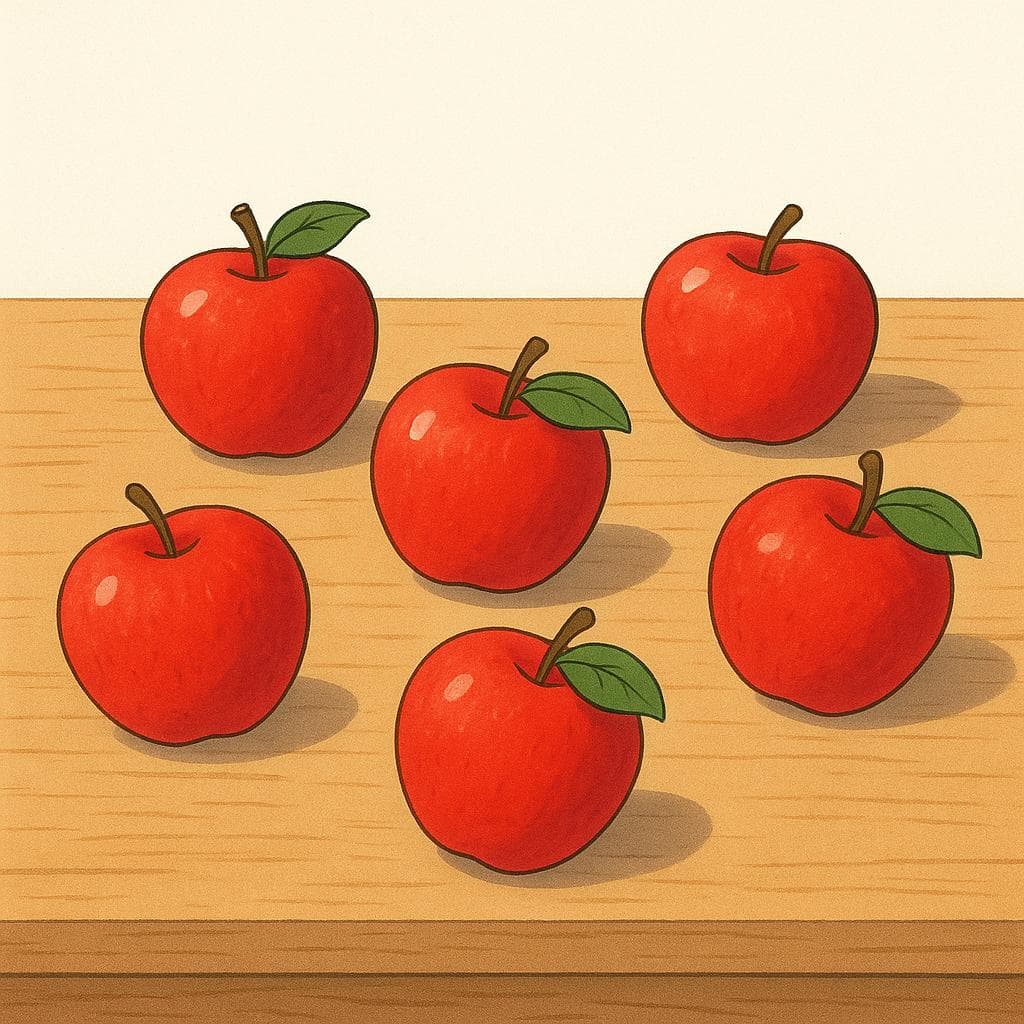
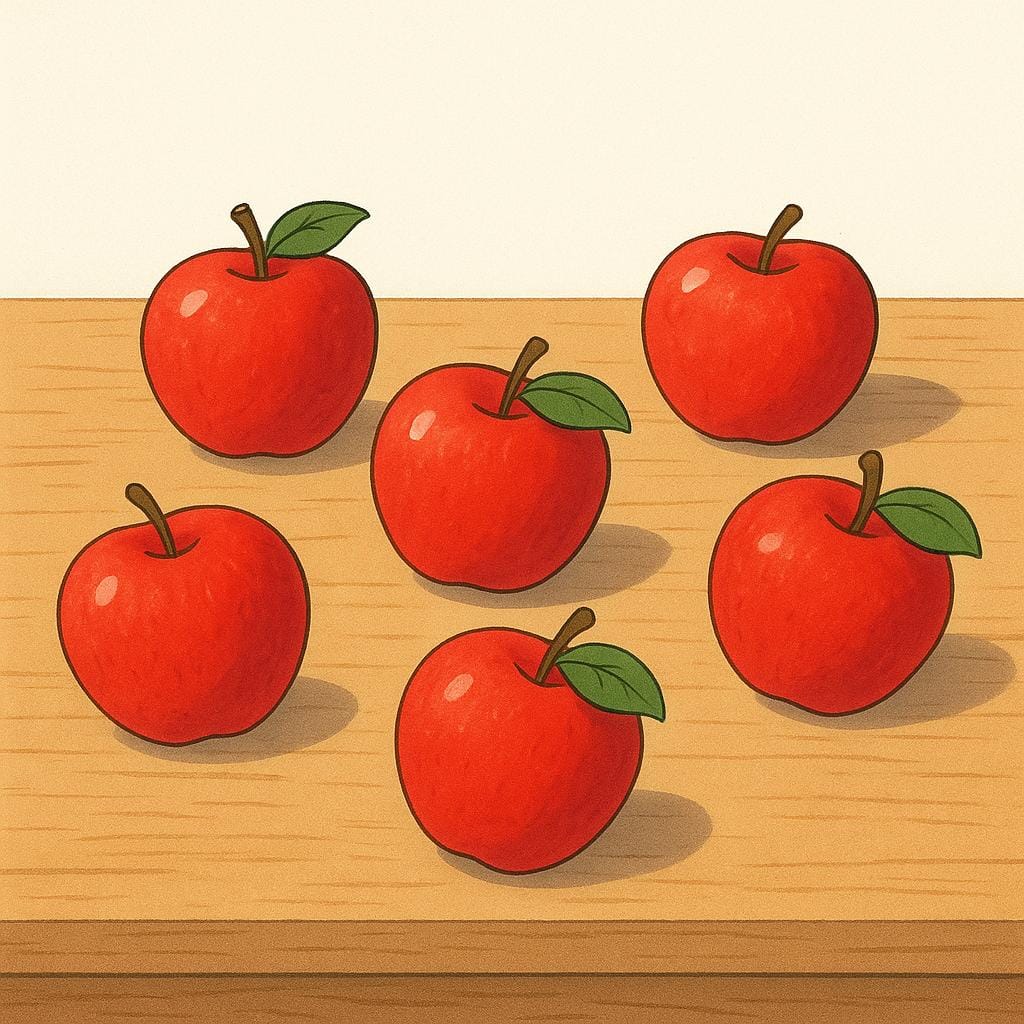
varias
VAH-ree-ahsˈbaɾjas
Examples
Fui al mercado y compré varias frutas.
I went to the market and bought several fruits.
Tuvimos varias reuniones para discutir el plan.
We had various meetings to discuss the plan.
Hay varias formas de llegar a la estación.
There are several ways to get to the station.
Gender and Number Match
Remember, 'varias' is feminine and plural, so it must always describe a feminine plural thing (like 'flores' or 'puertas'). If you are describing masculine things, you must use 'varios'.
Placement
Like many quantifiers, 'varias' almost always goes directly before the thing it describes: 'Varias alumnas' (Several students), not 'alumnas varias'.
Mixing Genders
Mistake: “Compré varias libros.”
Correction: Compré varios libros. (Since 'libros' is masculine, you need 'varios'.)
diferente
dee-feh-REN-tehdifeˈɾente

Examples
Hablé con diferentes personas sobre el problema.
I spoke with different people about the problem.
Hay diferentes maneras de resolver esto.
There are several ways to solve this.
La tienda vende diferentes tipos de queso.
The store sells different/various types of cheese.
Placement Before the Noun
To get this meaning ('various' or 'several'), diferentes almost always comes before the noun it describes. For example, diferentes libros means 'various books'.
Singular vs. Plural
Mistake: “Tengo diferente opción para ti.”
Correction: Tengo diferentes opciones para ti. This meaning of 'various' or 'several' is nearly always used in the plural form to talk about multiple things.
diverso
dee-BEHR-sohdiˈβeɾso

Examples
He leído diversos libros sobre este tema.
I have read diverse books on this subject.
Diversos testigos presenciaron el accidente.
Various witnesses saw the accident.
Existen diversos factores que afectan la economía.
There are several factors that affect the economy.
The Power of Placement
When 'diversos' (plural) comes BEFORE the noun, it often means 'several' or 'various' (counting things). When it comes AFTER, it emphasizes 'diverse' (describing the quality).
Overusing 'Varios'
Mistake: “Always using 'varios' for 'several'.”
Correction: While 'varios' is correct, using 'diversos' in writing makes your Spanish look more advanced.
Choosing Between 'Algunos/Varias' and 'Diferente/Diverso'
Related Translations
Learn Spanish with Inklingo
Interactive stories, personalized learning, and more.