How to Say "different" in Spanish
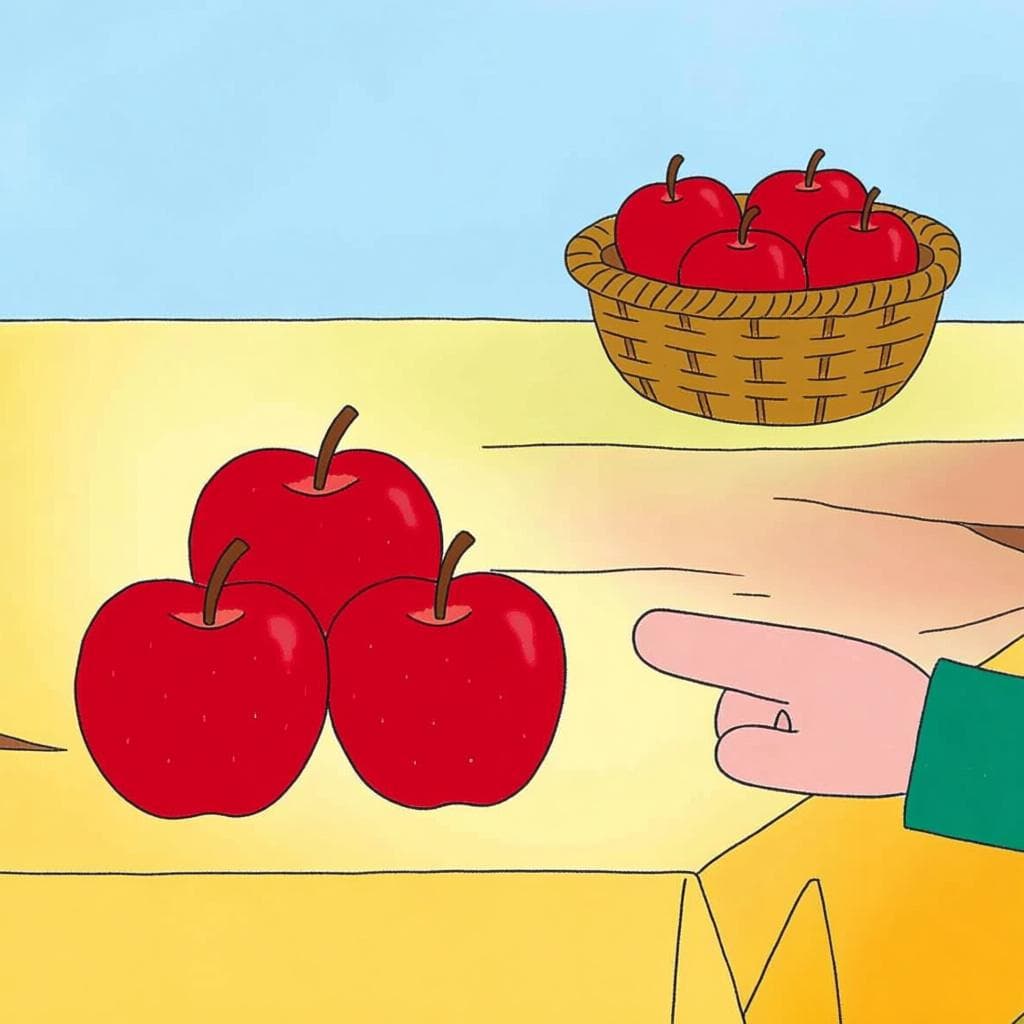
The most common Spanish word for “different” is “diferente” — use this general term when simply stating that two or more things are not the same.







diferente
dee-feh-REN-tehdifeˈɾente

Examples
Mi coche es diferente al tuyo.
My car is different from yours.
Ella tiene una perspectiva muy diferente.
She has a very different perspective.
Este sabor es diferente, pero me gusta.
This flavor is different, but I like it.
One Form for Masculine & Feminine
Diferente is easy to use because it doesn't change for masculine or feminine things. It's el coche diferente (the different car) and la casa diferente (the different house). You only add an '-s' for plural things: casas diferentes.
Connecting with 'a' or 'de'
To say 'different from' or 'different to', you can use either diferente a or diferente de. Both are correct and widely used. For example, Mi opinión es diferente a la tuya.
Placement After the Noun
For this meaning ('not the same'), diferente usually comes after the thing it describes. For example, Quiero un teléfono diferente (I want a different phone).
Forgetting the Plural '-s'
Mistake: “Tenemos idea diferentes.”
Correction: Tenemos ideas diferentes. Just like most describing words, you need to add an '-s' when you're talking about more than one thing.
distinto
dees-TEEN-tohdisˈtinto

Examples
Mi coche es distinto al tuyo; el mío es rojo.
My car is different from yours; mine is red.
Tenemos gustos muy distintos en música.
We have very different tastes in music.
Hizo la misma pregunta, pero con palabras distintas.
He asked the same question, but with different words.
Gender and Number Agreement
As an adjective, 'distinto' must match the noun it describes. Use 'distinto' (masculine singular), 'distinta' (feminine singular), 'distintos' (masculine plural), or 'distintas' (feminine plural).
Comparing with 'A' or 'DE'
When comparing one item to another, 'distinto' is often followed by the preposition 'a' (distinct to/from) or sometimes 'de' (distinct of/from). Both are common ways to show the difference.
Forgetting Agreement
Mistake: “Compré dos camisas distinto.”
Correction: Compré dos camisas distintas. (Because 'camisas' is feminine plural, 'distinto' must also be feminine plural.)
nuevo
nweh-bohˈnwebo

Examples
Tengo un nuevo profesor de español.
I have a new Spanish teacher.
Esta es mi nueva chaqueta. La compré de segunda mano.
This is my new jacket. I bought it second-hand.
Vamos a empezar un nuevo capítulo en nuestras vidas.
We're going to start a new chapter in our lives.
Placement is Key: Before the Noun
When 'nuevo' comes before the thing it describes (like 'mi nuevo coche'), it means it's new to you or different from the one you had before. It could be brand-new, but it could also be used.
Brand-New vs. New-To-Me
Mistake: “Saying 'Tengo un nuevo coche' when you want to emphasize you just bought it from the factory.”
Correction: For a factory-fresh car, say 'Tengo un coche nuevo'. The position after the noun makes it clear it's brand-new. 'Un nuevo coche' just means it's a different car than you had before.
cambiado
kam-bya-dokamˈbjado

Examples
Te veo muy cambiado, ¿hiciste ejercicio?
You look very different (changed), have you been working out?
Es un hombre cambiado desde que se casó.
He's a changed man since he got married.
La ciudad está muy cambiada, no la reconozco.
The city is very changed, I don't recognize it.
Making It Match
When used to describe something, cambiado must match what it's describing. Use cambiado for masculine things, cambiada for feminine, cambiados for masculine plural, and cambiadas for feminine plural.
Forgetting to Match
Mistake: “Las reglas están muy cambiado.”
Correction: Las reglas están muy cambiadas. Since 'reglas' (rules) is feminine and plural, the word describing it must also be feminine and plural.
diverso
dee-BEHR-sohdiˈβeɾso

Examples
La ciudad tiene un clima muy diverso.
The city has a very diverse climate.
Trabajamos con un grupo diverso de profesionales.
We work with a diverse group of professionals.
Las opiniones sobre el proyecto son muy diversas.
The opinions about the project are very varied.
Matching the Word It Describes
Just like most Spanish adjectives, 'diverso' must change to match the gender and number of the object. Use 'diverso' for masculine items, 'diversa' for feminine, and add an 's' for plural.
Describing Quality vs. Quantity
When used after a noun, it usually emphasizes that things are 'different' or 'varied' in their nature.
Confusing with 'Varios'
Mistake: “Using 'diverso' to mean just 'a few' in singular form.”
Correction: In the singular, 'diverso' means 'diverse' or 'varied'. If you mean 'several' or 'various', you almost always need the plural 'diversos'.
dispar
dees-PARdisˈpaɾ

Examples
Los dos hermanos tienen gustos dispares en la música.
The two brothers have different tastes in music.
La crítica tuvo opiniones dispares sobre la nueva obra.
The critics had mixed (unequal) opinions about the new play.
Obtuvieron resultados dispares en las pruebas de laboratorio.
They obtained varying results in the laboratory tests.
One Form for All
This word doesn't change based on gender. Use 'el resultado dispar' for masculine and 'la opinión dispar' for feminine.
Making it Plural
Since it ends in a consonant (r), you just add '-es' to the end to make it plural: 'dispares'.
The 'A' Trap
Mistake: “Using 'dispara' for a feminine noun.”
Correction: Always use 'dispar'. For example, say 'una idea dispar' instead of 'una idea dispara'.
Confusing with Verbs
Mistake: “Thinking 'dispar' is related to shooting.”
Correction: While 'disparar' means 'to shoot,' 'dispar' is an adjective meaning 'unequal.' They are not used in the same way at all!
dispares
dees-PAH-rehsdisˈpaɾes

Examples
Los científicos obtuvieron resultados dispares en sus experimentos.
The scientists obtained different results in their experiments.
Tienen opiniones dispares sobre la nueva ley.
They have varying opinions about the new law.
One Form for All
This word stays the same whether you are talking about masculine or feminine groups. You only need to worry about it being plural.
Using it for People's Character
Mistake: “Using it to mean 'weird' or 'strange'.”
Correction: Use 'raro' or 'extraño' instead. 'Dispares' only means that things don't match or are different from one another.
otras
oh-trahsˈotɾas
Examples
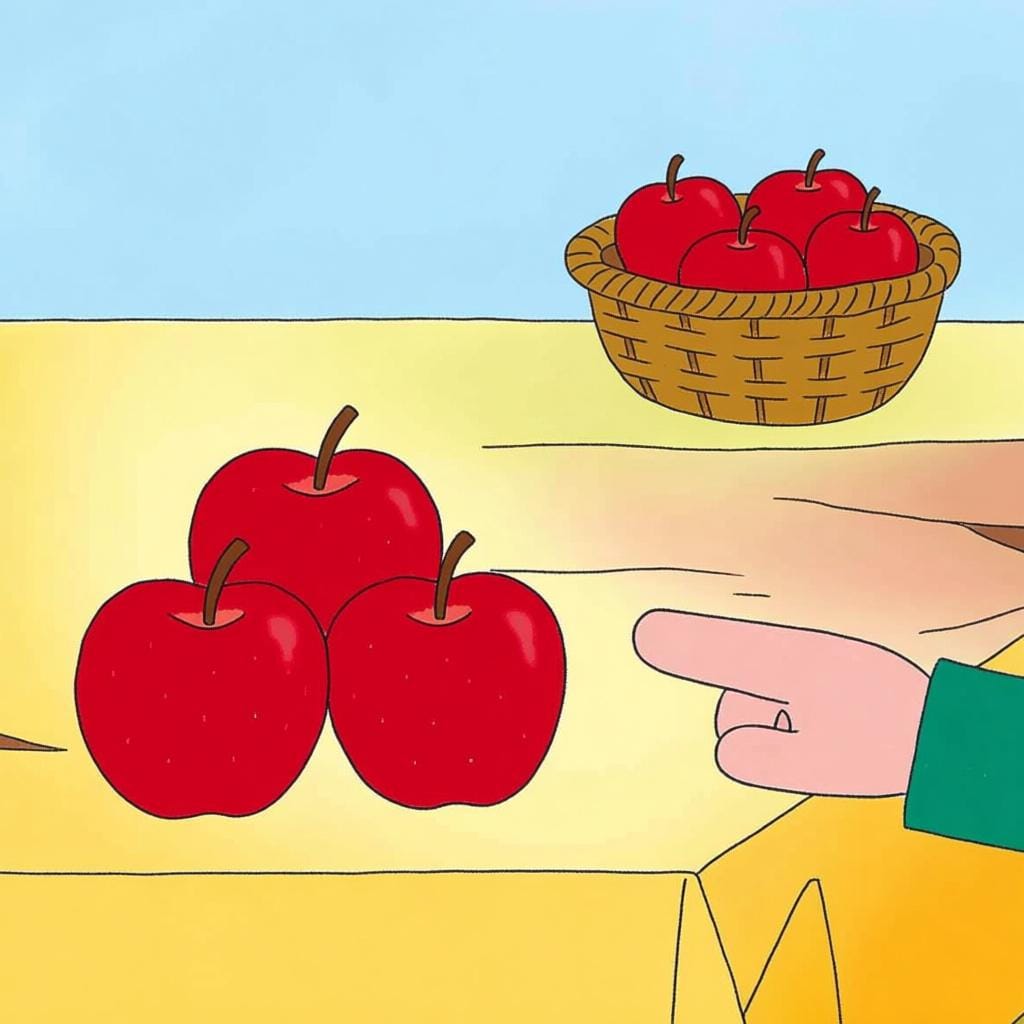
Necesito las otras sillas, por favor.
I need the other chairs, please.
Hay otras maneras de resolver el problema.
There are other ways to solve the problem.
¿Quieres otras dos galletas?
Do you want two other cookies? / Do you want two more cookies?
Always Matches Feminine Plural Nouns
Use 'otras' right before a word for more than one feminine thing or person (like 'casas' or 'chicas'). It has to match in being both feminine and plural. Think 'otras amigas' (other female friends).
Never Say 'Unas Otras'
In English, you can say 'some other ones'. In Spanish, you never use 'unas' before 'otras'. Just say 'otras'. For example: 'Tengo otras ideas' (I have other ideas).
Gender Mix-up
Mistake: “Me gustan las otras zapatos.”
Correction: Me gustan los otros zapatos. The word 'zapatos' (shoes) is masculine, so you need the masculine form 'otros' to match it.
Diferente vs. Distinto
Learn Spanish with Inklingo
Interactive stories, personalized learning, and more.