How to Say "shoves" in Spanish
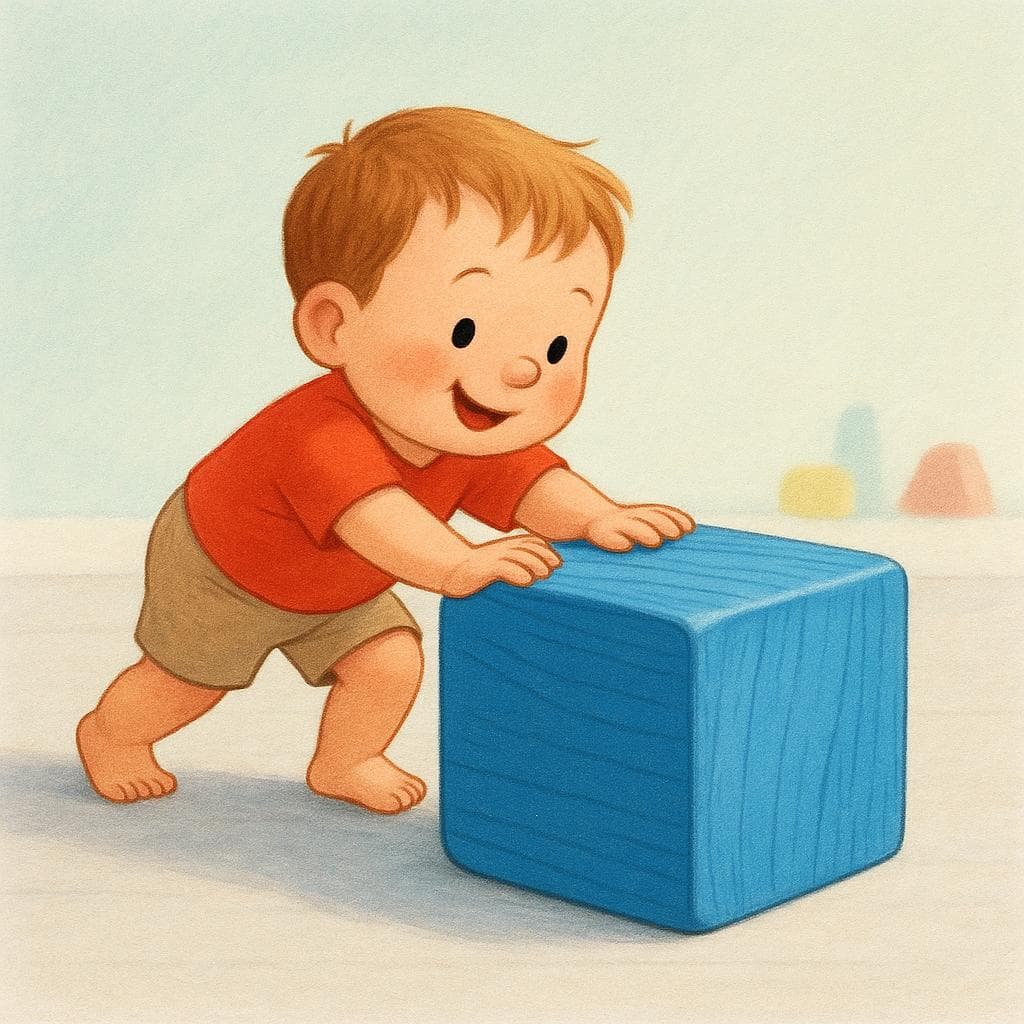
The most common Spanish word for “shoves” is “empuja” — use 'empuja' when the meaning is a direct, forceful push against something or someone, often to move it away or forward.
empuja
em-POO-hahemˈpu.xa
Examples
El jugador de fútbol empuja el balón hacia la portería.
The soccer player shoves the ball towards the goal.
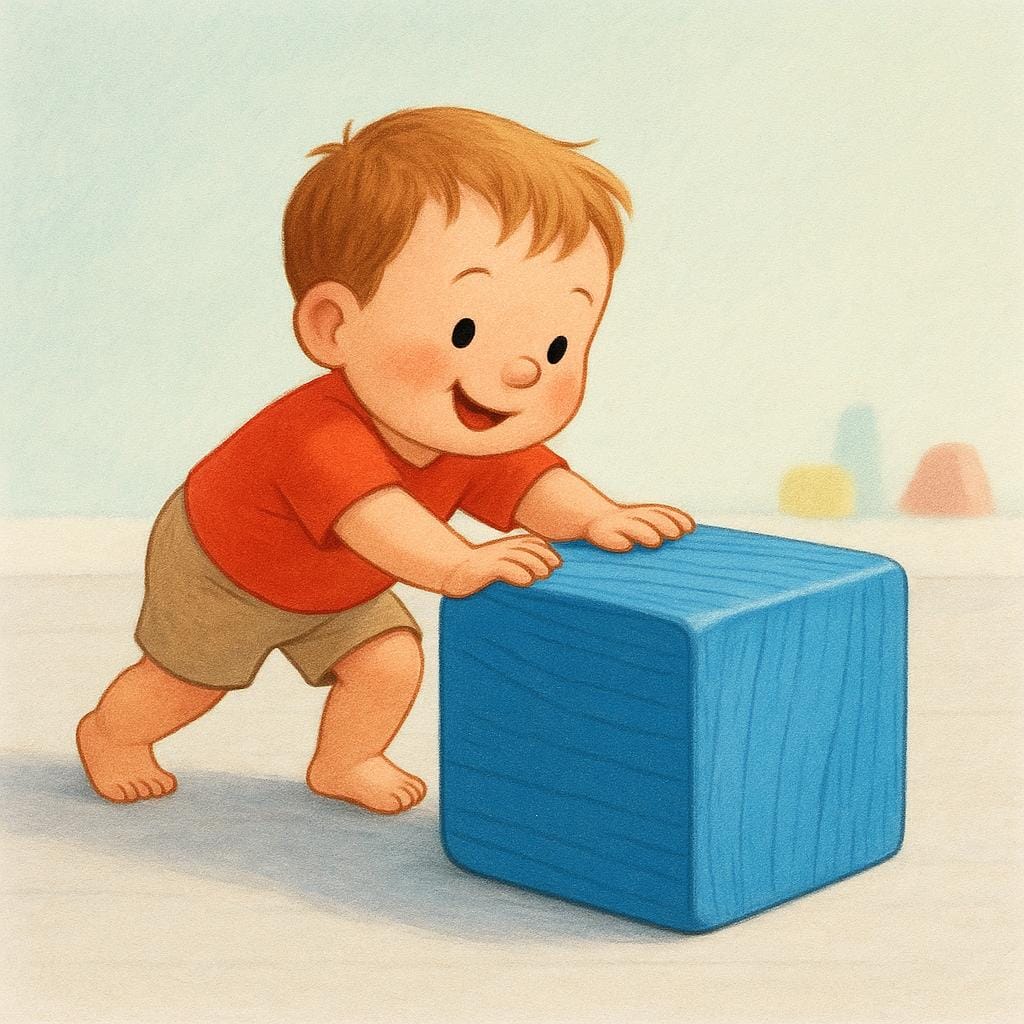
El niño empuja el coche de juguete.
The boy pushes the toy car.
¡Empuja la puerta con más fuerza!
Push the door harder!
Usted empuja el carrito mientras yo busco el pan.
You push the cart while I look for the bread. (Formal usage)
Dual Role of 'Empuja'
This single word can mean 'He/She/You (formal) pushes' (statement) OR 'Push!' (a direct command to a friend using 'tú'). Context is key!
Confusing Push and Pull
Mistake: “Using 'empujar' when you mean 'tirar' or 'jalar' (to pull).”
Correction: Remember the sign on the door: PULL is usually 'Tire' or 'Jale', PUSH is 'Empuje' (formal command).
mete
MEH-tehˈme.te
Examples
Metió la ropa sucia en la lavadora con fuerza.
She shoved the dirty clothes into the washing machine forcefully.
Ella siempre mete el dinero en el bolsillo.
She always puts the money in her pocket.
¡Mete la basura en el contenedor!
Put the trash in the container!
Usted mete mucha presión en el equipo.
You (formal) put a lot of pressure on the team.
Dual Use of 'Mete'
'Mete' can be a statement (He/She/You formal puts) or a friendly, informal command (You, put!). Listen carefully to the tone and context to know which one it is.
Meter vs. Poner
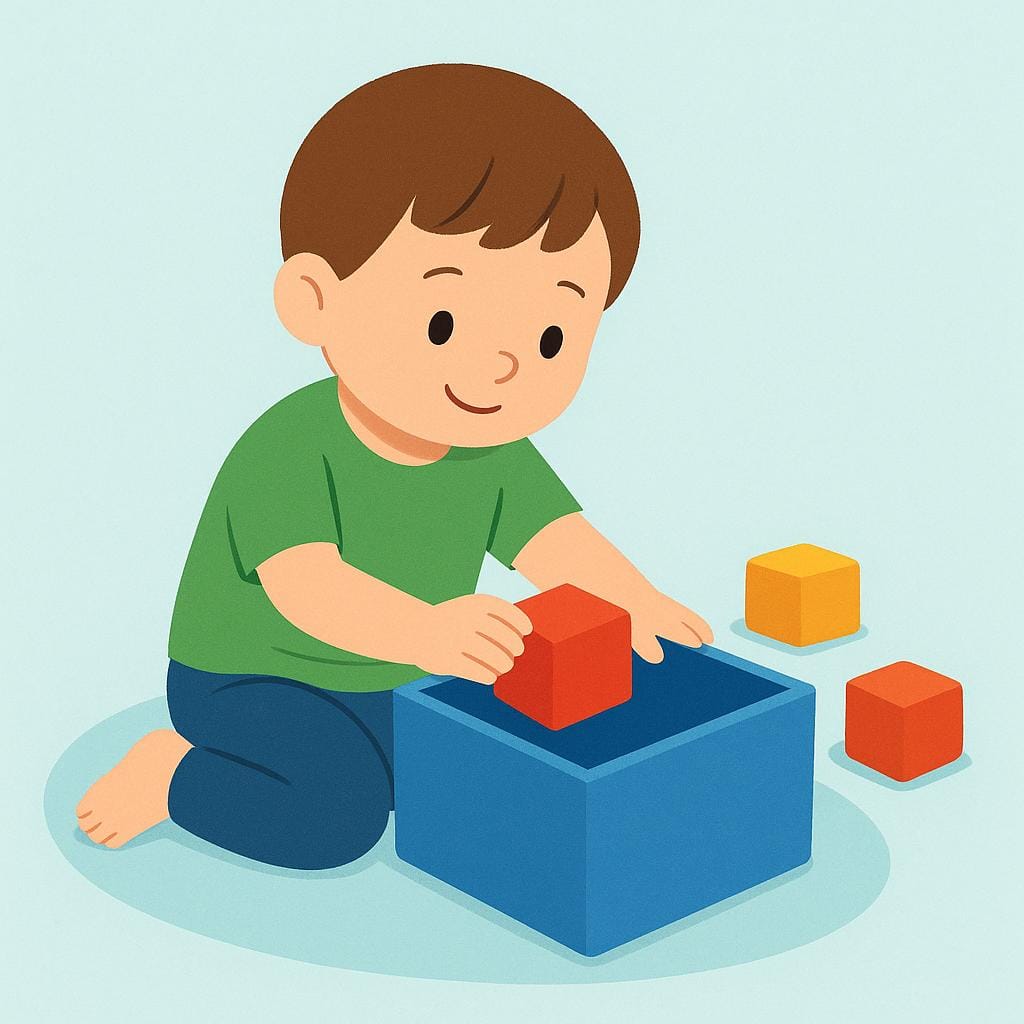
Use 'meter' when something goes inside something else (like a box or a pocket). Use 'poner' for placing something on a surface (like a table).
Confusing 'Mete' and 'Pone'
Mistake: “Pone la llave en la cerradura. (Incorrect, unless you mean placing the key *on* the lock surface)”
Correction: Mete la llave en la cerradura. (Correct, because the key goes *inside* the lock hole.)
Push vs. Insert
Related Translations
Learn Spanish with Inklingo
Interactive stories, personalized learning, and more.