How to Say "spoke" in Spanish
The most common Spanish word for “spoke” is “hablara” — use this when referring to the past subjunctive form of 'to speak,' typically used in hypothetical or conditional 'if' clauses.

Use this when referring to the past subjunctive form of 'to speak,' typically used in hypothetical or conditional 'if' clauses.
Learn more →
Use this to refer to a beam or ray of light, such as a ray of sunshine.
Learn more →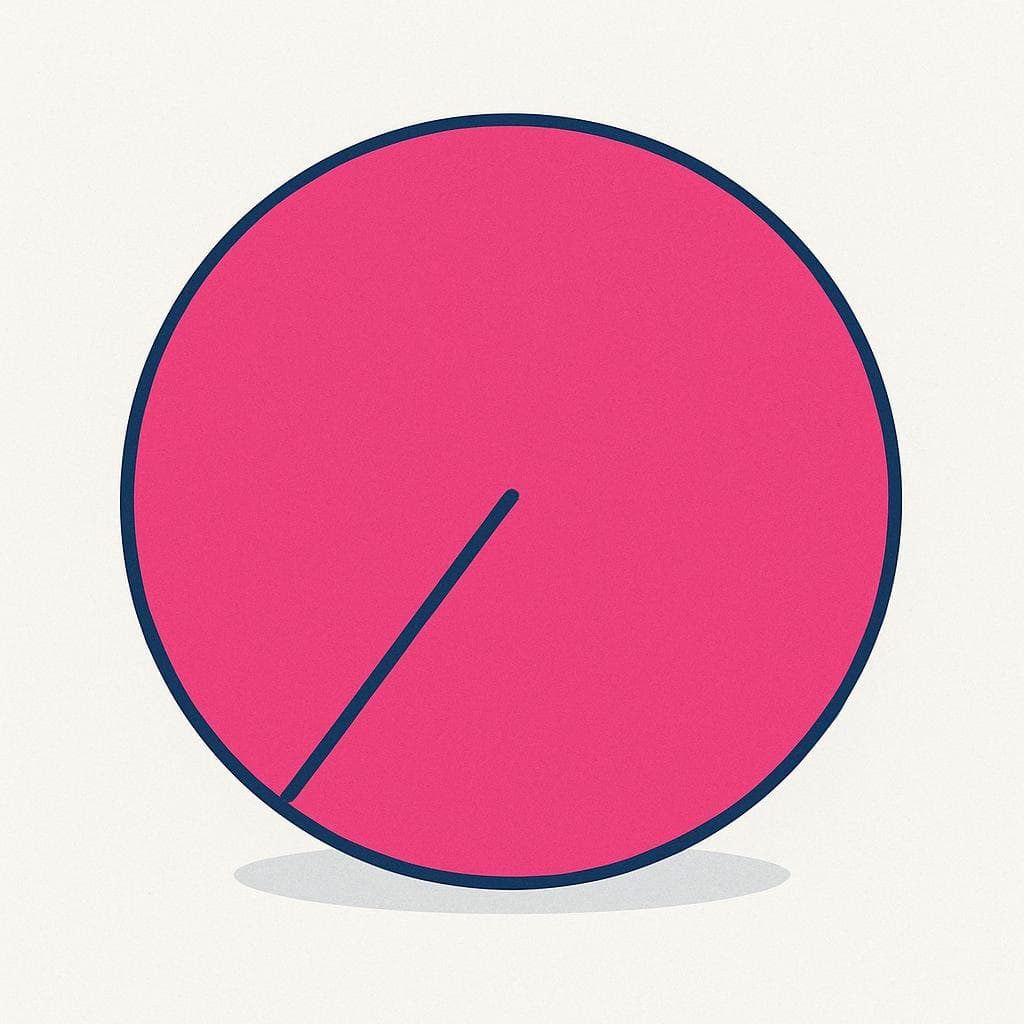
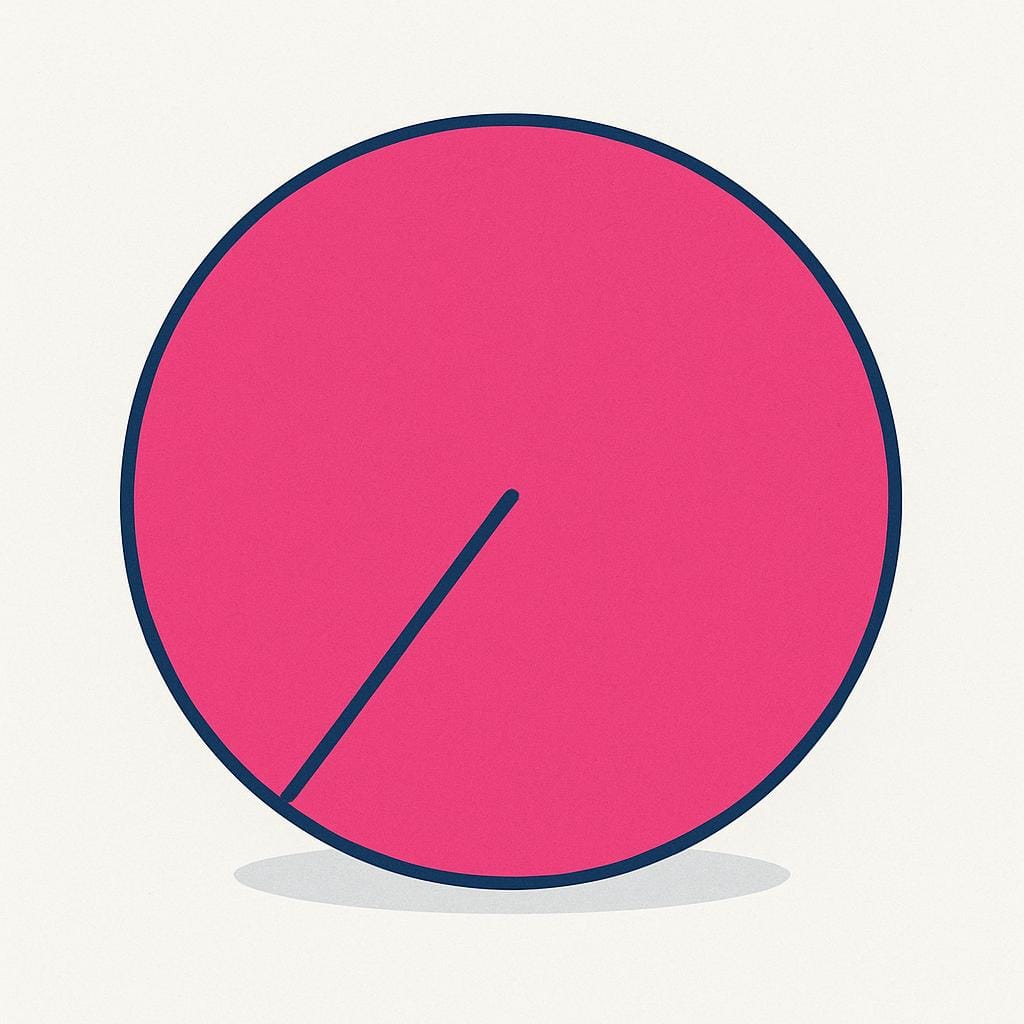
Use this when referring to the spoke of a wheel or the radius of a circle.
Learn more →ah-BLAH-rahaˈβlaɾa

Examples
Si yo hablara español fluidamente, viajaría por toda Sudamérica.
If I spoke Spanish fluently, I would travel all over South America.
Si yo hablara chino, trabajaría en Pekín.
If I spoke Chinese, I would work in Beijing.
Me pidió que hablara con su jefe.
He asked me to speak with his boss.
Era necesario que ella hablara en la reunión.
It was necessary for her to speak at the meeting.
The 'What If' Form
'Hablara' is a special past form used after the word 'Si' (If) to talk about things that aren't actually happening, like dreaming about knowing a language.
Two Subjects, One Word
This exact word is used for both 'I' (yo) and 'he/she/you formal' (él/ella/usted). You often need to include the person's name or a pronoun to be clear.
Confusing with the regular past
Mistake: “Using 'habló' instead of 'hablara' after 'Si'.”
Correction: Say 'Si él hablara' for 'If he spoke'. Use 'habló' only for facts that definitely happened in the past.
rra-yoˈraʝo
Examples
Un rayo de sol iluminó la habitación.
A ray of sunshine lit up the room.
Un rayo de sol se filtraba por la ventana.
A ray of sunshine filtered through the window.
Le hicieron una radiografía de rayos X para ver el hueso roto.
They took an X-ray (ray of X) to see the broken bone.
Technical Usage
When talking about X-rays (radiography), the full term is 'rayos X' (plural), even though we often shorten it to just 'X-ray' in English.
RA-dyoˈra.ðjo
Examples
La bicicleta se detuvo porque se rompió un radio de la rueda.
The bicycle stopped because a spoke on the wheel broke.
El radio de la Tierra es de aproximadamente 6,371 kilómetros.
The Earth's radius is approximately 6,371 kilometers.
Necesitamos un círculo con un radio de cinco centímetros.
We need a circle with a radius of five centimeters.
La antena wifi tiene un radio de alcance de 20 metros.
The Wi-Fi antenna has a range of 20 meters.
The Masculine Version
When 'radio' means radius, spoke, or range, it's a boy! So you use 'el radio' or 'un radio'. This is the complete opposite of the broadcast meaning.
Mixing up the Genders
Mistake: “Calcula *la radio* del círculo.”
Correction: Calcula *el radio* del círculo. For math and science topics, think masculine ('el').
Distinguishing 'rayo' and 'radio'
The most common confusion for learners is between 'rayo' (ray of light) and 'radio' (spoke of a wheel). Remember that 'rayo' is for light, while 'radio' is the physical component of a wheel. While 'radio' can also mean 'radius', in the context of a wheel's parts, it refers to the spoke.
Related Translations
Learn Spanish with Inklingo
Interactive stories, personalized learning, and more.