How to Say "sting" in Spanish
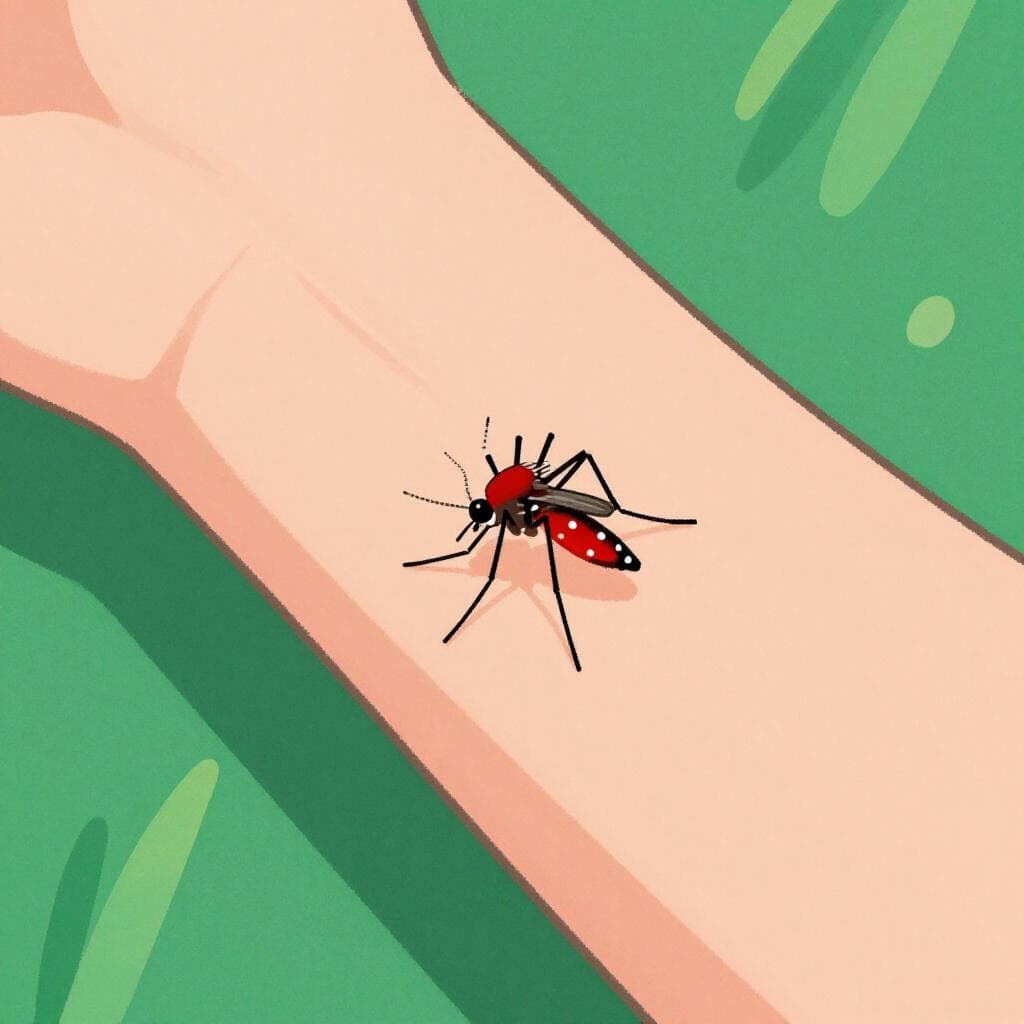
The most common Spanish word for “sting” is “picada” — use 'picada' to refer to the actual bite or sting mark left by an insect, such as a mosquito, bee, or wasp.

picada
pee-KAH-dahpiˈkaða
Examples
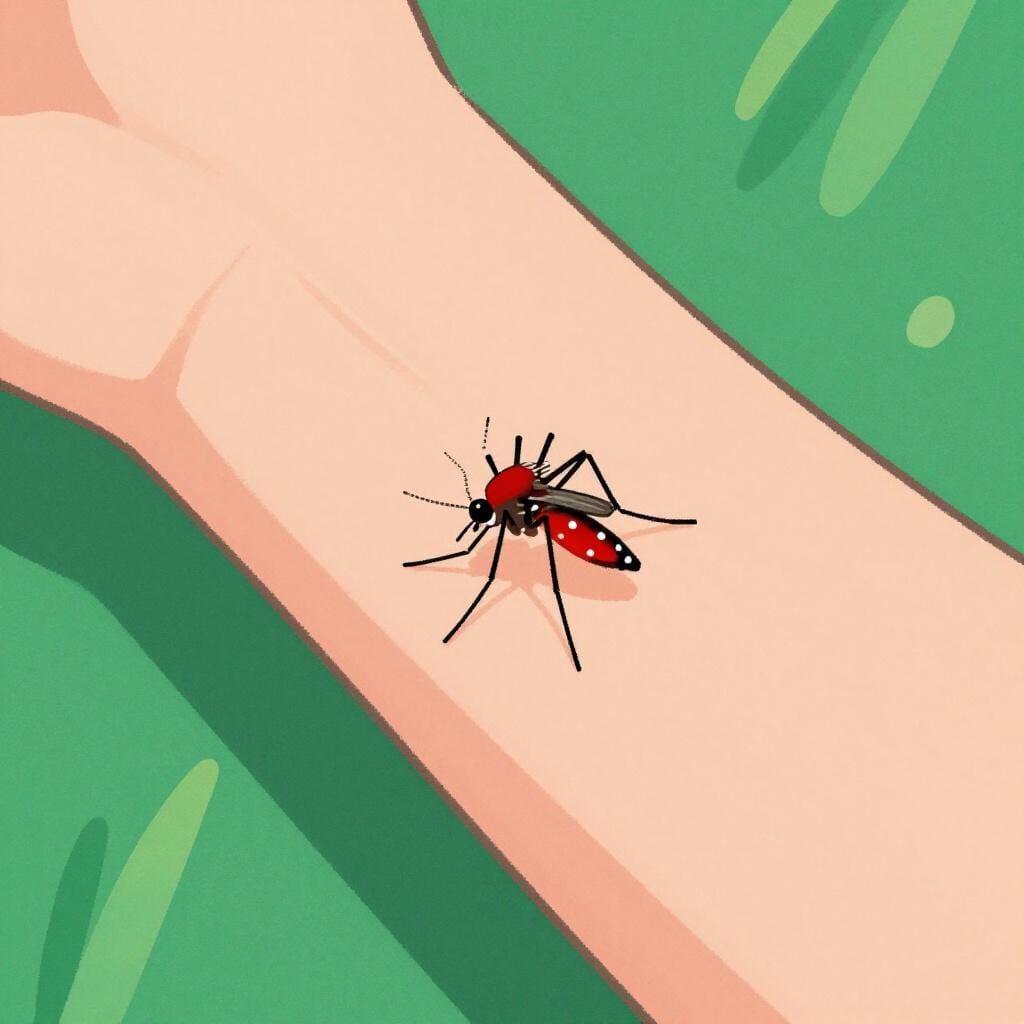
Tengo una picada de mosquito en la pierna.
I have a mosquito bite on my leg.
¡No te rasques esa picada!
Don't scratch that bite!
Esta crema es muy buena para las picadas de insectos.
This cream is very good for insect bites.
Action to Noun
This comes from the verb 'picar' (to sting or poke). By adding '-ada', we turn the action into the result (the mark on your skin).
Regional Preference
Mistake: “Using 'picada' for a bite in Spain.”
Correction: In Spain, use 'picadura'. Use 'picada' mostly in South America.
pinchazo
peen-CHAH-sohpinˈt͡ʃaθo
Examples
Sentí un pequeño pinchazo en el brazo.
I felt a little prick in my arm.
Solo será un pinchazo, no llores.
It will only be a quick shot, don't cry.
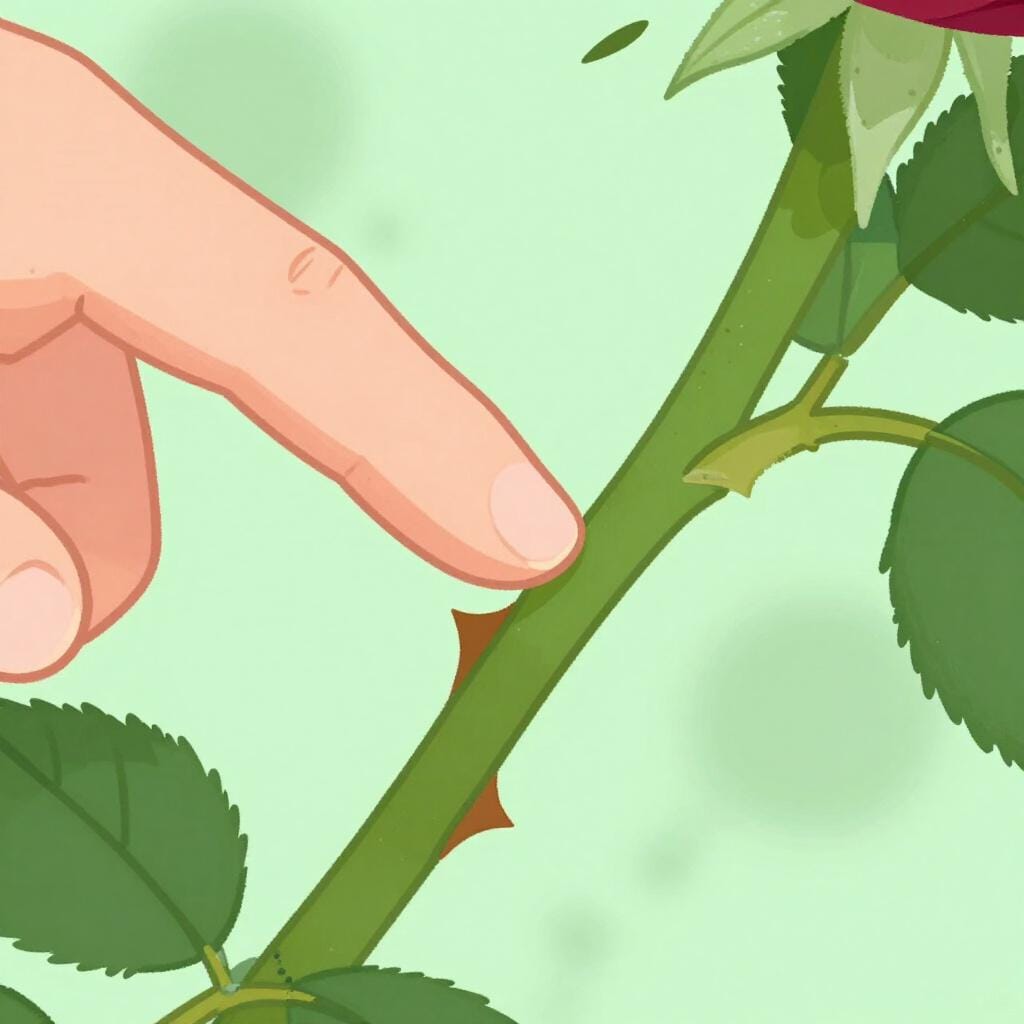
Me di un pinchazo con la espina de la rosa.
I pricked myself with the rose thorn.
The -azo Ending
The ending '-azo' in Spanish usually refers to a sudden action or a hit with something. In this case, it's a 'hit' with something sharp.
Shot vs. Pinchazo
Mistake: “Using 'disparo' for a medical shot.”
Correction: Use 'pinchazo' or 'inyección'. 'Disparo' is only for a gun!
Picada vs. Pinchazo
Related Translations
Learn Spanish with Inklingo
Interactive stories, personalized learning, and more.