How to Say "studio" in Spanish
The most common Spanish word for “studio” is “estudio” — use 'estudio' when referring to a place where a student studies or a professional works on intellectual or creative tasks, like an artist's studio or a lawyer's office.

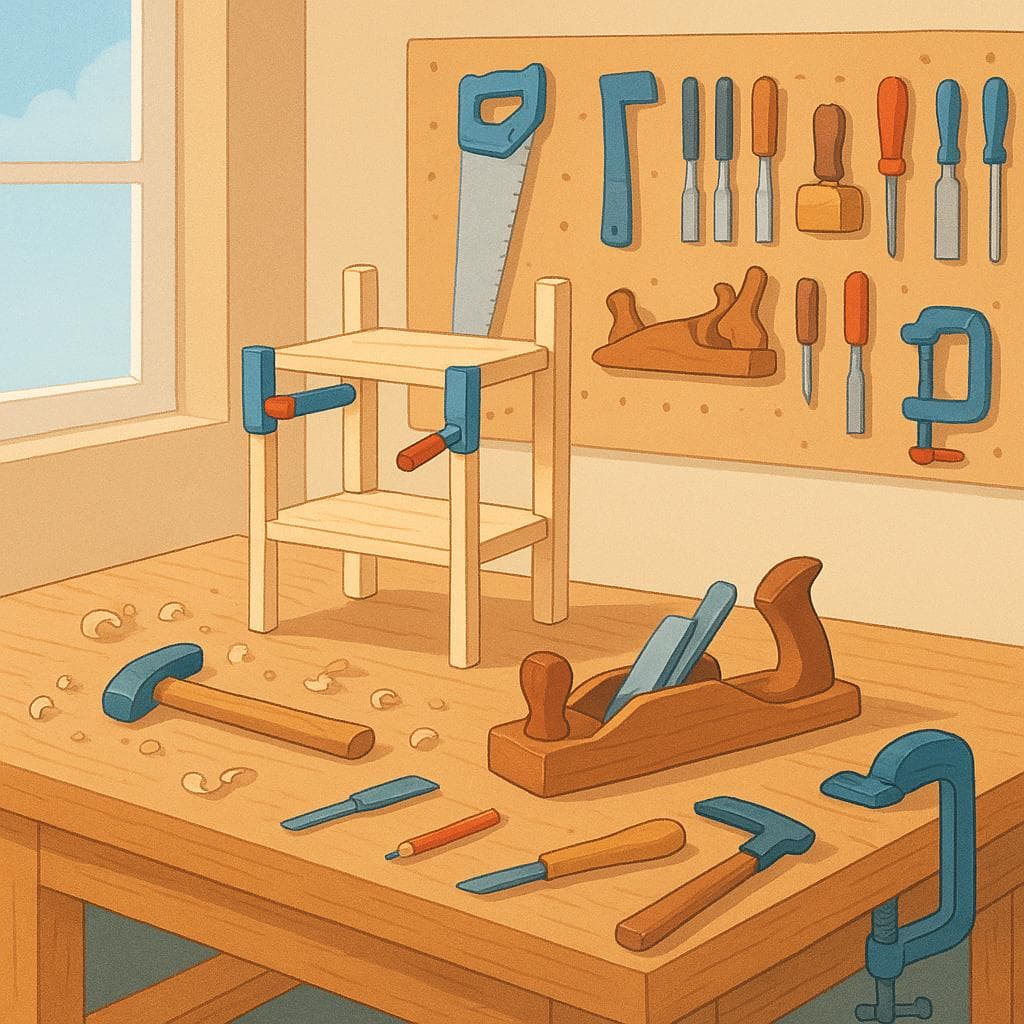
estudio
es-TOO-dyohesˈtuðjo

Examples
El pintor trabaja en su estudio todas las mañanas.
The painter works in his studio every morning.
Necesito concentrarme en mi estudio para el examen.
I need to concentrate on my studying for the exam.
Mi hermana alquiló un pequeño estudio cerca de la universidad.
My sister rented a small studio apartment near the university.
El fotógrafo tiene su propio estudio en el centro de la ciudad.
The photographer has his own studio in the city center.
Masculine Noun Rule
Even though 'estudio' ends in '-o', which usually indicates a masculine word, it's good practice to always memorize the article: 'el estudio'.
Confusing 'estudio' (noun) and 'estudiar' (verb)
Mistake: “Hago estudio todos los días. (I do study every day.)”
Correction: Estudio todos los días. (I study every day.) 'Estudio' as a noun is the act; 'estudio' as a verb form is the action itself.
taller
tah-YERtaˈʎeɾ
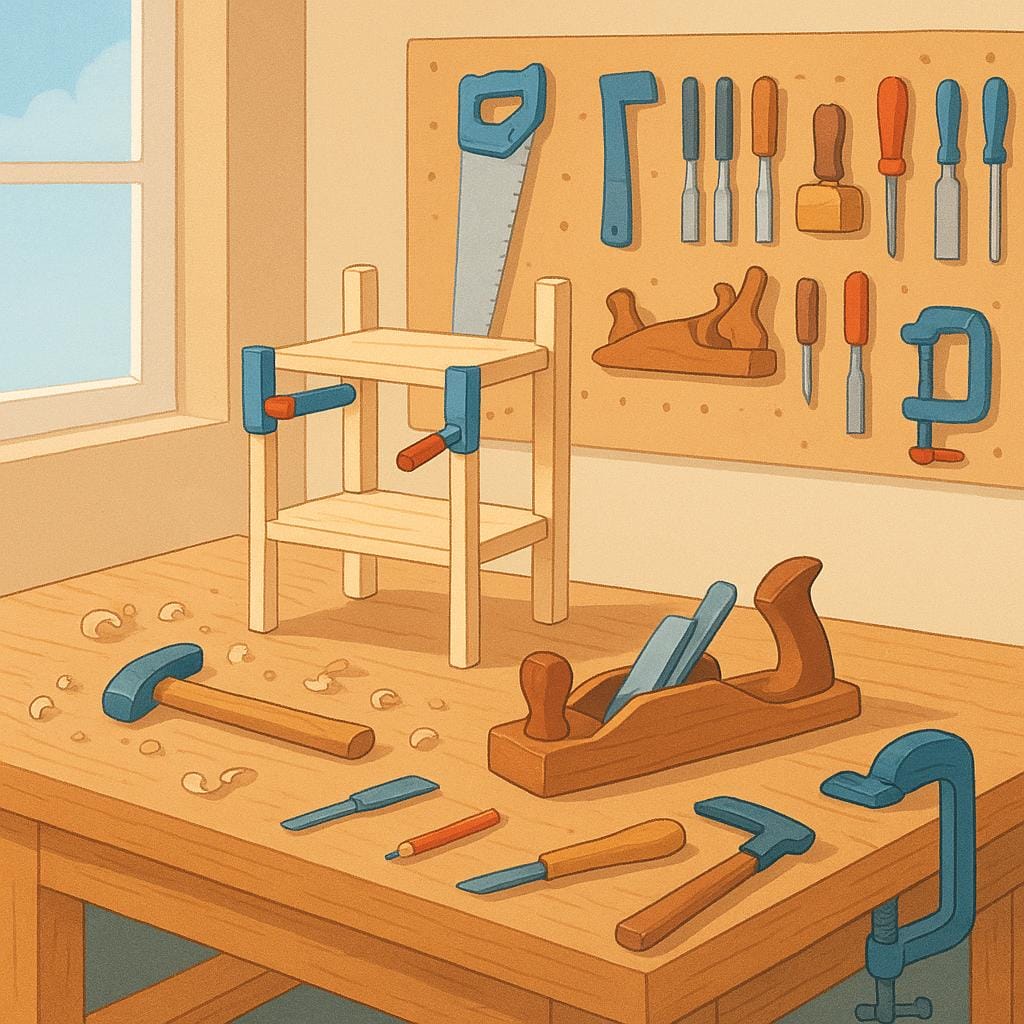
Examples
Llevé mi bicicleta al taller para que la repararan.
I took my bicycle to the workshop to have it repaired.
Mi padre lleva el coche al taller cada seis meses.
My father takes the car to the repair shop every six months.
El artista trabaja en su taller hasta muy tarde.
The artist works in their studio until very late.
Necesitamos un electricista para el taller de la fábrica.
We need an electrician for the factory workshop.
Masculine Noun
Even though 'taller' ends in -er, it is always a masculine word, so you must use 'el' or 'un' before it: 'el taller'.
Using 'taller' for a home garage
Mistake: “Voy a poner el coche en el taller (when referring to a home garage).”
Correction: Use 'garaje' or 'cochera' for a garage at home. 'Taller' implies a commercial or professional workspace.
Estudio vs. Taller
Related Translations
Learn Spanish with Inklingo
Interactive stories, personalized learning, and more.