How to Say "suitcase" in Spanish
The most common Spanish word for “suitcase” is “maleta” — use 'maleta' for a general piece of travel luggage, especially when referring to the bag itself that you pack your belongings in.

Use 'maleta' for a general piece of travel luggage, especially when referring to the bag itself that you pack your belongings in.
Learn more →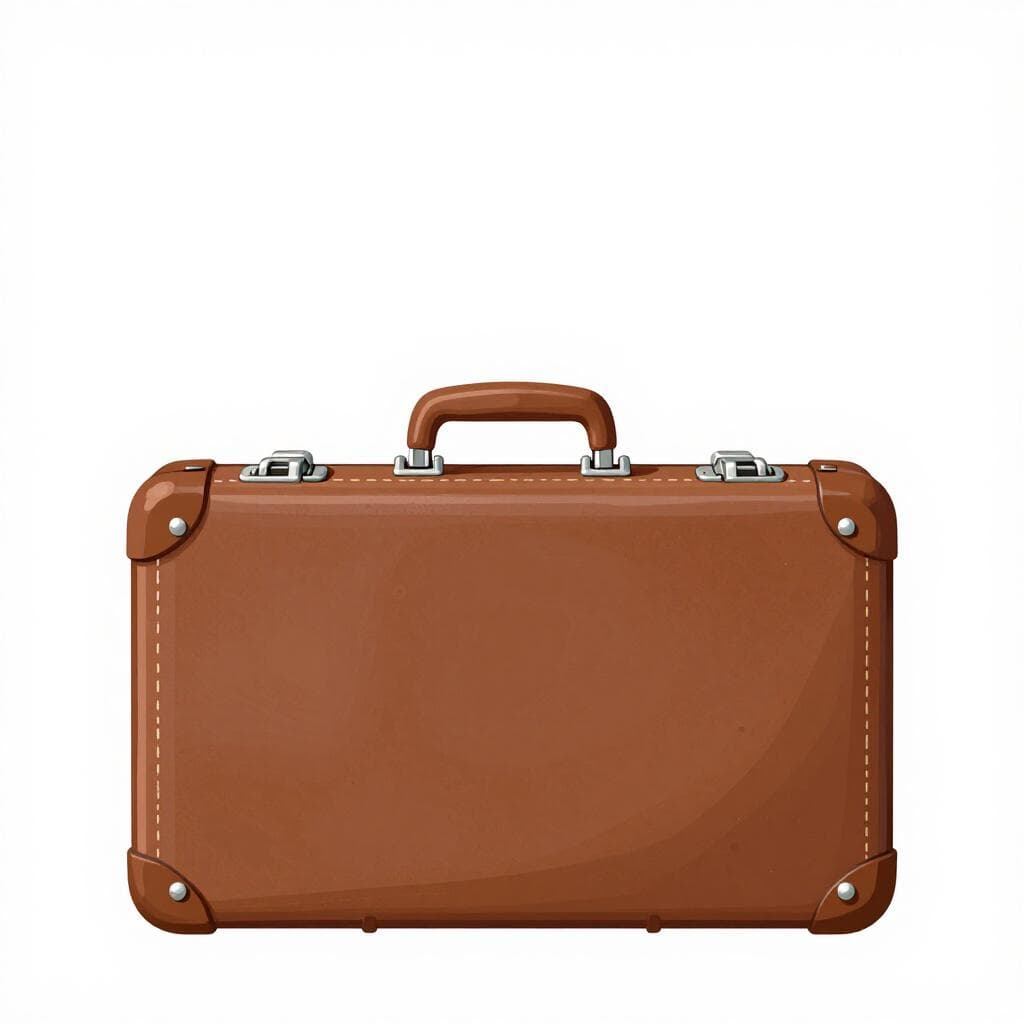
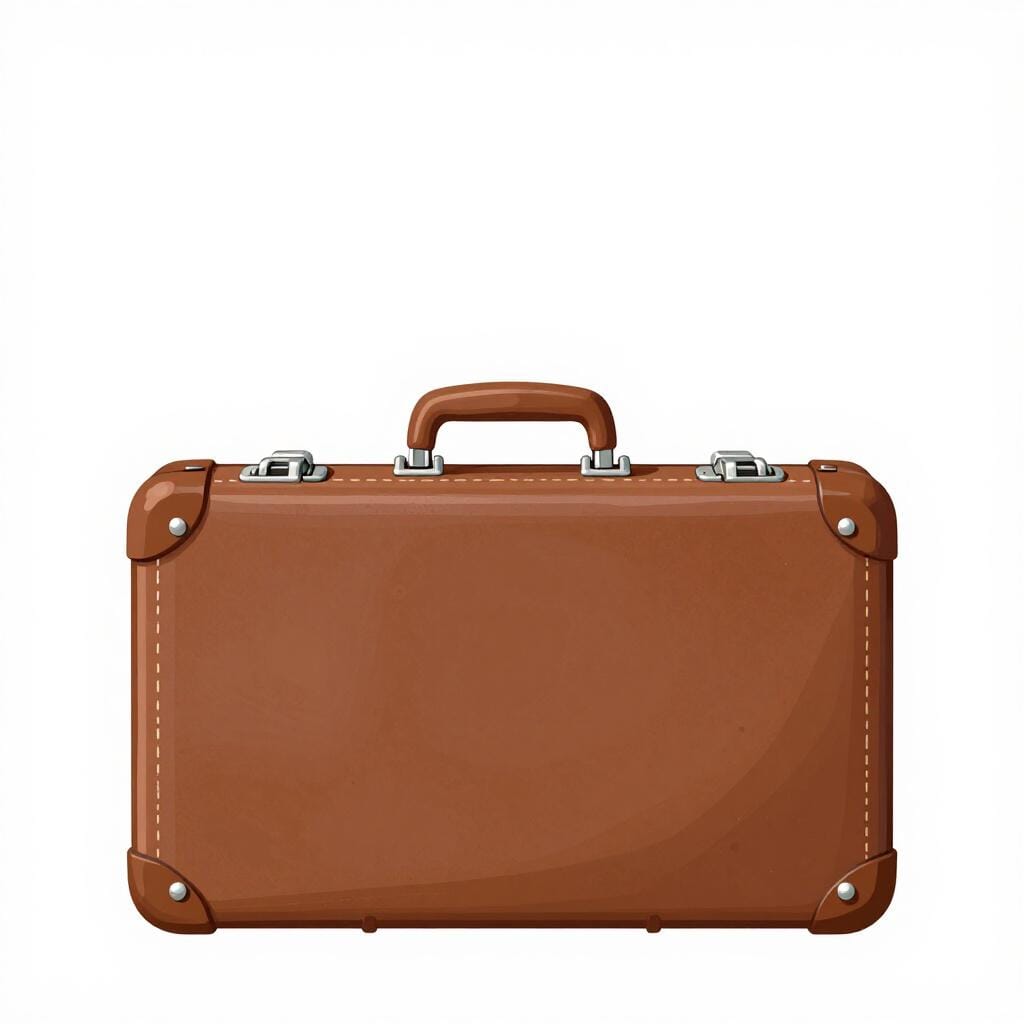
Use 'valija' when referring to luggage for travel, sometimes implying a slightly more formal or older-fashioned term, or in specific regions like Argentina.
Learn more →mah-LEH-tahmaˈleta

Examples
Mi maleta está demasiado pesada para el avión.
My suitcase is too heavy for the plane.
Abre la maleta, por favor. Quiero ver lo que empacaste.
Open the bag, please. I want to see what you packed.
Siempre viajo con una maleta de mano para evitar la fila de equipaje.
I always travel with a carry-on bag to avoid the luggage line.
Gender Rule
Remember that 'maleta' is always feminine. You must use feminine words with it: 'una maleta' (a suitcase), 'la maleta roja' (the red suitcase).
Using the wrong word for small bags
Mistake: “Using 'maleta' for a small purse or wallet.”
Correction: Use 'bolso' or 'cartera' for smaller, everyday bags. 'Maleta' is reserved for travel luggage.
ba-LEE-hahbaˈlixa
Examples
Tengo que preparar la valija para mi viaje mañana.
I have to pack my suitcase for my trip tomorrow.
Esa valija roja es muy pesada.
That red suitcase is very heavy.
Perdí mi valija en el aeropuerto de Buenos Aires.
I lost my suitcase at the Buenos Aires airport.
Gender and Endings
Since it ends in -a, it is a feminine word. Use 'la' or 'una' with it.
The 'V' Sound
In Spanish, the letter 'v' sounds exactly like a 'b'. Don't bite your lip like you do in English; keep your lips together.
Using 'el' instead of 'la'
Mistake: “el valija”
Correction: la valija (it is a feminine noun).
Maleta vs. Valija
The main confusion is choosing between 'maleta' and 'valija'. While both mean suitcase, 'maleta' is generally more widespread and understood everywhere. 'Valija' is also common, but can be more regional or sound slightly more formal/dated to some speakers.
Related Translations
Learn Spanish with Inklingo
Interactive stories, personalized learning, and more.