How to Say "surf" in Spanish
The most common Spanish word for “surf” is “olas” — use 'olas' when referring to the actual waves of the sea, especially when they are breaking on the shore, and you are not necessarily talking about the sport of surfing.

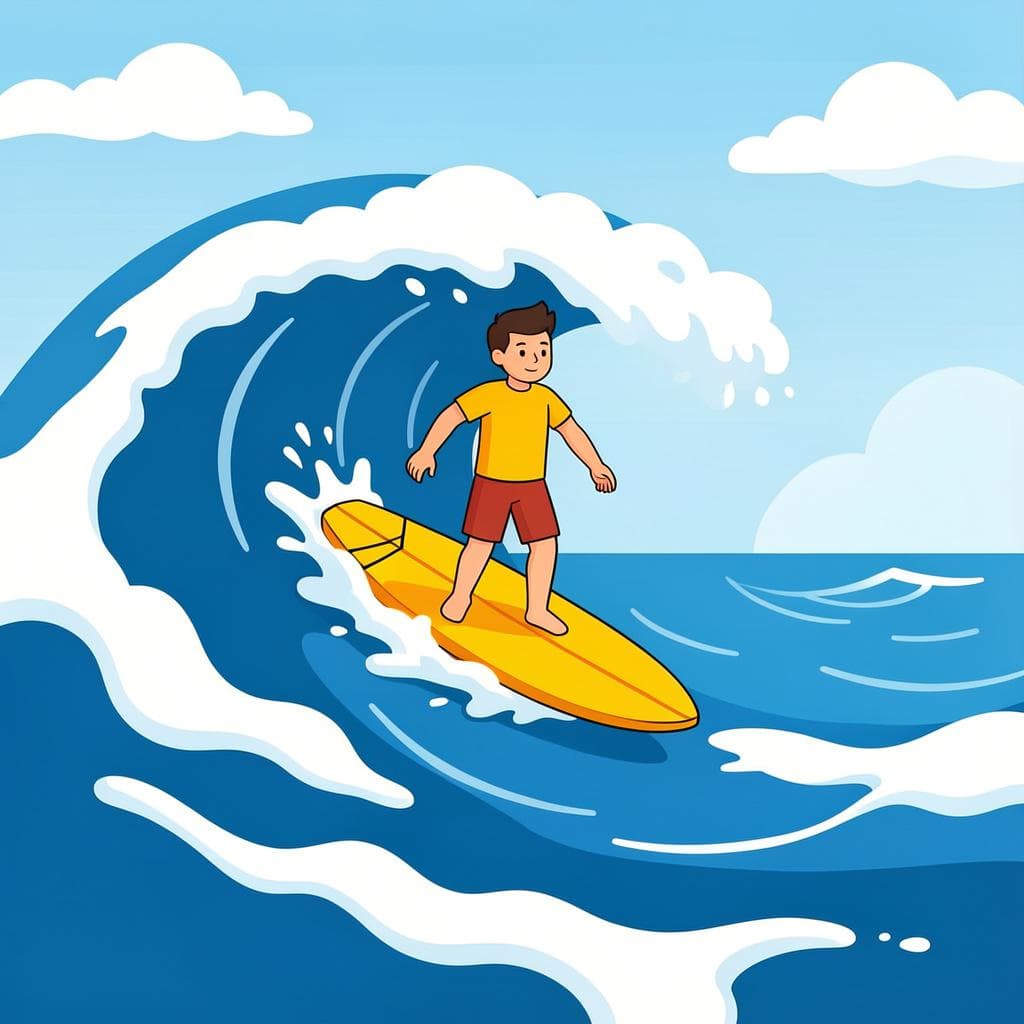
olas
OH-lahsˈo.las

Examples
Las olas del mar estaban muy grandes hoy.
The ocean waves were very big today.
Me gusta escuchar el sonido de las olas en la playa.
I like listening to the sound of the waves on the beach.
Los surfistas esperan las mejores olas.
The surfers wait for the best waves.
Feminine Plural
Since the singular word 'ola' ends in -a, it is a feminine noun. Therefore, when plural, it uses the feminine article 'las' (las olas).
Gender Confusion
Mistake: “El olas.”
Correction: Las olas. Remember that most words ending in -a are feminine, requiring the article 'las' in the plural.
surf
surfˈsuɾf
Examples
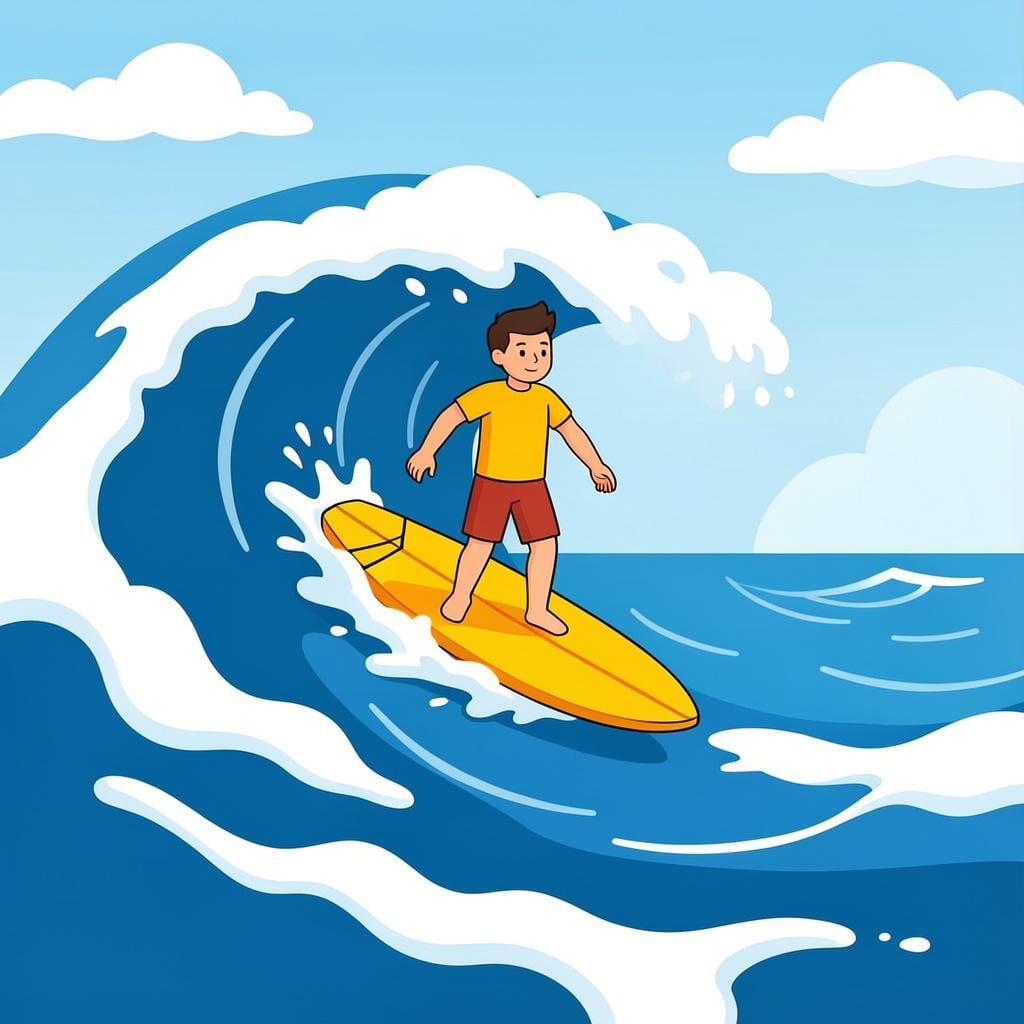
Mi hermano quiere practicar surf este fin de semana.
My brother wants to practice surfing this weekend.
Las tablas de surf son muy caras.
Surfboards are very expensive.
Hay mucho surf hoy en la playa.
There is a lot of surf (waves) at the beach today.
Using 'hacer' with Surf
In Spanish, we don't usually use 'surf' as a verb by itself. Instead, we pair it with 'hacer' (to do/make) to say 'hacer surf' when we want to say 'to surf'.
Word Gender
'Surf' is a masculine word, so you should always use masculine helpers like 'el', 'un', or 'mucho' with it.
Using 'surf' as an action
Mistake: “Yo surf los domingos.”
Correction: Yo hago surf los domingos. 'Surf' is the name of the sport, not the action itself.
Surf vs. Olas
Learn Spanish with Inklingo
Interactive stories, personalized learning, and more.