How to Say "tasty" in Spanish
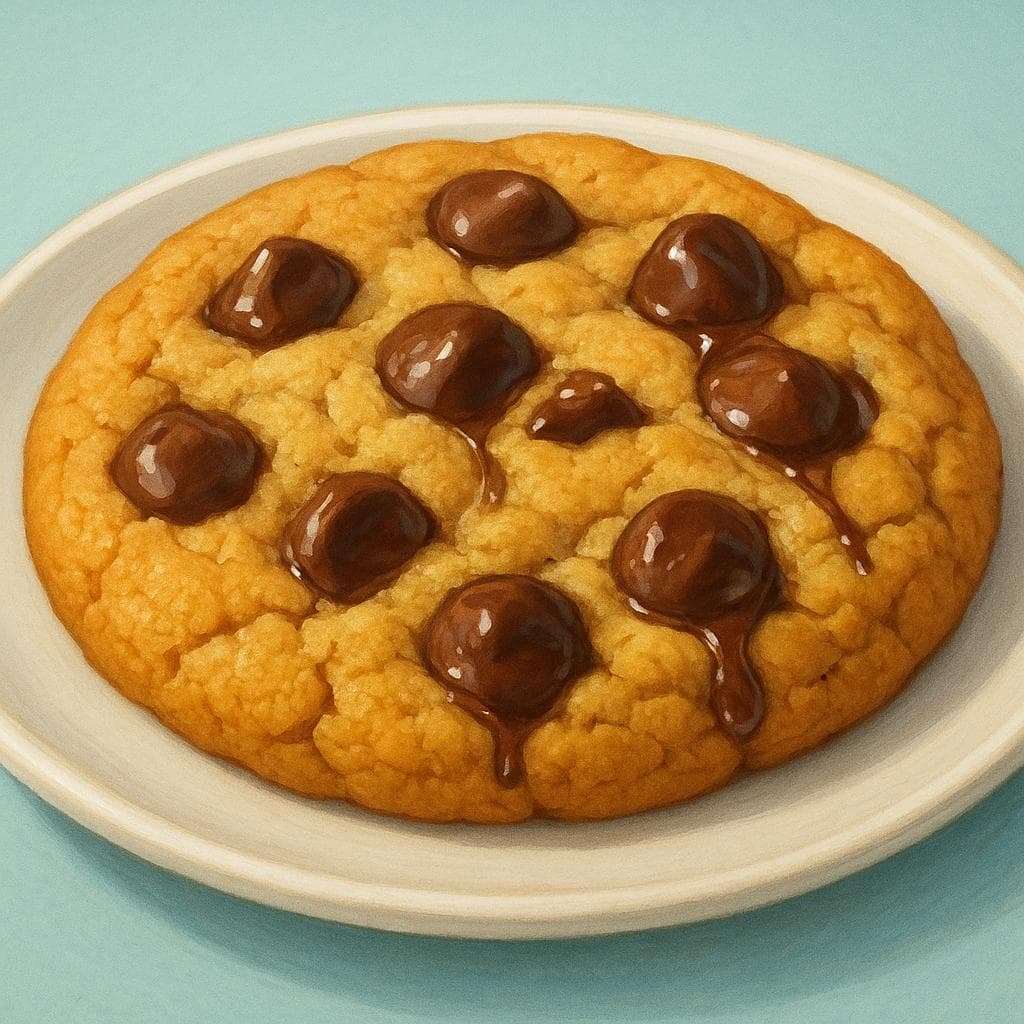
The most common Spanish word for “tasty” is “bueno” — use 'bueno' to describe something as generally good, including food, but it's a broader term than just 'tasty'.


bueno
BWEH-noˈbweno

Examples
Este es un buen libro.
This is a good book.
La sopa está muy buena.
The soup is very tasty.
Mi abuela es una mujer muy buena.
My grandmother is a very kind woman.
Bueno vs. Buen
When 'bueno' comes right before a masculine word, it shortens to 'buen'. For example, you say 'un buen día' (a good day), not 'un bueno día'.
Matching the Noun
'Bueno' changes to match the person or thing it describes. Use 'bueno' for masculine things ('el libro bueno') and 'buena' for feminine things ('la casa buena').
Bueno vs. Bien: The Big Difference
Use 'bueno' to describe things ('La comida es buena' - The food is good). Use 'bien' to describe actions ('Tú cocinas bien' - You cook well).
Forgetting to Change for Gender
Mistake: “La película es bueno.”
Correction: La película es buena. Because 'película' (movie) is a feminine word, you need to use the feminine form 'buena'.
Mixing up 'Bueno' and 'Bien'
Mistake: “Yo hablo español bueno.”
Correction: Yo hablo español bien. Since you're describing an action (speaking), you need to use 'bien' (well), not 'bueno' (good).
rica
rri-kaˈri.ka
Examples
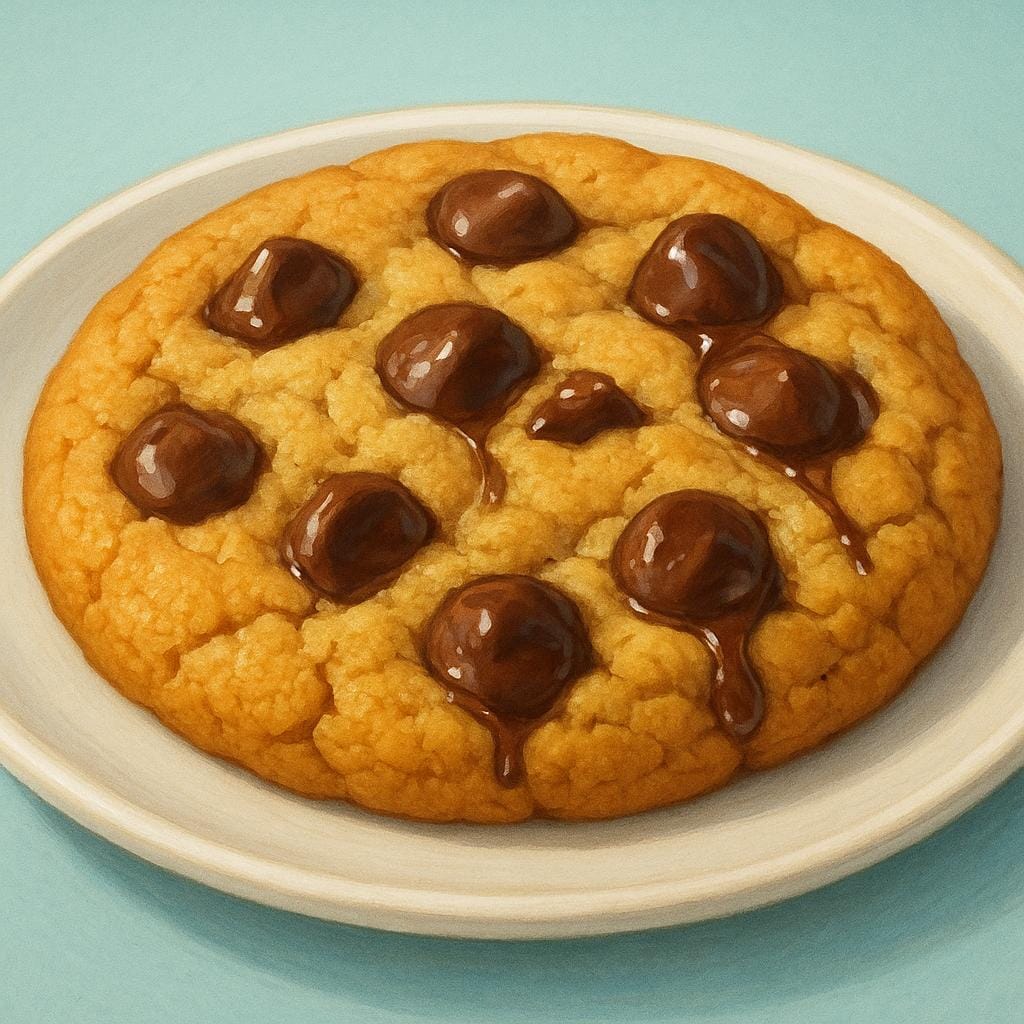
¡Qué sopa tan rica! Necesito la receta.
What a delicious soup! I need the recipe.
La tarta de chocolate está muy rica hoy.
The chocolate cake is very tasty today.
Ser vs. Estar with Taste
Use the verb 'estar' (like in 'está rica') when the taste is temporary or specific to this moment. Use 'ser' (like in 'es rica') if you mean the food is always delicious in general.
Confusing Taste and Flavor
Mistake: “Using 'saborosa' instead of 'rica' when praising a simple dish.”
Correction: 'Rica' is the most common and versatile way to say something tastes great. 'Sabrosa' means 'flavorful' and is used less often.
sabroso
sah-BROH-sohsaˈβɾoso

Examples
Este pollo asado está muy sabroso.
This roasted chicken is very tasty.
Mi abuela prepara unas empanadas sabrosas.
My grandmother makes some delicious empanadas.
Buscamos un restaurante que sirva comida sabrosa y barata.
We are looking for a restaurant that serves tasty and cheap food.
Matching the Gender
Since this is a describing word, it must match the thing it describes. Use 'sabroso' for masculine things (el pan sabroso) and 'sabrosa' for feminine things (la fruta sabrosa).
Using 'Estar' vs 'Ser'
Use 'estar' when talking about a specific meal you are eating right now (Esta sopa está sabrosa). Use 'ser' when talking about a food in general (El chocolate es sabroso).
Forgetting the Plural
Mistake: “Los tacos son sabroso.”
Correction: Los tacos son sabrosos. Always add an 's' if you are describing more than one thing.
delicioso
deh-lee-see-OH-sodeliˈsjo.so
Examples
Este pastel de chocolate es realmente delicioso.
This chocolate cake is truly delicious.
La cena que preparaste estaba deliciosa.
The dinner you prepared was delicious (feminine form).
Pasamos un momento delicioso en la playa.
We spent a delightful moment at the beach.
Matching the Word
As an adjective, 'delicioso' must change its ending to match the noun it describes. Use '-a' for feminine words (la pizza deliciosa) and add '-s' for plural words (los pasteles deliciosos).
Using Ser vs. Estar
When talking about food, we usually use 'estar' (to be) because the deliciousness is a temporary state or the result of preparation: 'La sopa está deliciosa' (The soup is delicious right now).
Forgetting Gender Match
Mistake: “La comida es delicioso.”
Correction: La comida es deliciosa. (Because 'comida' is feminine, the adjective must end in -a.)
Overusing 'bueno' for 'tasty'
Related Translations
Learn Spanish with Inklingo
Interactive stories, personalized learning, and more.