How to Say "they" in Spanish
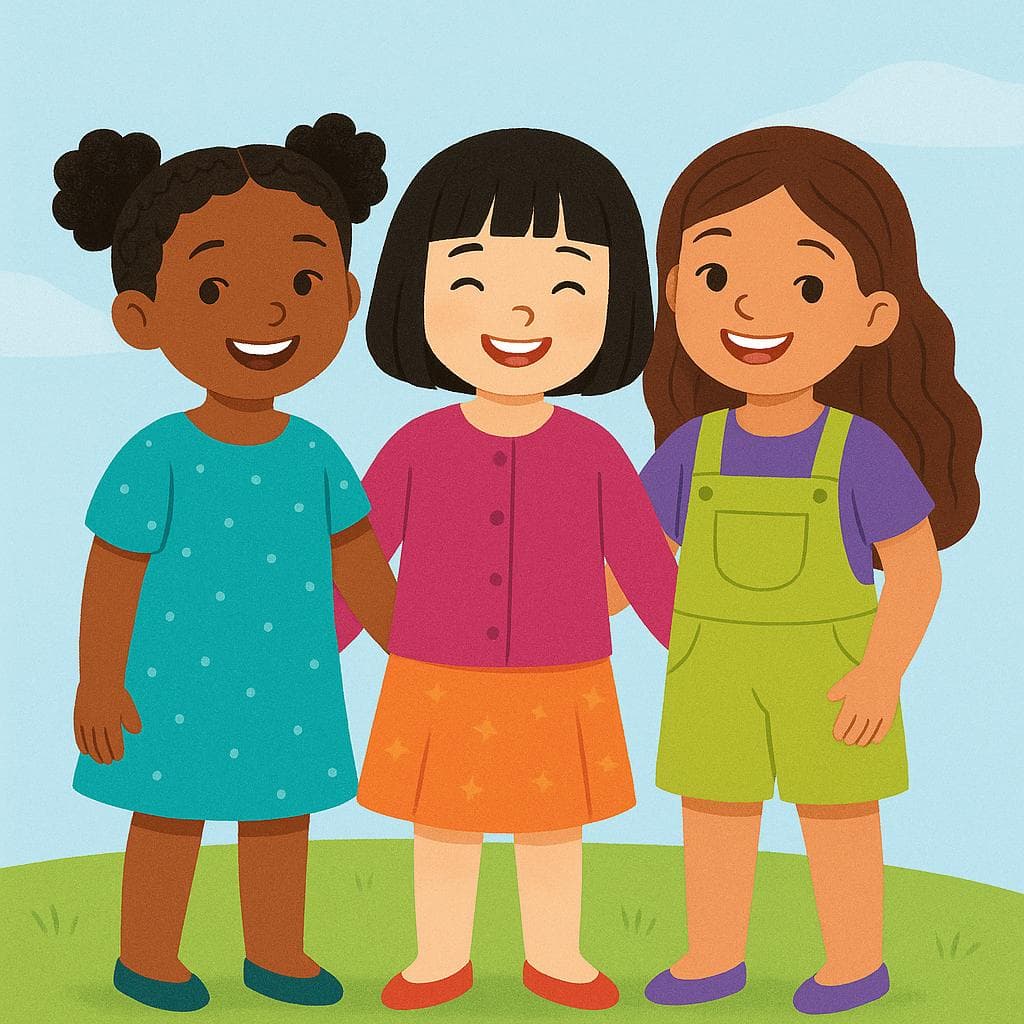
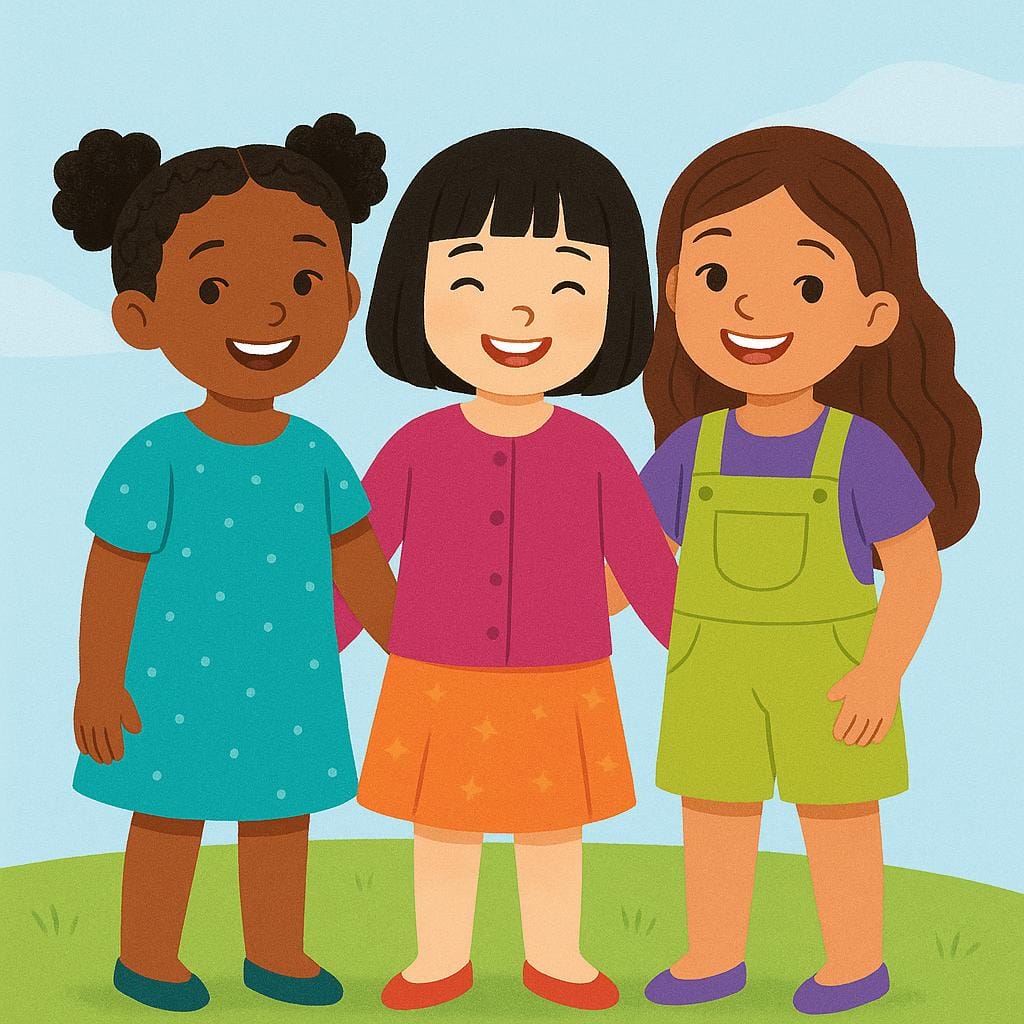
The most common Spanish word for “they” is “ellas” — use 'ellas' when referring to a group composed entirely of females (people or things).

ellas
EY-yasˈe.ʝas
Examples
Las profesoras llegaron. Ellas están cansadas.
The teachers arrived. They are tired.
¿Dónde están las chicas? Ellas están en el parque.
Where are the girls? They are in the park.
Mis hermanas son doctoras. Ellas trabajan mucho.
My sisters are doctors. They work a lot.
Las sillas son rojas. Ellas son muy cómodas.
The chairs are red. They are very comfortable.
Who is 'They'?
Use 'ellas' to say 'they' when you're talking about a group made up of ONLY women, girls, or things that are considered feminine in Spanish (like 'las mesas' - the tables).
A Handy Shortcut
'Ellas' lets you avoid repeating yourself. Instead of saying 'Las chicas son inteligentes. Las chicas estudian mucho,' you can say 'Las chicas son inteligentes. Ellas estudian mucho.'
The Mixed-Group Rule
Mistake: “When talking about one boy and one girl, a learner might say: 'El chico y la chica... ellas son amigos.'”
Correction: Always use 'ellos' for a mixed group, even if it's 99 women and 1 man. The correct way is: 'El chico y la chica... ellos son amigos.'
se
sehse

Examples
En mi país se come mucho pan.
In my country, people eat a lot of bread.
Aquí se habla español.
Spanish is spoken here.
Se venden casas en esta calle.
Houses are sold on this street.
¿Cómo se dice 'apple' en español?
How do you say 'apple' in Spanish?
Making General Rules or Statements
Use 'se' when you want to say something is done in general, without saying exactly who does it. It's very common on signs and in instructions.
Translating 'They' Directly
Mistake: “Ellos dicen que va a llover.”
Correction: Se dice que va a llover. (They say it's going to rain.) When 'they' is general and doesn't refer to specific people, 'se' is often the more natural choice.
General vs. Specific 'They'
Related Translations
Learn Spanish with Inklingo
Interactive stories, personalized learning, and more.