How to Say "they created" in Spanish
The most common Spanish word for “they created” is “hicieron” — use 'hicieron' when referring to the creation of physical objects or tangible items, or when describing the production of art.

hicieron
ee-SYEH-roniˈsjeɾon
Examples
Mis abuelos hicieron esta mesa a mano.
My grandparents made this table by hand.
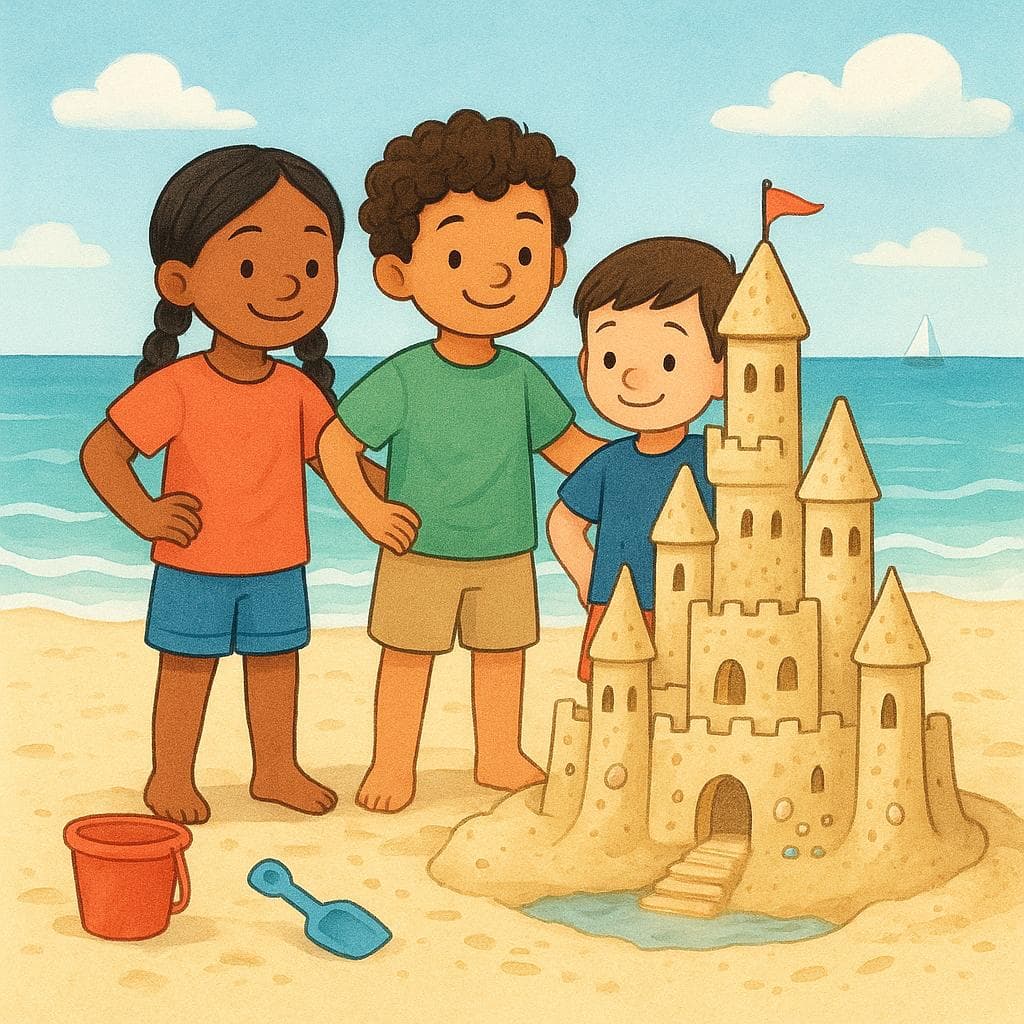
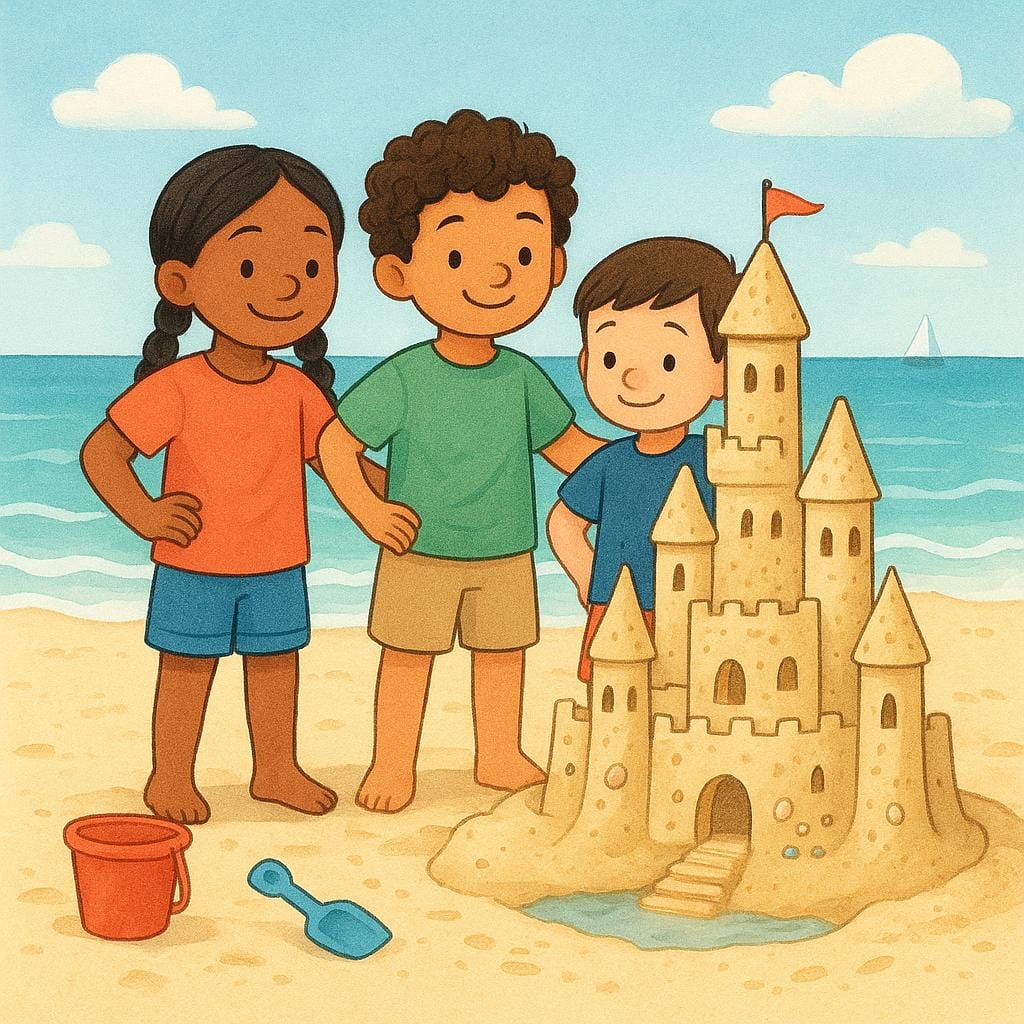
Hicieron un castillo de arena en la playa.
They made a sandcastle on the beach.
Los chefs hicieron una cena deliciosa.
The chefs made a delicious dinner.
'Hacer' is a Shape-Shifter
The verb 'hacer' changes its stem in this past tense. The 'c' changes to 'c' or 'z' depending on the person. For 'hicieron', it's 'hic-', but for 'he/she/it', it's 'hizo'. Just a little quirk to memorize!
hicieran
ee-SEE-eh-raniˈθjeɾan

Examples
Si los arquitectos hicieran planos más detallados, evitarían errores.
If the architects made more detailed plans, they would avoid errors.
Me sorprendió que hicieran una fiesta tan grande.
It surprised me that they made such a big party.
Hicieron vs. Hicieran: Tangible vs. Hypothetical
Related Translations
Learn Spanish with Inklingo
Interactive stories, personalized learning, and more.