How to Say "they ring" in Spanish
The most common Spanish word for “they ring” is “suenan” — use 'suenan' when referring to sounds made by inanimate objects like bells or alarms, indicating they are producing a ringing sound.

suenan
SWAE-nanˈswenan

Examples
Las campanas de la iglesia suenan a las ocho.
The church bells ring at eight o'clock.
Tus llaves suenan mucho cuando caminas.
Your keys jingle a lot when you walk.
Esos instrumentos no suenan muy bien hoy.
Those instruments don't sound very good today.
The Hidden 'U'
This word comes from 'sonar'. Notice how the 'o' changes to 'ue' in this form. This only happens when the beat of the word falls on that specific vowel.
Don't Forget the 'U'
Mistake: “Ellos sonan.”
Correction: Ellos suenan. Because the stress is on the root, the 'o' must change to 'ue'.
tocan
toh-kahnˈtokan

Examples
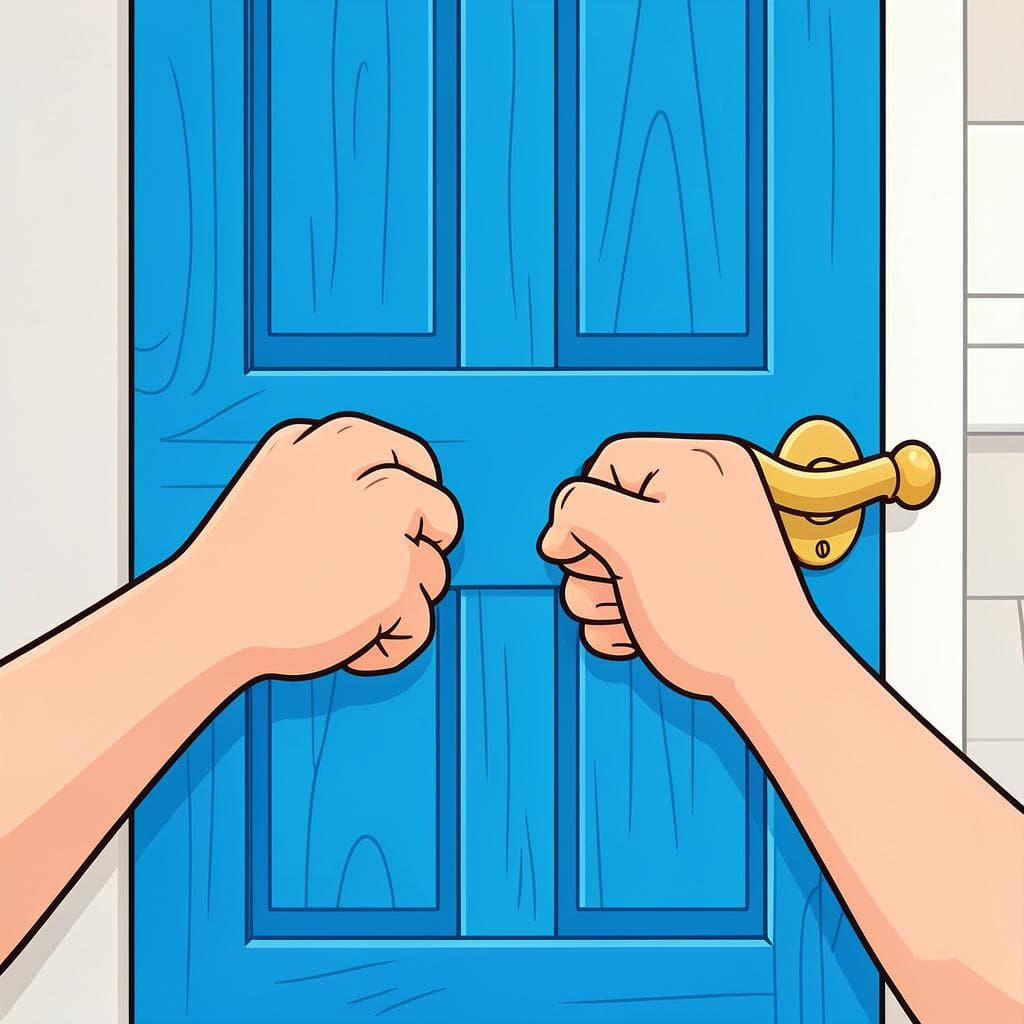
Tocan a la puerta.
Someone is knocking at the door (literally: 'They knock').
Ellos tocan el timbre.
They ring the doorbell.
The 'Someone' Rule
In Spanish, using 'tocan' (they knock) is the standard way to say 'someone is knocking' without specifying who it is.
Suenan vs. Tocan
Related Translations
Learn Spanish with Inklingo
Interactive stories, personalized learning, and more.