How to Say "to coat" in Spanish
The most common Spanish word for “to coat” is “bañar” — use 'bañar' when covering food items with a liquid or semi-liquid substance, like dipping or immersing them.
Use 'bañar' when covering food items with a liquid or semi-liquid substance, like dipping or immersing them.
Learn more →
Use 'revestir' when applying an outer layer or covering to a surface, especially for protection or decoration, like walls or buildings.
Learn more →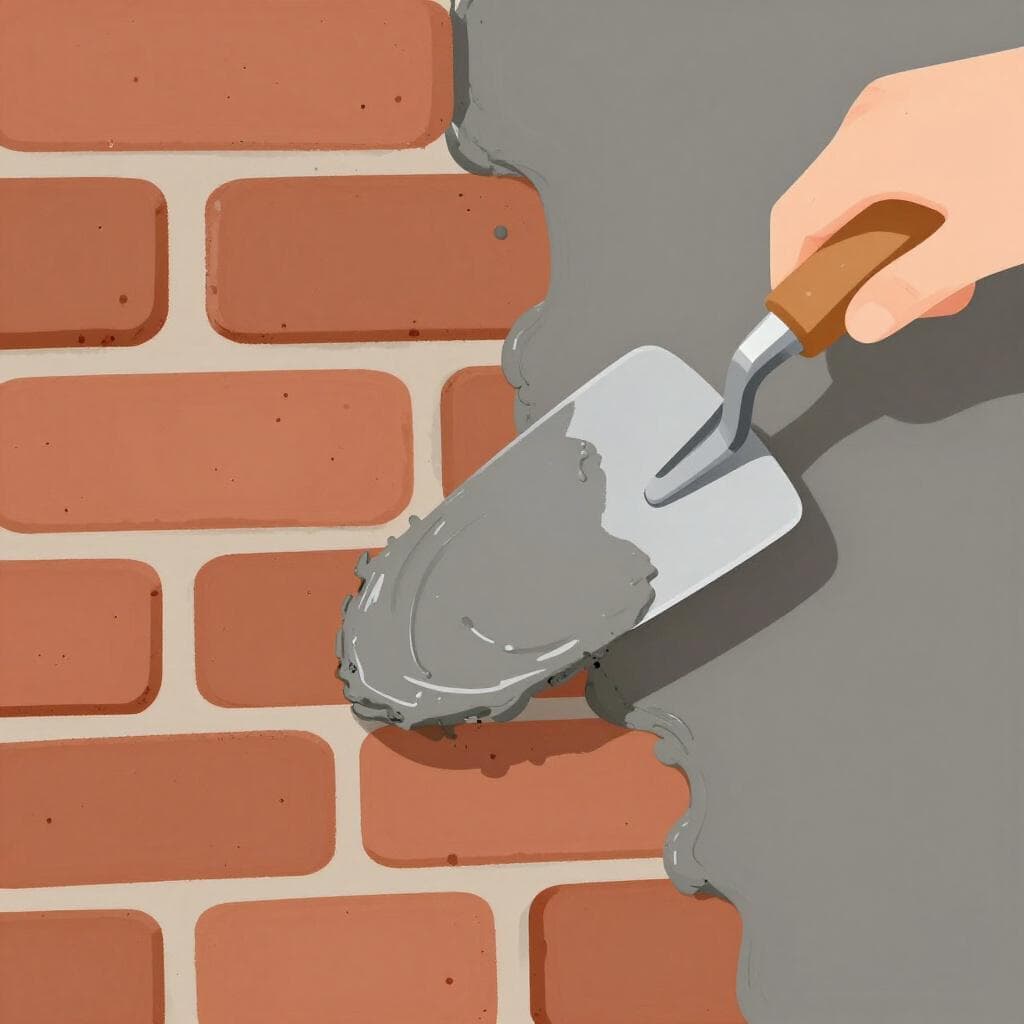
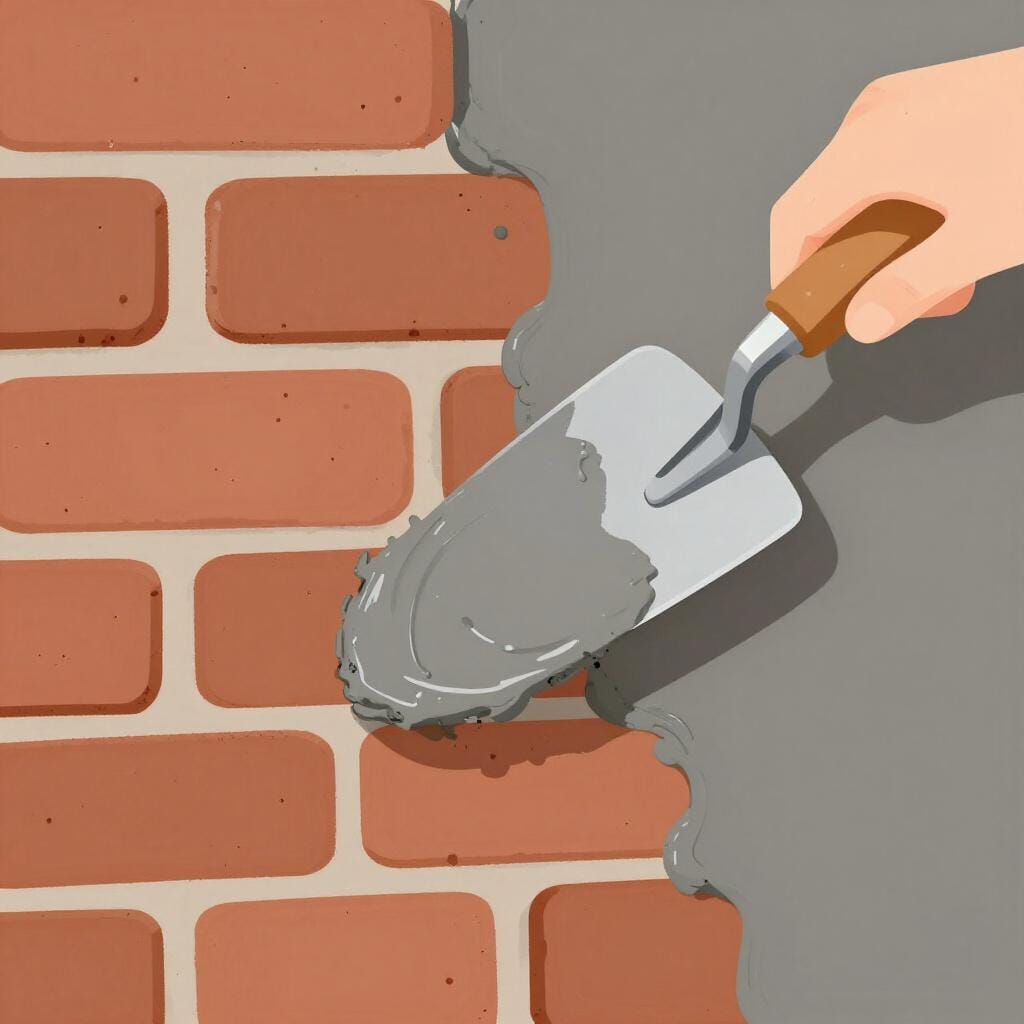
Use 'revocar' specifically when applying plaster or a similar finishing material to walls or ceilings as a preparatory step for painting or decorating.
Learn more →bañar
Examples
Vamos a bañar las fresas en chocolate.
We are going to coat the strawberries in chocolate.
rreh-behs-TEERreβesˈtiɾ

Examples
Decidimos revestir la fachada con piedra natural.
We decided to face the facade with natural stone.
El sastre va a revestir el interior del abrigo con seda roja.
The tailor is going to line the inside of the coat with red silk.
Es necesario revestir las tuberías para protegerlas del frío.
It is necessary to coat the pipes to protect them from the cold.
The 'E' to 'I' Swap
This is a stem-changing verb. In many forms, the 'e' in the middle changes to an 'i' (like 'yo revisto').
Using 'de' or 'con'
When you say what material you are using to coat something, use 'de' or 'con' (e.g., revestir de seda).
Don't forget the 'i' change in the past
Mistake: “Él revestió la pared.”
Correction: Él revistió la pared. Remember, the 'e' changes to 'i' in the third-person past tense too!
rre-bo-karreβoˈkaɾ
Examples
Necesitamos revocar las paredes antes de pintar el salón.
We need to plaster the walls before painting the living room.
Han revocado la fachada con cemento blanco.
They have coated the facade with white cement.
Technical Vocabulary
Even though this is the same verb, it's used in a completely different world (construction). The grammar rules for the spelling change still apply.
Confusing Plastering with General Coating
Learners often confuse 'revocar' (to plaster walls) with 'revestir' (to cover a surface). Remember that 'revocar' is a specific type of coating for walls and ceilings, while 'revestir' is a more general term for adding a covering layer to any surface.
Related Translations
Learn Spanish with Inklingo
Interactive stories, personalized learning, and more.