How to Say "to cost" in Spanish
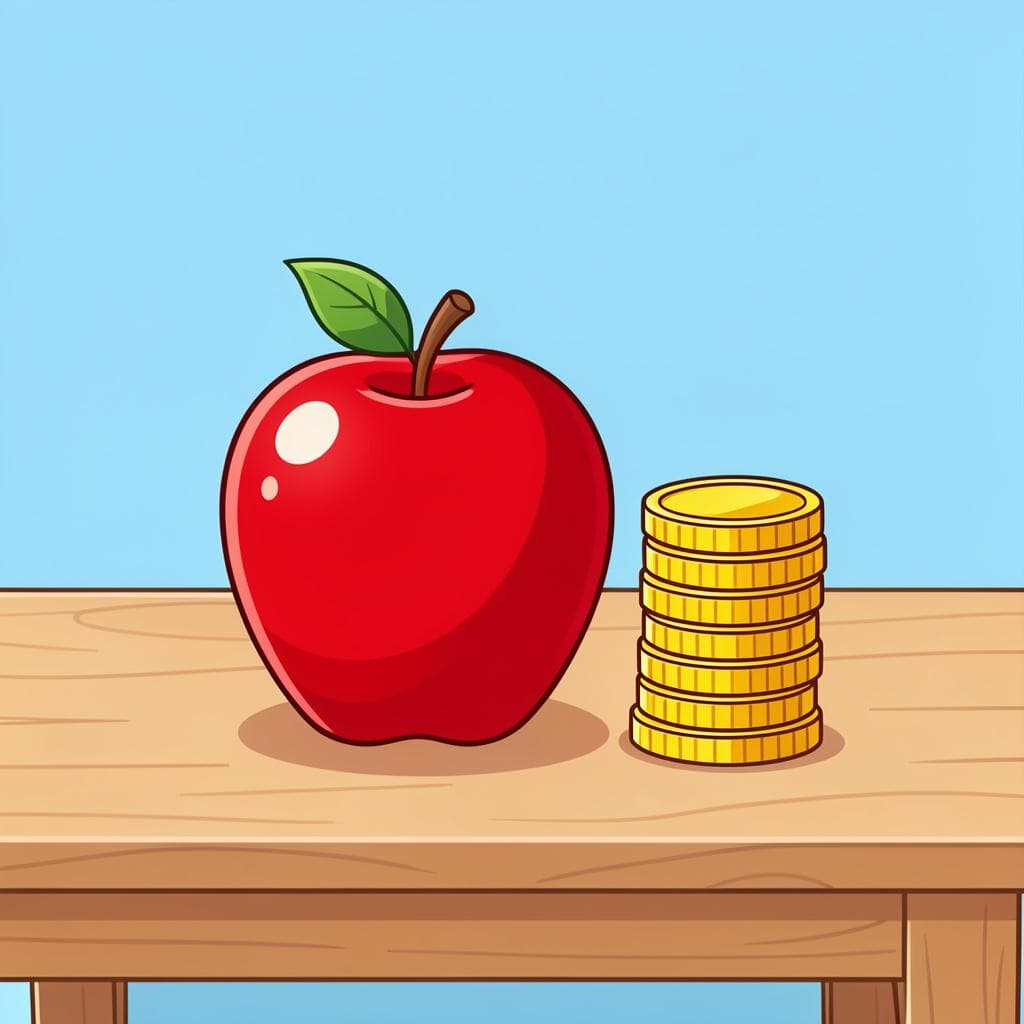
The most common Spanish word for “to cost” is “costar” — use 'costar' when asking about the specific monetary price of an item or service in a direct transaction.

kos-TARkosˈtaɾ
Examples
¿Cuánto cuesta esta camiseta?
How much does this t-shirt cost?
Las entradas cuestan veinte euros.
The tickets cost twenty euros.
La cena nos costó mucho dinero.
The dinner cost us a lot of money.
The 'O' to 'UE' Change
This is a 'shoe verb.' The letter 'o' changes to 'ue' in all forms except for the 'we' (nosotros) and 'you all in Spain' (vosotros) forms.
Mostly Used in 3rd Person
Since things (like a shirt or tickets) are usually what have a price, you will almost always use 'cuesta' (it costs) or 'cuestan' (they cost).
The Wrong 'O'
Mistake: “Yo costo mucho.”
Correction: Yo cuesto mucho. (Remember the o-to-ue change, though you rarely talk about your own price!)
bah-LEHRbaˈler

Examples
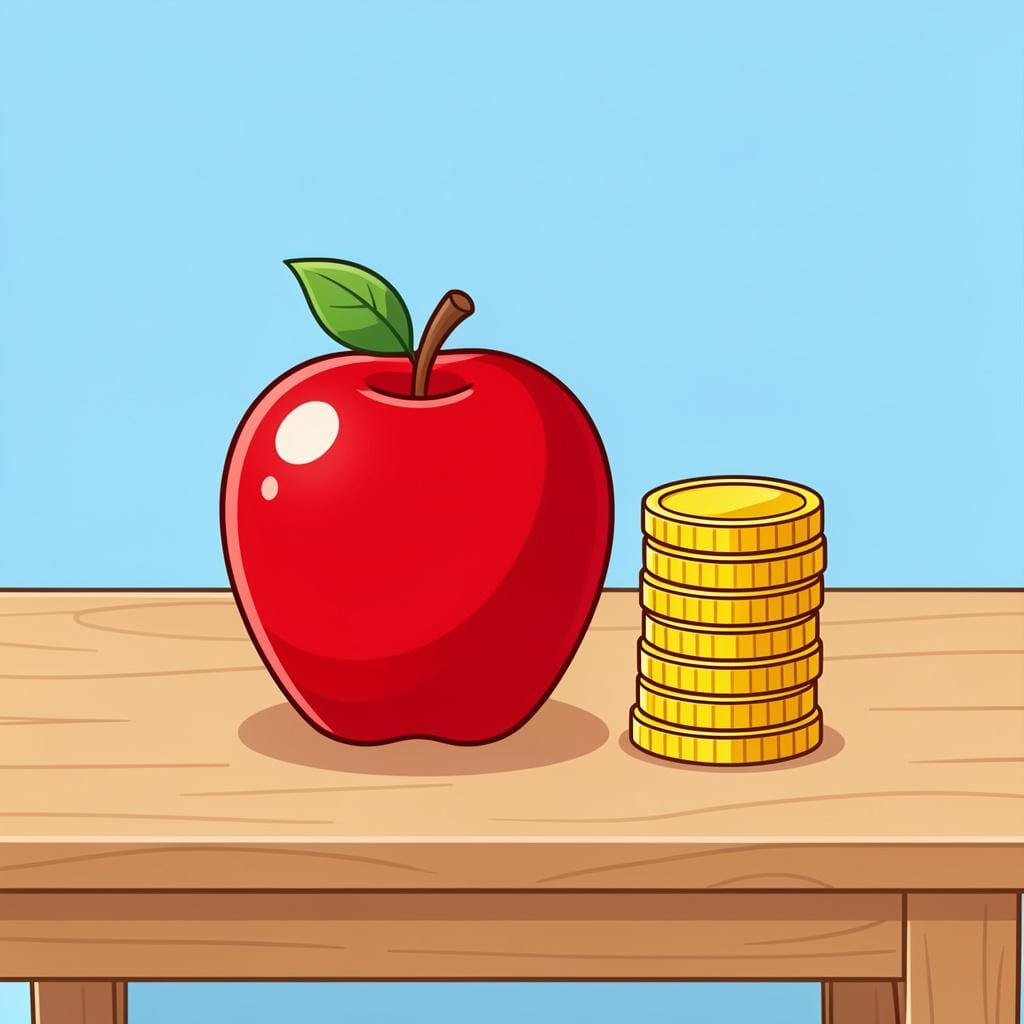
¿Cuánto vale esta camiseta?
How much does this t-shirt cost?
Ese anillo vale una fortuna.
That ring is worth a fortune.
The 'G' in the 'I' form
When talking about yourself (yo), the verb changes from 'val-' to 'valgo.' This only happens in the present 'I' form.
Future and Conditional Spelling
In the future and conditional forms, the 'e' drops out and is replaced by a 'd', so it becomes 'valdré' instead of 'valeré'.
Saying 'valeré' for the future
Mistake: “Yo valeré mucho.”
Correction: Yo valdré mucho. (Remember the 'd' in the future stem!)
Costar vs. Valer for Price
The most common mistake is overthinking the difference. For asking the price of an item, both 'costar' and 'valer' are widely understood and frequently used interchangeably. 'Costar' is slightly more direct for price, but 'valer' is perfectly acceptable in most everyday situations.
Related Translations
Learn Spanish with Inklingo
Interactive stories, personalized learning, and more.