How to Say "to die" in Spanish
The most common Spanish word for “to die” is “morir” — use 'morir' for the most direct and literal meaning of the end of life for people, animals, or plants.
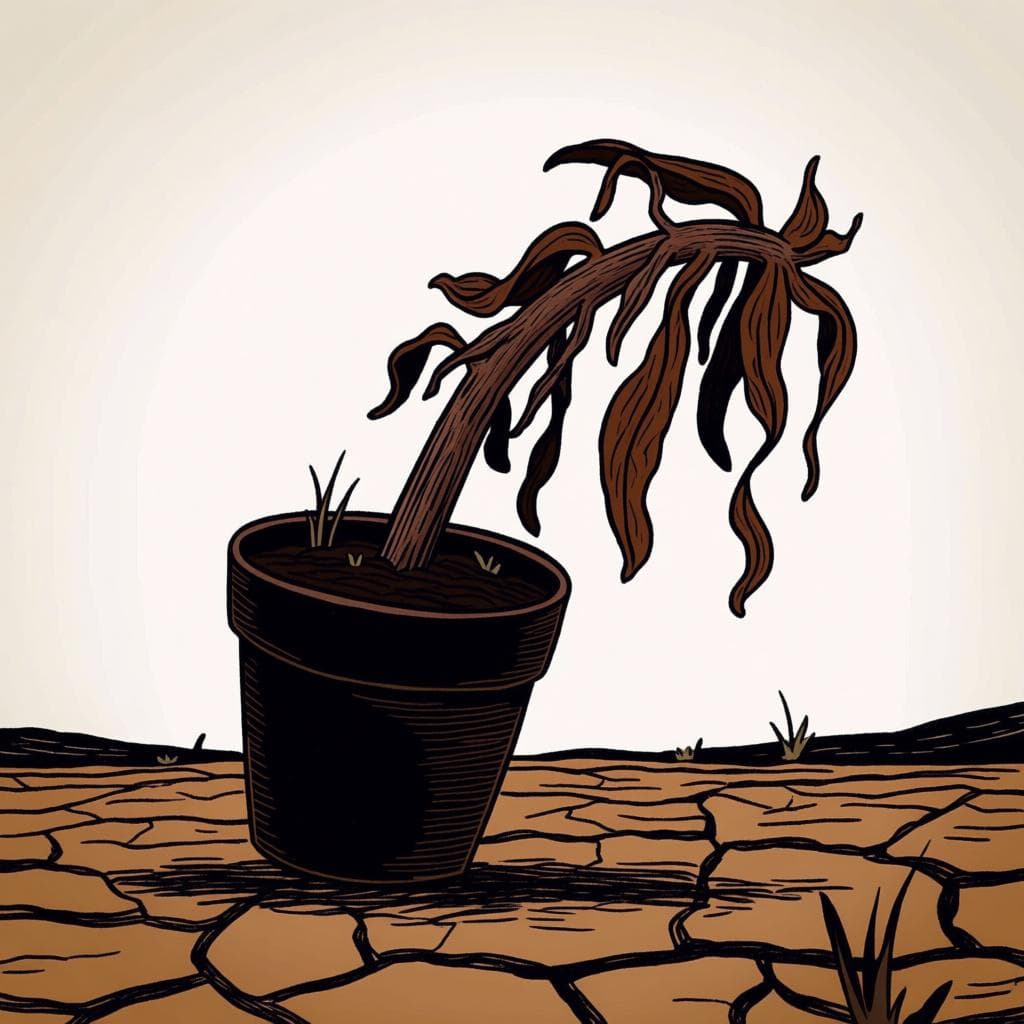
Use 'morir' for the most direct and literal meaning of the end of life for people, animals, or plants.
Learn more →
Use 'fallecer' as a more formal and respectful alternative to 'morir', often used in obituaries or when speaking about someone's death in a polite context.
Learn more →
Use 'acabar' in a figurative or poetic sense to mean 'to run out' or 'to come to an end,' not for the literal death of a living being.
Learn more →
Use 'sucumbir' to describe succumbing to an illness, an attack, or a difficult situation, implying defeat or perishing under pressure.
Learn more →moh-REERmoˈɾiɾ
Examples
El perro murió anoche.
The dog died last night.
Mi abuelo murió el año pasado.
My grandfather died last year.
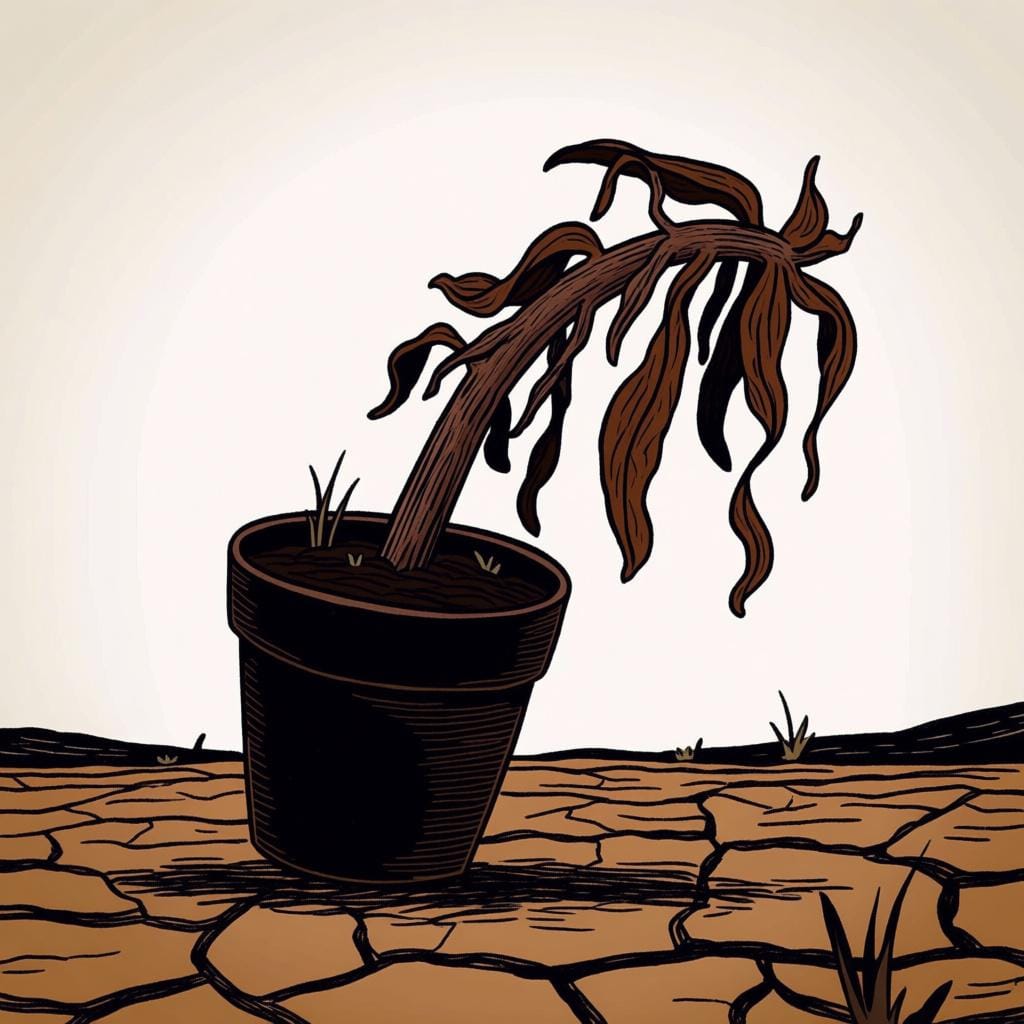
Las plantas murieron por falta de agua.
The plants died from lack of water.
Muchas tradiciones antiguas están muriendo.
Many old traditions are dying out.
A Shape-Shifting Verb
'Morir' changes its spelling in certain situations. The 'o' often becomes 'ue' (like in 'muero') or just 'u' (like in 'murió' and 'muramos'). This happens with many common verbs!
The Past Form 'Muerto'
To say something 'has died' or 'is dead,' you use the special form 'muerto,' not 'morido.' For example, 'El pez ha muerto' (The fish has died) or 'El pez está muerto' (The fish is dead).
Using 'Morido'
Mistake: “El pájaro ha morido.”
Correction: El pájaro ha muerto. 'Morir' has a special, irregular form for this job: 'muerto'.
fa-yeh-SEHRfaʝeˈseɾ

Examples
El actor falleció después de una larga enfermedad.
The actor passed away after a long illness.
Mi abuela falleció a los noventa años.
My grandmother passed away at the age of ninety.
Lamentamos informar que el escritor falleció anoche.
We regret to inform you that the writer passed away last night.
El paciente falleció por causas naturales.
The patient passed away from natural causes.
The 'ZC' Spelling Change
When you talk about yourself in the present ('yo' form) or use the 'wish/command' verb forms, the 'c' changes to 'zc' (fallezco). This helps keep the soft sound consistent.
Formal Tone
This verb acts as a polite alternative to 'morir'. Think of it as the direct equivalent of 'to pass away' in English.
Using it for animals
Mistake: “Mi perro falleció ayer.”
Correction: Mi perro murió ayer. 'Fallecer' is generally reserved for people to show respect.
ah-kah-BAHRa.kaˈβaɾ

Examples
Se me acabó la paciencia.
My patience ran out.
Se me acabó la leche. ¿Puedes comprar más?
I ran out of milk. Can you buy more?
Cuando las vacaciones se acaben, tengo que volver al trabajo.
When the holidays are over, I have to return to work.
Si no bebes agua pronto, la batería del coche se acabará.
If you don't drink water soon, the car's battery will run out (of charge).
The Power of 'Se'
When something runs out or finishes on its own, you MUST use 'se' and conjugate the verb to match the thing that is gone (not the person). Example: El dinero se acabó (The money ran out).
Accidental Usage (A2/B1)
To say 'I ran out of X,' Spanish often uses the structure 'Se me acabó X,' where the running out happens 'to me,' but the thing ('X') is still the subject.
Forgetting 'Se'
Mistake: “La gasolina acabó.”
Correction: La gasolina se acabó. (You must use 'se' when the item finishes on its own.)
soo-koom-BEERsu.kumˈbiɾ

Examples
Los soldados sucumbieron ante el enemigo.
The soldiers succumbed to the enemy.
Muchos sucumbieron a la peste durante la Edad Media.
Many perished from the plague during the Middle Ages.
El herido sucumbió a sus lesiones poco después de llegar al hospital.
The injured man passed away from his injuries shortly after arriving at the hospital.
Cause of death
When using this word to mean 'to die', you still use 'a' followed by the cause (the illness, the wound, etc.).
Morir vs. Fallecer
Learners often confuse 'morir' and 'fallecer'. Remember that 'morir' is the general, neutral term for death, while 'fallecer' is a more formal and respectful way to say someone has died, similar to 'passed away' in English.
Related Translations
Learn Spanish with Inklingo
Interactive stories, personalized learning, and more.