How to Say "to honor" in Spanish
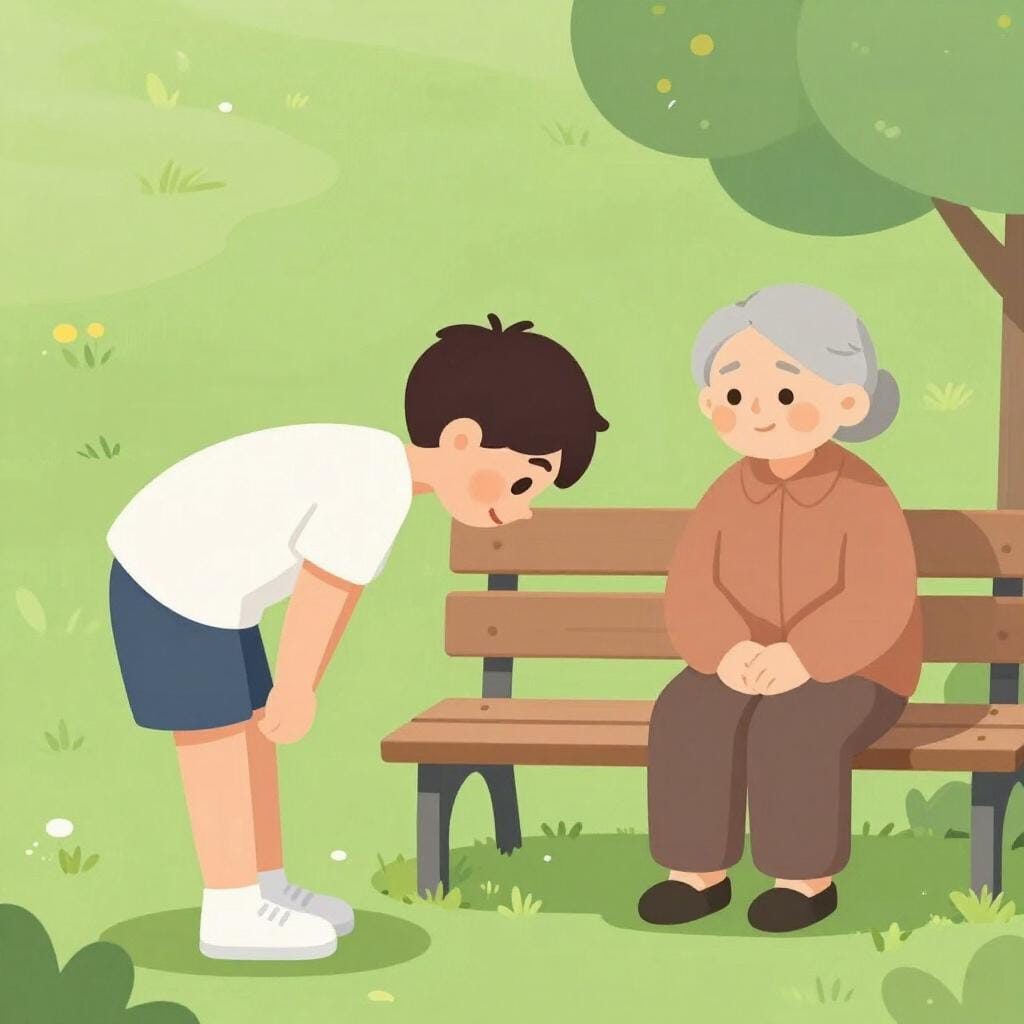
The most common Spanish word for “to honor” is “honrar” — use 'honrar' when you want to express deep respect, esteem, or reverence for someone or something, often in a more profound or commemorative sense.
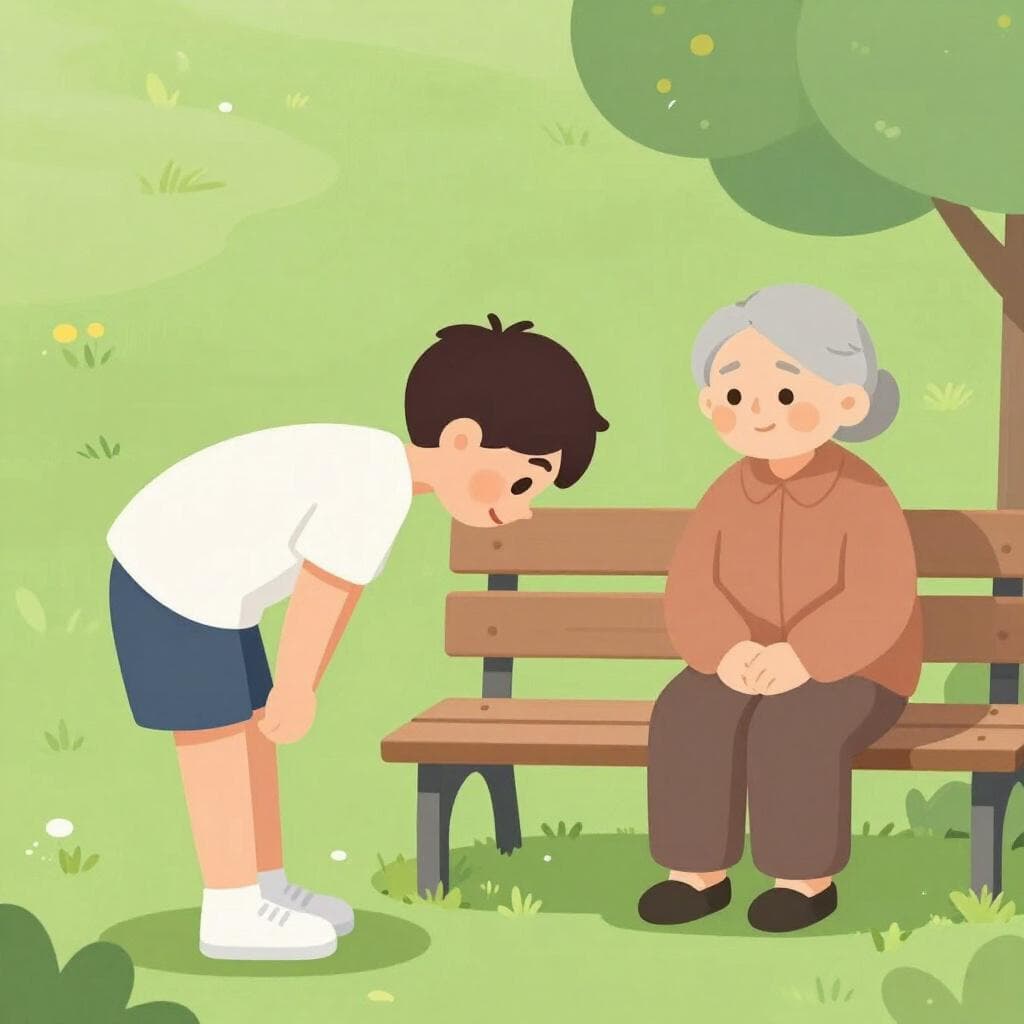
Use 'honrar' when you want to express deep respect, esteem, or reverence for someone or something, often in a more profound or commemorative sense.
Learn more →
Use 'saludar' when you mean to formally acknowledge someone, typically with a gesture like a handshake or a nod, especially in a military or formal setting.
Learn more →on-RAHRonˈraɾ
Examples
Es importante honrar a nuestros antepasados.
It is important to honor our ancestors.
La empresa decidió honrar su promesa de aumentar los salarios.
The company decided to honor its promise to raise salaries.
Me honra mucho recibir esta invitación.
I am very honored to receive this invitation.
The 'Personal A'
Since you usually honor people, don't forget to put a small 'a' before the person you are honoring. For example: 'Honro a mi abuelo' (I honor my grandfather).
Using it as a Feeling
When you want to say something is an honor for you, use 'me honra' (it honors me) followed by the action.
Confusing the Verb and Noun
Mistake: “Es un honrar verte.”
Correction: Es un honor verte. Use 'honor' for the noun and 'honrar' only for the action of honoring.
sah-loo-darsa.luˈðar

Examples
El soldado saludó a su superior antes de recibir la orden.
The soldier saluted his superior before receiving the order.
La banda de música saludó a la bandera nacional.
The marching band saluted the national flag.
Honrar vs. Saludar
Learners often confuse 'honrar' and 'saludar' because both involve respect. Remember that 'honrar' is about deep respect and esteem (like honoring traditions or ancestors), while 'saludar' is about a formal, often physical, acknowledgment or greeting (like a soldier saluting).
Related Translations
Learn Spanish with Inklingo
Interactive stories, personalized learning, and more.