How to Say "to push" in Spanish
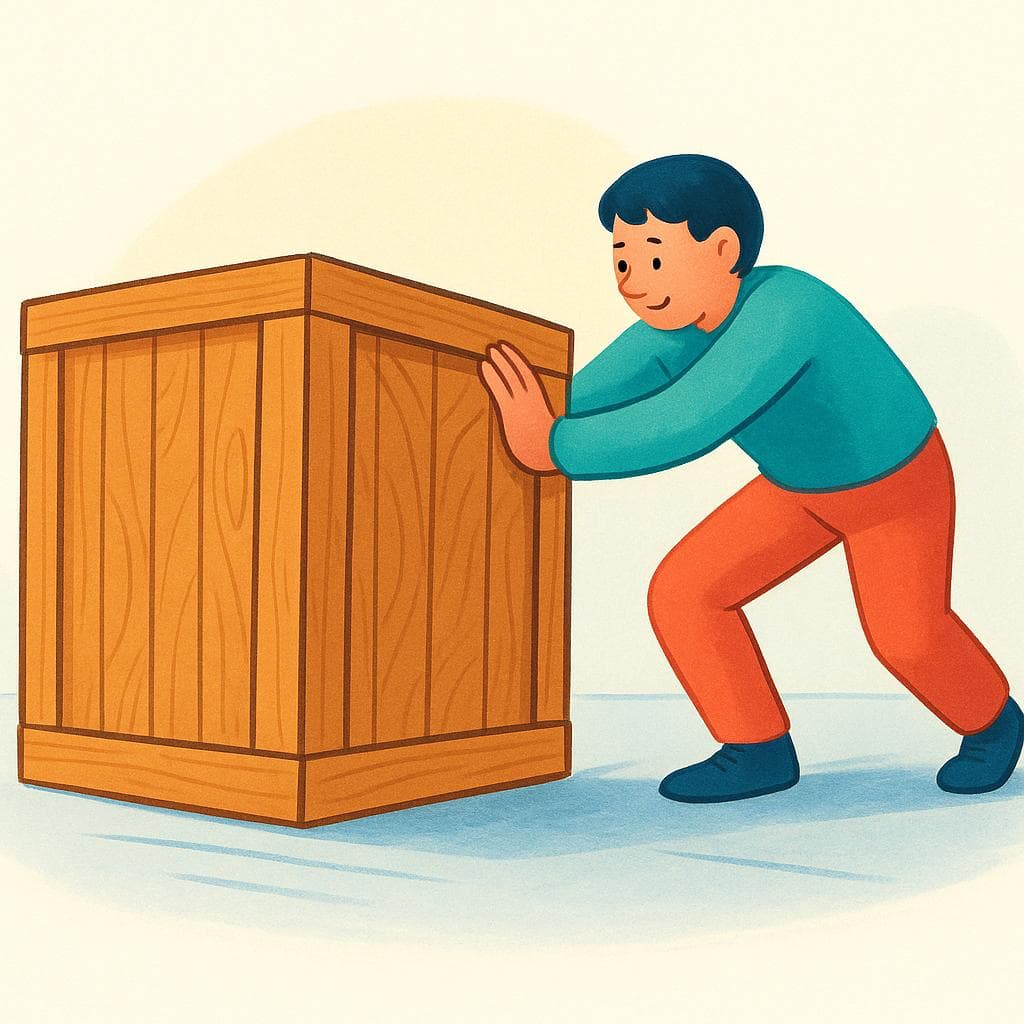
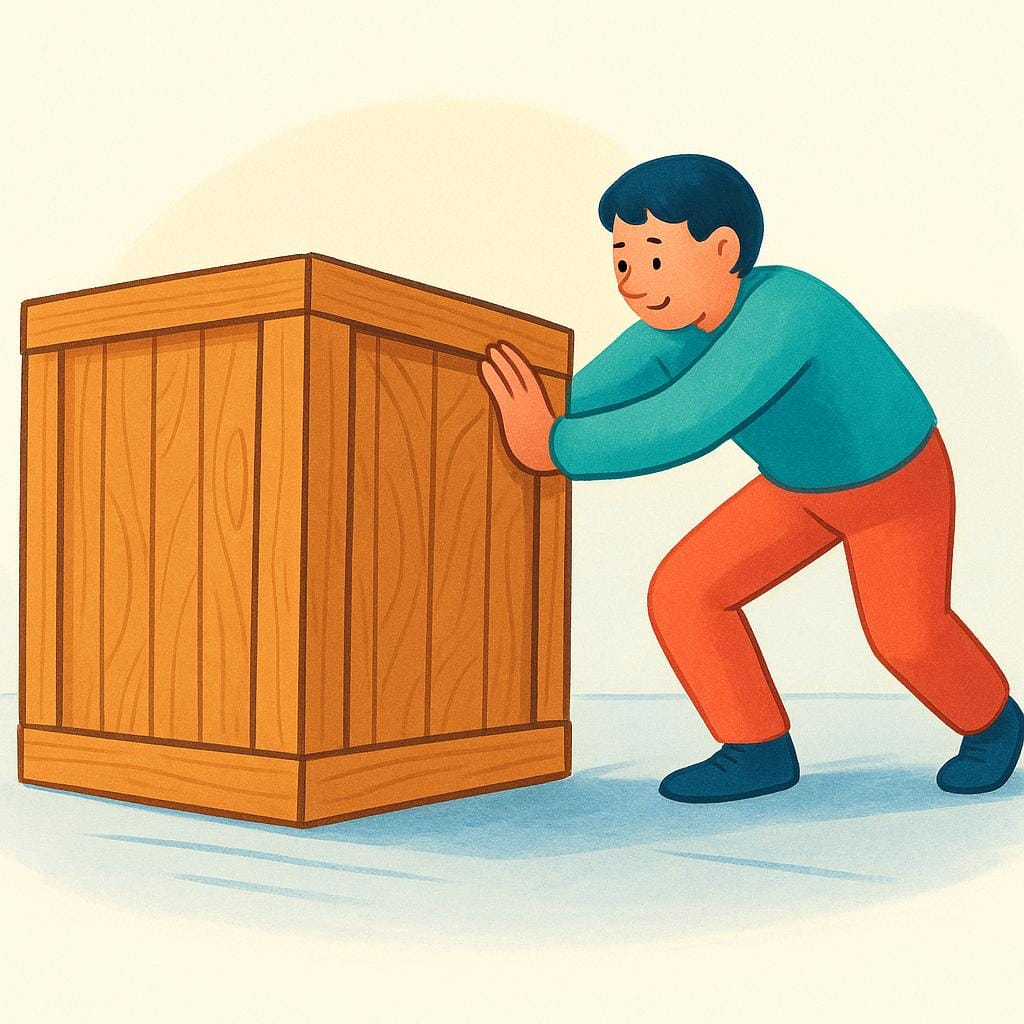
The most common Spanish word for “to push” is “empujar” — use 'empujar' when you are physically moving an object away from yourself or encouraging/pressuring someone to do something.

empujar
em-poo-HARem.puˈxaɾ
Examples
Tienes que empujar la puerta para entrar.
You have to push the door to get in.
No me empujes, por favor.
Don't shove me, please.
Mis padres me empujaron a estudiar música.
My parents pushed me to study music.
La crisis empujó a la gente a buscar soluciones nuevas.
The crisis drove people to look for new solutions.
Using 'a' with People
When you push a specific person, you must put the word 'a' before their name or the person word. Example: 'Empujó a Juan'.
Using 'a' + Infinitive
When you use 'empujar' to mean pushing someone to DO something, use the pattern: empujar + person + 'a' + action verb. Example: 'Me empuja a correr' (He pushes me to run).
Push vs. Pull
Mistake: “Using 'tirar' to mean push.”
Correction: Use 'empujar' for push. 'Tirar' actually means to pull (and sometimes to throw!).
presionar
pre-syo-NARpɾesjoˈnaɾ

Examples
Presiona el botón verde para encender la máquina.
Press the green button to turn on the machine.
Tienes que presionar con fuerza para que pegue bien.
You have to press hard so it sticks well.
Presionar vs. Empujar
Use 'presionar' when you are pushing down on something or pushing a button. Use 'empujar' when you are pushing an object to move it away from you, like a door or a cart.
Don't 'Squeeze' Buttons
Mistake: “Using 'apretar' for every button.”
Correction: While 'apretar' is used, 'presionar' or 'pulsar' is often more precise for electronic buttons.
Empujar vs. Presionar
Learn Spanish with Inklingo
Interactive stories, personalized learning, and more.