How to Say "to shove" in Spanish
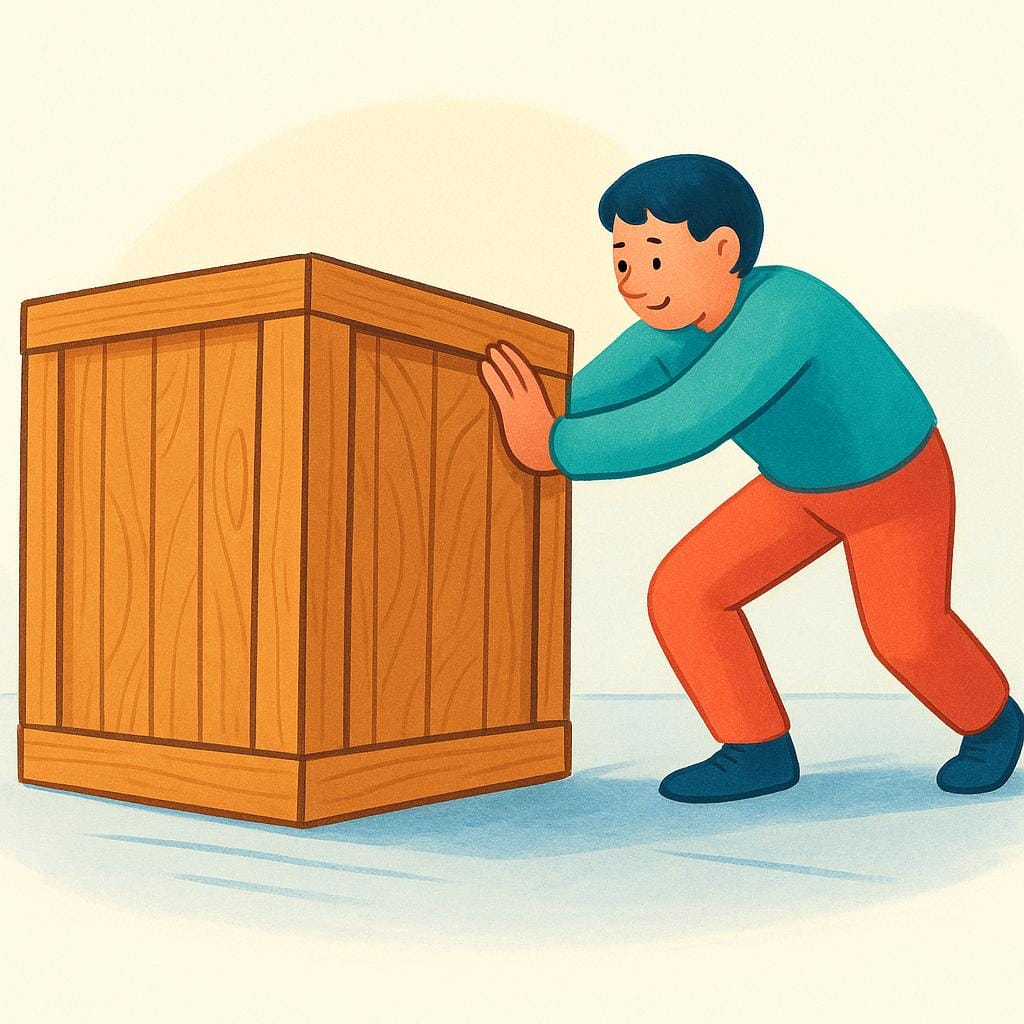
The most common Spanish word for “to shove” is “empujar” — use 'empujar' when you are physically moving someone or something away from you or forward, often with some force, like pushing a door or a person.
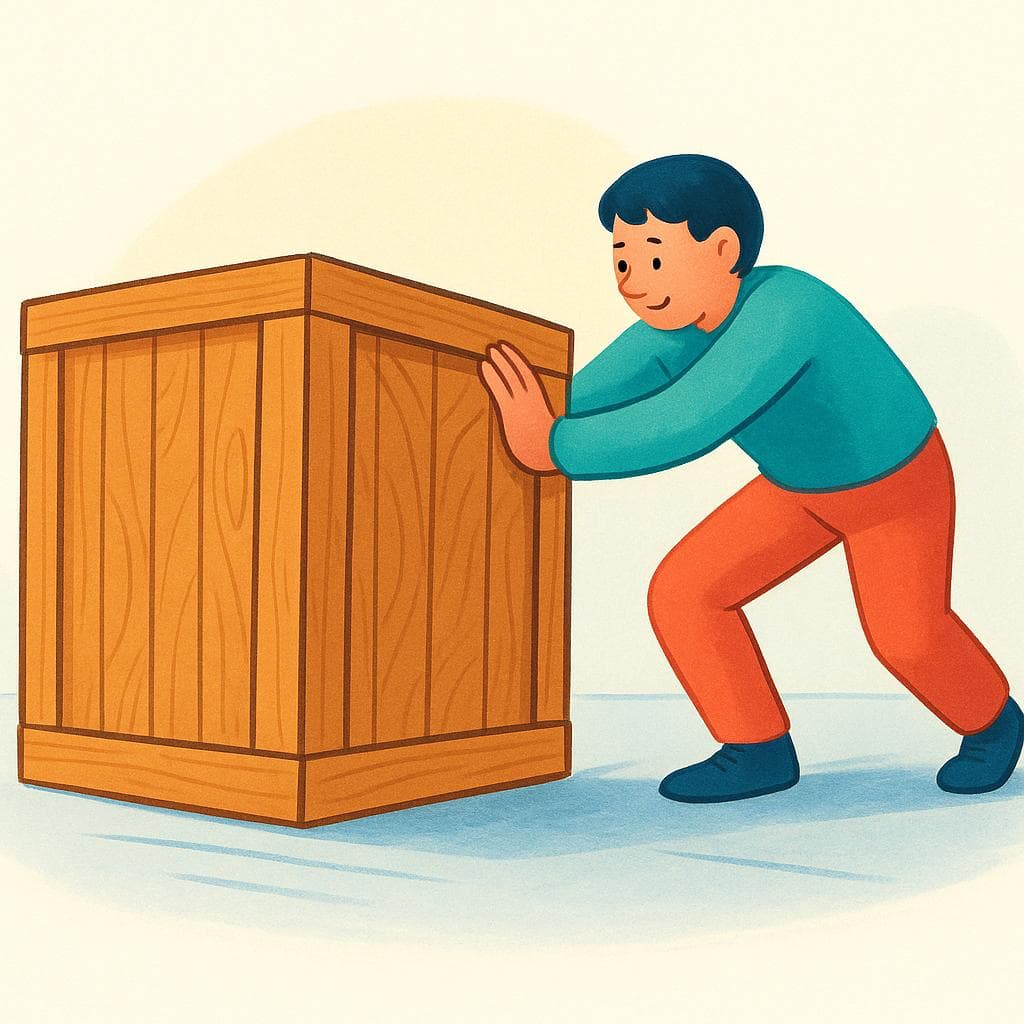
empujar
em-poo-HARem.puˈxaɾ
Examples
Tienes que empujar la puerta para entrar.
You have to push the door to get in.
No me empujes, por favor.
Don't shove me, please.
Using 'a' with People
When you push a specific person, you must put the word 'a' before their name or the person word. Example: 'Empujó a Juan'.
Push vs. Pull
Mistake: “Using 'tirar' to mean push.”
Correction: Use 'empujar' for push. 'Tirar' actually means to pull (and sometimes to throw!).
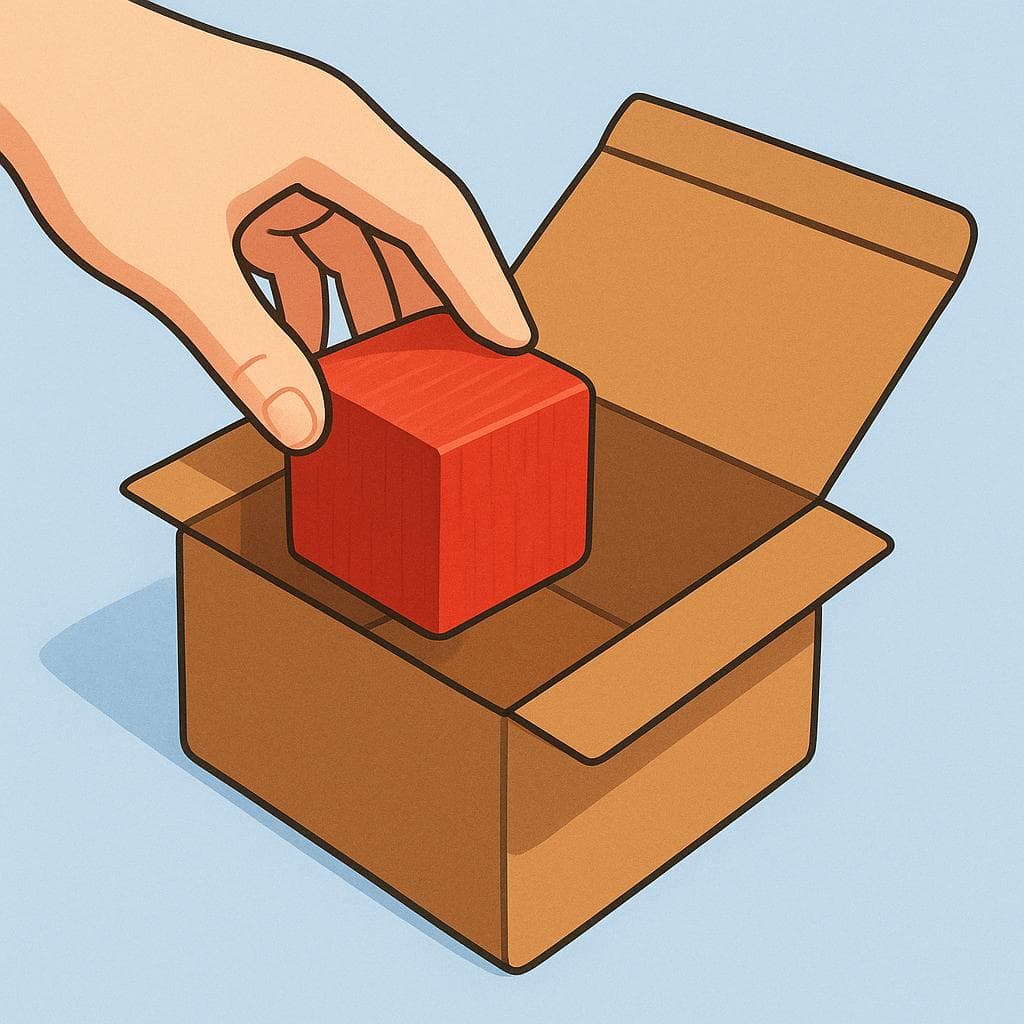
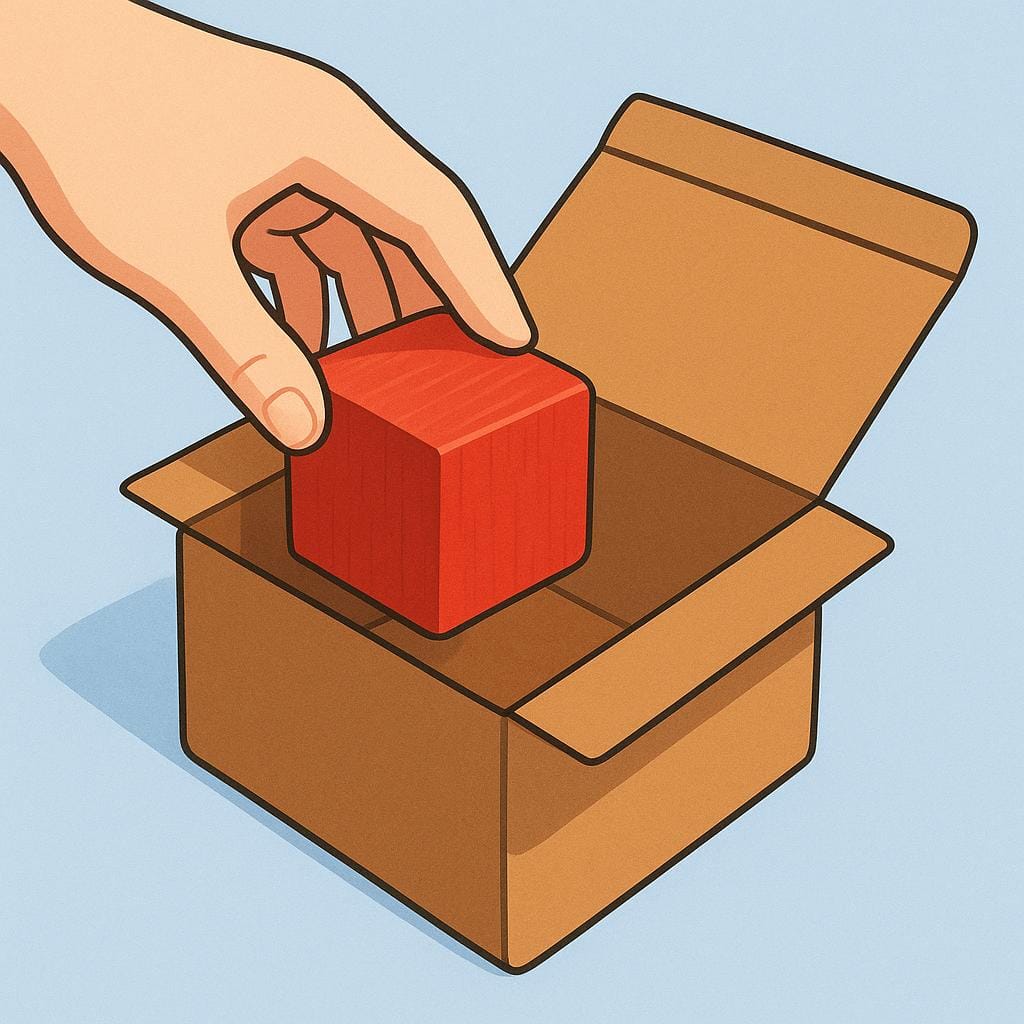
meter
meh-TEHRmeˈteɾ
Examples
Mete la llave en la cerradura antes de girarla.
Put the key in the lock before turning it.
Siempre meto mis libros en la mochila cuando termino la clase.
I always put my books in my backpack when I finish class.
El técnico tuvo que meter un cable nuevo por la pared.
The technician had to run a new cable through the wall.
Direct Object Needed
When using 'meter' in this physical sense, you must say what you are putting inside (the direct object): 'Meto el dinero' (I put the money).
Confusing 'Poner' and 'Meter'
Mistake: “Pongo la ropa en el armario (when you mean inside the closed space).”
Correction: Meto la ropa en el armario. ('Meter' is better when the action involves fully containing something, like putting clothes inside a closet or a book inside a bag. 'Poner' is more general 'to place on top of' or 'to set down').
Empujar vs. Meter
Related Translations
Learn Spanish with Inklingo
Interactive stories, personalized learning, and more.