How to Say "to insert" in Spanish
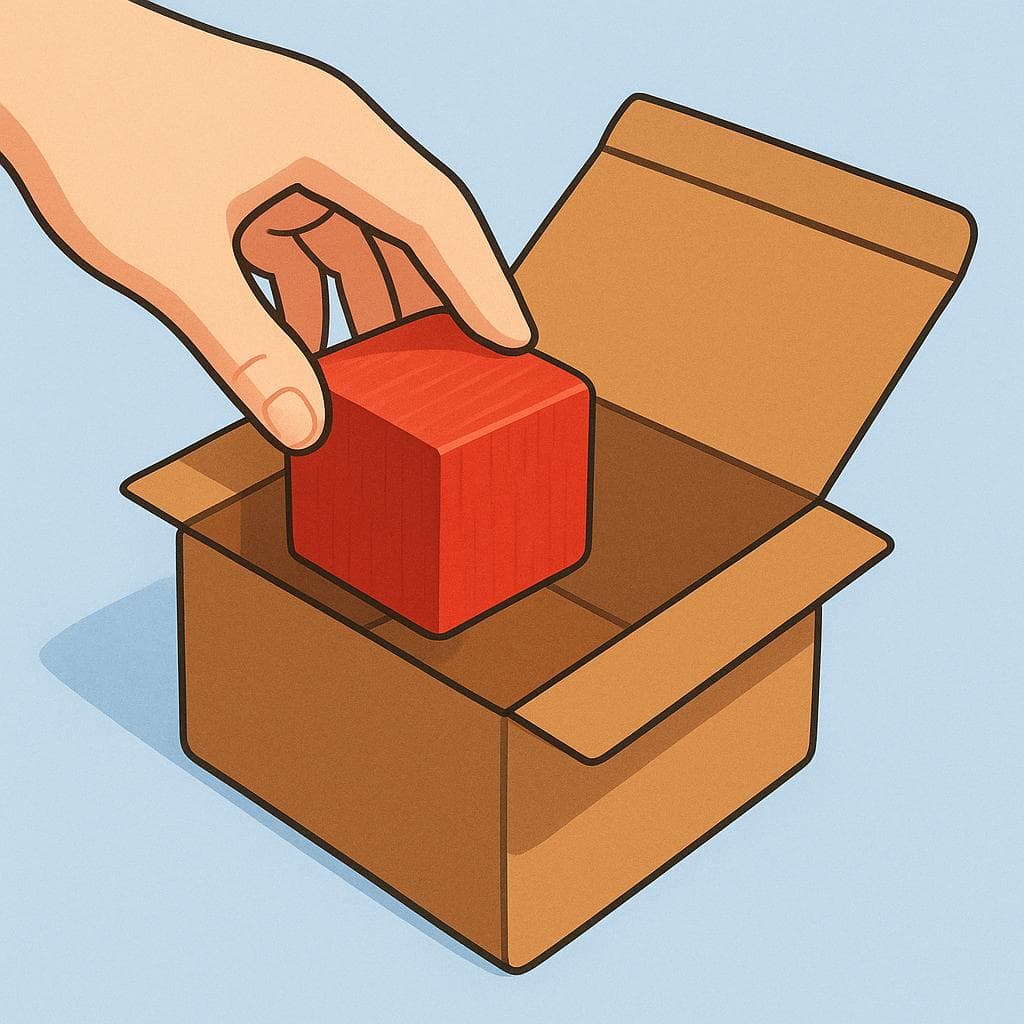
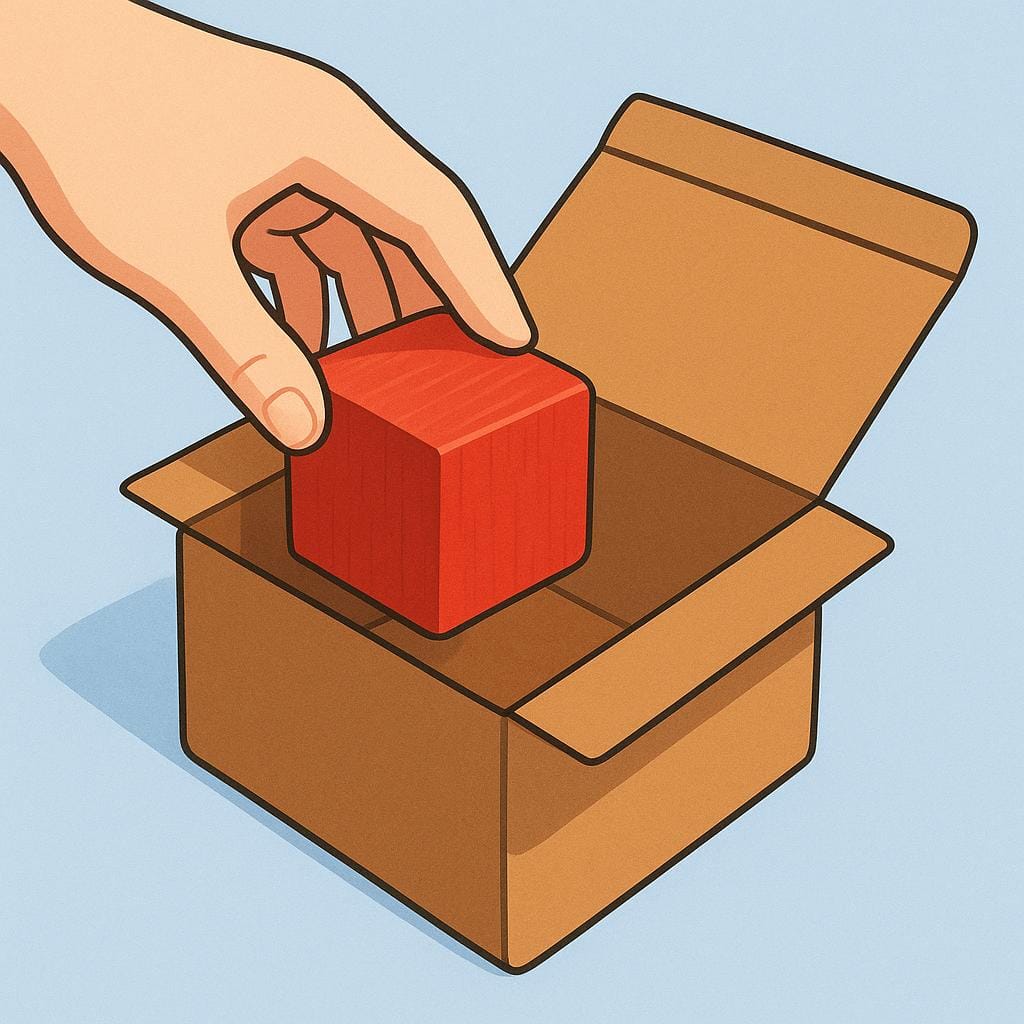
The most common Spanish word for “to insert” is “meter” — use 'meter' for the most basic action of putting something inside something else, like a key into a lock.

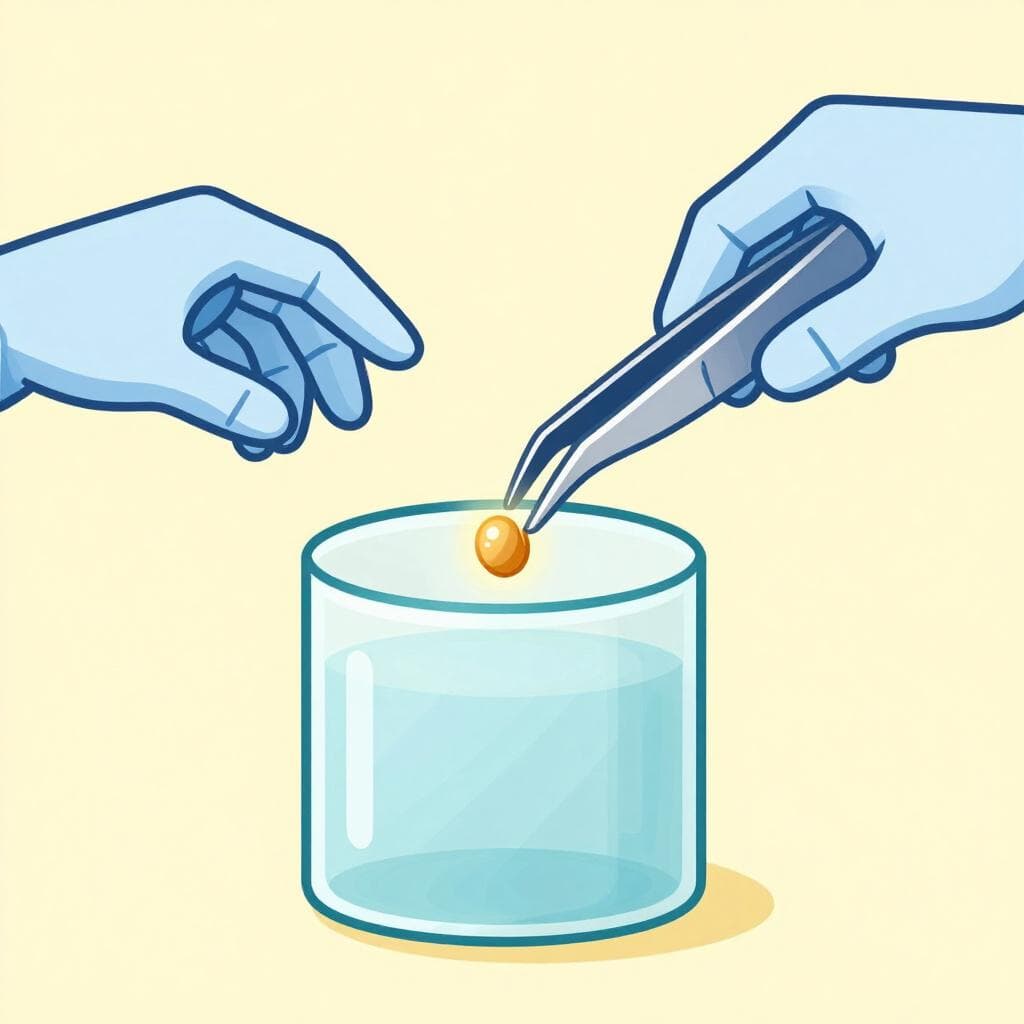
meter
meh-TEHRmeˈteɾ
Examples
Mete la llave en la cerradura antes de girarla.
Put the key in the lock before turning it.
Siempre meto mis libros en la mochila cuando termino la clase.
I always put my books in my backpack when I finish class.
El técnico tuvo que meter un cable nuevo por la pared.
The technician had to run a new cable through the wall.
Direct Object Needed
When using 'meter' in this physical sense, you must say what you are putting inside (the direct object): 'Meto el dinero' (I put the money).
Confusing 'Poner' and 'Meter'
Mistake: “Pongo la ropa en el armario (when you mean inside the closed space).”
Correction: Meto la ropa en el armario. ('Meter' is better when the action involves fully containing something, like putting clothes inside a closet or a book inside a bag. 'Poner' is more general 'to place on top of' or 'to set down').
insertar
een-sehr-tahrinseɾˈtaɾ

Examples
Por favor, inserta la moneda en la ranura.
Please, insert the coin into the slot.
Tienes que insertar la llave con cuidado para no romperla.
You have to insert the key carefully so you don't break it.
El cirujano procedió a insertar el catéter.
The surgeon proceeded to insert the catheter.
Haz clic en el menú para insertar una imagen.
Click on the menu to insert an image.
Use with 'en'
When you want to say you are inserting something 'into' something else, Spanish almost always uses the word 'en'.
Regular -ar pattern
This verb is perfectly regular. If you know how to conjugate 'hablar,' you can conjugate 'insertar' exactly the same way.
Digital Objects
When talking about software, 'insertar' is the standard way to describe adding elements like photos, links, or rows to a file.
Confusing with 'Meter'
Mistake: “Using 'insertar' for putting clothes in a suitcase.”
Correction: Use 'meter' for general putting in; 'insertar' is for more precise actions, like fitting something into a specific slot or space.
Embed vs Insertar
Mistake: “Thinking you need a different word for 'embedding' a video.”
Correction: While 'incrustar' is specifically for embedding, 'insertar' is used just as frequently by Spanish speakers for the same action.
introducir
een-tro-doo-SEERintɾoduˈsiɾ

Examples
Por favor, introduce la tarjeta en el cajero.
Please, put the card in the ATM.
Tienes que introducir el código de seguridad para entrar.
You have to type in the security code to enter.
El cirujano introdujo la sonda con mucha delicadeza.
The surgeon inserted the tube very delicately.
The 'ZCO' Change
In the Present tense, the 'Yo' form ends in -zco. This happens with many verbs that end in -ducir.
The 'J' Past Tense
When talking about completed actions in the past (Preterite), the 'c' changes to a 'j'. For example: 'Yo introduje' instead of 'introducí'.
False Friend Alert!
Mistake: “No digas: 'Introduje a mi amigo a mi madre.'”
Correction: Dí: 'Presenté a mi amigo a mi madre.' In Spanish, 'introducir' is for objects, while 'presentar' is for meeting people.
encajar
en-kah-HARen.kaˈxaɾ
Examples
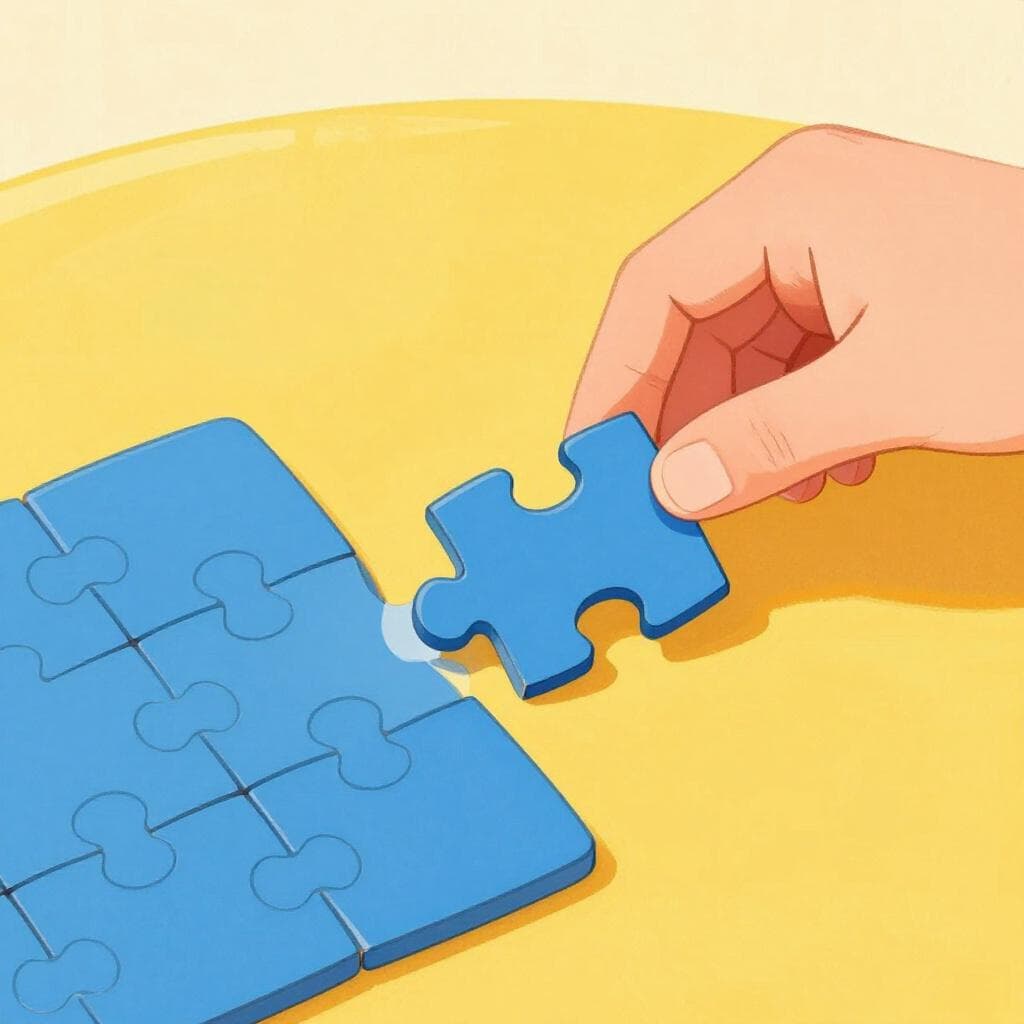
Esta pieza no encaja en el rompecabezas.
This piece doesn't fit in the puzzle.
La llave encajó perfectamente en la cerradura.
The key fitted perfectly in the lock.
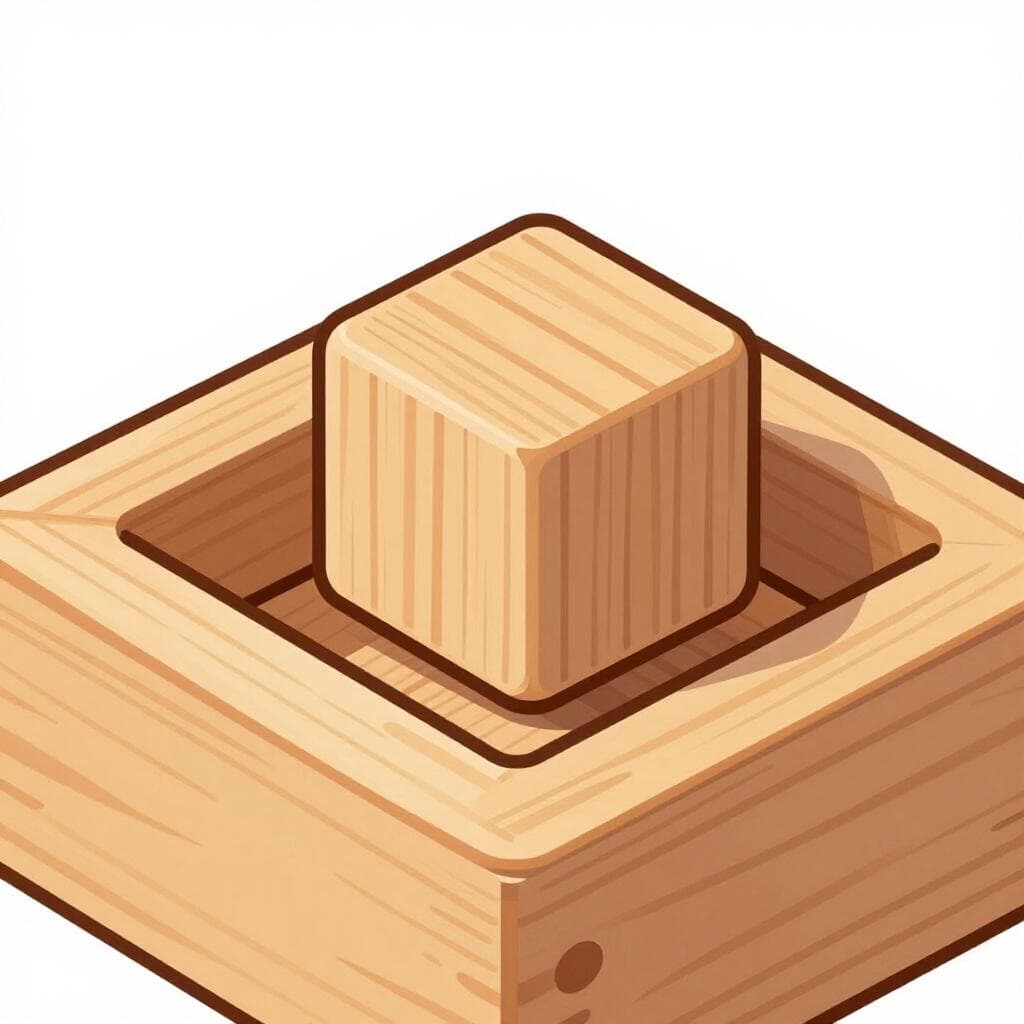
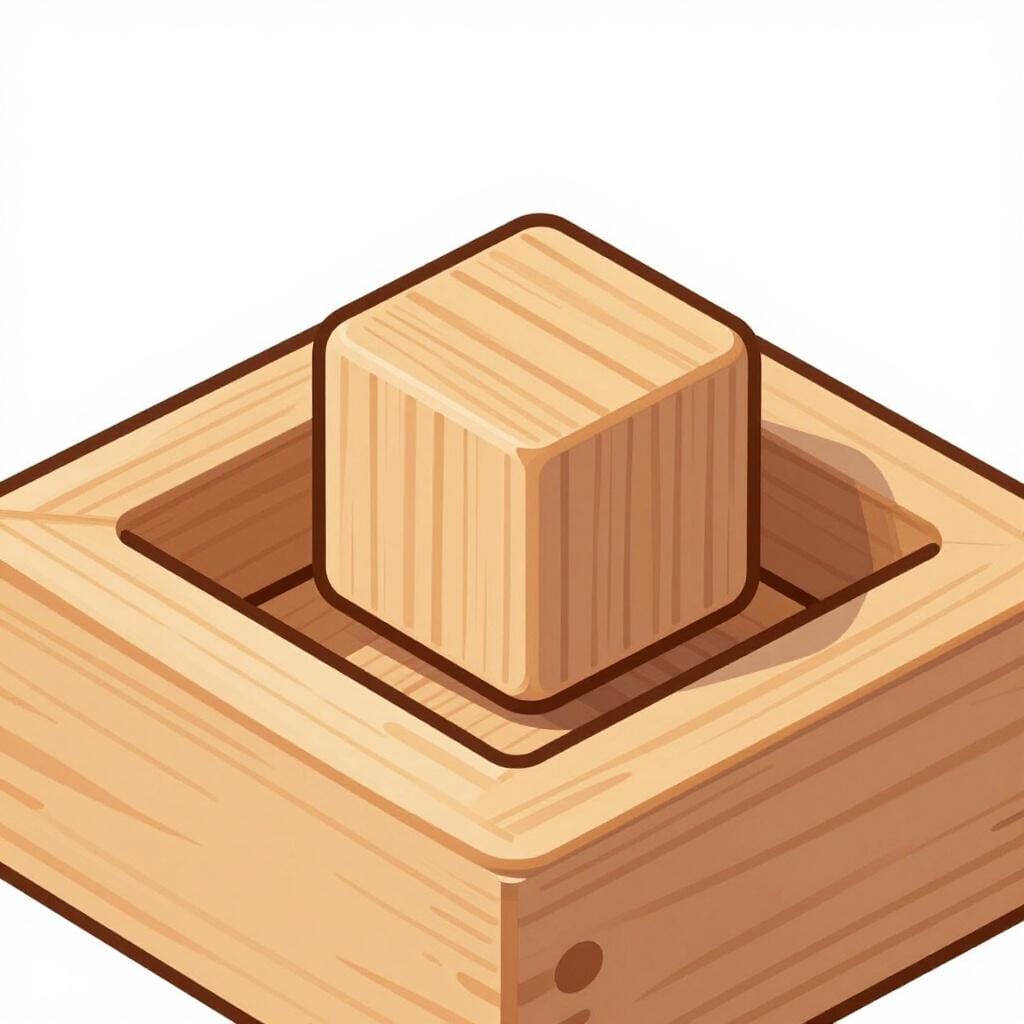
Tienes que encajar la tapa antes de cerrar la caja.
You have to fit the lid on before closing the box.
Using 'en'
When you want to say something fits 'in' or 'into' something else, always use the word 'en' after encajar.
Encajar vs. Caber
Use 'encajar' when you mean things match or align correctly. Use 'caber' when you mean there is enough physical space for something.
Don't use for clothing
Mistake: “Estos pantalones no encajan.”
Correction: Estos pantalones no me quedan (bien) o no me valen. Use 'quedar' for how clothes fit your body.
incrustar
een-kroos-TARinkɾusˈtaɾ
Examples
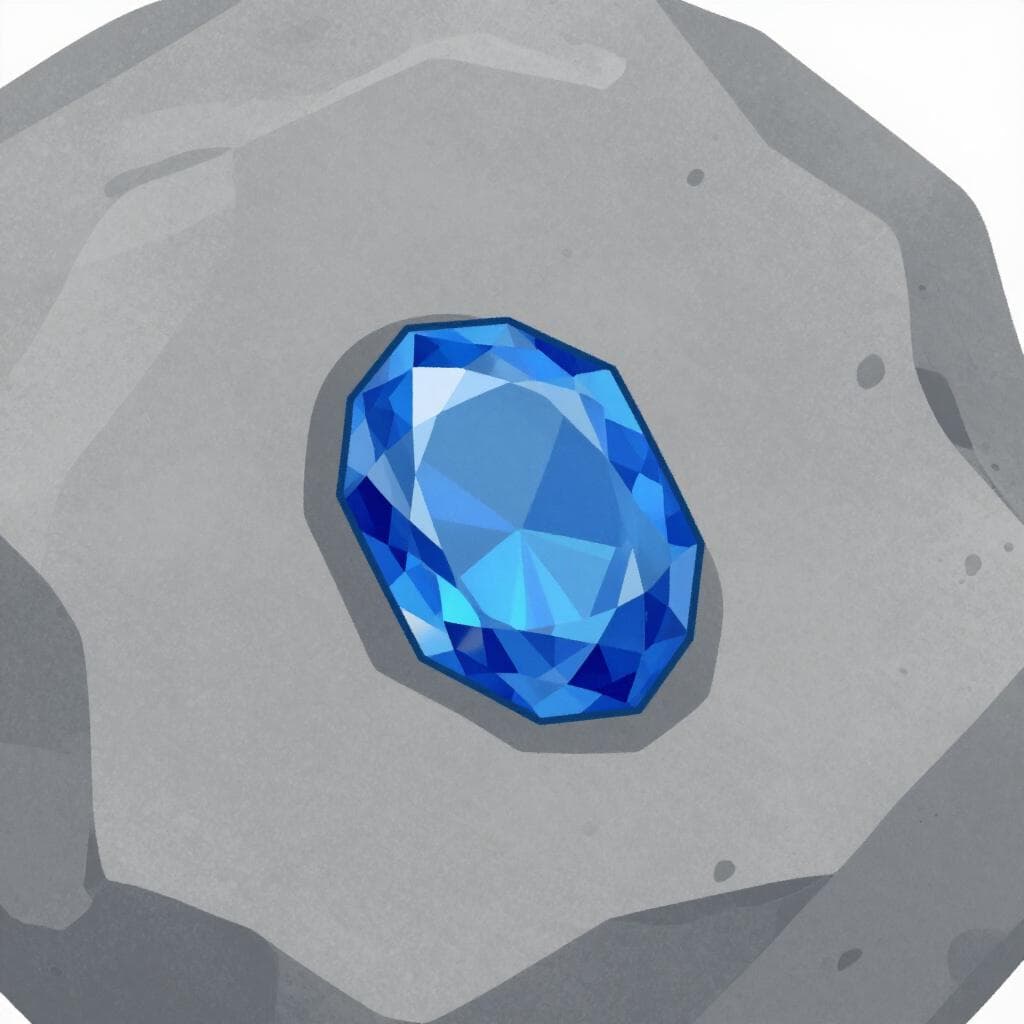
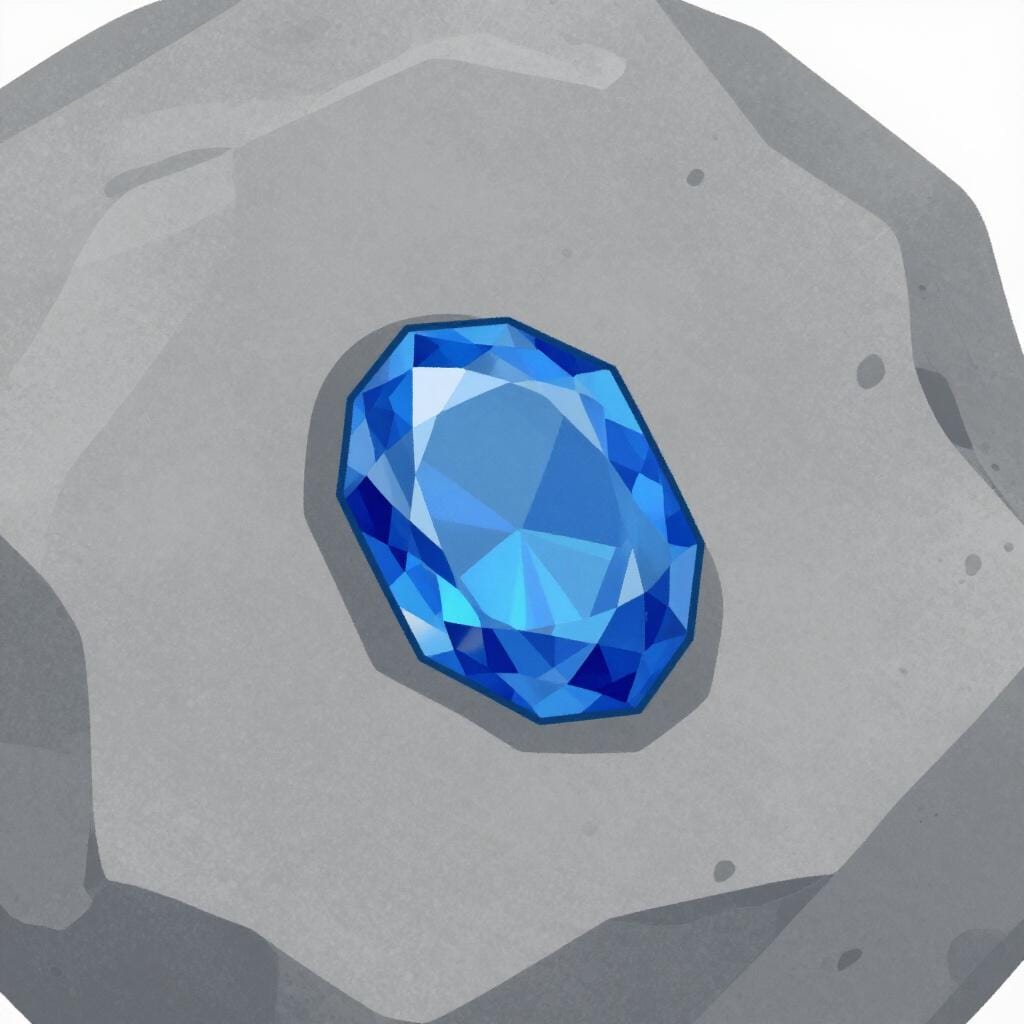
El joyero va a incrustar un diamante en el anillo de oro.
The jeweler is going to set a diamond into the gold ring.
Tienes que copiar el código para incrustar el video en tu blog.
You have to copy the code to embed the video on your blog.
La bala se incrustó en la pared de madera.
The bullet got lodged in the wooden wall.
Using 'se' for things getting stuck
When something gets lodged or stuck in a surface on its own (like a splinter or a bullet), we add 'se' to the verb: 'se incrustó'.
Prepositions with incrustar
Usually, we use the preposition 'en' (in/on) to describe where the object is being embedded.
Don't confuse with 'incrustación'
Mistake: “El joyero hizo un incrustar.”
Correction: El joyero hizo una incrustación. (Use the noun 'incrustación' for the result/act, and 'incrustar' for the action itself).
implantar
eem-plahn-TAHRimplanˈtar
Examples
Los cirujanos lograron implantar el marcapasos con éxito.
The surgeons successfully implanted the pacemaker.
Hoy en día es común implantar microchips en las mascotas.
Nowadays it is common to implant microchips in pets.
El dentista va a implantar una pieza dental nueva.
The dentist is going to implant a new dental piece.
Passive Voice Usage
In medical contexts, you'll often see this in the passive voice (fue implantado), meaning 'it was implanted' by someone.
Using it for plants
Mistake: “Voy a implantar una flor.”
Correction: Voy a plantar una flor. Use 'implantar' only for surgery or technical insertion into a living thing.
Meter vs. Insertar
Related Translations
Learn Spanish with Inklingo
Interactive stories, personalized learning, and more.