implantar
“implantar” means “to establish” in Spanish. It has 2 different meanings depending on context:

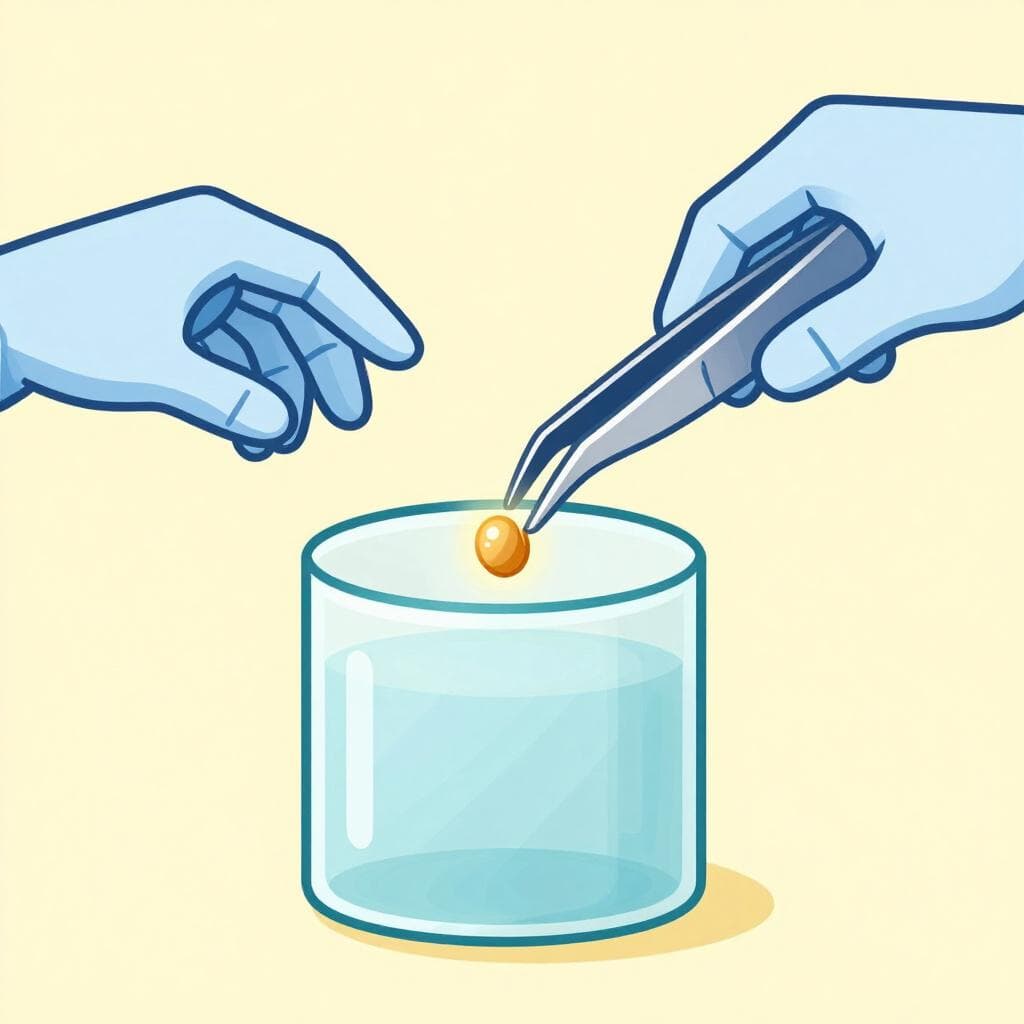
to establish, to implement
Also: to introduce
📝 In Action
El gobierno decidió implantar un nuevo sistema de impuestos.
B2The government decided to establish a new tax system.
Es difícil implantar cambios en una empresa tan vieja.
B2It is difficult to implement changes in such an old company.
La tienda quiere implantar el uso de bolsas reciclables.
B1The store wants to introduce the use of recyclable bags.
to implant
Also: to insert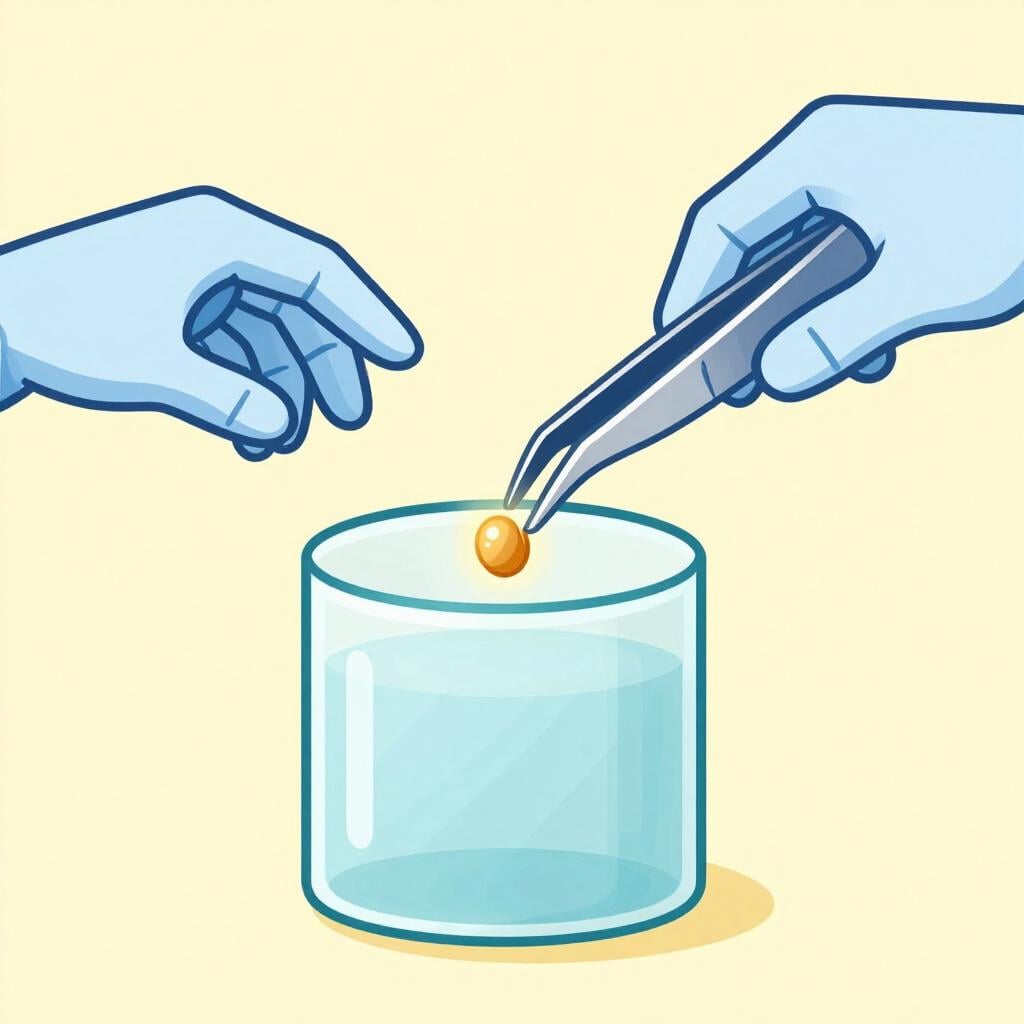
📝 In Action
Los cirujanos lograron implantar el marcapasos con éxito.
C1The surgeons successfully implanted the pacemaker.
Hoy en día es común implantar microchips en las mascotas.
B2Nowadays it is common to implant microchips in pets.
El dentista va a implantar una pieza dental nueva.
C1The dentist is going to implant a new dental piece.
Subjunctive
Imperfect Subjunctive
Present Subjunctive
Indicative
Preterite
Imperfect
Present
Translate to Spanish
Words that translate to "implantar" in Spanish:
to establish→to implant→to implement→to insert→to introduce→✏️ Quick Practice
Quick Quiz: implantar
Question 1 of 3
Which sentence uses 'implantar' correctly in a social context?
📚 More Resources
👥 Word Family▼
📚 Etymology▼
From the Latin word 'implantare', which combines 'in' (into) and 'plantare' (to plant). It literally means 'to plant into' something.
First recorded: 16th century
Cognates (Related words)
💡 Master Spanish
Take your Spanish to the next level. Read 200+ illustrated and narrated Spanish stories tailored to your level with the Inklingo app!
Frequently Asked Questions
Is 'implantar' the same as 'implementar'?
They are close! 'Implantar' is usually used for laws, customs, or medical devices. 'Implementar' is more common for carrying out a plan or using software.
Can I use 'implantar' for planting a garden?
No. For gardening, you should use the simpler verb 'plantar'.
Is 'implantar' a regular verb?
Yes, it follows the standard pattern for all verbs ending in -ar.