How to Say "to soften" in Spanish
The most common Spanish word for “to soften” is “ablandar” — use 'ablandar' when you want to make something physically less hard or tough, like food that needs to be cooked or prepared.

Use 'ablandar' when you want to make something physically less hard or tough, like food that needs to be cooked or prepared.
Learn more →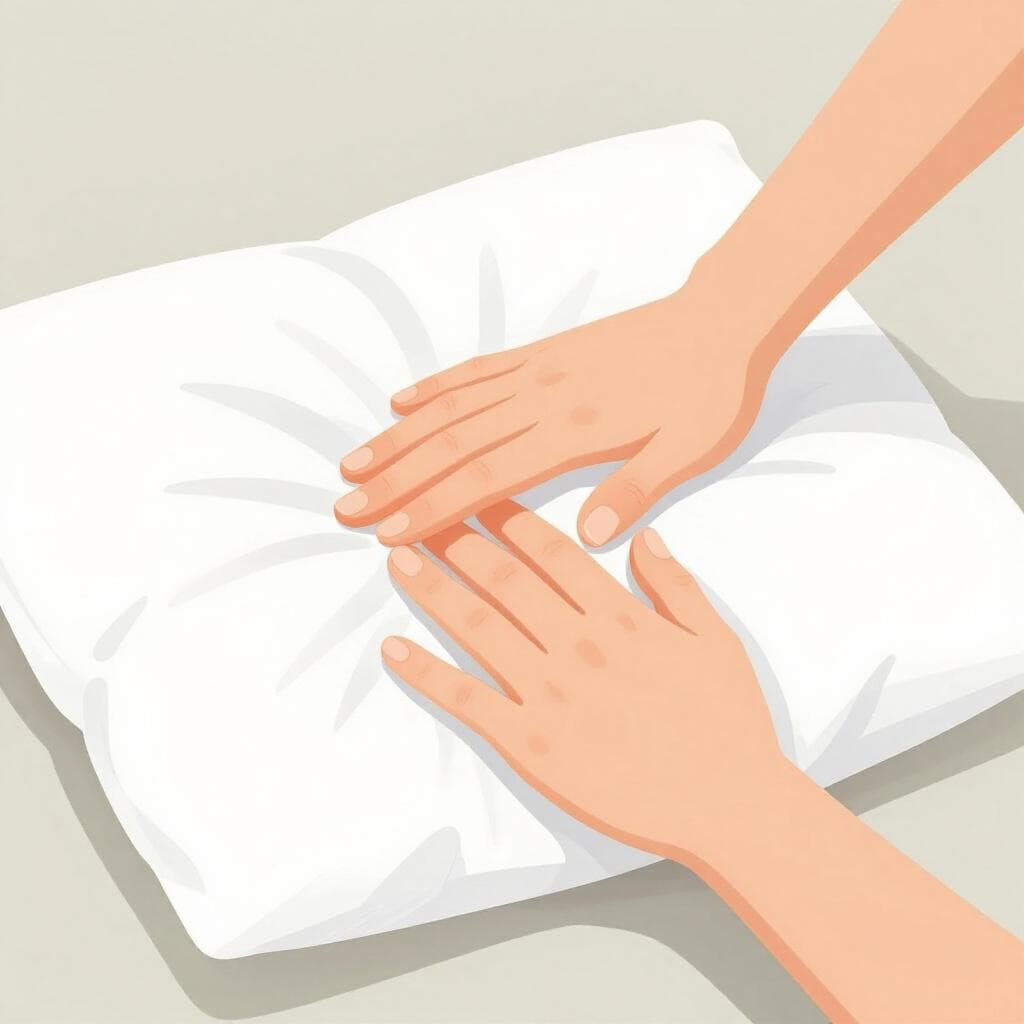
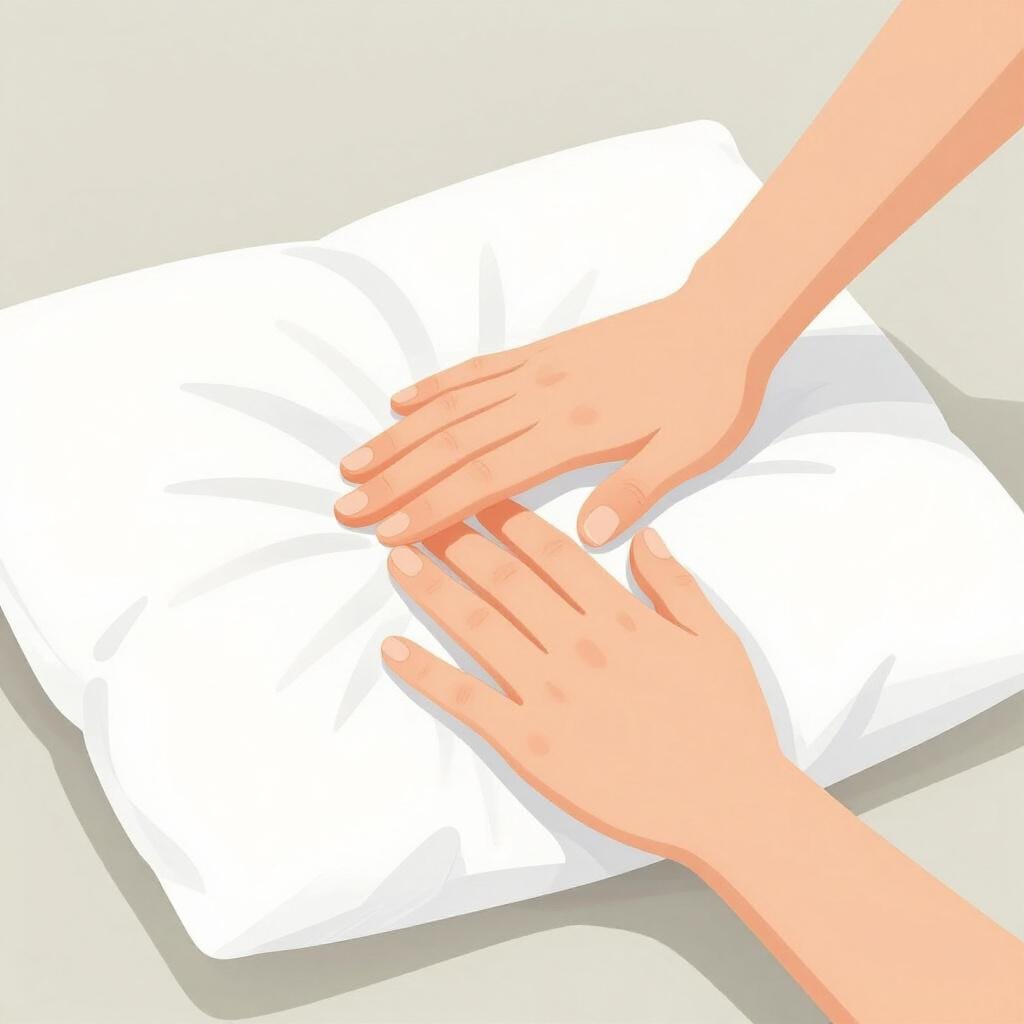
Use 'suavizar' when referring to making something physically soft to the touch, like skin or fabric, or when easing or reducing the harshness of a situation, tone, or expression.
Learn more →ah-blahn-DAHRaβlanˈdaɾ

Examples
Es necesario ablandar la mantequilla antes de hacer el pastel.
It is necessary to soften the butter before making the cake.
Tienes que remojar los frijoles para ablandarlos.
You have to soak the beans to soften them.
El sol ablandó el asfalto de la carretera.
The sun softened the asphalt on the road.
Usa un mazo para ablandar la carne antes de cocinarla.
Use a mallet to tenderize the meat before cooking it.
Adding 'se' for Automatic Actions
If something softens on its own, add 'se' to the end: 'La mantequilla se ablanda' (The butter softens).
Direct Objects
This verb usually needs an object. If you don't say what you are softening, use 'lo' or 'la' to refer back to it.
Ablandar vs. Suavizar
Mistake: “Using 'suavizar' for hard beans.”
Correction: Use 'ablandar' for changing something from hard to soft, and 'suavizar' for making a surface feel smooth.
swah-bee-SAHRswaβiˈθaɾ
Examples
El invierno puede suavizar los rasgos de una persona.
Winter can soften a person's features.
Esta crema ayuda a suavizar la piel seca.
This cream helps to soften dry skin.
El director tuvo que suavizar su mensaje para no asustar a los empleados.
The director had to tone down his message so as not to scare the employees.
Usamos papel de lija para suavizar los bordes de la mesa.
We used sandpaper to smooth out the edges of the table.
The 'Z' to 'C' Spelling Shift
When a verb ends in -zar, the 'z' changes to a 'c' whenever it is followed by the letter 'e'. This happens in the 'yo' form of the past tense and in all forms of the special 'wish/command' verb mood.
Direct Action
This verb is used directly with the thing being softened. You don't need a preposition like 'with' or 'on' when you say what you are softening: 'suavizar la piel' (soften the skin).
Spelling the Past Tense
Mistake: “Yo suavizé.”
Correction: Yo suavicé. (Spanish spelling rules prefer 'ce' over 'ze' in almost all cases).
Ablandar vs. Suavizar: Key Difference
Learners often confuse 'ablandar' and 'suavizar' when talking about making things physically softer. Remember, 'ablandar' is typically for making food less hard, while 'suavizar' is for making textures like skin or fabric soft, or for making situations less harsh.
Related Translations
Learn Spanish with Inklingo
Interactive stories, personalized learning, and more.