How to Say "to sow" in Spanish
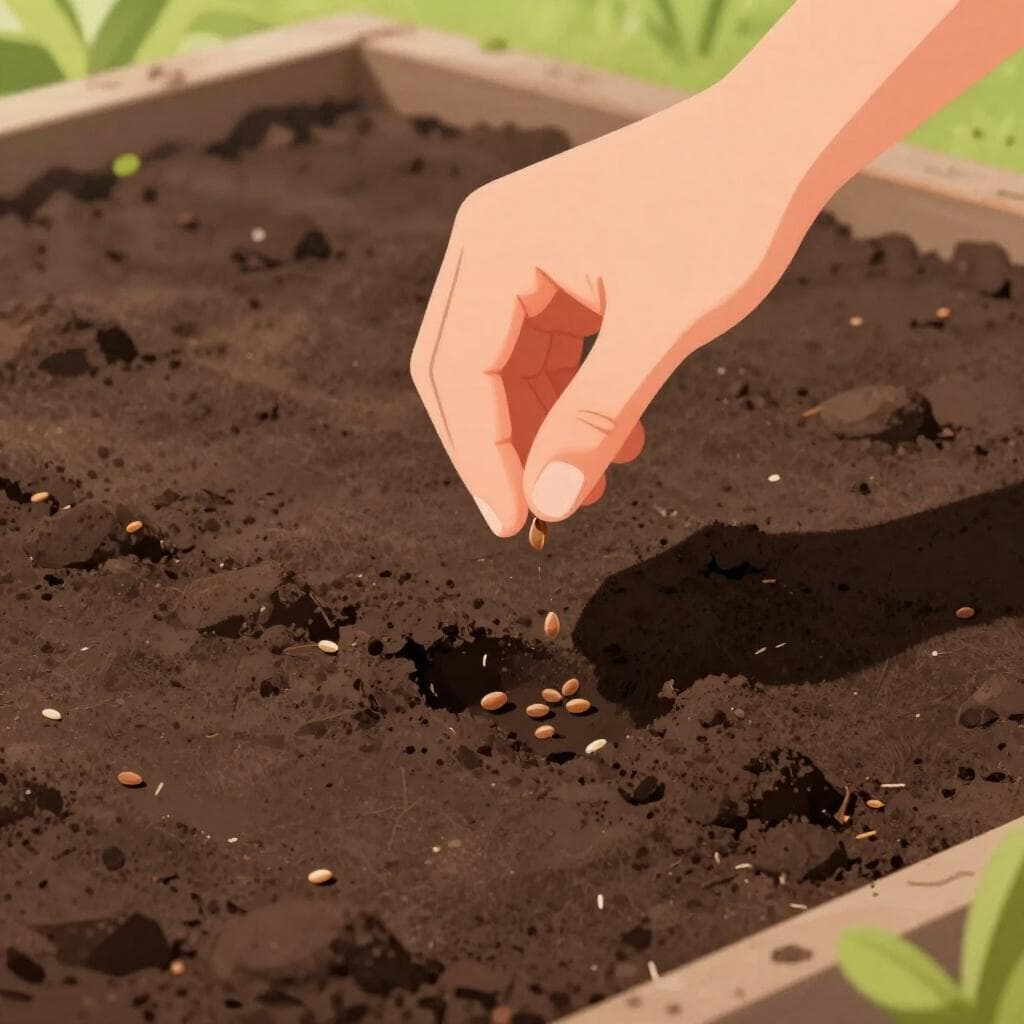
The most common Spanish word for “to sow” is “sembrar” — use 'sembrar' specifically when you are planting seeds, like those for vegetables or flowers, into the soil.
sem-BRAHRsemˈbɾaɾ

Examples
Es el momento perfecto para sembrar las semillas de tomate.
It is the perfect time to sow the tomato seeds.
Los agricultores siembran el trigo en otoño.
The farmers plant the wheat in autumn.
Si siembras ahora, cosecharás en unos meses.
If you sow now, you will harvest in a few months.
The 'Boot' Verb Pattern
This verb is a 'stem-changer.' The 'e' in the middle changes to 'ie' in all present forms EXCEPT for 'we' (nosotros) and 'you all' (vosotros). Imagine a boot shape on the conjugation chart covering the forms that change.
Sowing vs. Planting
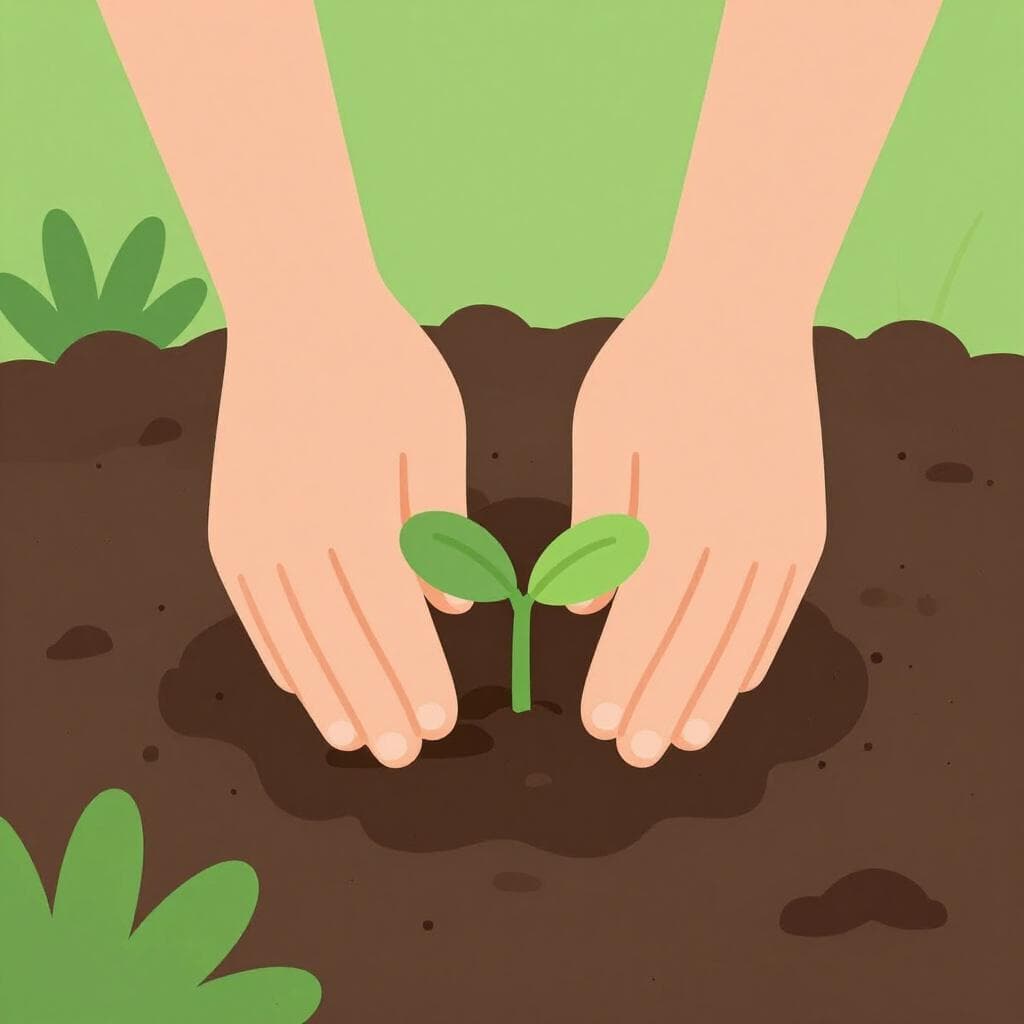
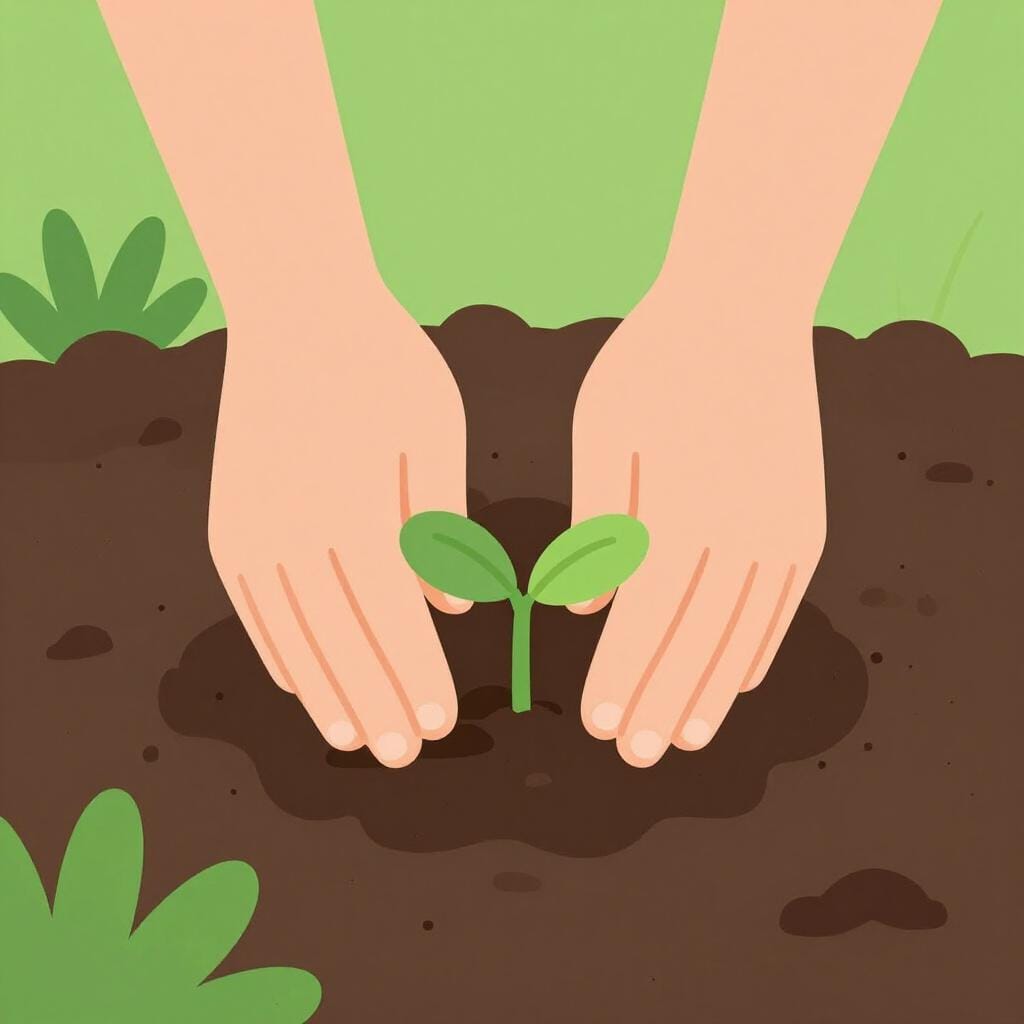
Use 'sembrar' specifically for seeds. Use 'plantar' for when you are putting a small plant, a sapling, or a tree into the ground.
Forgetting the 'ie'
Mistake: “Yo sembro las flores.”
Correction: Say 'Yo siembro las flores.' The 'e' changes to 'ie' when you stress that part of the word.
plan-TAHRplanˈtaɾ
Examples
Queremos plantar un árbol en el patio.
We want to plant a tree in the patio.
Mi abuelo plantó estos tomates el mes pasado.
My grandfather planted these tomatoes last month.
Si plantas las semillas ahora, florecerán en primavera.
If you plant the seeds now, they will bloom in spring.
Regular -AR Pattern
This verb follows the standard pattern for -ar verbs. Just drop the -ar and add your endings!
Confusing with 'Plan'
Mistake: “Yo planto ir al cine.”
Correction: Yo planeo ir al cine. 'Plantar' is for plants or social situations, not scheduling plans.
Seeds vs. Plants
The most common mistake is using 'plantar' when you mean to sow seeds. Remember that 'sembrar' is specifically for seeds, while 'plantar' is for young plants or trees. If you're putting tiny seeds in the soil, 'sembrar' is usually the better choice.
Related Translations
Learn Spanish with Inklingo
Interactive stories, personalized learning, and more.