How to Say "to sway" in Spanish
The most common Spanish word for “to sway” is “balancear” — use this word when describing the act of moving something or oneself gently from side to side, often to soothe, entertain, or maintain equilibrium, like rocking a baby or a boat.

Use this word when describing the act of moving something or oneself gently from side to side, often to soothe, entertain, or maintain equilibrium, like rocking a baby or a boat.
Learn more →
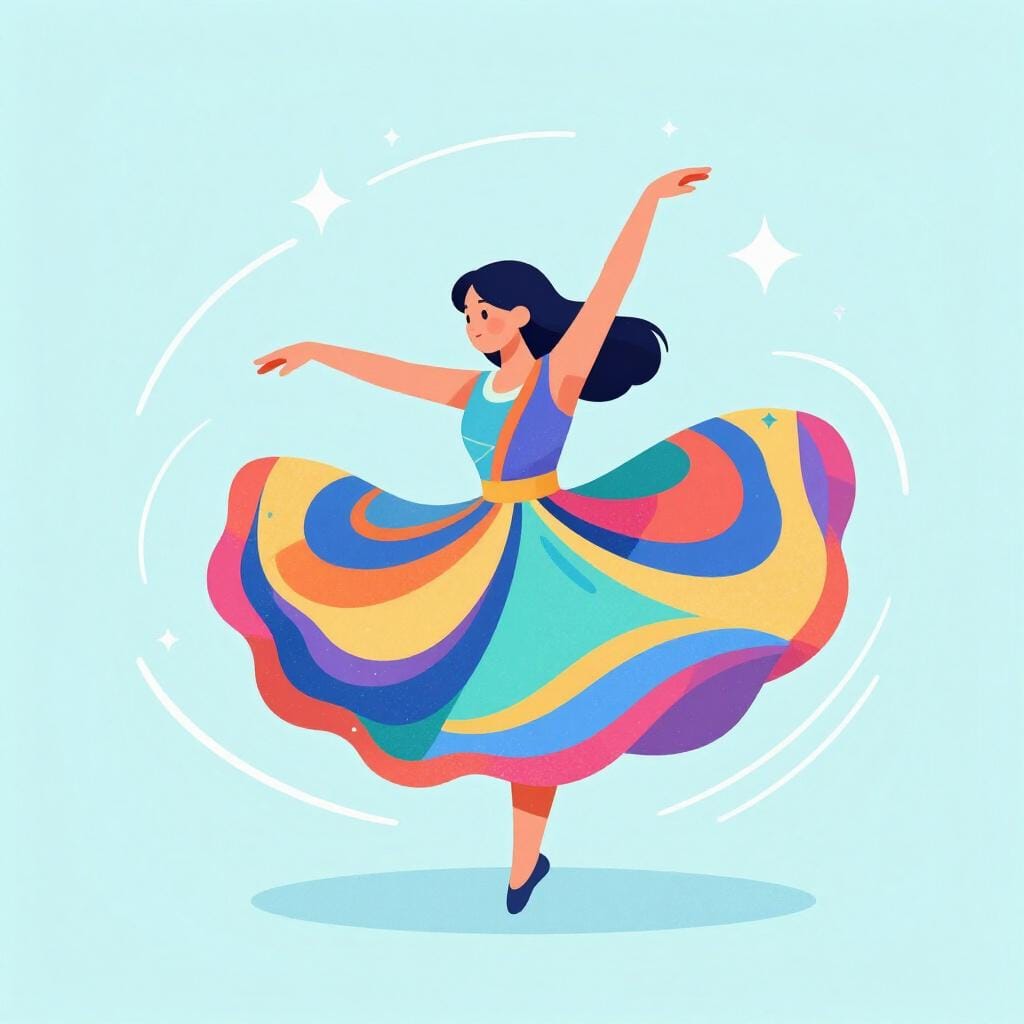
Choose this verb when describing a rhythmic, flowing movement, often associated with dancing, or the natural, graceful movement of things like trees in the wind or flames.
Learn more →
Use this translation when you mean to affect someone's opinion, decision, or behavior, similar to the English 'to influence'.
Learn more →
Employ this word when describing unsteady, tilting, or staggering movements, typically due to weakness, intoxication, or a strong physical impact.
Learn more →bah-lahn-seh-ahrbalanseˈaɾ
Examples
El marinero balanceaba el bote para calmar al pasajero asustado.
The sailor rocked the boat to calm the scared passenger.
La madre balancea la cuna para que el bebé se duerma.
The mother rocks the cradle so the baby falls asleep.
El viento balanceaba las ramas de los árboles con suavidad.
The wind was gently swinging the branches of the trees.
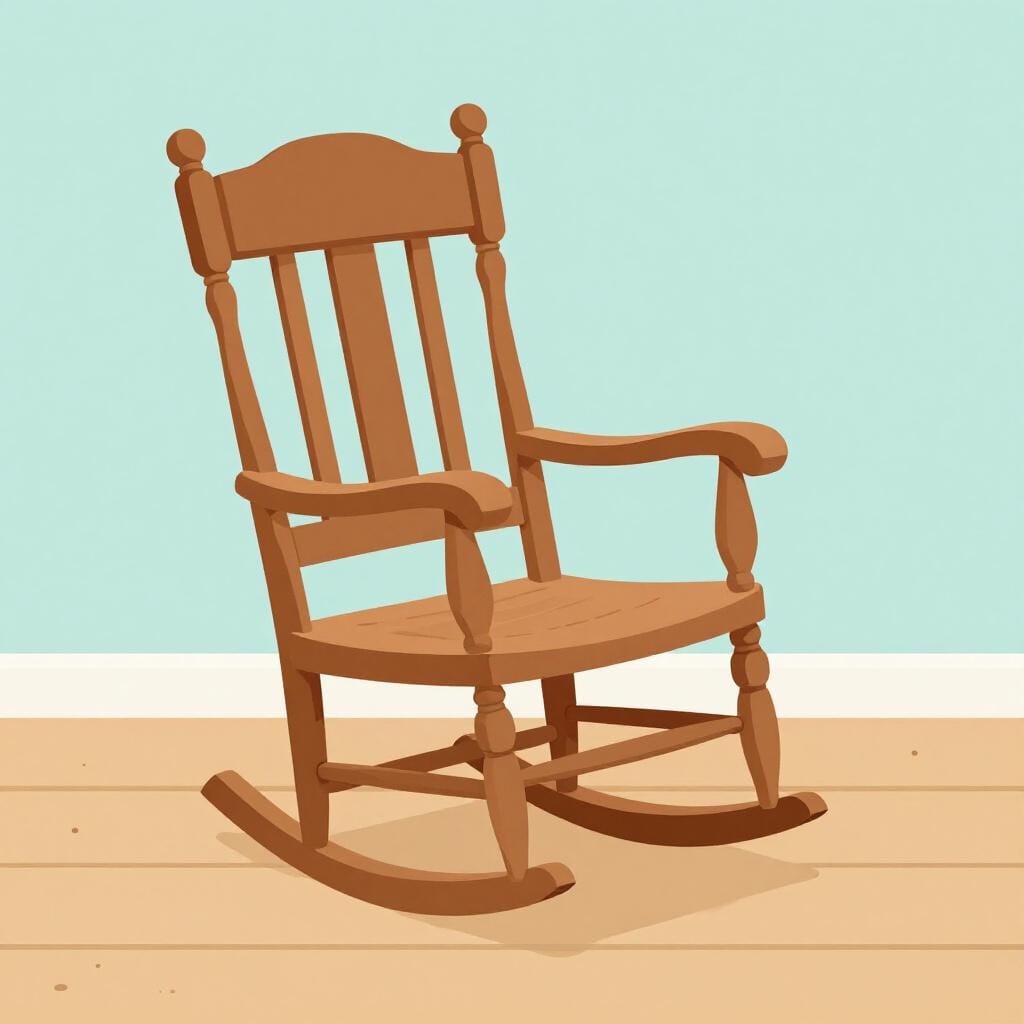
No te balancees en la silla, te vas a caer.
Don't rock back and forth in your chair, you're going to fall.
Using the 'se' ending
When you are the one swaying or rocking (like in a rocking chair), add 'se' to the end: 'balancearse'. For example, 'Me balanceo' means 'I am swaying'.
A Regular Pattern
This verb follows the standard rules for verbs ending in -ar. If you know how to use 'hablar', you can use 'balancear'!
Balancear vs. Equilibrar
Mistake: “Using 'balancear' to mean finding a state of peace or steady balance.”
Correction: Use 'equilibrar' for physical stability or emotional balance. Use 'balancear' specifically for the back-and-forth movement.
dahn-SAHRdanˈsaɾ
Examples
Las copas de los árboles danzaban con la brisa suave.
The treetops swayed in the gentle breeze.
Los artistas empezaron a danzar en el escenario.
The artists began to dance on the stage.
Vimos las llamas danzar en la chimenea.
We watched the flames dance in the fireplace.
Es hermoso ver cómo las hojas danzan con el viento.
It is beautiful to see how the leaves dance with the wind.
The Z to C spelling swap
When a verb ends in -zar, the 'z' changes to a 'c' whenever it's followed by the letter 'e'. This happens in the 'yo' form of the past tense (dancé) and all forms of the special 'wish' mood (subjunctive).
Spelling Error in Past Tense
Mistake: “Yo danzé anoche.”
Correction: Yo dancé anoche. Because 'z' usually doesn't like to hang out with 'e' in Spanish, we swap it for a 'c'.
een-floo-en-syahrinfluensˈjaɾ
Examples
El buen ejemplo de sus padres influenció su carácter.
His parents' good example influenced his character.
Sus amigos intentaron influenciar su decisión.
Her friends tried to influence her decision.
Es fácil influenciar a los niños pequeños.
It is easy to influence small children.
No dejes que los medios de comunicación influencien tu opinión.
Don't let the media influence your opinion.
Using the 'Personal A'
When you influence a specific person or people, you must use the word 'a' before them. For example: 'Él influencia a su hermano' (He influences his brother).
Desires and Influence
If you are trying to influence someone to do something, the second verb needs a special form (the subjunctive). For example: 'Quiero que el libro te influencie' (I want the book to influence you).
Don't use 'en' with 'influenciar'
Mistake: “Él influencia en mi opinión.”
Correction: Él influencia mi opinión. Unlike the related verb 'influir', 'influenciar' acts directly on the object without needing the word 'en' (in).
tam-bah-leh-AHRtamba-leˈaɾ

Examples
Después de la caída, se tambaleó un poco antes de levantarse.
After the fall, he swayed a bit before getting up.
El boxeador empezó a tambalear después del fuerte golpe.
The boxer began to stagger after the heavy blow.
La mesa se tambalea porque tiene una pata más corta.
The table wobbles because it has one shorter leg.
Después de tres vueltas rápidas, el niño caminaba tambaleando.
After three fast spins, the boy was walking while staggering.
Adding the 'se' for people
When talking about a person losing their balance, Spanish speakers almost always add 'se' to the end (tambalearse). This emphasizes that the person is the one experiencing the action.
Regular Verb Pattern
Good news! This word follows the standard pattern for verbs ending in '-ar', so you don't have to worry about weird spelling changes in different times.
Staggering vs. Falling
Mistake: “Using 'tambalear' when someone has already hit the ground.”
Correction: Use 'tambalear' only for the unsteady movement *before* someone falls. If they fall, use 'caer'.
Physical vs. Abstract Swaying
Learners often confuse 'balancear' and 'danzar' for physical swaying. Remember that 'balancear' implies a more controlled, side-to-side motion, often for soothing or equilibrium, while 'danzar' suggests a more flowing, rhythmic movement, like nature or actual dancing.
Related Translations
Learn Spanish with Inklingo
Interactive stories, personalized learning, and more.