How to Say "types" in Spanish
The most common Spanish word for “types” is “tipos” — use 'tipos' for general classifications or when listing different kinds of something, like food, objects, or activities.
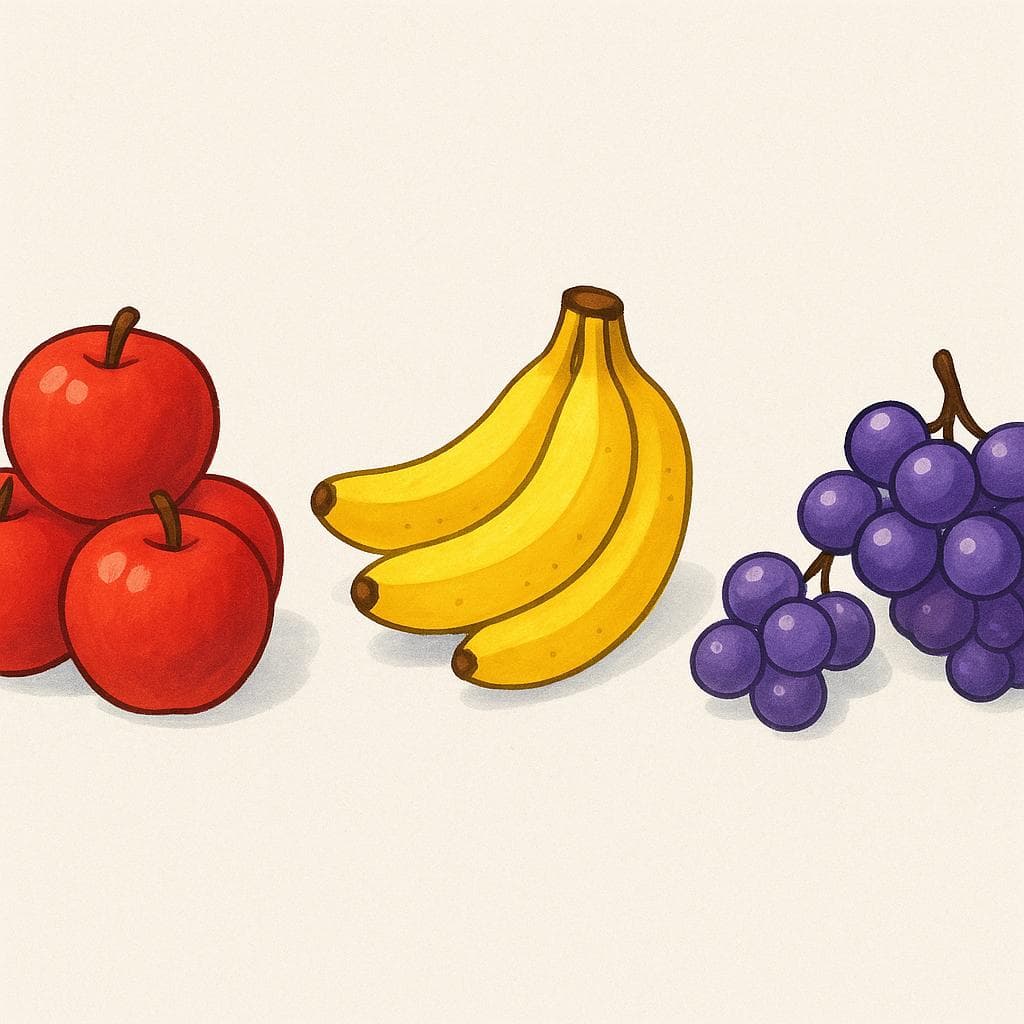

tipos
TEE-posˈtipos
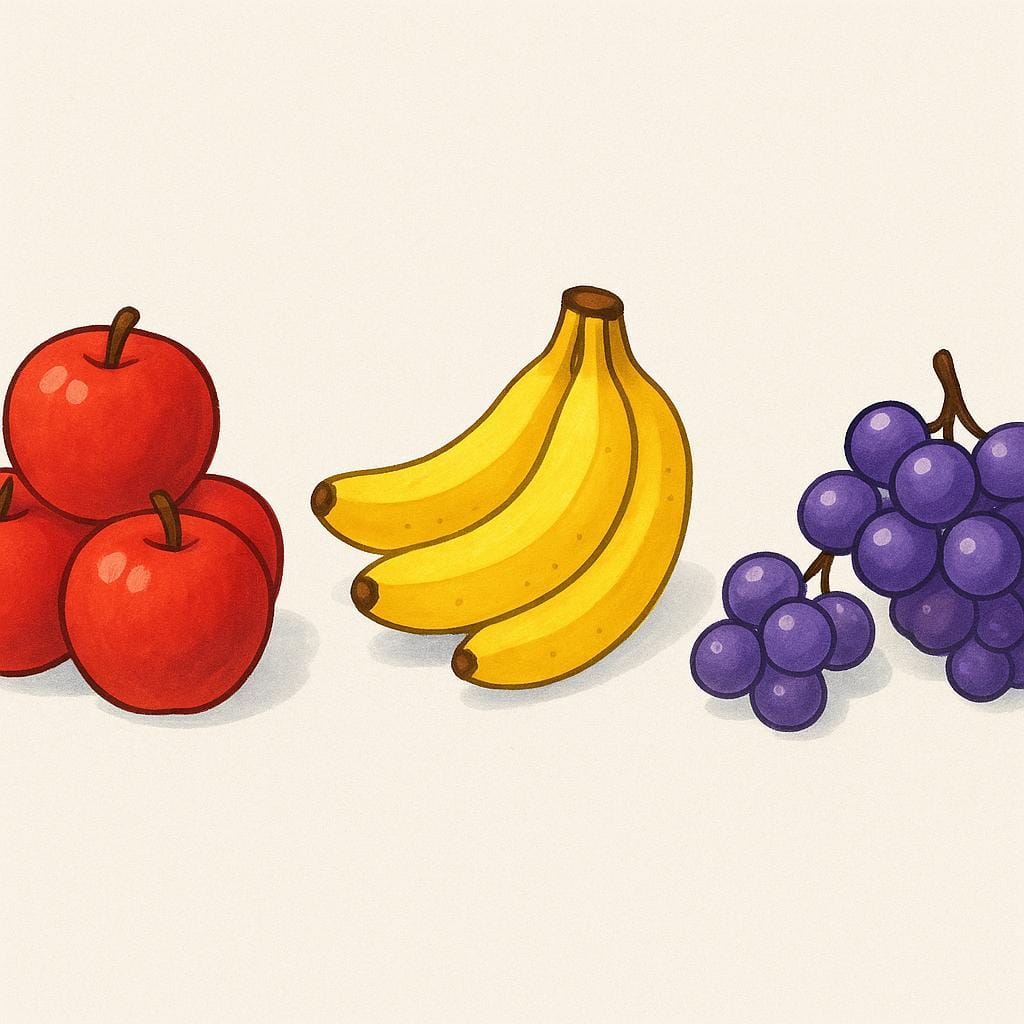
Examples
Hay muchos tipos de queso en esta tienda.
There are many types of cheese in this store.
¿Qué tipos de música te gustan?
What kinds of music do you like?
Existen diferentes tipos de aprendizaje.
Different types of learning exist.
Always Plural for Multiple Kinds
'Tipos' is the plural of 'tipo'. You use it when you are talking about more than one category or kind of something. For just one, you'd say 'un tipo de...'
familias
fah-MEE-lyahsfaˈmiljas

Examples
El español y el francés pertenecen a la familia de lenguas románicas.
Spanish and French belong to the family of Romance languages.
Estudiamos las diferentes familias de insectos en biología.
We study the different families of insects in biology.
Figurative Use
When used in science or language, 'familias' means a collection of related items that share a common origin, just like human families share relatives.
General vs. Specific Groupings
Learn Spanish with Inklingo
Interactive stories, personalized learning, and more.