How to Say "unconscious" in Spanish
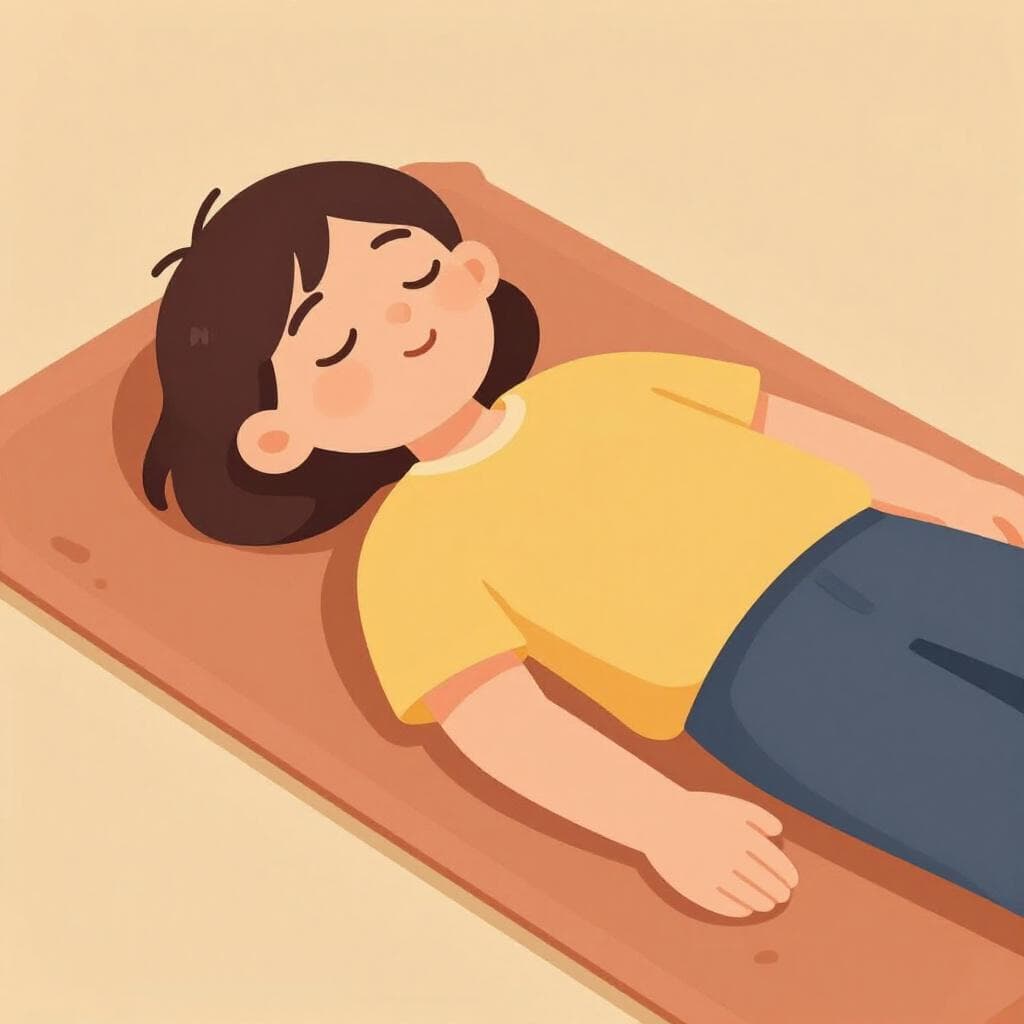
The most common Spanish word for “unconscious” is “inconsciente” — use this for a medical or physical state where someone has lost consciousness, such as fainting due to injury or illness.



inconsciente
in-kon-syén-teiŋkonˈsjente

Examples
El paciente estaba inconsciente después de la operación.
The patient was unconscious after the surgery.
Después del accidente, el conductor quedó inconsciente por unos minutos.
After the accident, the driver remained unconscious for a few minutes.
Ella fue completamente inconsciente del peligro que corría.
She was completely unaware of the danger she was running.
Fue un error inconsciente; no quise ofender a nadie.
It was an unconscious (unintentional) mistake; I didn't mean to offend anyone.
Always Stays the Same
Unlike most adjectives, 'inconsciente' doesn't change based on gender (it's used for both masculine and feminine nouns). It only changes to plural: 'inconscientes'.
Ser vs. Estar
Use 'estar' (to be) to talk about the temporary state of being knocked out: 'El paciente está inconsciente.' Use 'ser' (to be) less often, usually for describing a person's general lack of awareness.
Accidentally Changing Gender
Mistake: “La mujer inconscienta.”
Correction: La mujer inconsciente. Remember, this adjective doesn't end in -o/-a, so it doesn't change its ending for gender.
desmayado
des-mah-YAH-dohdesmaˈʝaðo
Examples
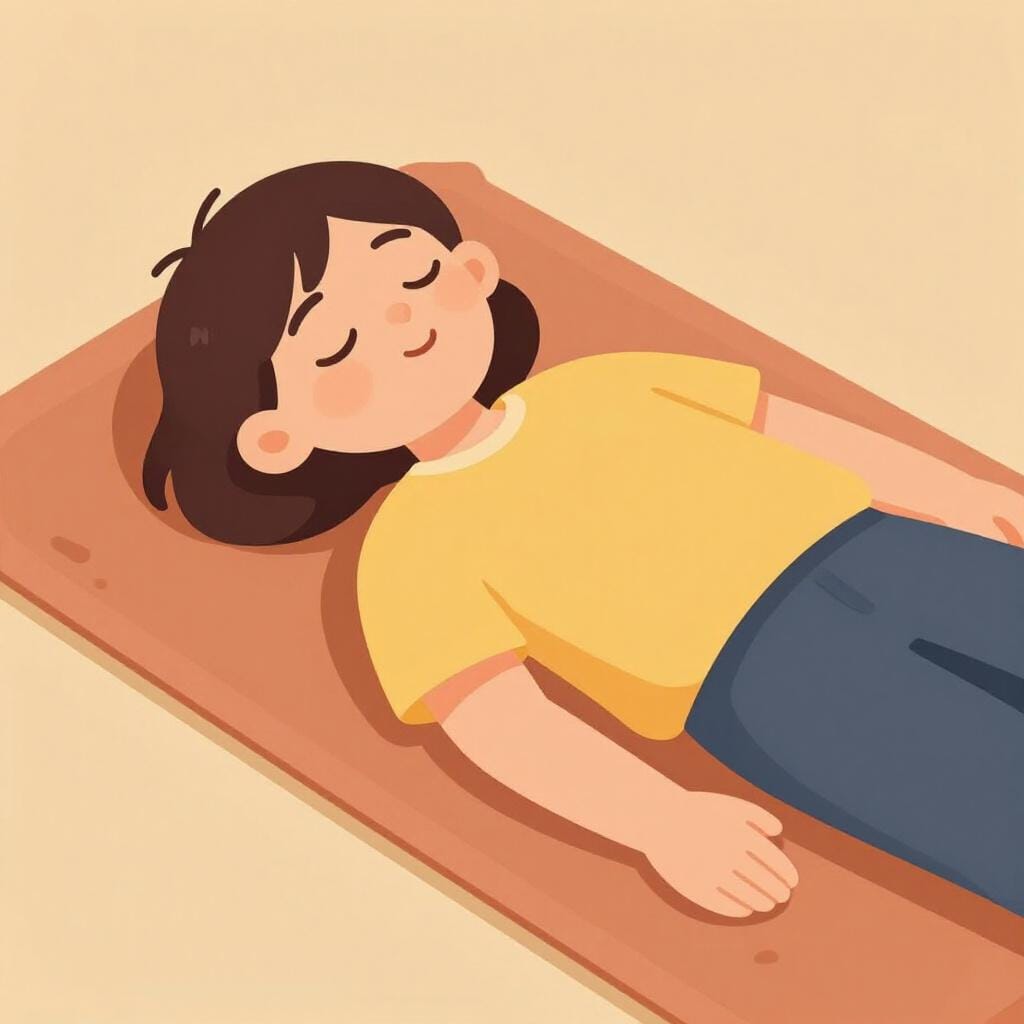
Se sintió mareada y estuvo desmayada por un momento.
She felt dizzy and was fainted for a moment.
El hombre está desmayado en el sofá.
The man is fainted on the sofa.
Ella se quedó desmayada después de ver la sangre.
She fainted after seeing the blood.
Los paramédicos encontraron al conductor desmayado.
The paramedics found the driver unconscious.
Using with 'Estar'
Since being fainted is a temporary state and not a permanent personality trait, you must always use it with 'estar' (to be) or 'quedar' (to end up), never 'ser'.
Ending Changes
Because this is an adjective here, the ending must match the person. Use 'desmayado' for a man, 'desmayada' for a woman, and 'desmayados/as' for groups.
The 'Ser' Trap
Mistake: “Él es desmayado.”
Correction: Él está desmayado. Use 'estar' because fainting is a temporary condition.
automático
Examples
Su respuesta fue automática, no tuvo tiempo de pensar.
His response was automatic; he didn't have time to think.
subconsciente
sub-kohn-syen-tehsubkonˈsjente

Examples
A veces, el subconsciente maneja nuestros miedos.
Sometimes, the subconscious manages our fears.
Ella tiene un deseo subconsciente de viajar por el mundo.
She has a subconscious desire to travel the world.
Fue una reacción subconsciente ante el peligro.
It was a subconscious reaction to danger.
Muchos de nuestros hábitos son subconscientes.
Many of our habits are subconscious.
One Form for All
This word ends in -e, which means it stays the same whether you are describing a masculine noun (el deseo) or a feminine noun (la idea).
Placement
Like most Spanish adjectives, this usually comes after the thing it is describing (e.g., 'miedo subconsciente').
Don't Change the Ending
Mistake: “Es una reacción subconscienta.”
Correction: Es una reacción subconsciente. (Words ending in -e don't change to -a for feminine things.)
insensible
een-sen-SEE-blehin.senˈsi.βle

Examples
Mis pies están insensibles del frío que hace.
My feet are numb from the cold.
Tengo los dedos insensibles por el frío.
My fingers are numb from the cold.
Después del golpe, se quedó insensible durante unos minutos.
After the hit, he remained unconscious for a few minutes.
La zona está insensible debido a la anestesia.
The area is numb due to the anesthesia.
Describing Body Parts
When talking about body parts that have lost feeling, we usually use the verb 'quedar' (to remain/be left) or 'estar' (to be).
Numb vs. Sleepy
Mistake: “Saying 'mi brazo está dormido' to sound medical.”
Correction: 'Dormido' is very common for a limb falling asleep, but 'insensible' is the proper term for a total lack of sensation.
Inconsciente vs. Desmayado
Related Translations
Learn Spanish with Inklingo
Interactive stories, personalized learning, and more.