How to Say "under" in Spanish
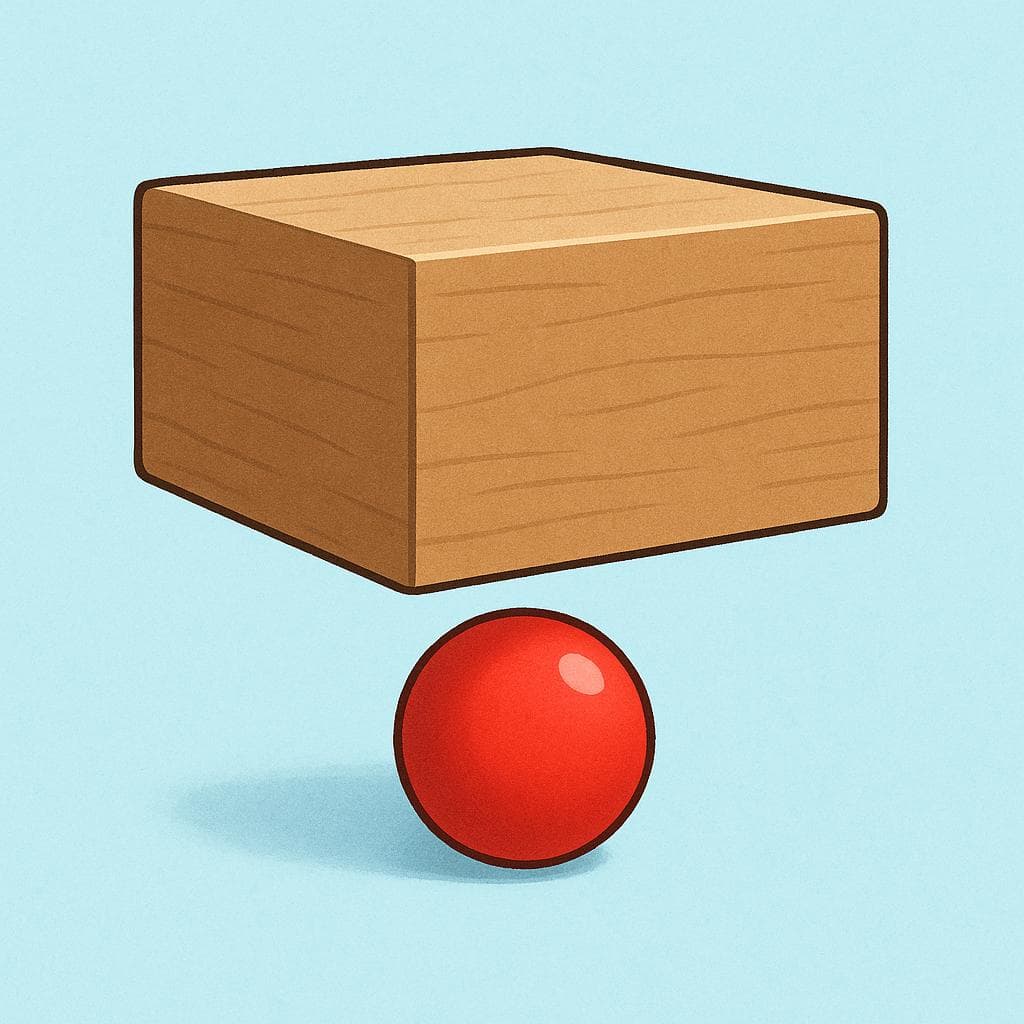
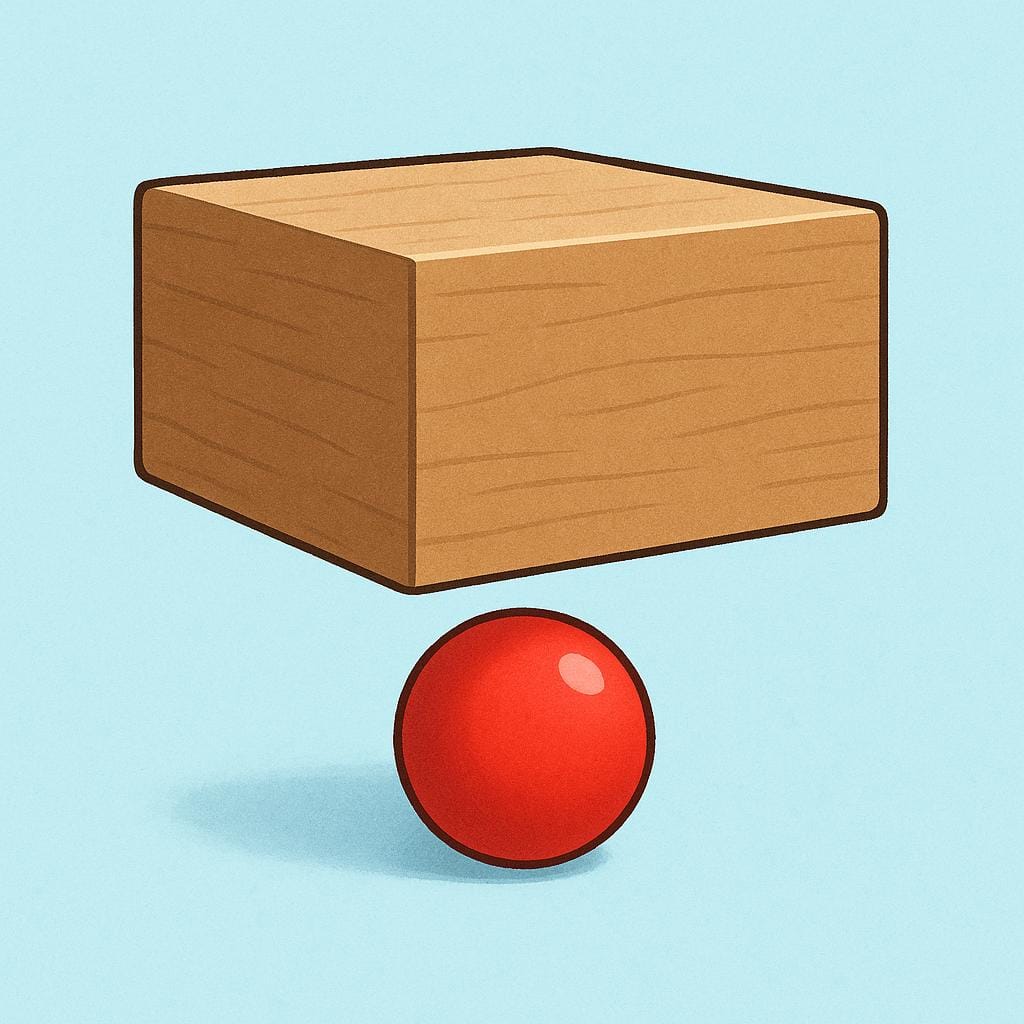
The most common Spanish word for “under” is “debajo” — use 'debajo' when indicating something is located beneath a specific object or surface, often implying it's not directly touching.
debajo
de-BA-hodeˈbaxo
Examples
El libro está debajo de la silla.
The book is under the chair.
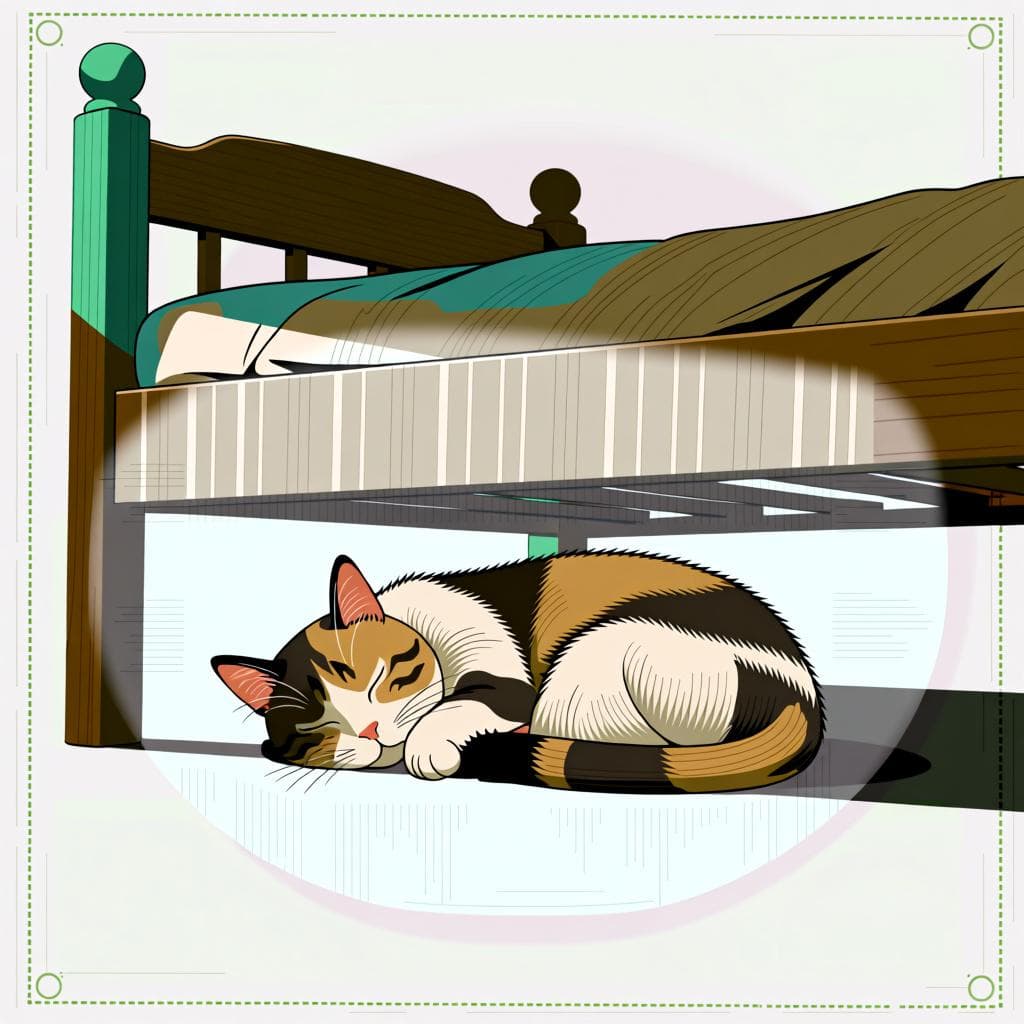
El gato está debajo de la mesa.
The cat is under the table.
Encontré mis llaves debajo del sofá.
I found my keys underneath the sofa.
Vive en el piso de debajo.
He lives on the floor below.
The 'debajo de' Team
When you want to say 'under something', you almost always need to add 'de' right after 'debajo'. Think of 'debajo de' as a single unit that means 'underneath'.
Forgetting 'de'
Mistake: “El libro está debajo la cama.”
Correction: El libro está debajo **de** la cama. You need 'de' to connect 'debajo' to the thing it's under. It's like saying 'under of the bed'.
Confusing 'debajo' and 'bajo'
Mistake: “'Bajo' can sometimes mean 'under', but 'debajo de' is your best friend for physical locations. 'Bajo' is often used for more abstract ideas.”
Correction: For physical objects, stick with 'debajo de' to be safe. Use 'bajo' for things like 'bajo control' (under control) or 'bajo cero' (below zero).
bajo
BA-hoˈbaxo
Examples
Me escondí bajo el puente.
I hid under the bridge.
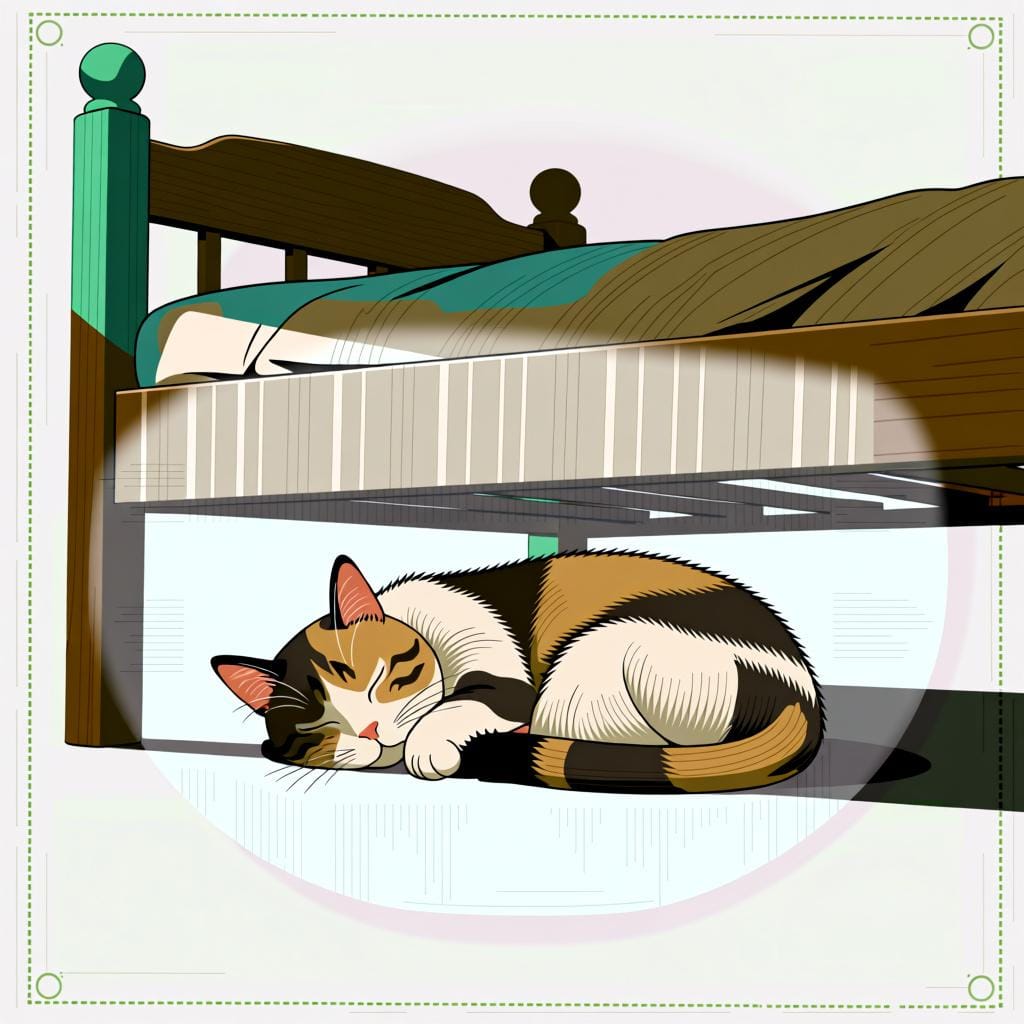
El gato duerme bajo la cama.
The cat sleeps under the bed.
La temperatura está bajo cero.
The temperature is below zero.
El documento está bajo llave.
The document is under lock and key.
Always Stays the Same
When 'bajo' means 'under', it's a preposition. This means it never changes. It's always just 'bajo', no matter what word comes after it.
'Bajo' vs. 'Debajo de'
Mistake: “El libro está bajo de la mesa.”
Correction: El libro está bajo la mesa. While 'debajo de' needs the 'de', 'bajo' does not. Think of 'bajo' as a one-word version of 'debajo de'.
Debajo vs. Bajo
Related Translations
Learn Spanish with Inklingo
Interactive stories, personalized learning, and more.